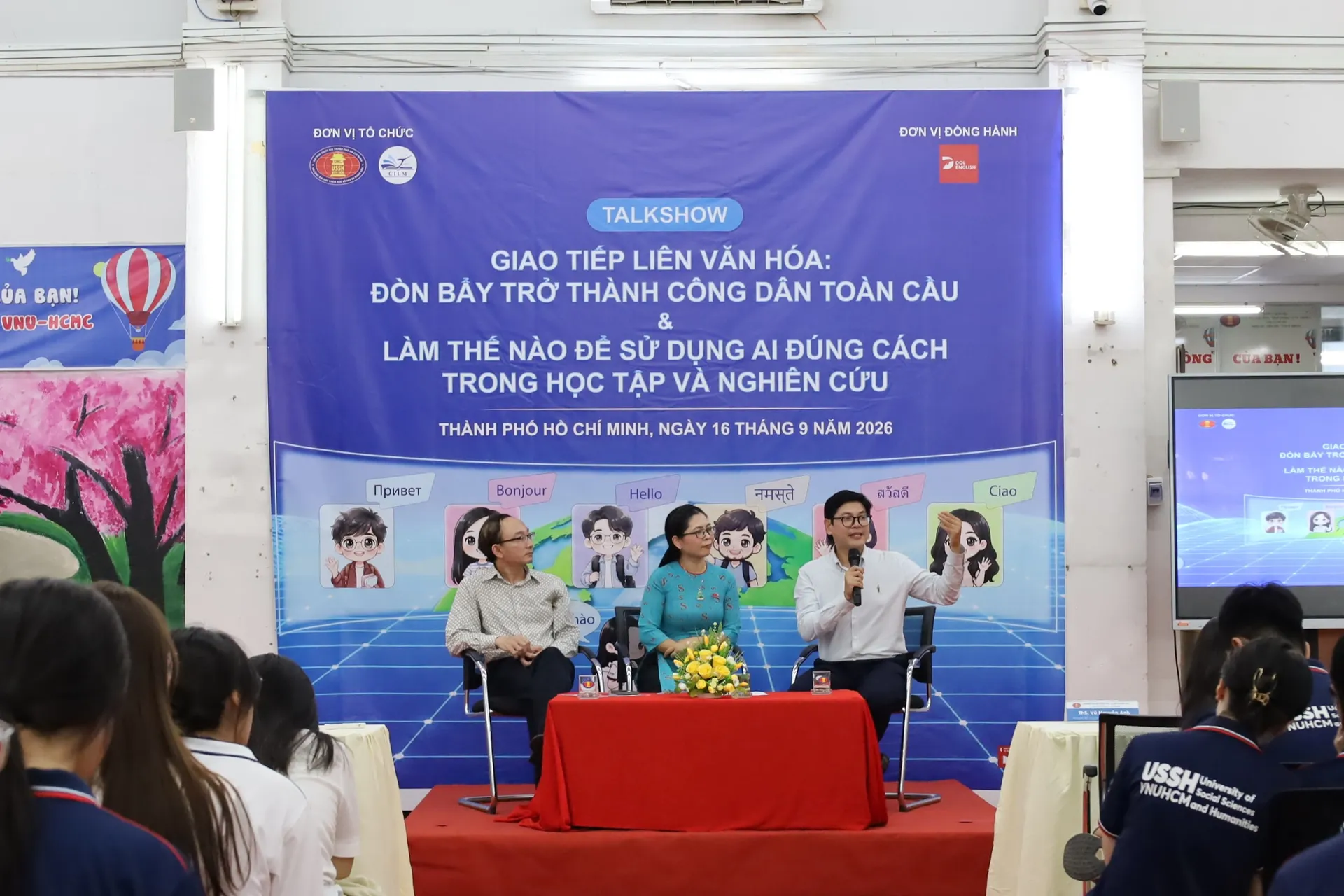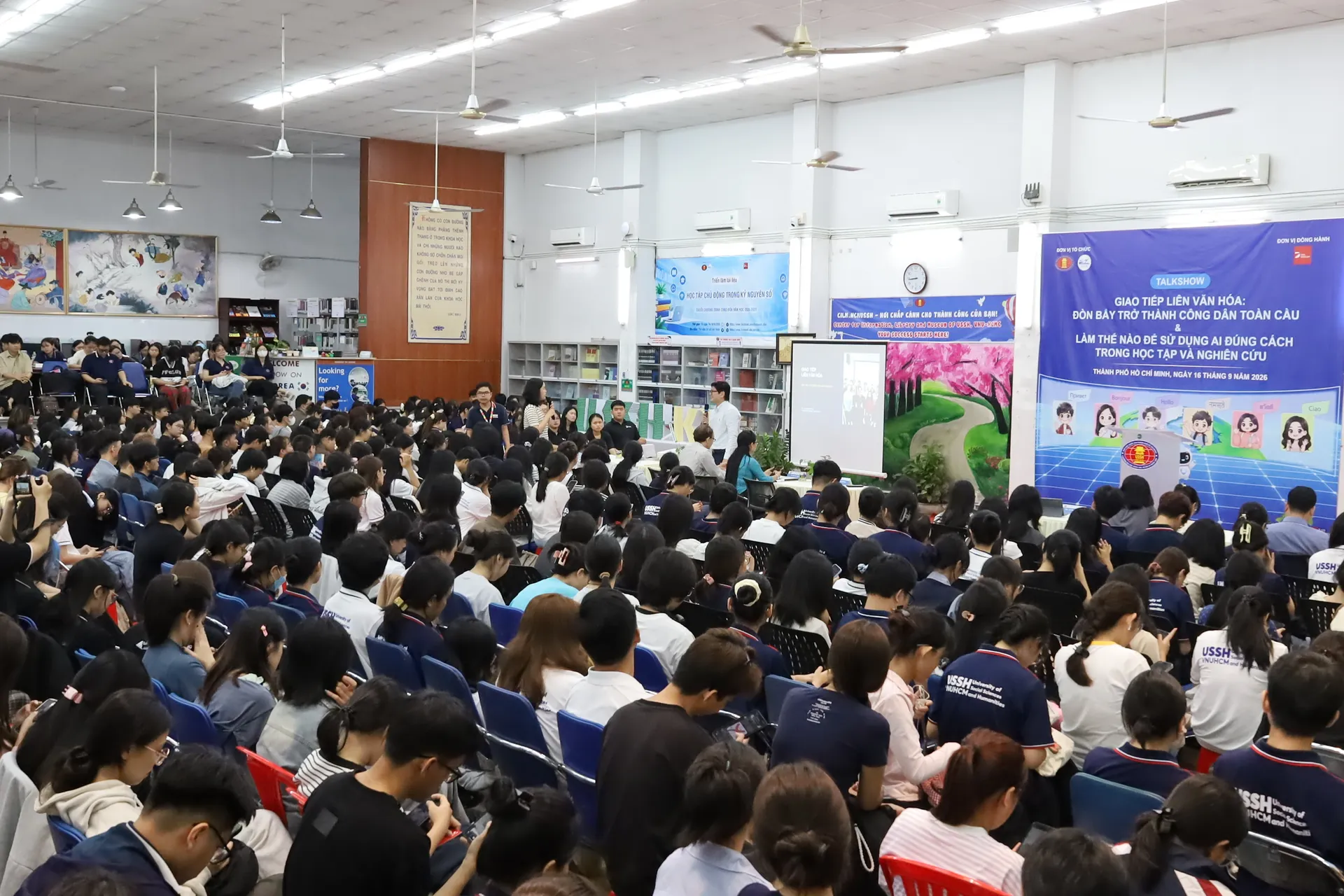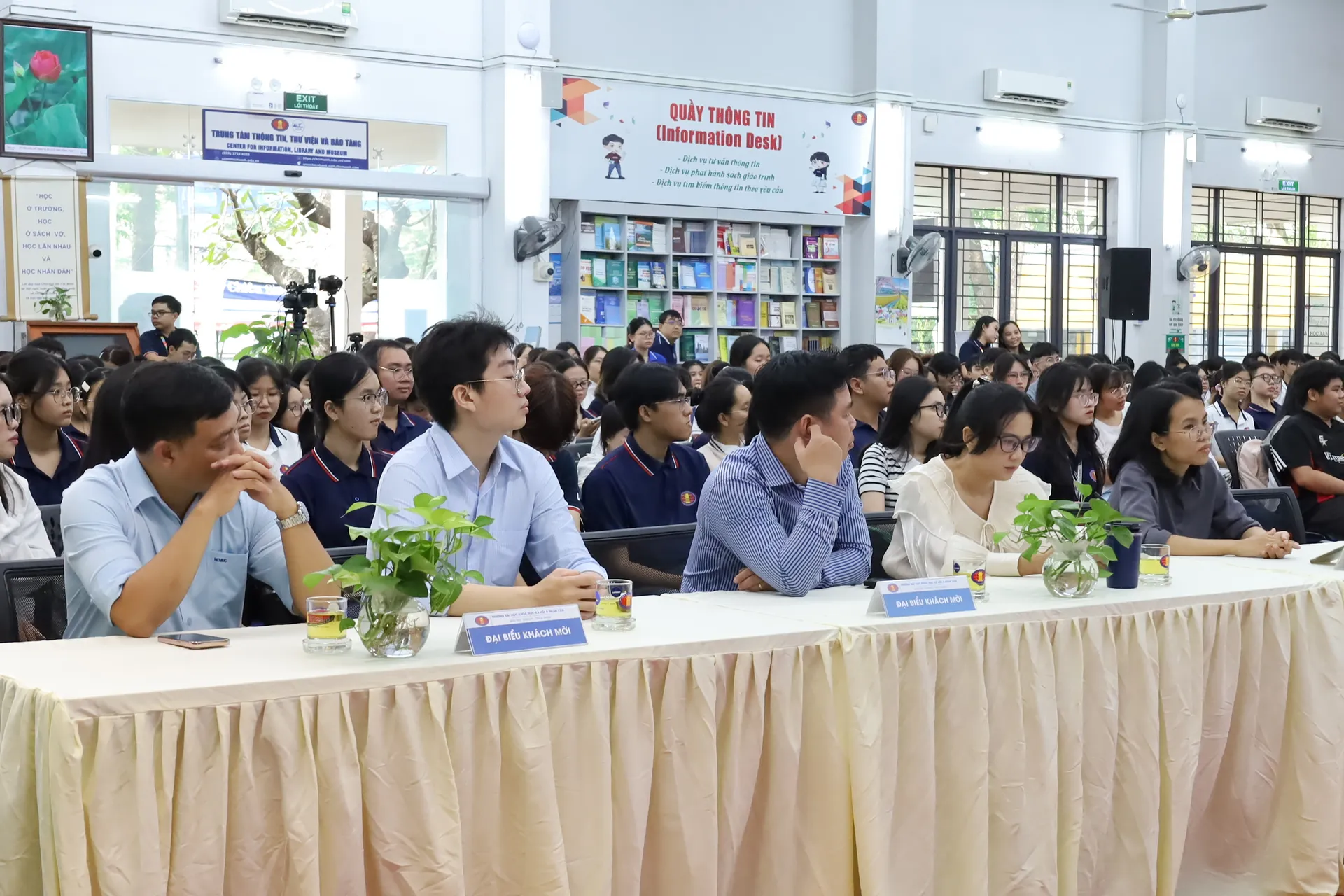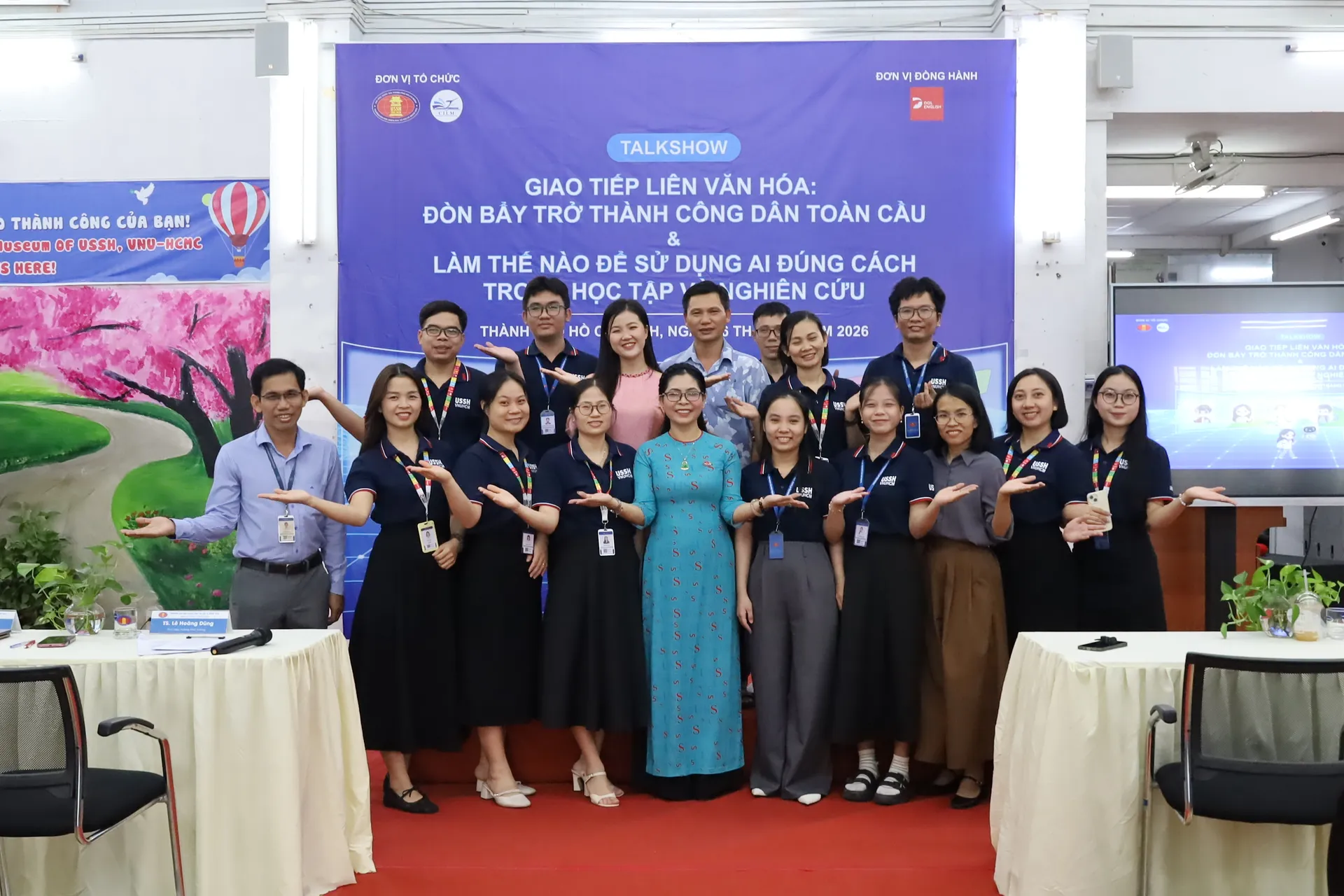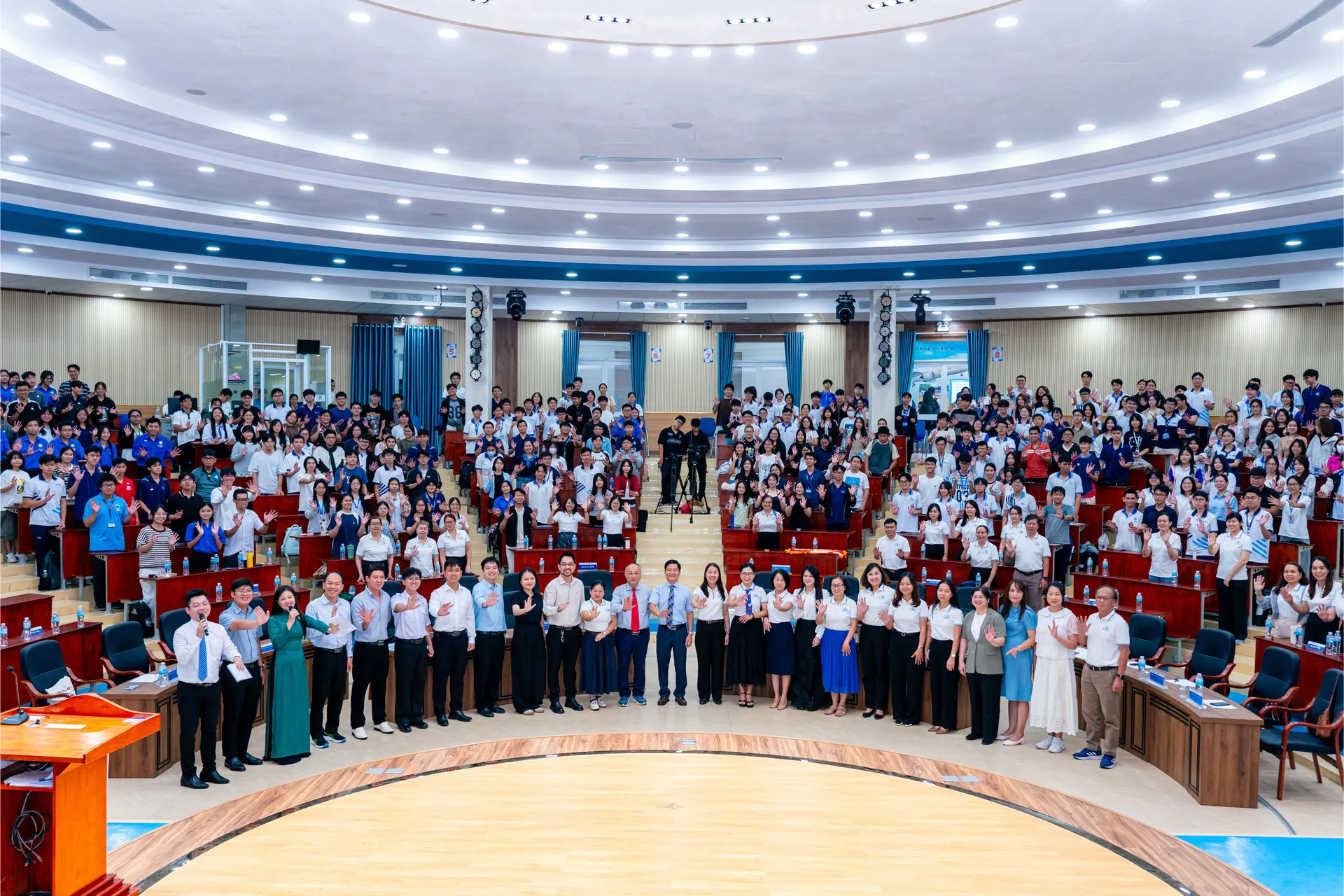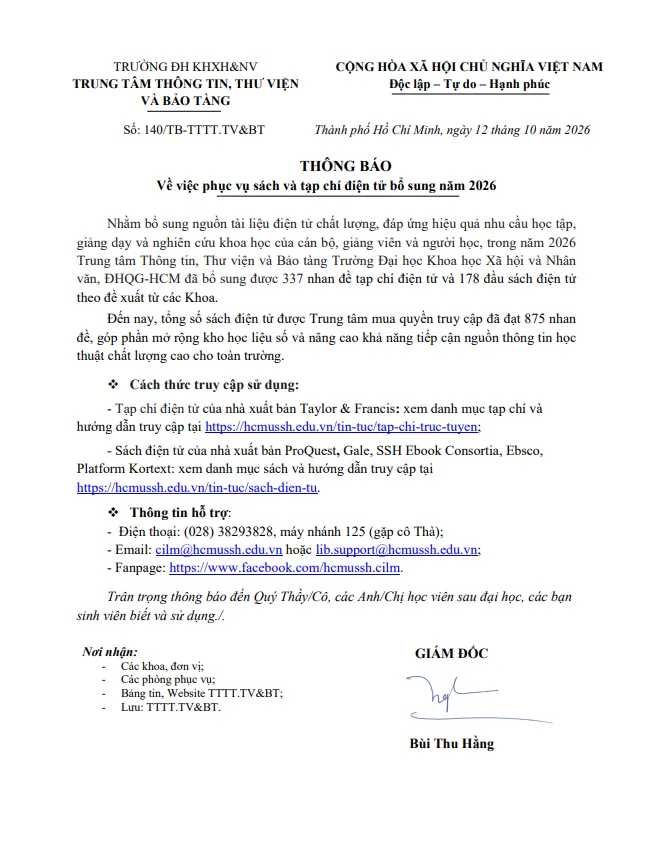
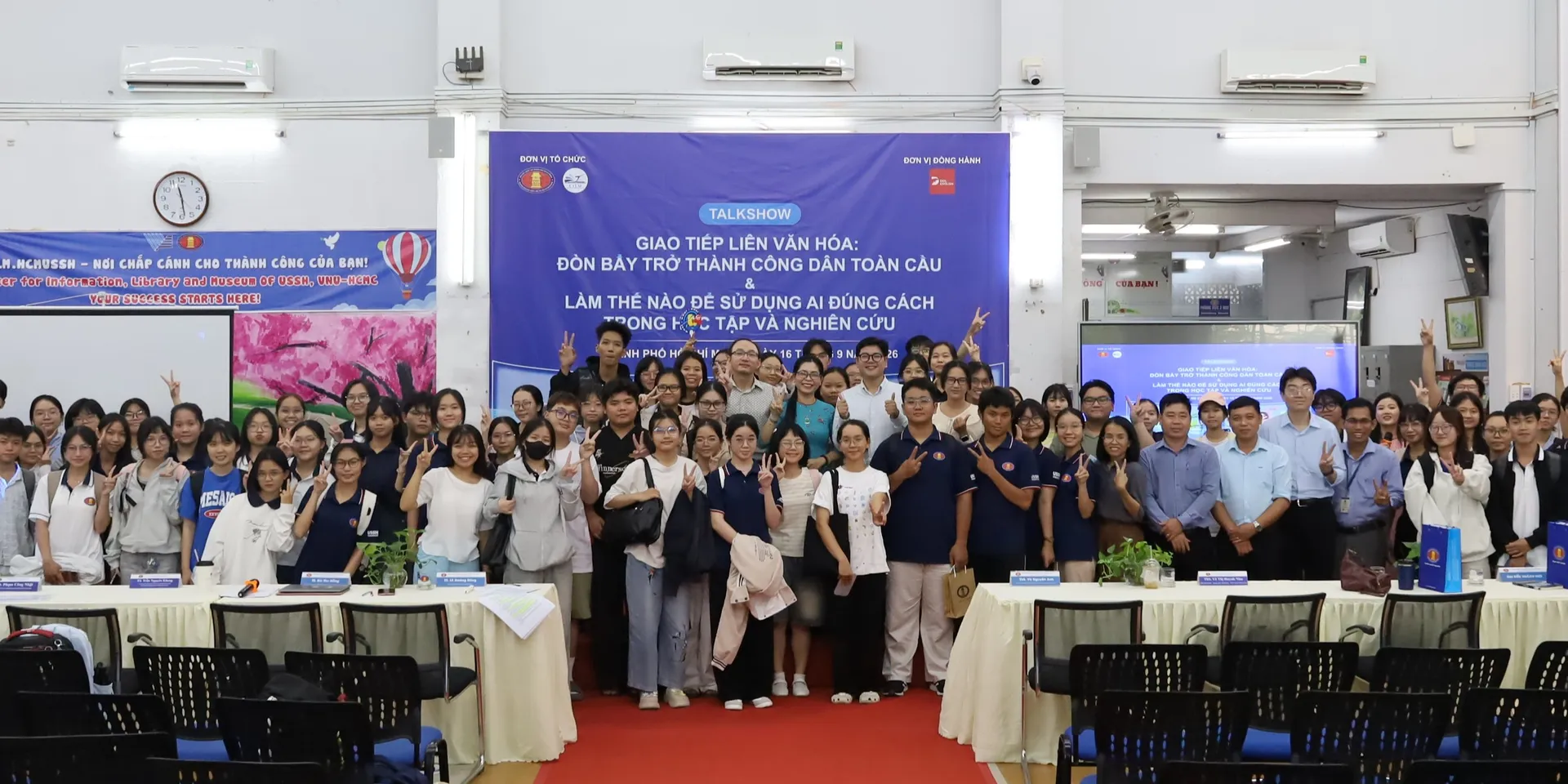
On the morning of September 16, the Center for Information, Library and Museum organized a talk show titled “Intercultural communication: A lever to become a global citizen and How to use AI properly in learning and research” at the Library Reading Room of Linh Xuan campus, University of Social Sciences and Humanities, Viet Nam National University Ho Chi Minh City. The talk show was part of the series of programs welcoming the new academic year 2026-2027.
In his opening remarks, Dr. Le Hoang Dung, Vice President, extended his congratulations to all freshmen of the 2026 cohort as they officially embarked on their university journey. He highlighted key themes regarding global integration and raised the question: “Should we rely on AI? Or should AI be a tool for us?”. Through this, he oriented students to proactively accumulate knowledge, master technology, and optimize their study plans to complete the program within 3.5 to 4 years.
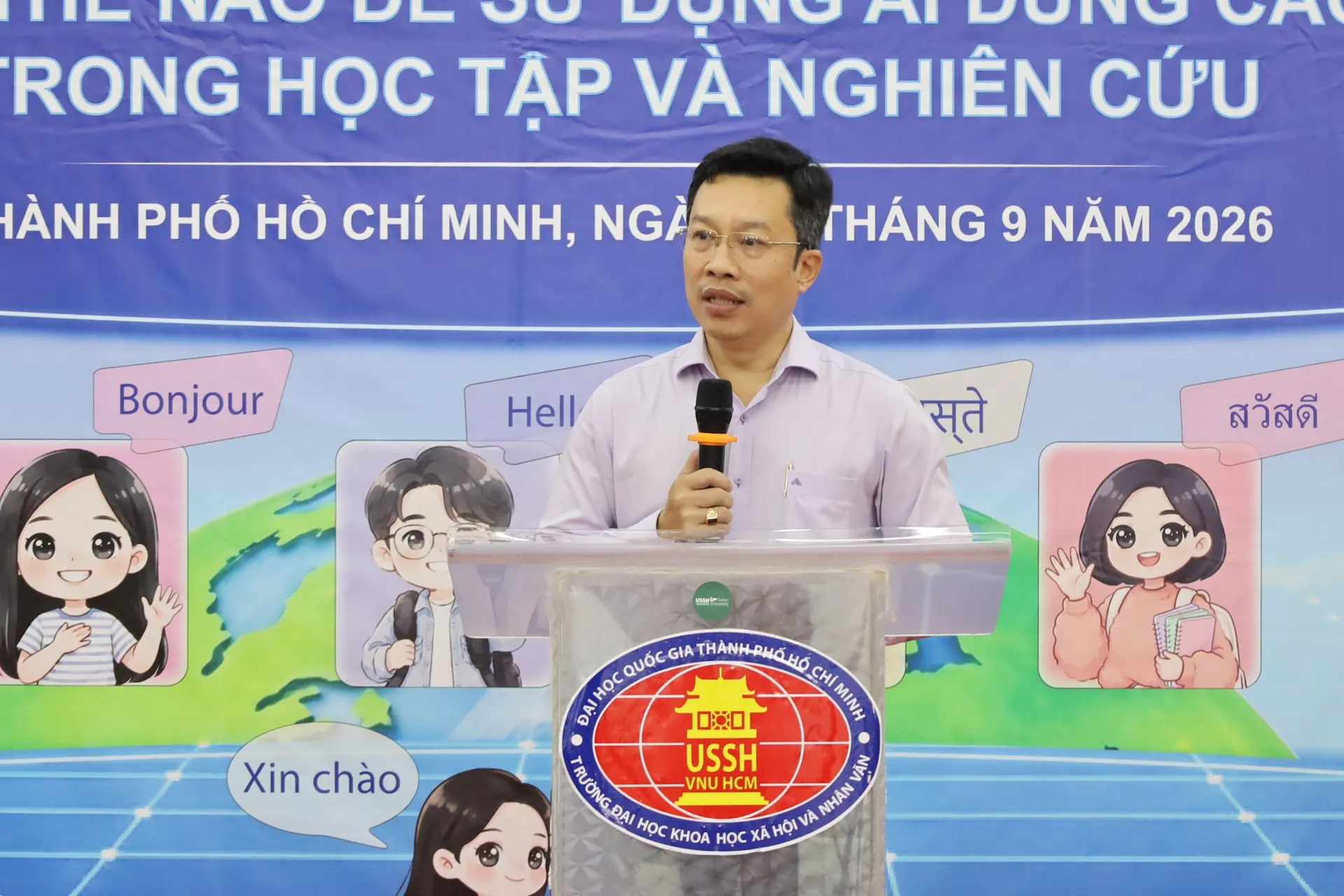
Dr. Le Hoang Dung shared that the knowledge and experiences accumulated today serve as important starting luggage, helping students enter the new academic year in a more complete and meaningful way - Photo: MY TUYET
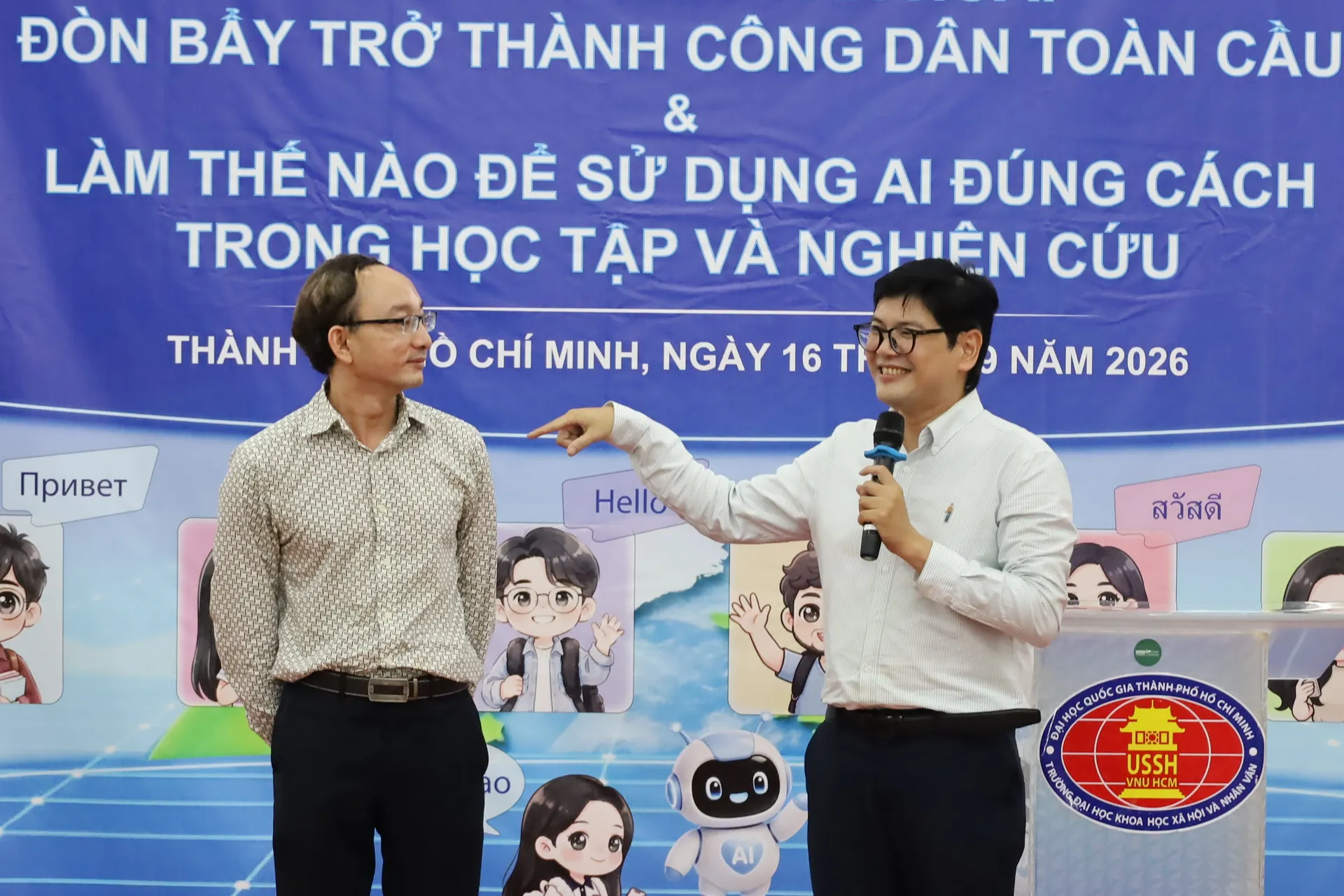
Following the program was a sharing session by Dr. Tran Nguyen Khang, Speaker, Lecturer of the Faculty of History and International Relations, on the topic “Intercultural communication - A lever to become a global citizen”. He emphasized the concept of global citizenship in the era of connectivity, and through the “Iceberg” model, pointed out the differences between surface cultural traits that are easily observed and the core values hidden deep within. He shared: “Since message delivery is heavily influenced by tone, gestures, and context, students need to overcome barriers through the process of observing, listening, and understanding in the true spirit of the native culture”. Thereby, he encouraged young people to always maintain an open mindset, actively adjust to adapt flexibly while confidently preserving and spreading the Vietnamese cultural identity.
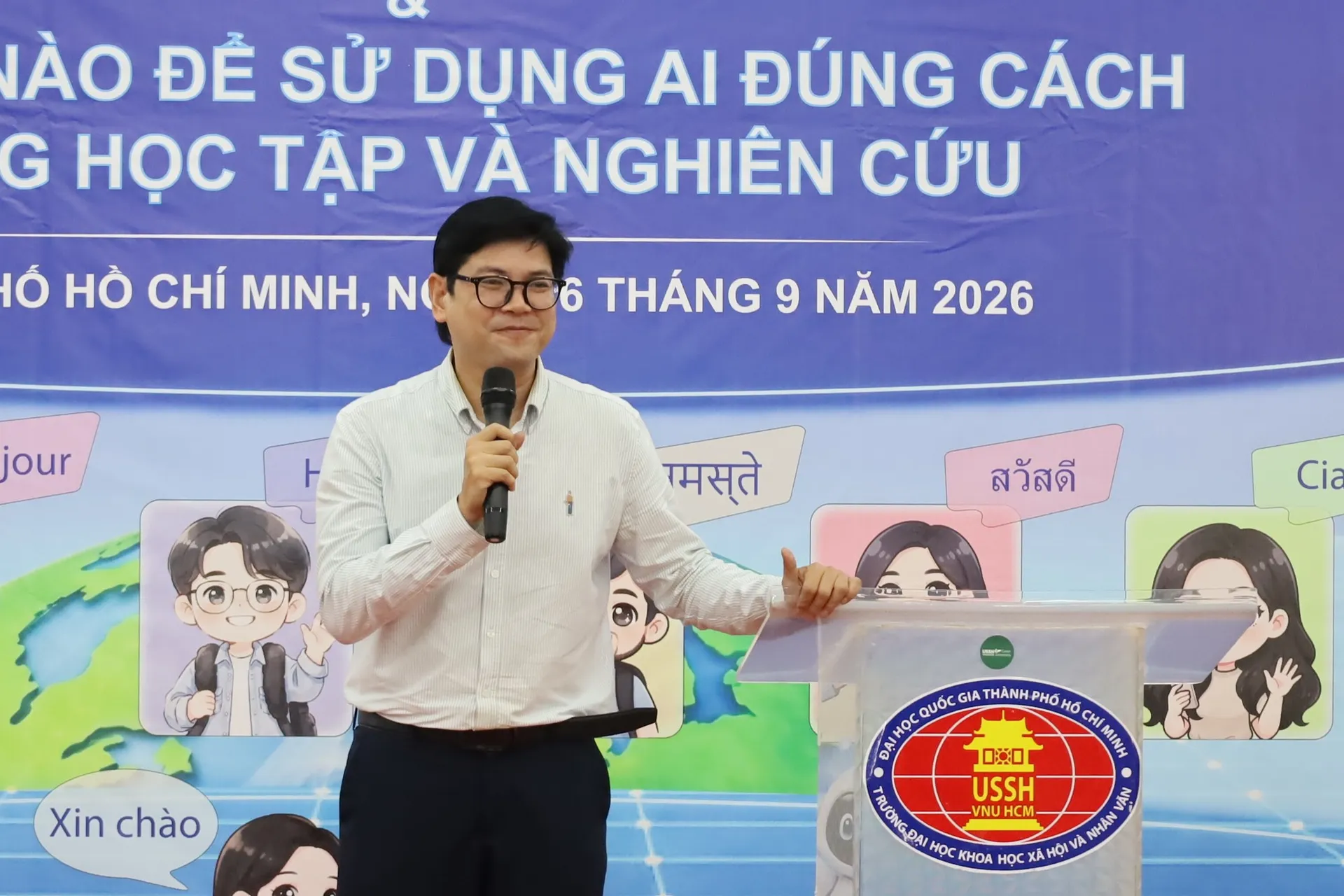
Dr. Tran Nguyen Khang shares about the role of intonation, gestures, relationships, and the surrounding environment - Photo: MY TUYET
MSc. Pham Cong Nhat, Speaker, Communications Director of DOL English System, brought to the students the topic “Effective presentation in an international environment”. He shared about the importance and core elements to master public speaking skills, helping the speaker convey messages effectively. He emphasized: “There is no magic pill to help you step onto the stage and speak well immediately. Everything comes from practice”. He encouraged students to practice on their own and have firm self-belief, which will bring high efficiency and harvest success.
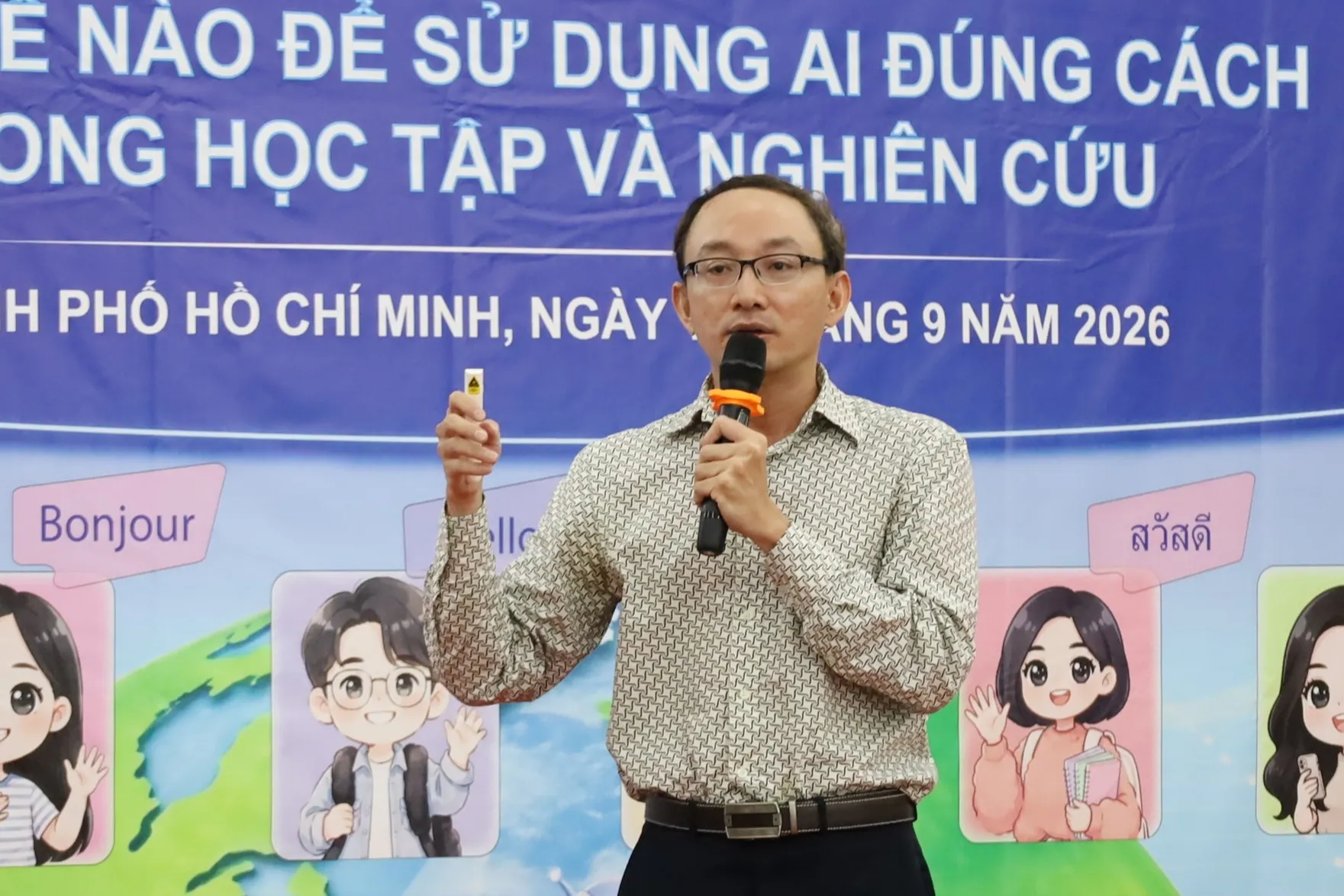
MSc. Pham Cong Nhat answers students' questions about important elements in a public speaking session - Photo: MY TUYET
During the interaction session, many questions delved into presentation skills before an audience when lacking experience and how to turn weaknesses into advantages on stage. Issues regarding global citizenship competence were also of interest to students.
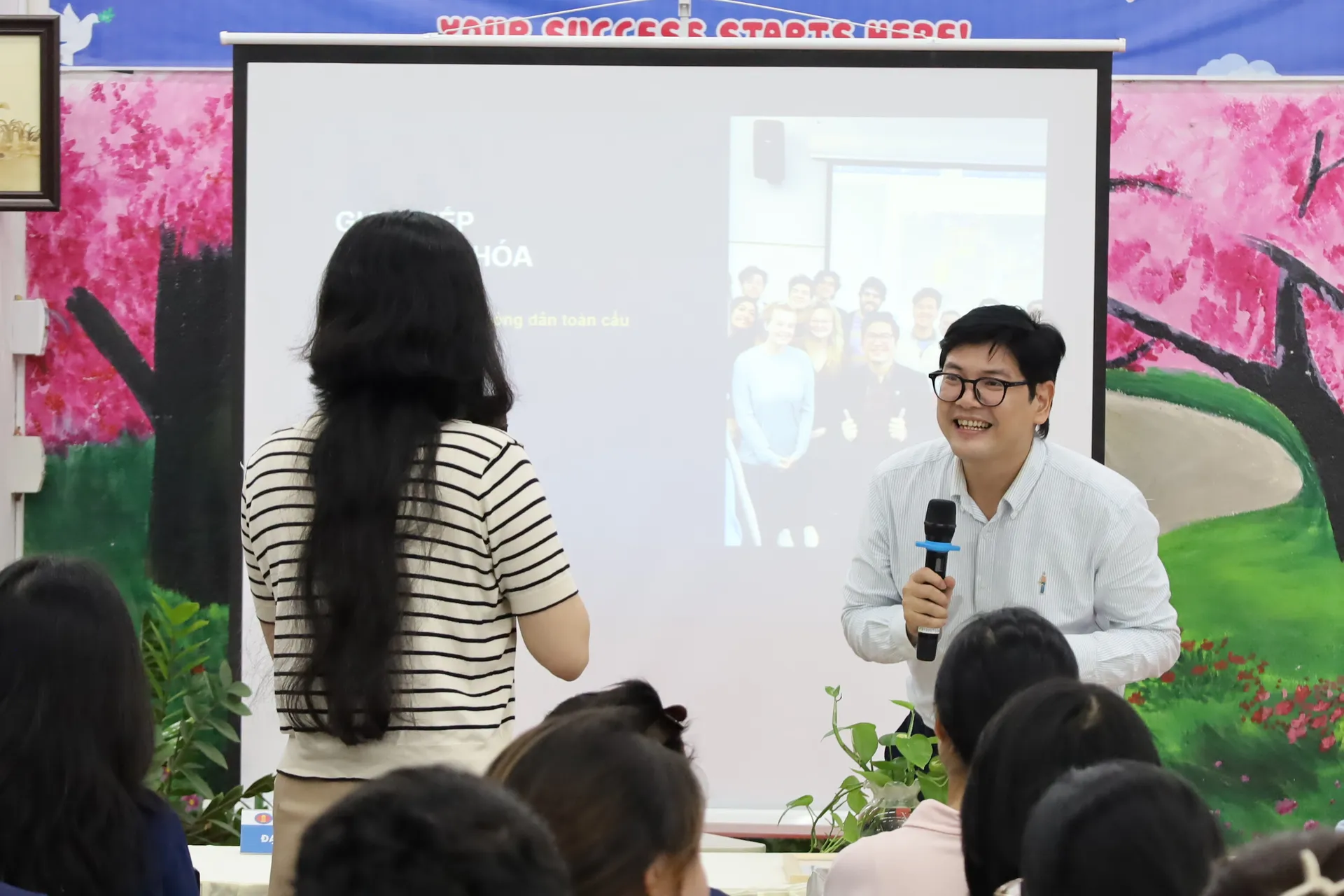
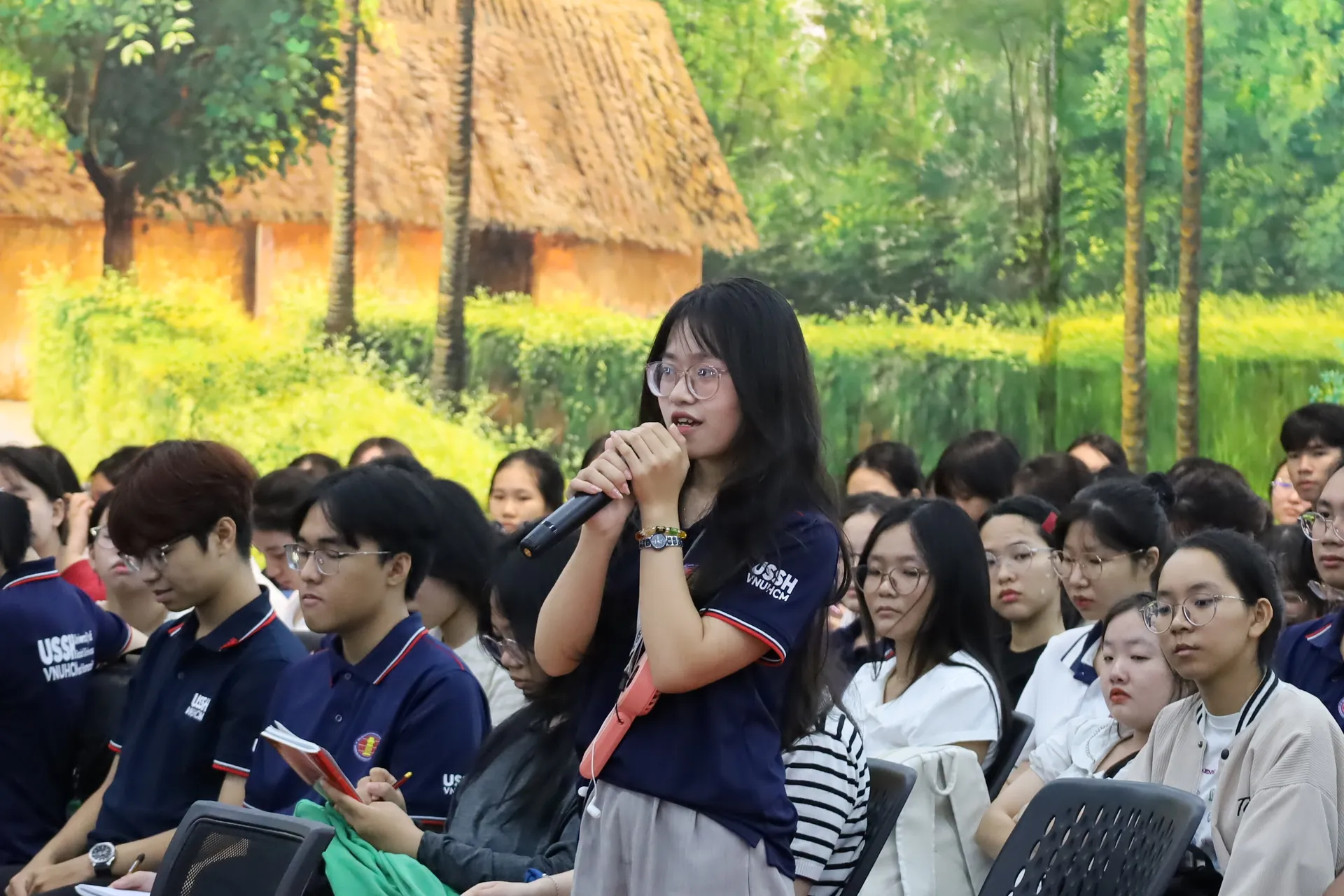
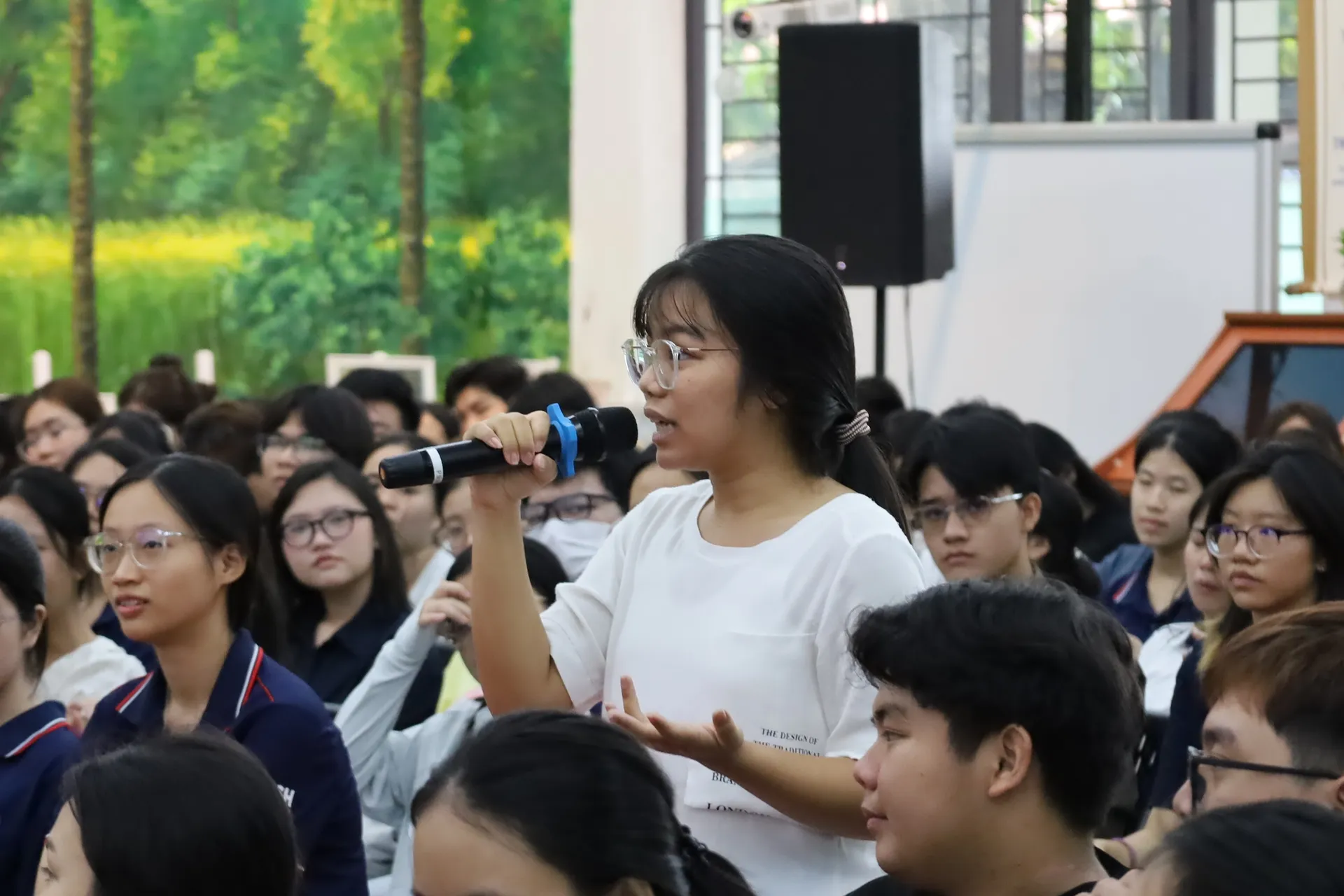
Students exchange with the speaker about issues of presenting in English - Photo: MY TUYET
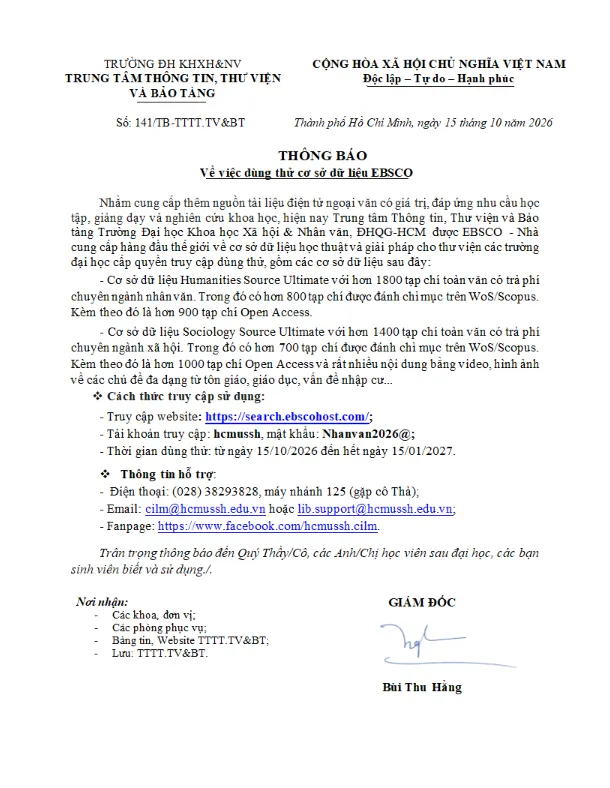
The topic “How to use AI properly in learning and research” was shared by Dr. Bui Thu Hang, Speaker, Director of the Center for Information, Library and Museum, providing practical knowledge to support students' learning. According to her, in the digital era, artificial intelligence (AI) is no longer a stranger but has become an effective companion helping students optimize time spent searching for materials, synthesizing data, and developing initial ideas. She shared: “Students need to master technology by always verifying information from official data sources at the Library, avoiding copying or relying entirely on AI”.
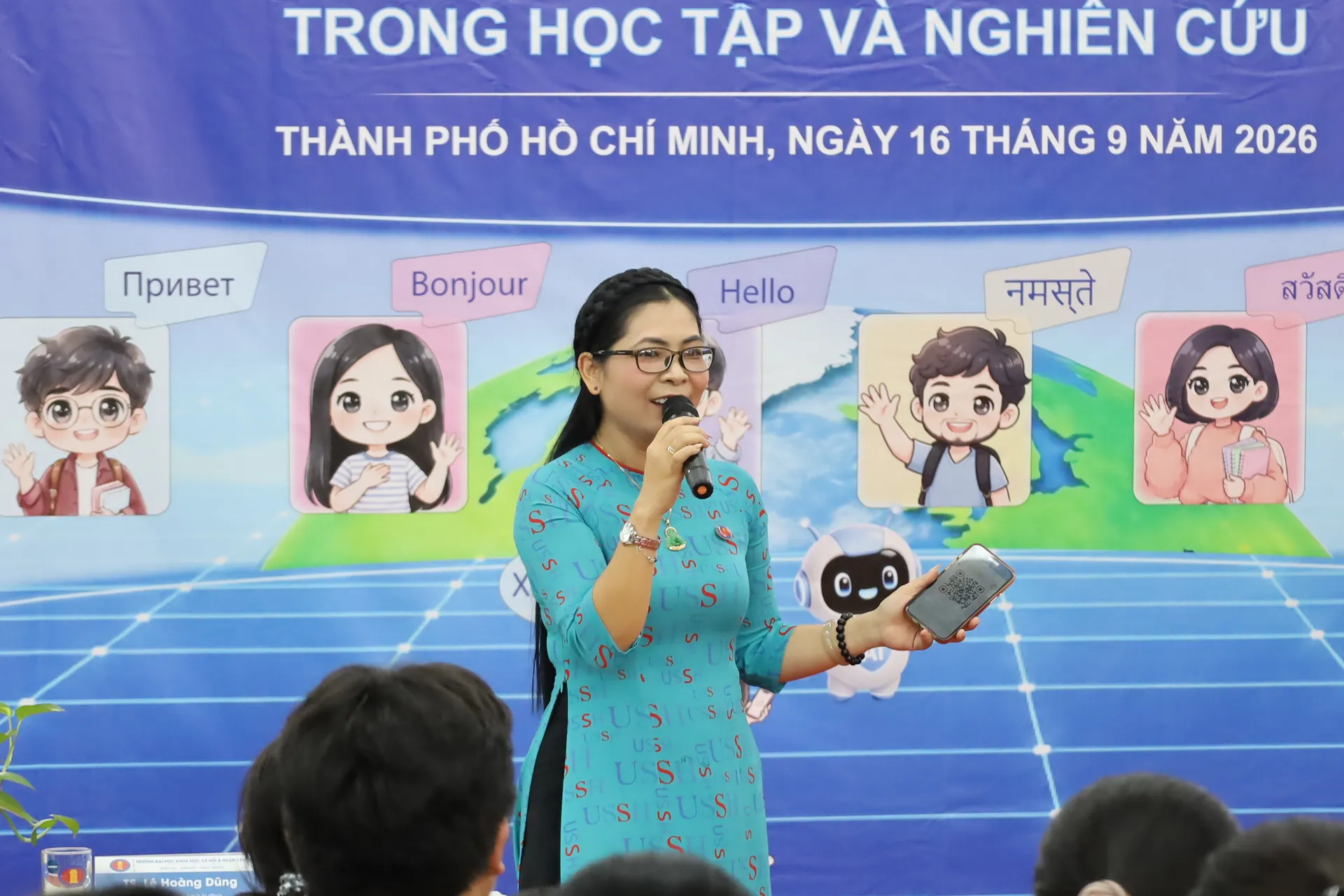
Dr. Bui Thu Hang discusses ways students use AI - Photo: MY TUYET
The program helps students develop skills to present ideas clearly, confidently, and effectively in an international environment, and gain knowledge to support their learning and research. It acts as an orientation activity for students to connect and be proactive in the university environment.
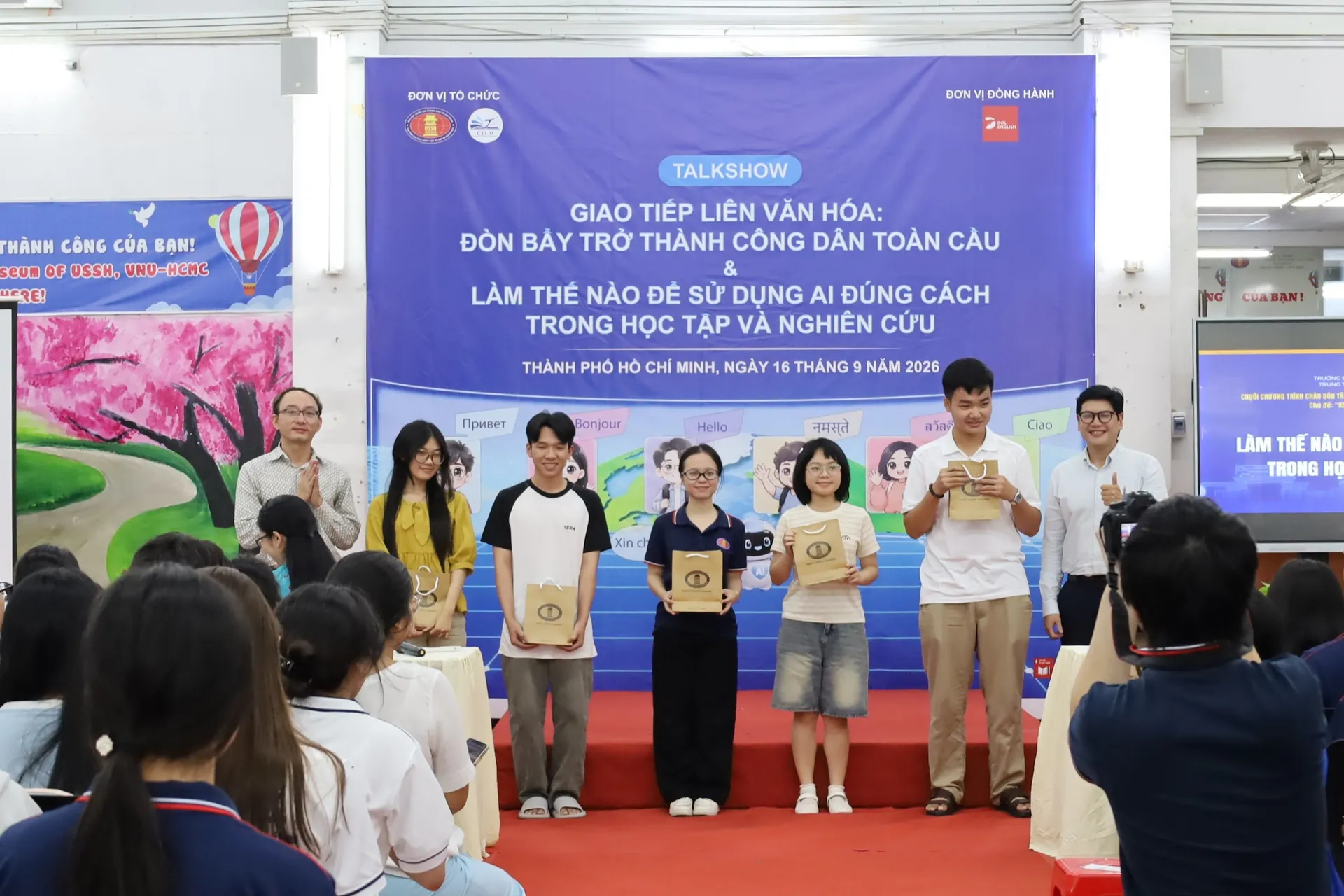
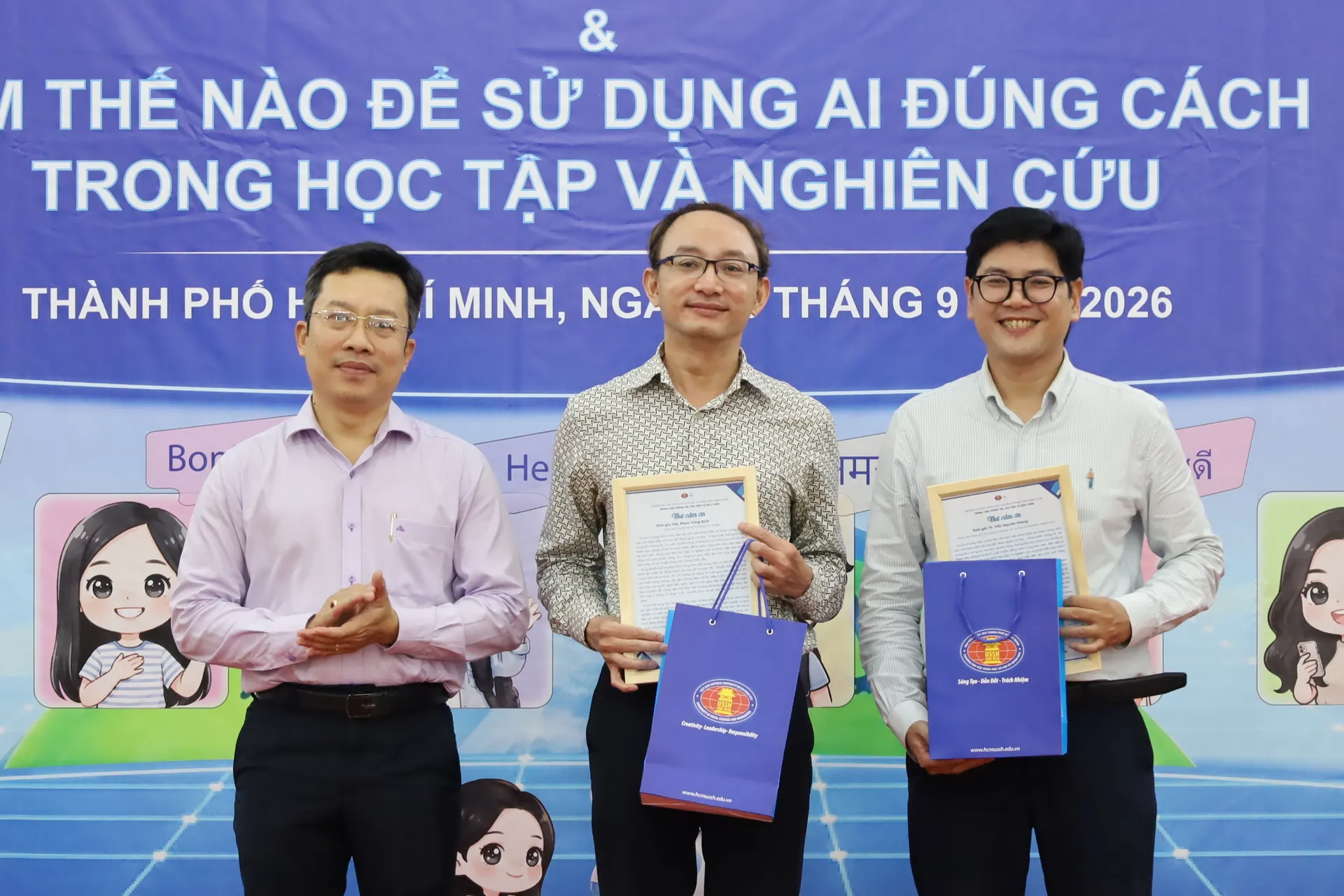
Some other images at the program: