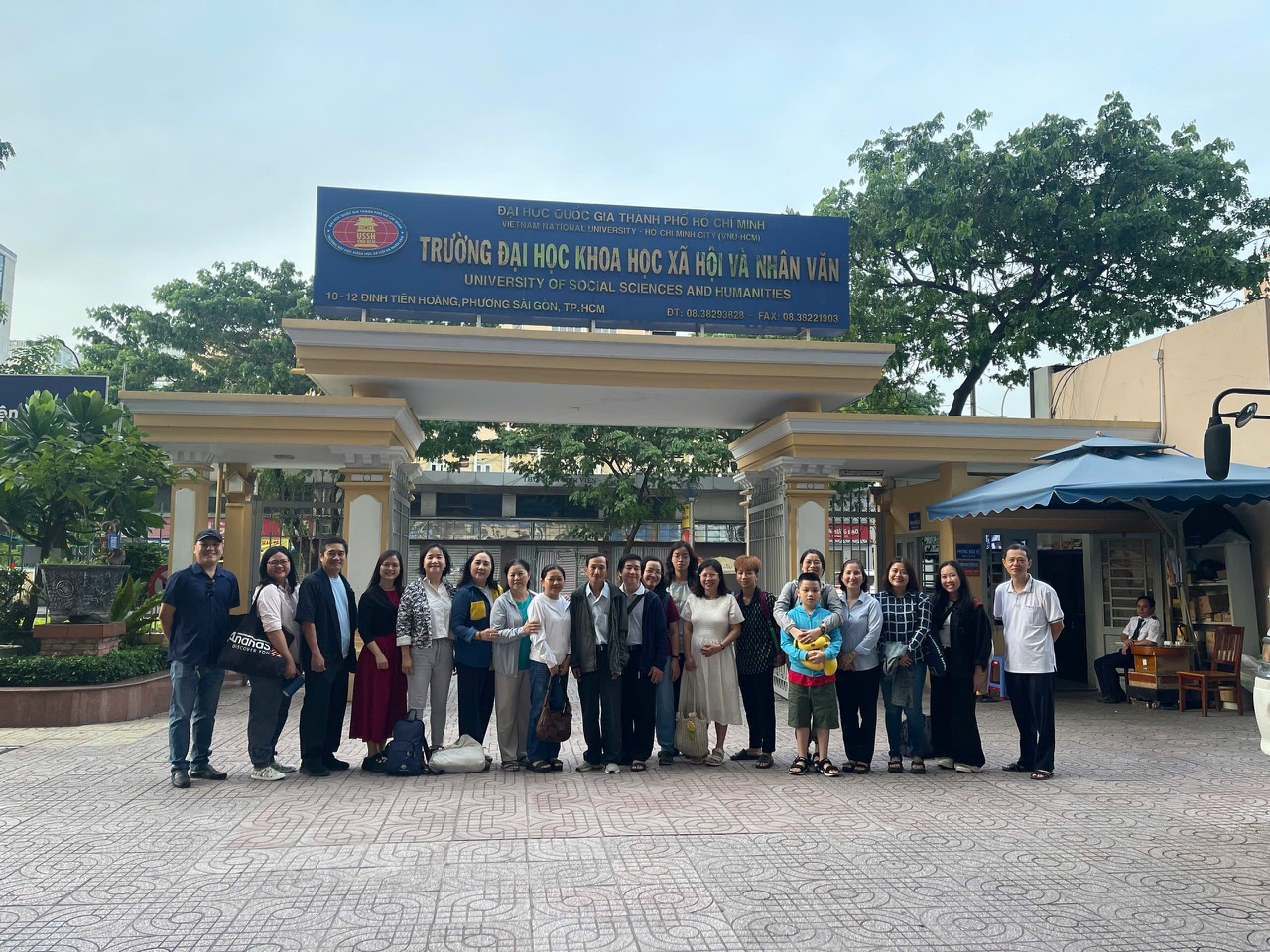

Research on human environmental behavior is essentially sociological research. Human environmental behavior plays a vital role in protecting and maintaining the sustainability of ecosystems. Research on environmental behavior examines the specific actions people take to protect the environment and explores more deeply the psychological, cognitive, and social factors that influence these behaviors. According to many theoretical models, often forming environmental behavior begins with knowledge, turns into awareness, and finally becomes concrete in practical behavior. Understanding environmental issues helps individuals realize the impact of their actions, thereby promoting motivation and a sense of responsibility to perform environmentally friendly behaviors. However, this process is not always linear but is influenced by many factors, such as social norms, emotions, and socio-economic conditions. Therefore, research on environmental behavior aims to raise awareness and find effective methods to encourage sustainable behavior, contributing to positive changes in the community and society. Research on environmental behavior is also a favorite research direction of students of the Faculty of Geography, University of Social Sciences and Humanities, VNU-HCM.
First, discussing research on environmental behavior, let's download the following documents to read before continuing to discuss the following contents:
| STT | Tên tài liệu | Yếu tố chính | Mô hình giới thiệu |
| 1 | Rogers, E. M. (1962). Diffusion of Innovations. Free Press. |
🔹Lợi ích tương đối 🔹Tính tương thích |
DOI (Diffusion of Innovations) |
| 2 | Schwartz, S. H. (1977). Normative influences on altruism. Advances in Experimental Social Psychology, 10, 221-279. | 🔹Nhận thức về hậu quả 🔹Trách nhiệm cá nhân 🔹Chuẩn mực đạo đức |
NAM (Norm Activation Model) |
| 3 | Ajzen, I. (1991). The theory of planned behavior. Organizational Behavior and Human Decision Processes, 50(2), 179-211. |
🔹Thái độ |
TPB (Theory of Planned Behavior) |
| 4 | Thaler, R. H., & Sunstein, C. R. (2008). Nudge: Improving decisions about health, wealth, and happiness. Yale University Press. | 🔹Cú huých (Nudge) 🔹Thiên vị hiện trạng 🔹Phần thưởng & phạt |
BE (Behavioral Economics) |
| 5 | Fogg, B. J. (2009). A behavior model for persuasive design. Proceedings of the 4th International Conference on Persuasive Technology. | 🔹Động lực 🔹Khả năng 🔹Tín hiệu kích hoạt |
FBM (Fogg Behavior Model) |
| 6 | Michie, S., van Stralen, M. M., & West, R. (2011). The behaviour change wheel: A new method for characterising and designing behaviour change interventions. Implementation Science, 6(42). | 🔹Khả năng 🔹Cơ hội 🔹Động lực |
COM-B (Capability - Opportunity - Motivation - Behavior |
For example, when wanting to study people's garbage classification behavior, students can choose the appropriate research model depending on the research purpose.
| Mô hình | Yếu tố chính | Ưu điểm | Hạn chế | Vận dụng |
| DOI (Diffusion of Innovations) | 🔹Lợi ích tương đối 🔹Tính tương thích 🔹Tính quan sát |
✅ Giúp hiểu cách hành vi phân loại rác lan truyền ✅ Hữu ích trong thiết kế chiến dịch truyền thông |
❌ Không đo lường ý định cá nhân ❌ Không xem xét các yếu tố kiểm soát hành vi |
Khi muốn nghiên cứu cách phổ biến thói quen phân loại rác trong cộng đồng |
| TPB (Theory of Planned Behavior) | 🔹Thái độ 🔹Chuẩn chủ quan 🔹Kiểm soát hành vi nhận thức |
✅ Dự đoán tốt ý định phân loại rác ✅ Dễ đo lường bằng khảo sát |
❌ Không xét đến cơ hội thực tế ❌ Ý định không phải lúc nào cũng dẫn đến hành vi thực tế |
Khi muốn hiểu ý định hành vi của người dân |
| NAM (Norm Activation Model) | 🔹Nhận thức về hậu quả 🔹Trách nhiệm cá nhân 🔹Chuẩn mực đạo đức | ✅ Giải thích động lực phân loại rác từ góc độ đạo đức ✅ Hữu ích trong các chiến dịch nâng cao nhận thức |
❌ Không xét đến điều kiện khách quan ❌ Không đo lường tác động của chính sách & môi trường |
Khi muốn nghiên cứu trách nhiệm đạo đức ảnh hưởng đến phân loại rác |
| BE (Behavioral Economics) | 🔹Cú huých (Nudge) 🔹Thiên vị hiện trạng 🔹Phần thưởng & phạt |
✅ Giúp thay đổi hành vi nhanh chóng ✅ Hiệu quả trong chính sách thực tế (thưởng/phạt, thiết kế hạ tầng) |
❌ Không giải thích sâu về ý định ❌ Cần thử nghiệm để biết biện pháp nào hiệu quả nhất |
Khi muốn tác động trực tiếp để thay đổi hành vi |
| COM-B (Capability - Opportunity - Motivation - Behavior) | 🔹Khả năng (kiến thức, kỹ năng) 🔹Cơ hội (môi trường, hạ tầng) 🔹Động lực (thái độ, lợi ích) |
✅ Đánh giá toàn diện hành vi (từ ý định đến điều kiện thực hiện) ✅ Giúp xác định chính xác rào cản |
❌ Cần nhiều dữ liệu để đo lường cả cá nhân & môi trường ❌ Phức tạp hơn TPB |
Khi muốn phân tích tất cả các yếu tố tác động đến phân loại rác |
| FBM (Fogg Behavior Model) | 🔹Động lực 🔹Khả năng 🔹Tín hiệu kích hoạt |
✅ Hữu ích khi thiết kế lời nhắc nhở, biển báo, ứng dụng hỗ trợ phân loại rác ✅ Tập trung vào làm hành vi dễ dàng hơn |
❌ Không giải thích các yếu tố xã hội ❌ Không đo lường ý định dài hạn |
Khi muốn thiết kế can thiệp trực quan (thùng rác, biển báo, app) để tăng phân loại rác |
A brief conclusion on applying the above models, we can see:
• If you want to analyze comprehensively → COM-B
• If you only want to understand intention → TPB
• If you focus on ethics → NAM
• If you want to change actual behavior → BE + FBM
• If you study how behavior spreads → DOI
COM-B (Capability - Opportunity - Motivation - Behavior) Model → Most Comprehensive
📌 Explains waste classification behavior from the perspective of sustainable behavior change. COM-B is designed to analyze all factors that affect behavior, not only intentions but also actual conditions.
Three main groups of factors affect waste classification behavior:
✅ Capability – Does the individual have enough knowledge & skills to sort waste?
• Knowledge of how to correctly classify waste
• Skills to distinguish between recyclable and non-recyclable waste
• Access to instructional information
✅ Opportunity – Does the environment facilitate the behavior?
• Infrastructure (sorted bins, collection systems)
• Government policies and regulations
• Social pressure and community norms (do family and neighbors classify waste?)
✅ Motivation – Is the individual motivated to perform the behavior?
• Personal attitudes (do they think waste sorting is essential?)
• Benefits received (rewards, cost savings, reduced environmental pollution)
• Ethical responsibility (do they feel a social obligation?)
🔹 Why is it better than TPB? COM-B measures intention (like TPB) and considers actual opportunity and implementation, which helps to assess waste classification behavior more accurately.
📌 Practical application:
• If "Ability" is low → Need to provide more educational information
• If "Opportunity" is low → Improve infrastructure and waste collection policies
• If "Motivation" is low → Increase communication about the benefits of waste classification
Theory of Planned Behavior (TPB) → Good for measuring intention
📌 TPB helps identify psychological factors that influence waste classification intention, including:
✅ Attitude → Do individuals feel that waste classification is good?
✅ Subjective Norms → Are they influenced by family, friends, or society?
✅ Perceived Behavioral Control → Do they think they can do it?
🔹 Limitations: TPB only predicts intentions and does not explain objective factors such as infrastructure and policies.
📌 Practical applications:
• If "Subjective Norms" are weak → Increase social pressure (media, propaganda)
• If "Behavioral Control" is low → Improve conditions for easier waste classification
Theory of Causal Attributions (NAM) → Good for assessing moral motivation
📌Explains waste classification behavior from the perspective of personal morality. NAM focuses on moral factors that motivate waste-classification behavior, including:
✅ Awareness of Consequences (AC) → Does the individual perceive that not classifying waste will negatively impact the environment and society?
✅ Personal Responsibility (AR) → Do individuals feel responsible for taking action to protect the environment?
✅ Personal Norms (PN) → Do individuals feel morally obligated to classify waste, even without mandatory regulation?
🔹 Limitations: NAM does not consider the implementation ability factor like COM-B. NAM does not mention the behavioral control factor (actual implementation ability), while TPB does. However, NAM is more suitable for TPB if the goal is to promote waste classification based on personal responsibility and moral awareness.
📌 Practical application:
• If "Personal Responsibility" is low → Education and communication about environmental protection responsibility should be strengthened, raising awareness of the consequences of environmental pollution.
• If “Consequences Awareness” is low → Provide information about the negative impacts of waste. Encourage personal responsibility by telling stories about the environmental impact of waste.
Behavioral Economics (BE) Theory → Good for changing actual behavior
📌 Explains waste classification behavior from a psychological-economic perspective. BE combines psychology and economics to understand why people don’t always make rational decisions, especially when protecting the environment. Some key principles:
✅ Nudge Effect: Create nudges to encourage waste classification without forcing. For example, make recycling bins more attractive with eye-catching designs. → Change behavior without forcing
✅ Status Quo Bias: People tend to maintain old behaviors, so gradual change is needed. → People are often reluctant to change, so we need to motivate them to classify waste
✅ Incentives & Penalties: People can get a discount on garbage collection fees if they classify correctly. → People can change their behavior if there is a reward
🔹 Limitations: BE does not explain deeply about attitudes or social norms like TPB or NAM.
📌 Practical applications:
• Place colorful, easy-to-use trash bins to encourage garbage classification
• Create a reward-rewarding program for people who classify waste properly
• Punish littering to change habits
DOI (Diffusion of Innovations) model
📌Explaining waste classification behavior from the perspective of social diffusion. It is best to analyze how waste classification behavior spreads in the community.
Rogers' DOI (1962) explains how people receive and implement new behaviors over time. This model emphasizes five main influencing factors:
✅ Relative Advantage:
o Is waste sorting more beneficial than not sorting? For example, if sorting saves on waste costs, people will be more likely to accept it.
✅ Compatibility:
o Is waste sorting suitable for people's lifestyles and habits?
✅ Complexity:
o Is waste classification too challenging to understand and implement? People will not follow it if it is too complicated (many types of waste, confusing instructions).
✅ Observability:
o Can people quickly see the benefits and actions of waste separation from others? They are more likely to follow suit if they see their neighbors and friends separating their waste.
✅ Trialability:
o Can people quickly test waste separation before implementing it regularly? If they can test for easy waste separation before committing to it in the long term, they are more likely to adopt it.
📌 Practical applications:
• Provide easy-to-understand instructions and simplify the waste separation process to reduce complexity.
• Create waste separation pilot projects to make it easier for people to try.
• Increase the visibility of waste separation by showing people doing it. Using influencers (influencers, village chiefs, local officials) as models for waste classification.
DOI helps understand why some groups are receptive to waste classification while others are not. DOI helps explain the process of behavior changes over time, while TPB only considers behavior at a certain time. DOI does not focus on individual control factors like TPB.
Fogg Behavior Model (FBM)
📌 Explains waste classification behavior from a behavioral design perspective. Best for designing interventions to change waste classification behavior.
BJ Fogg's FBM (2009) argues that behavior only occurs when three factors reach a high enough level:
Behavior = Motivation × Ability × Prompt
✅ Motivation: People must have a strong enough reason to classify their garbage
o Personal benefits (reduce pollution, preserve the living environment)
o Social influence (others appreciate me if I classify my trash)
✅ Ability: If garbage classification is too complicated, they will not do it.
o Easy to do (if they have to go far to find a garbage can, they will give up)
o Clear, intuitive instructions
✅ Prompt: There needs to be a reminder or trigger for the behavior to occur (e.g. a sign on the garbage can).
o Reminders via signs, phone apps, messages from the government
📌 Practical applications:
• Design garbage cans and intuitively to reduce barriers to implementation.
• Place reminder signs next to garbage cans to strengthen the trigger signal.
• Use small rewards (gamification) to encourage waste classification.
FBM helps design intervention strategies to make waste sorting behavior easier.
The above is a summary of theories on environmental behavior research from the references cited at the beginning of the article. Examples of waste sorting behavior research are given to apply the above theories, and the perspective may be one-sided. Hopefully, readers can draw their own conclusions after referring to the documents and use them well to their research.
HP.