University leaders congratulate the Center for Information, Library and Museum on International Museum Day, May 18
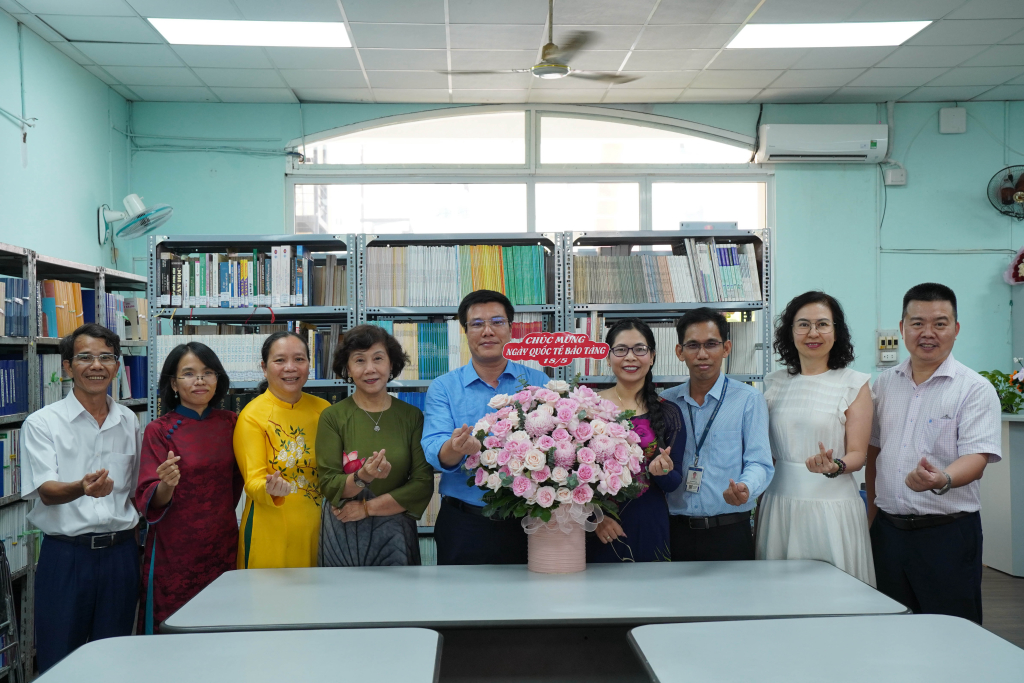
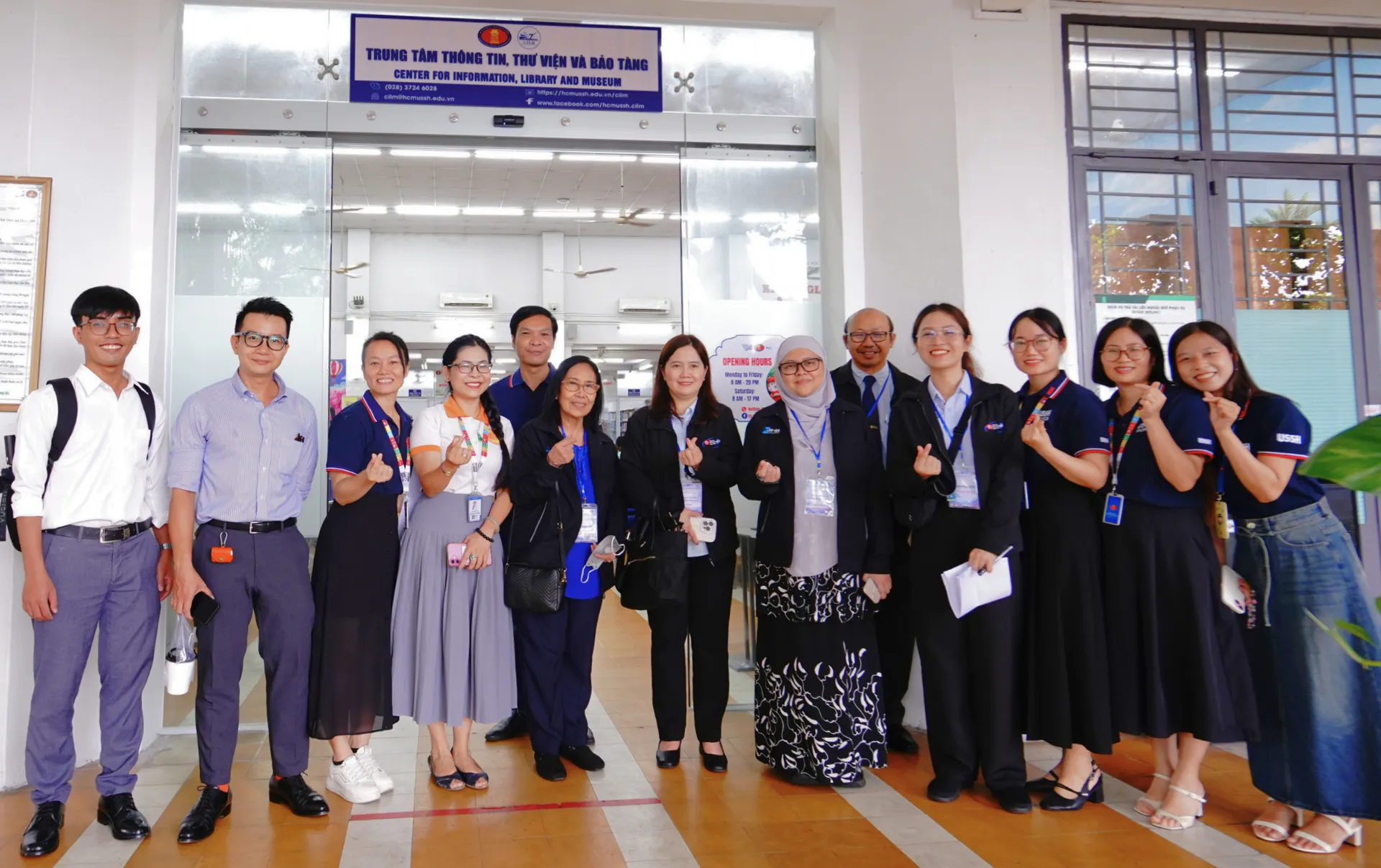
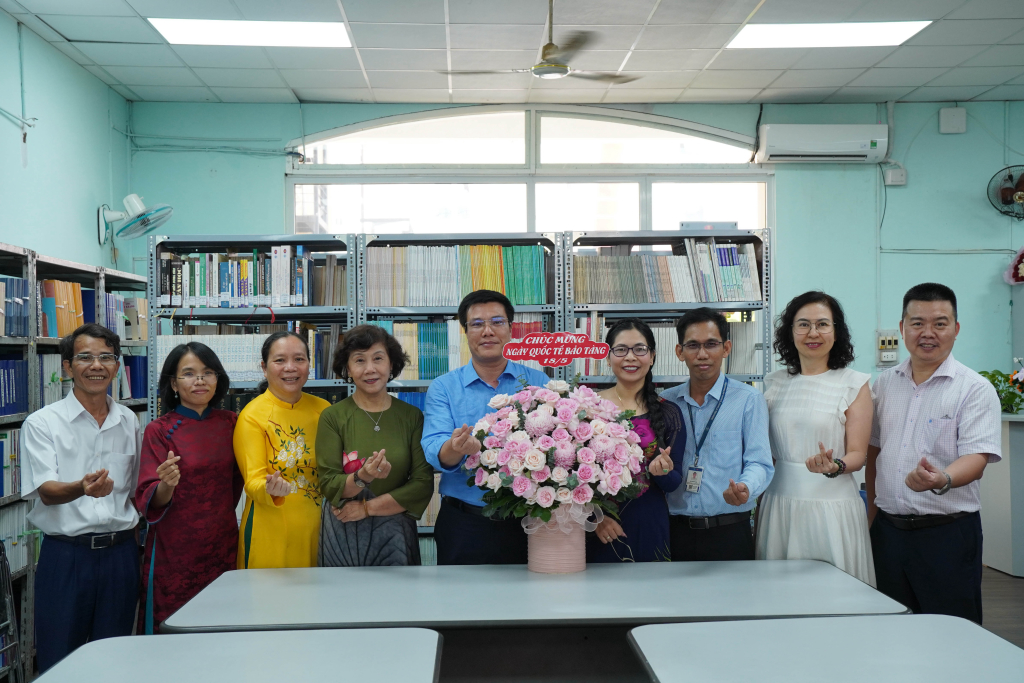
On the afternoon of May 18, university leaders visited and congratulated the Center for Information, Library and Museum on the occasion of International Museum Day, May 18. The delegation included Assoc. Prof. Dr. Luu Van Quyet, Vice President of the University, representatives of the University Trade Union, and representatives of the leaders of the Administration and Communication Office and the Academic Affairs Office.
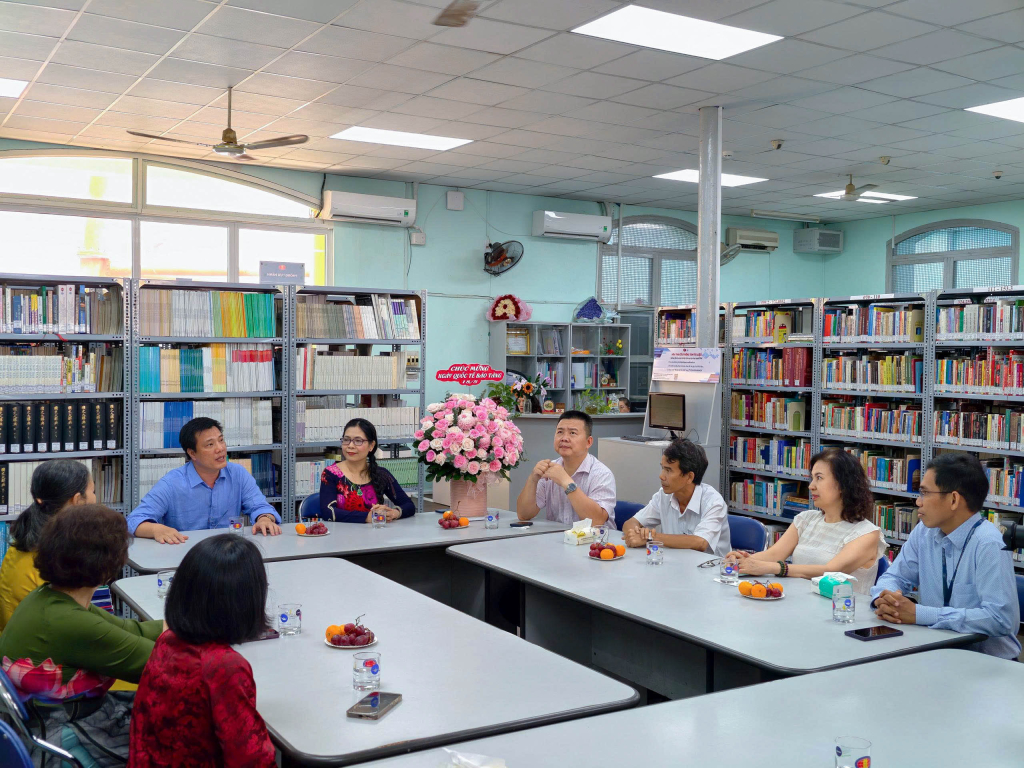
On behalf of the University leadership, Assoc. Prof. Dr. Luu Van Quyet sent his congratulations to the staff and employees of the Center for Information, Library and Museum; at the same time, he acknowledged the contributions of generations of lecturers during the process of opening, building, and developing the Museum through many stages.
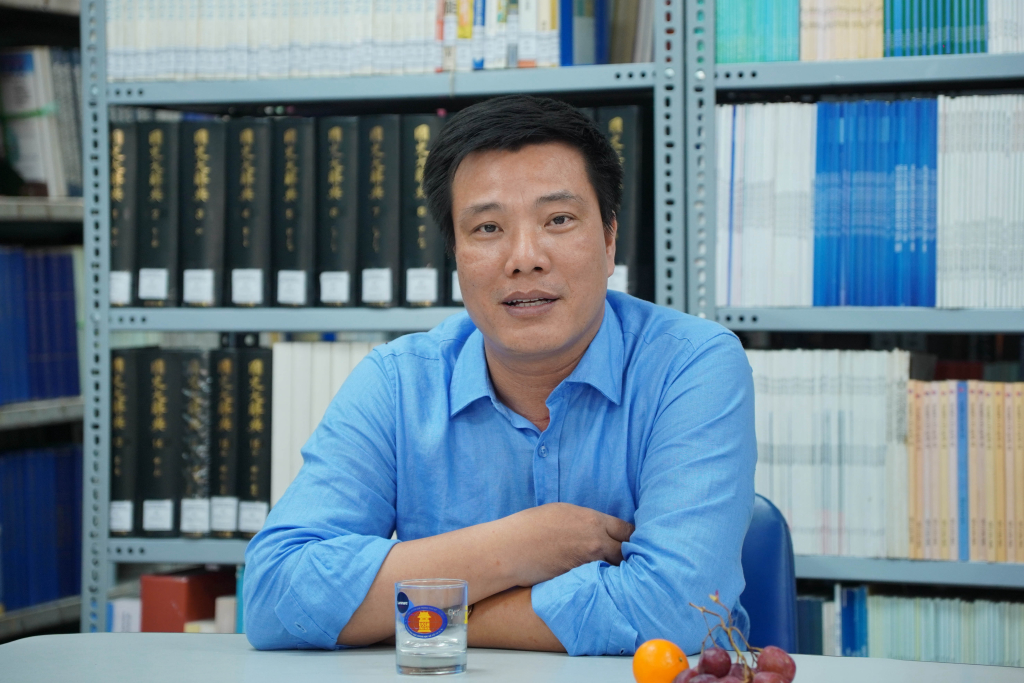
Assoc. Prof. Dr. Luu Van Quyet said that the Museum was previously an independent unit, formed and developed from the dedication of many generations of lecturers. In the process of restructuring, the University oriented the integration of the Museum into the Center for Information, Library and Museum to better promote the unit's functions. Reality shows that the connection between the library and the museum has created more conditions for the Museum's activities to increasingly develop, as these two fields have many similarities in preserving, introducing knowledge, and serving training, research, and education.
He also emphasized that the model of a museum within a university, especially in the southern region, is not available in many places. The Museum of the University of Social Sciences and Humanities, Viet Nam National University Ho Chi Minh City does not only store artifacts associated with the past but also reflects contemporary cultural life through collections of costumes, farming tools, artifacts of ethnic communities, and many valuable documents. This is a visual and vivid source of learning materials, effectively contributing to supporting teaching, learning, research, and academic communication activities within the University.
In particular, he highly appreciated the fact that the Museum has received the trust and companionship of many collectors through the donation of artifacts. According to him, in the context that Ho Chi Minh City has many professional museums, the fact that collectors choose to entrust their artifacts to the University's Museum shows the unique appeal of a museum placed in a higher education environment. Here, artifacts are not only displayed for viewing but also serve directly for training, research, and spreading knowledge to learners, lecturers, and the community.
Assoc. Prof. Dr. Luu Van Quyet also stated that the University always pays attention to the role of the Museum in its general development strategy. Arranging a separate space for the Museum demonstrates the University's recognition of the unit's position, function, and development potential. In the coming time, as the directions for facilities continue to be realized, the Museum is expected to have more conditions to promote its strategic role in the academic, cultural, and communication life of the University.
In response, Dr. Bui Thu Hang, Director of the Center for Information, Library and Museum, expressed her gratitude for the attention and encouragement of the Party Committee, the Board of Presidents of the University, the University Trade Union, and functional units towards the Center's collective on the occasion of International Museum Day, May 18. Dr. Hang said that the recognition and companionship of the University is an important source of encouragement for the Center to continue its efforts in the work of preserving, conserving, exploiting, and spreading the values of knowledge, culture, and history associated with the University of Social Sciences and Humanities, Viet Nam National University Ho Chi Minh City.
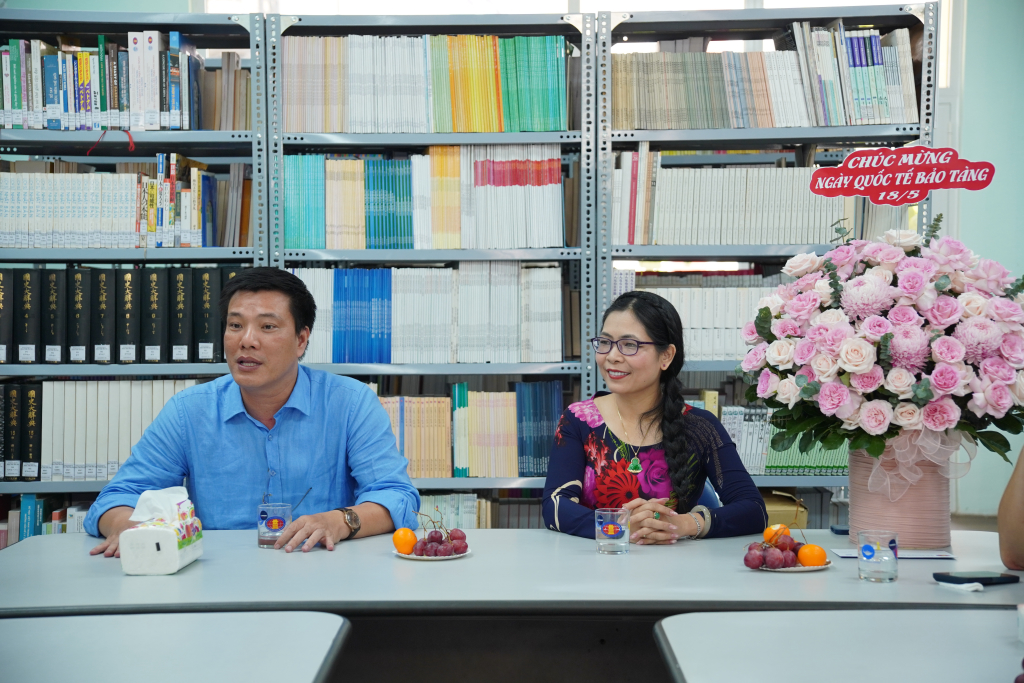
In the coming time, the Center for Information, Library and Museum will continue to promote the interdisciplinary strengths between information, library, and museum; push for activities serving training, research, traditional education, and academic communication; and simultaneously strengthen connections with collectors, lecturers, students, and the community, contributing to enriching the space of Humanistic knowledge within the University.
On the occasion of International Museum Day, May 18, the congratulatory activity of the University's leaders not only shows concern for the team working in preservation, conservation, and spreading heritage values, but also affirms the role of the Museum as a unique academic space, a place that connects the past with the present, connects knowledge with the community, and contributes to cultivating the Humanistic identity in the university environment.
NGUYEN QUYEN