Since August 2021, after more than 20 years of offering a regular undergraduate program in Vietnamese Studies exclusively for international students, the Faculty of Vietnamese Studies, University of Social Sciences and Humanities, Viet Nam National University Ho Chi Minh City began enrolling the first cohort of the regular undergraduate program in Vietnamese Studies for Vietnamese students with the training code 7310630. This is an undergraduate-level Vietnamese Studies training program, a regular full-time form of training lasting 04 years with a total course load of 128 credits. Upon graduation, students will be awarded a Bachelor of Vietnamese Studies degree conferred by the University of Social Sciences and Humanities, Viet Nam National University Ho Chi Minh City, with two professional orientations: Teaching Vietnamese to Foreigners and Tourism.
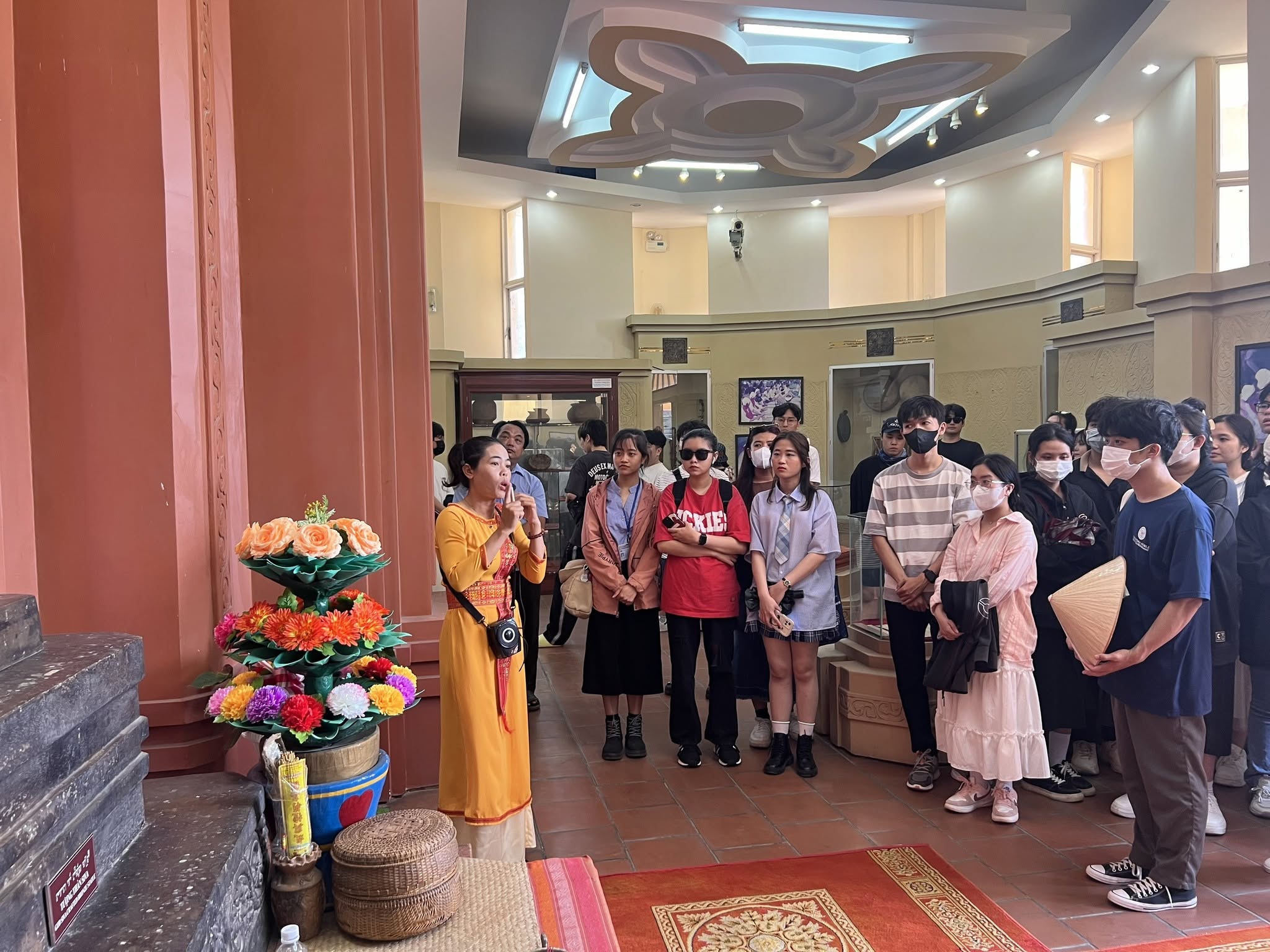
To date (March 2026), the Faculty of Vietnamese Studies, University of Social Sciences and Humanities, Viet Nam National University Ho Chi Minh City has enrolled 05 cohorts of Vietnamese students in Vietnamese Studies with a total of nearly 300 students admitted, and 54 students from the first cohort have already graduated.
The regular undergraduate training program in Vietnamese Studies was developed to train individuals with general knowledge in social sciences and humanities, a comprehensive understanding of the country and people of Vietnam, an overview of Vietnam in the regional and international context, professional working skills, and a sense of care and responsibility toward the development of the Vietnamese Studies field. From what has been learned and practiced, graduates can find suitable jobs, possess the ability to apply theoretical knowledge to professional practice, have a progressive spirit, self-learning ability, teamwork skills, and the capacity to adapt to working environments in Vietnam, those related to Vietnam, or multicultural international environments.
The specific objectives that the regular undergraduate training program in Vietnamese Studies will equip students with are as follows:
Regarding knowledge, students will be equipped with general knowledge of the social sciences and humanities field, with an interdisciplinary knowledge system and comprehensive knowledge about the country, people of Vietnam, and Vietnam's relations with the region, as well as in-depth knowledge of tourism studies and methods of teaching Vietnamese to foreigners.
Regarding skills, students will be equipped with dialectical thinking skills, creativity, flexibility, and proficiency in applying Vietnamese Studies research methods. At the same time, students will also be equipped with soft skills such as teamwork skills, communication skills, foreign language skills, informatics skills for data analysis and processing, argumentation, analytical and problem-solving skills, and the capacity for self-study and self-research. In addition, graduates in Vietnamese Studies are also equipped with professional personal skills and skills for working in interdisciplinary and multicultural fields, especially professional skills in tour guiding, Vietnamese Studies research, and teaching Vietnamese to foreigners.
Regarding spirit and attitude, students will be trained to have a sense of responsibility, initiative, creativity, objectivity, and caution in judgment, evaluation, and problem-solving; simultaneously possessing strong political will, a positive attitude, ethics, fairness, and a sense of service to the people and the Fatherland.
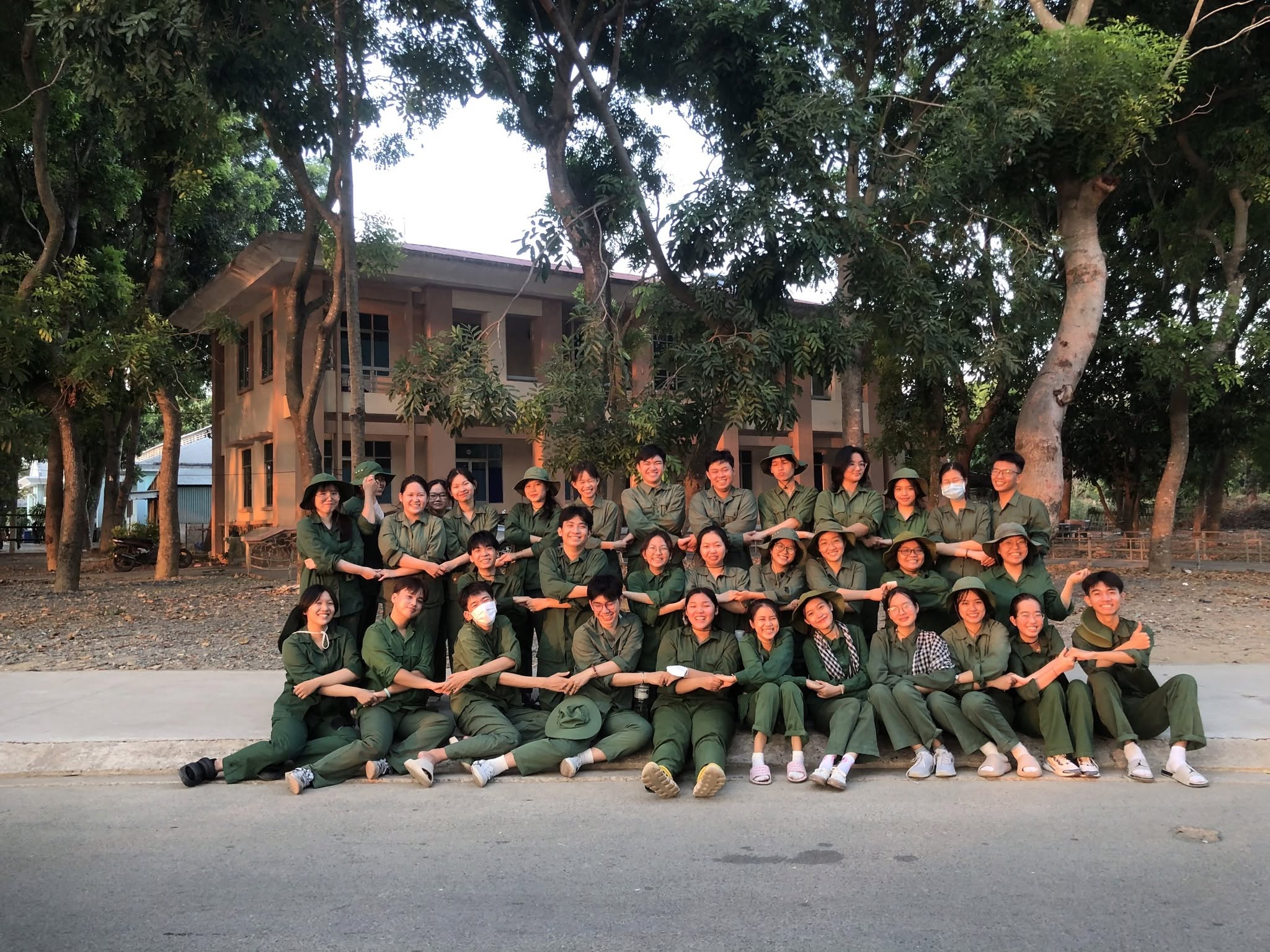
After graduation, Vietnamese Studies students can take on jobs such as conducting research on Vietnamese Studies and the Vietnamese language in educational agencies, research institutes, and non-governmental organizations; researching and teaching Vietnamese as a foreign language in educational institutions and centers teaching Vietnamese to foreigners; working in tourism companies, designing tour programs, managing tourism, and acting as domestic and international tour guides; and they can continue their studies in postgraduate programs (master's, doctoral) in Vietnamese Studies or other social science and humanities fields such as Linguistics, Cultural Studies, Vietnamese History, Anthropology, etc., at domestic and foreign institutions to become experts specializing in Vietnamese Studies research.