MỤC LỤC:
BOOK REVIEW: LEARNING VIETNAMESE THROUGH VIETNAMESE LITERATURE
A gateway to the Vietnamese soul
Lecturer/Researcher Nguyen Thi Lien Huong (Katie)
NTU – National Taiwan University
In today’s flow of integration, as Vietnam becomes a meeting point for many cultures, the Vietnamese language and Vietnamese studies are receiving increasing attention at many universities in the United States, France, Japan, South Korea, Taiwan, etc. However, in the process of teaching international students, a reality has become increasingly clear: to truly understand Vietnamese, one cannot stop at grammar or daily communication. To reach the depth of culture and the "soul" of the Vietnamese people, learners need to pass through the door of literature.
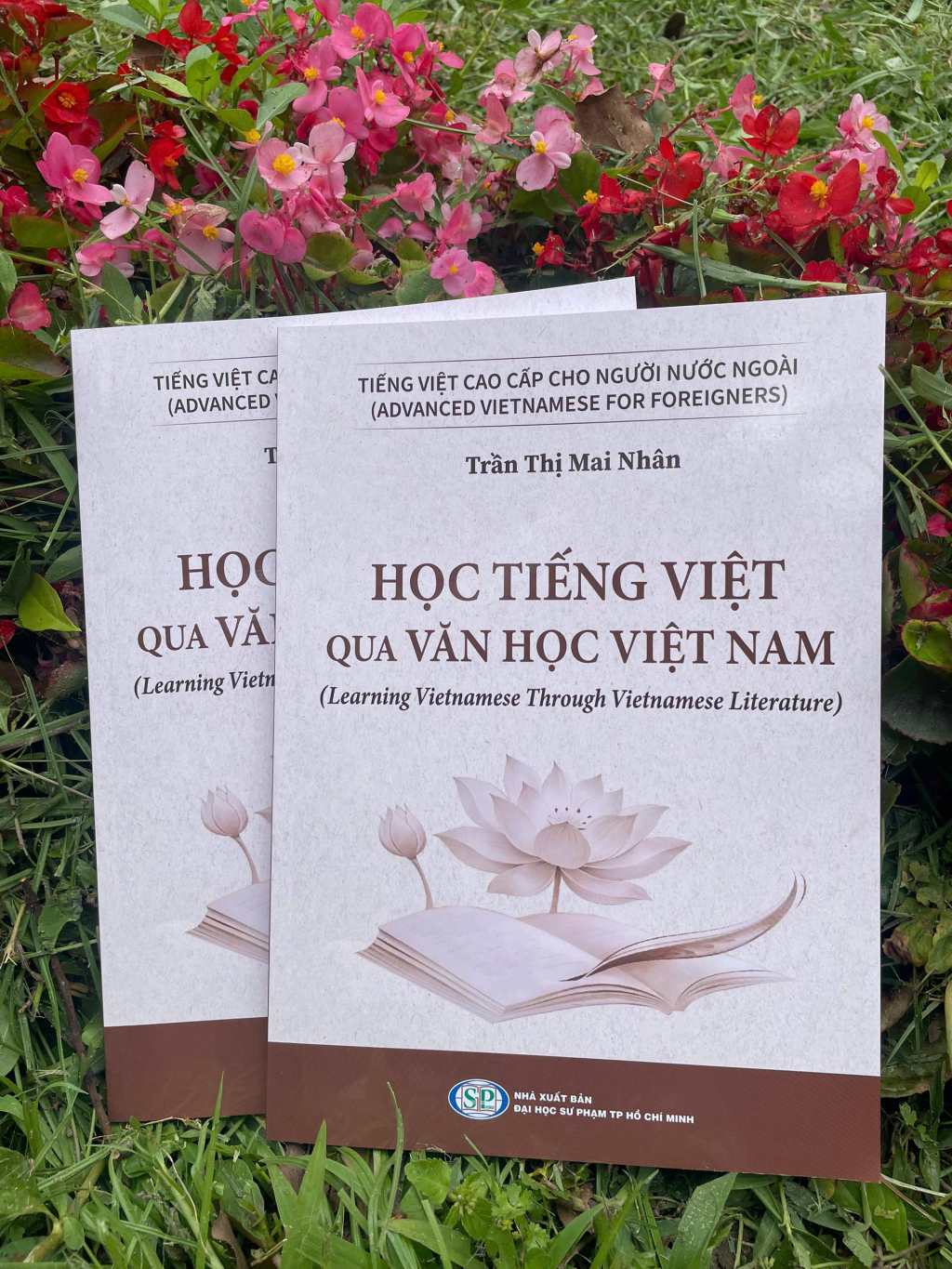
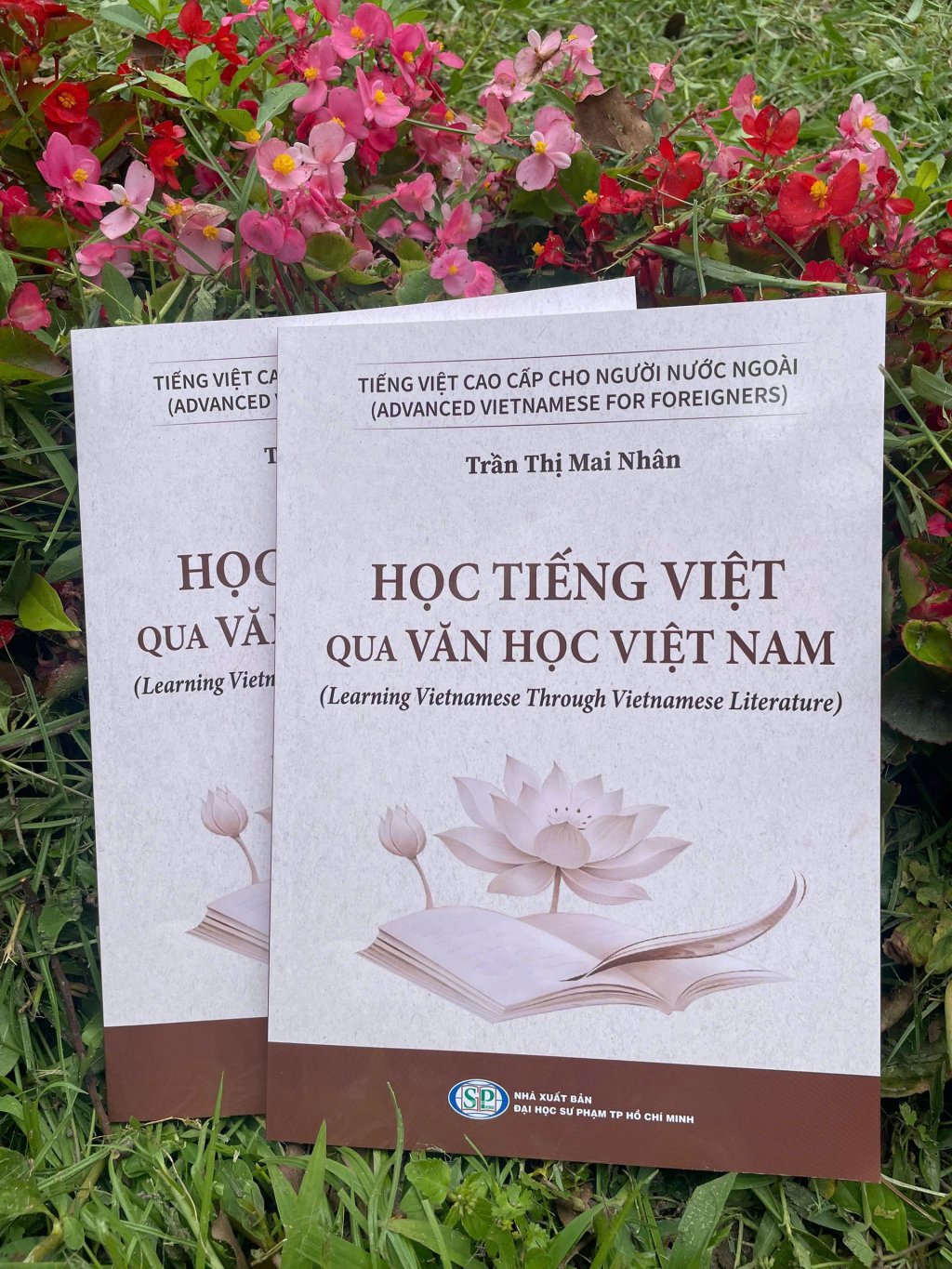
From that concern, Dr. Tran Thi Mai Nhan has compiled the textbook Learning Vietnamese through Vietnamese Literature — a work that not only serves language learning but also opens up an integrated approach between the Vietnamese language and culture.
A life dedicated to literature and teaching Vietnamese studies
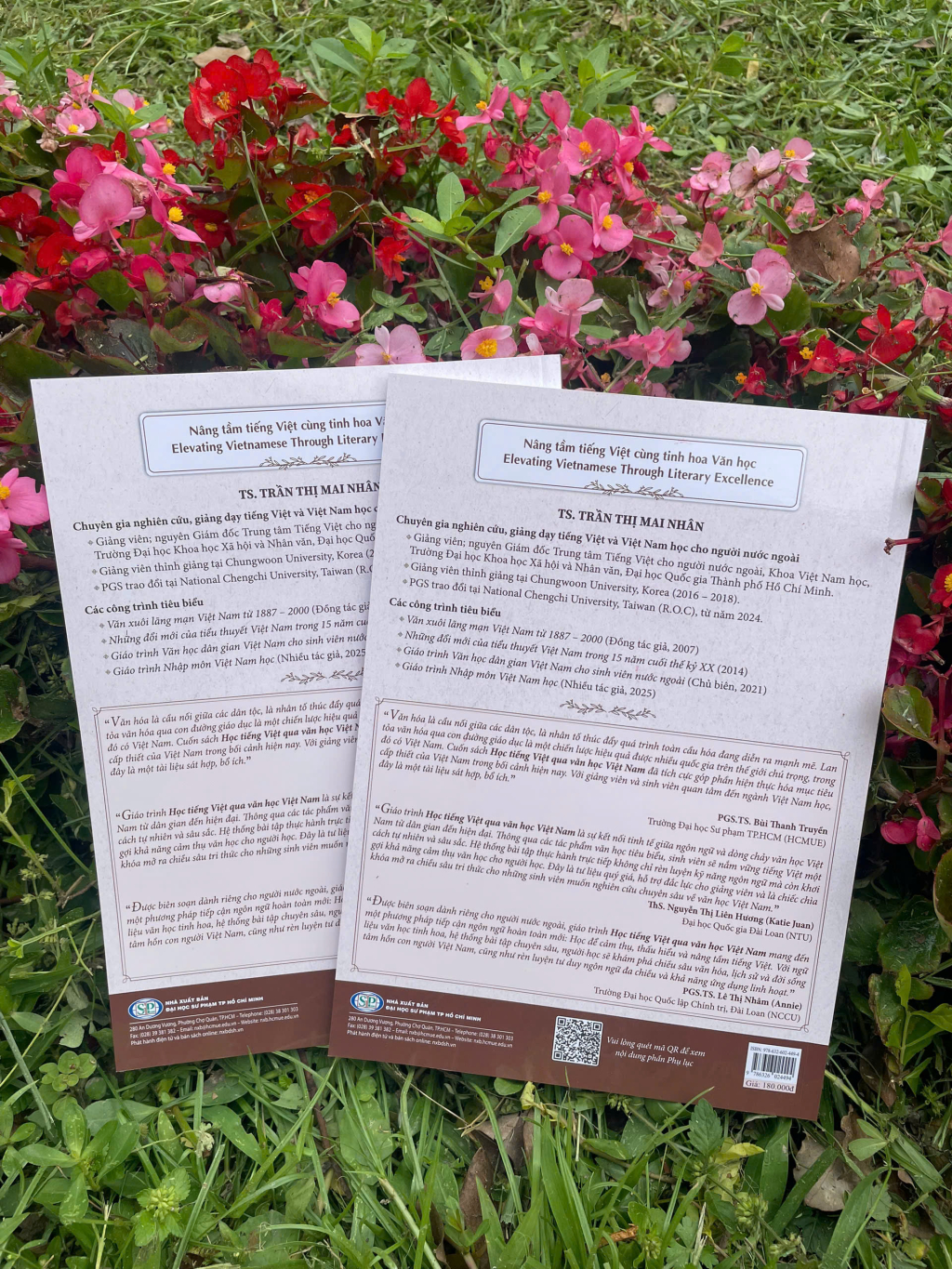
Born in 1970 in Quang Nam — a land rich in cultural traditions and a passion for learning — Dr. Tran Thi Mai Nhan graduated from the Faculty of Literature at Hue University of Education in 1992; received a Master's degree in Literature at Ho Chi Minh City University of Education in 1997 and a PhD in Literature at the University of Social Sciences and Humanities, Viet Nam National University Ho Chi Minh City in 2008. Currently, she is a lecturer at the Faculty of Vietnamese Studies, University of Social Sciences and Humanities, Viet Nam National University Ho Chi Minh City.
Many years of teaching international students in Vietnam and several Asian institutions such as those in South Korea and Taiwan have helped her understand the difficulties learners face when approaching Vietnamese literature — a system that is both rich in artistry and contains many layers of culture and history. It is this experience that has created a textbook that is not only academic but also rich in pedagogy and empathy.
Literature – where the Vietnamese language is most clearly reflected
It is no coincidence that literature is likened to a "mirror reflecting life". Indeed, from folk verses and proverbs to modern works, Vietnamese literature has always preserved the spiritual memories of the nation through many historical ups and downs.
It contains the human sighs in The Tale of Kieu by Nguyen Du; the patriotism and mettle in the poetry and prose of Nguyen Trai; and the profound obsessions of social life in the works of Nguyen Huy Thiep... These values show that literature is not only the art of language but also the deepest reflection of the soul, history, and identity of the Vietnamese people.
A textbook built from practical teaching experience
The highlight of Learning Vietnamese through Vietnamese Literature is the pedagogical structure systematically organized according to the progress of Vietnamese literature.
The textbook consists of 14 lessons, guiding learners through the history of Vietnamese literature in a selective manner suited to the proficiency of foreign learners. Instead of delving into complex theories, the author selects typical texts, helping learners approach literature as a continuous cultural flow.
In the folk literature section, learners are introduced to proverbs, folk verses, folk songs, and familiar legends such as An Duong Vuong and Mi Chau – Trong Thuy, Thanh Giong, the fairy tale Tam Cam, or fables like Frog at the bottom of the well, Blind men describing an elephant,... This is a treasure trove reflecting folk wisdom, moral principles, and the rustic soul of the Vietnamese people.
In the medieval literature section, the textbook introduces representative works such as Nam Quoc Son Ha, Binh Ngo Dai Cao, The Tale of Kieu, Floating Rice Cake, Luc Van Tien... Through these, learners can clearly perceive the patriotism, national consciousness, and the expressive beauty of the classical Vietnamese language.
In the modern and contemporary literature section, the author selects works such as Chi Pheo (Nam Cao), Two Children (Thach Lam), The Ivory Comb (Nguyen Quang Sang), Distant Stars (Le Minh Khue), Reeds (Nguyen Minh Chau), Salt of the Forest (Nguyen Huy Thiep), or The Mortal Shore by Luu Son Minh. These works open up a multi-dimensional view of the fate of Vietnamese people in the context of historical upheavals, wars, and the spiritual life of modern Vietnamese society.
This systematic approach helps learners engage with literature as an integrated whole evolving through history.
Each lesson is designed with a clear and accessible structure:
Introduction
Text
Content Comprehension
Vietnamese Practice
New Vocabulary
In particular, the exercise system is built directly from literary materials, helping learners approach Vietnamese in a natural context instead of through disjointed structures. As a result, language learning becomes vivid, emotional, and connected to culture.
Additionally, the textbook integrates QR codes leading to an Appendix containing summaries of works and answer keys, effectively supporting self-study in the digital age, especially suitable for international students and the young generation of Vietnamese descent.
A cultural bridge opening up many paths forward
In the context of globalization, when many languages are at risk of a shrinking scope of use, the appearance of the textbook Learning Vietnamese through Vietnamese Literature is significant. The work contributes to affirming that Vietnamese is not only a means of communication but also a system of cultural signs containing the ideology and humanistic values of the community.
Vietnamese literature, with its increasingly widespread reception through translations, has gradually asserted its position in international cultural dialogue. On that foundation, the textbook can be seen as a starting point for the approach of teaching Vietnamese through literature, while also suggesting the possibility of expanding the system of teaching materials at higher levels. Supplementing and selecting additional typical works of modern literature such as Lights Out, Endless Fields, The Retired General... will contribute to enriching the picture of Vietnamese literature in teaching Vietnamese as a foreign language.
With an approach that combines applied linguistics and cultural studies, Dr. Tran Thi Mai Nhan's textbook can be seen as a contribution to connecting Vietnamese literature with the international academic space, thereby expanding the potential for reception and research of the Vietnamese language in a global environment.
Book information
Title: Học tiếng Việt qua văn học Việt Nam (Advanced Vietnamese Through Vietnamese Literature)
Author: Dr. Tran Thi Mai Nhan. Email: tranmainhan@hcmussh.edu.vn
Publisher: Ho Chi Minh City University of Education Publishing House
Cover price: 180,000 VND