Table of contents:
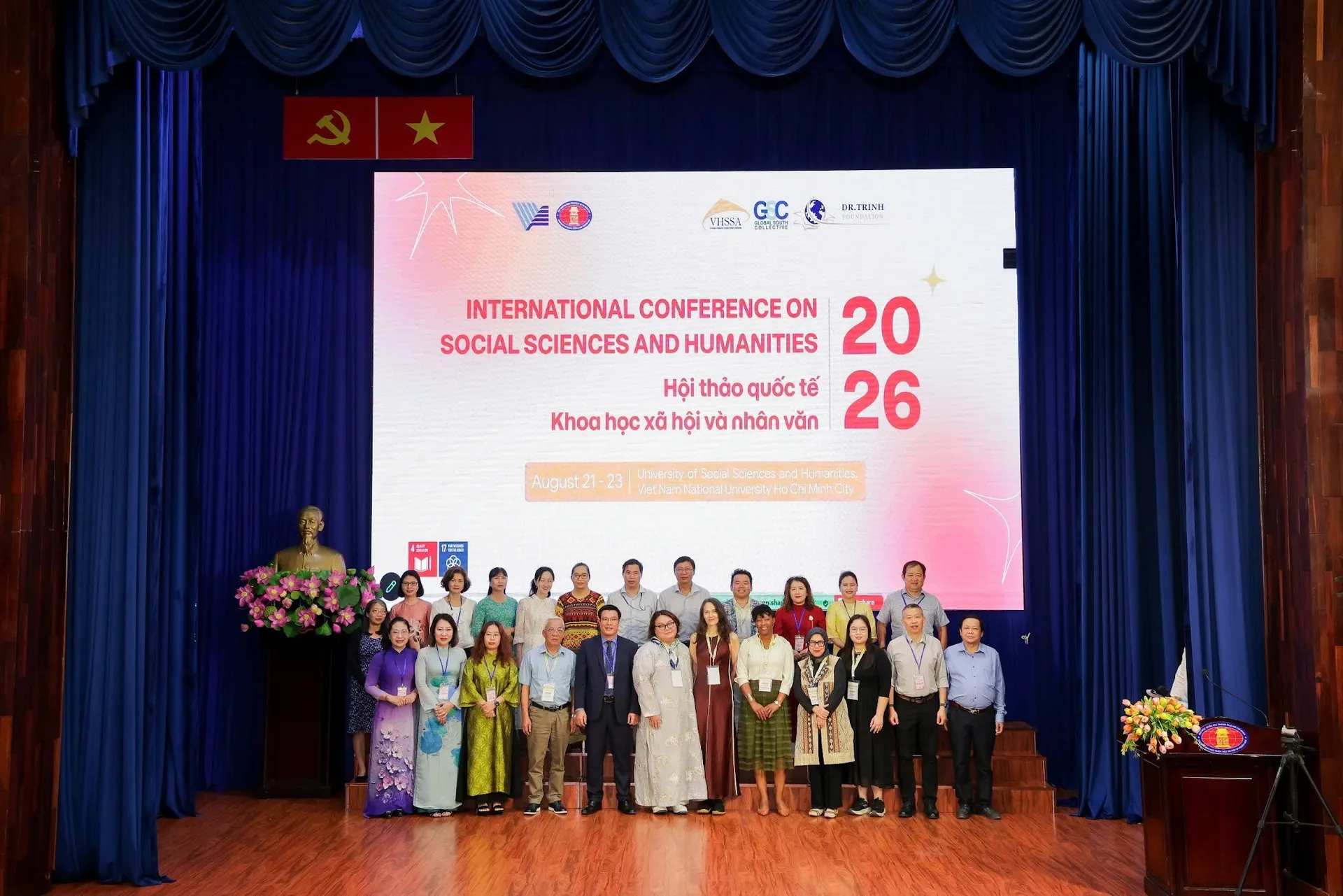
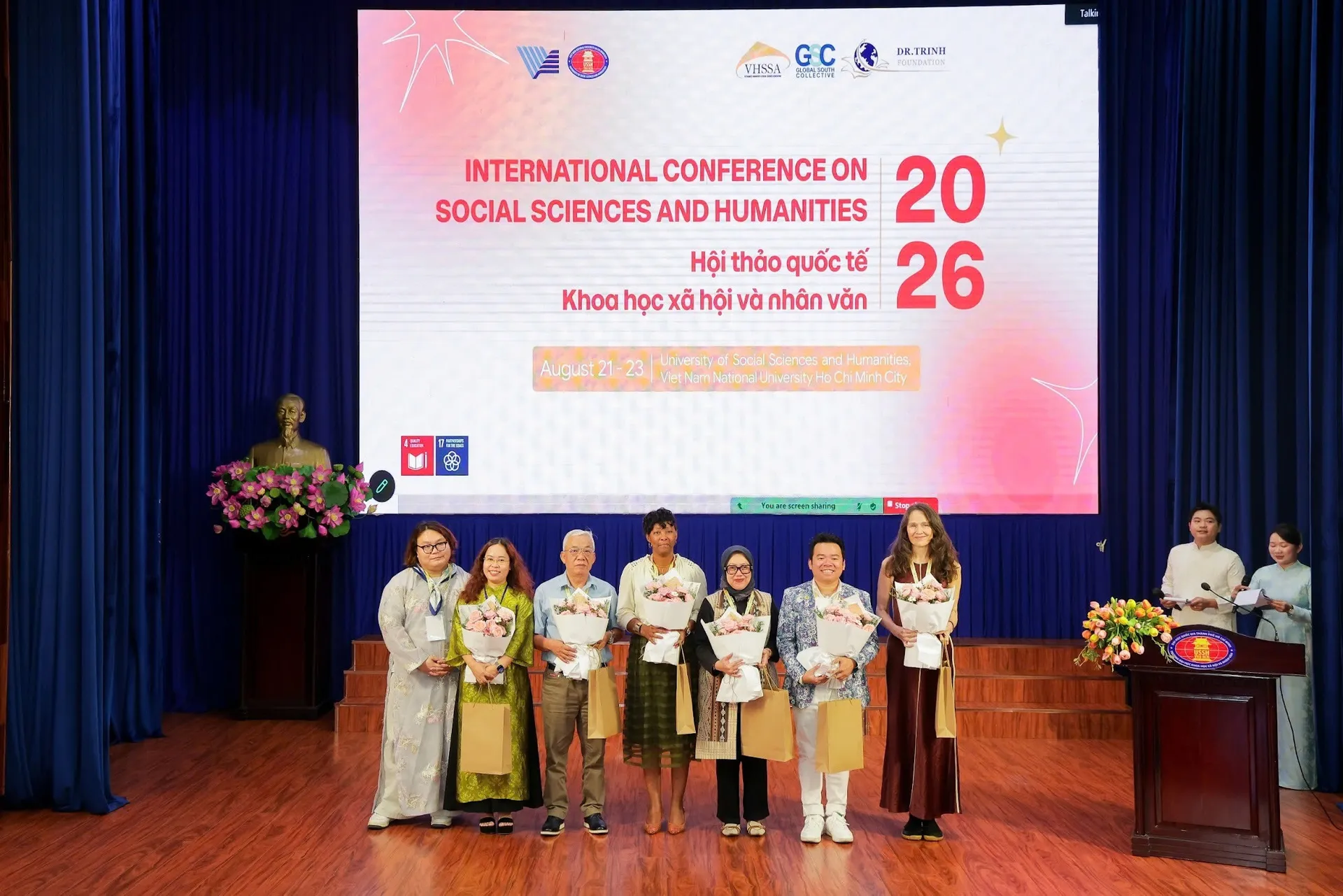
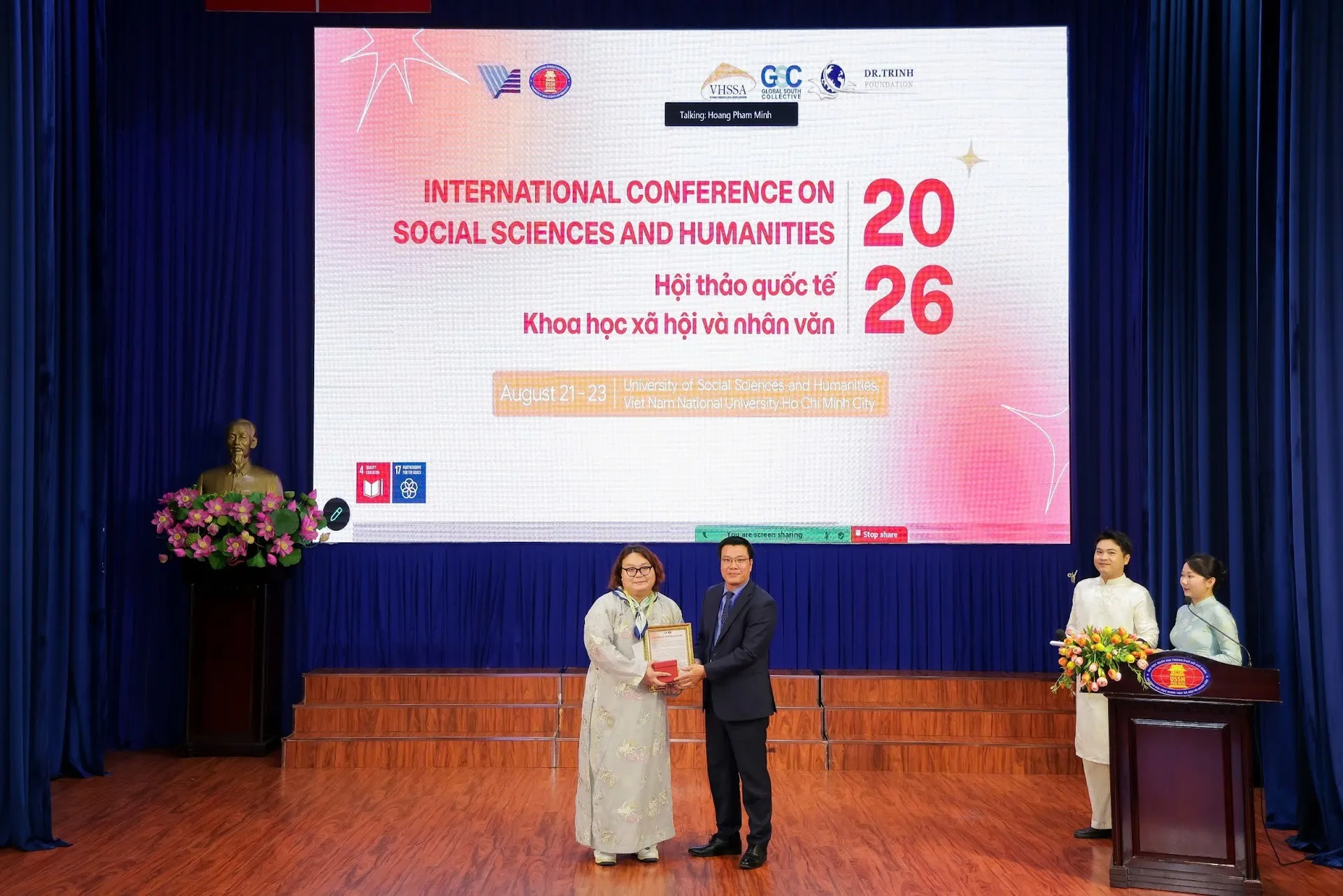
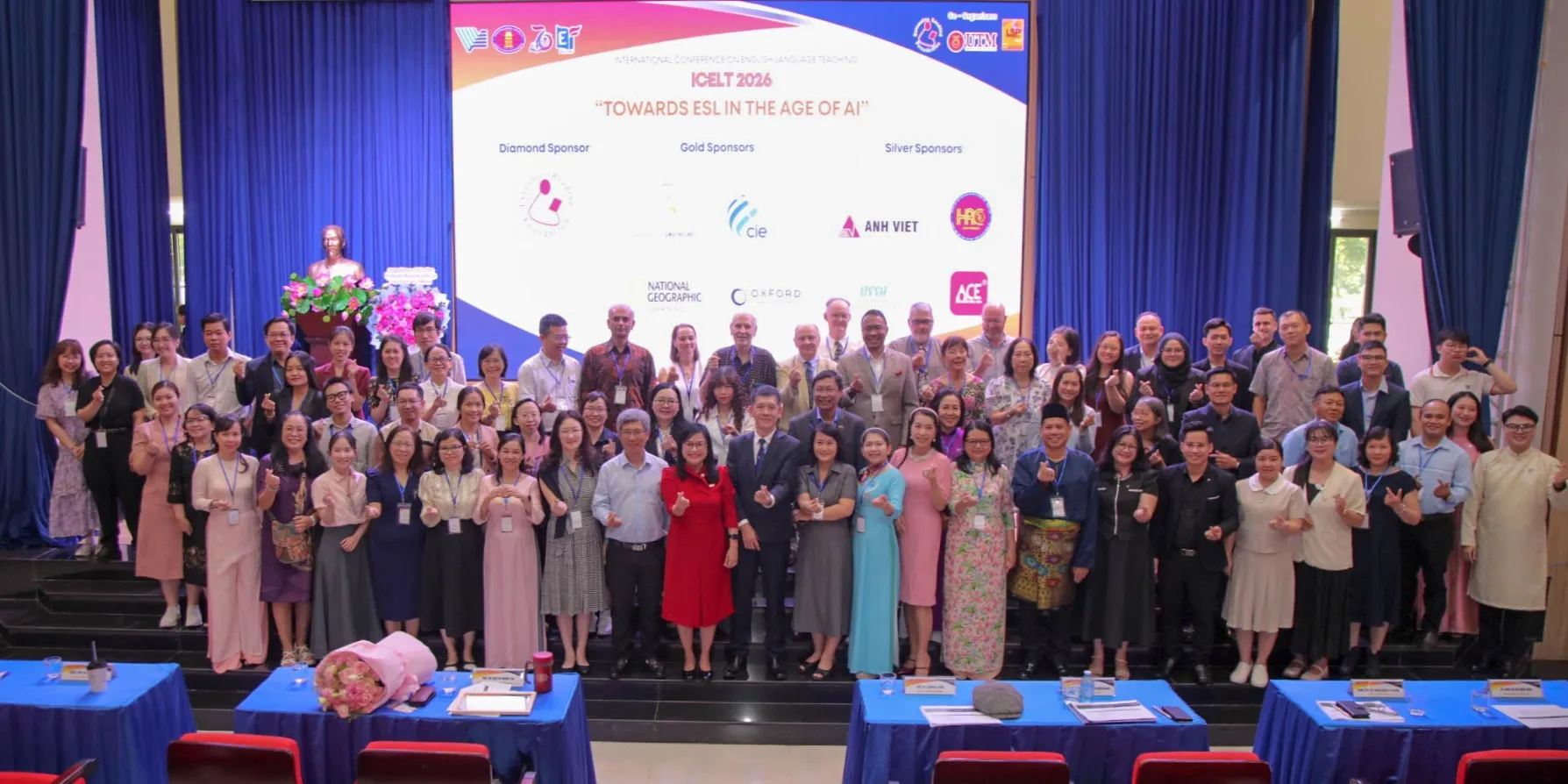
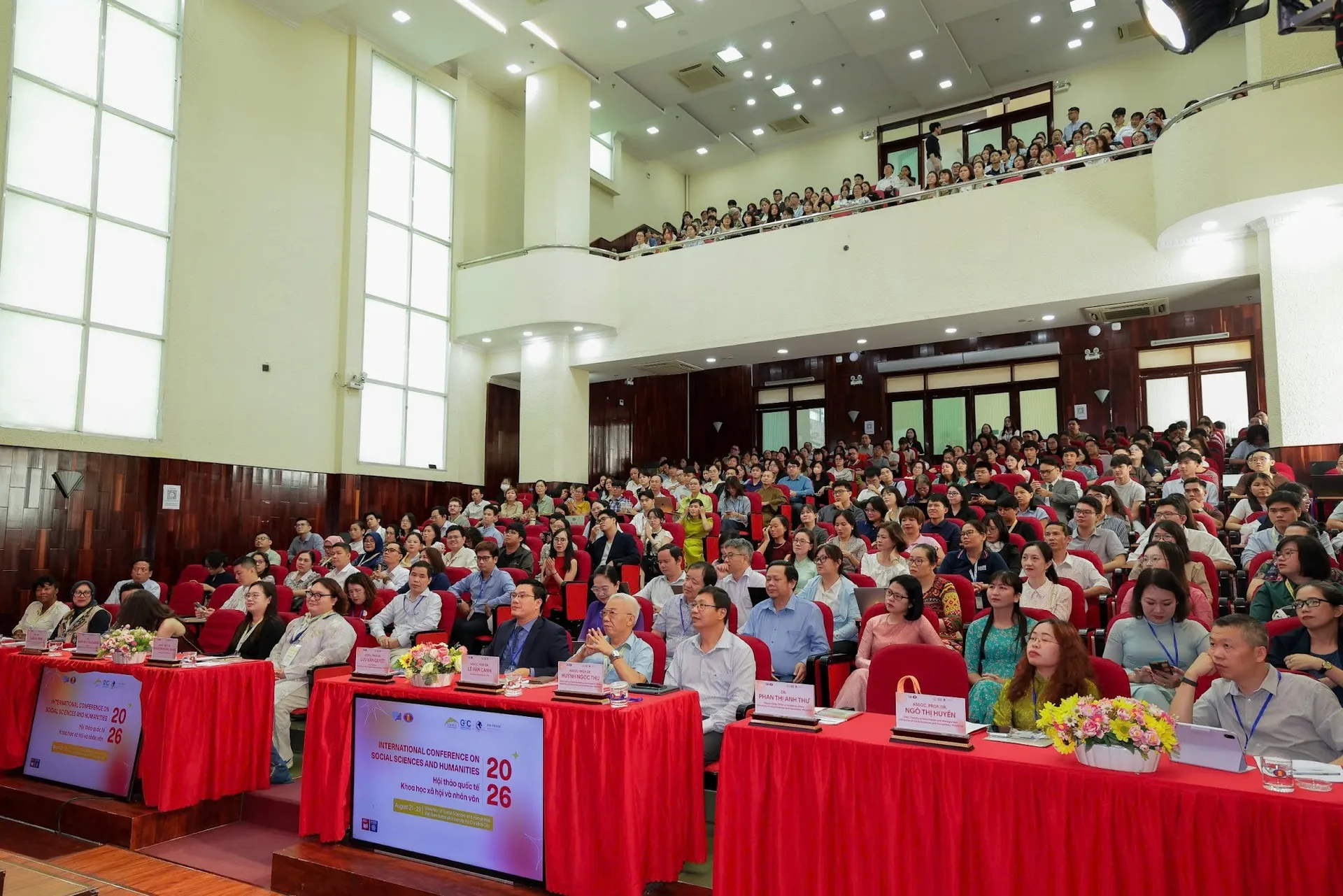
The 2026 International Conference on Social Sciences and Humanities (USSH-ICSSH 2026) opened on August 21 at the Saigon Campus of USSH, VNU-HCM. Co-organized by USSH and the Global South Research Group, the conference brought together scholars, researchers and students from Vietnam and abroad to exchange ideas, explore emerging approaches in the social sciences and humanities, and foster cross-border research collaboration.
Expanding Research Space and Strengthening International Academic Connections
In his opening remarks, Assoc. Prof. Dr. Luu Van Quyet, Vice President of USSH, emphasized that the conference not only serves as a platform for international academic exchange but is also closely aligned with USSH’s strategic direction of promoting research, linking research with postgraduate education, and strengthening international academic cooperation.
Assoc. Prof. Dr. Luu Van Quyet noted that this year’s conference, which focuses on emotions and their multiplicity, further expands the research space by exploring the connections between emotions and social, cultural, historical and educational issues, as well as inequality, mobility, identity and social change.
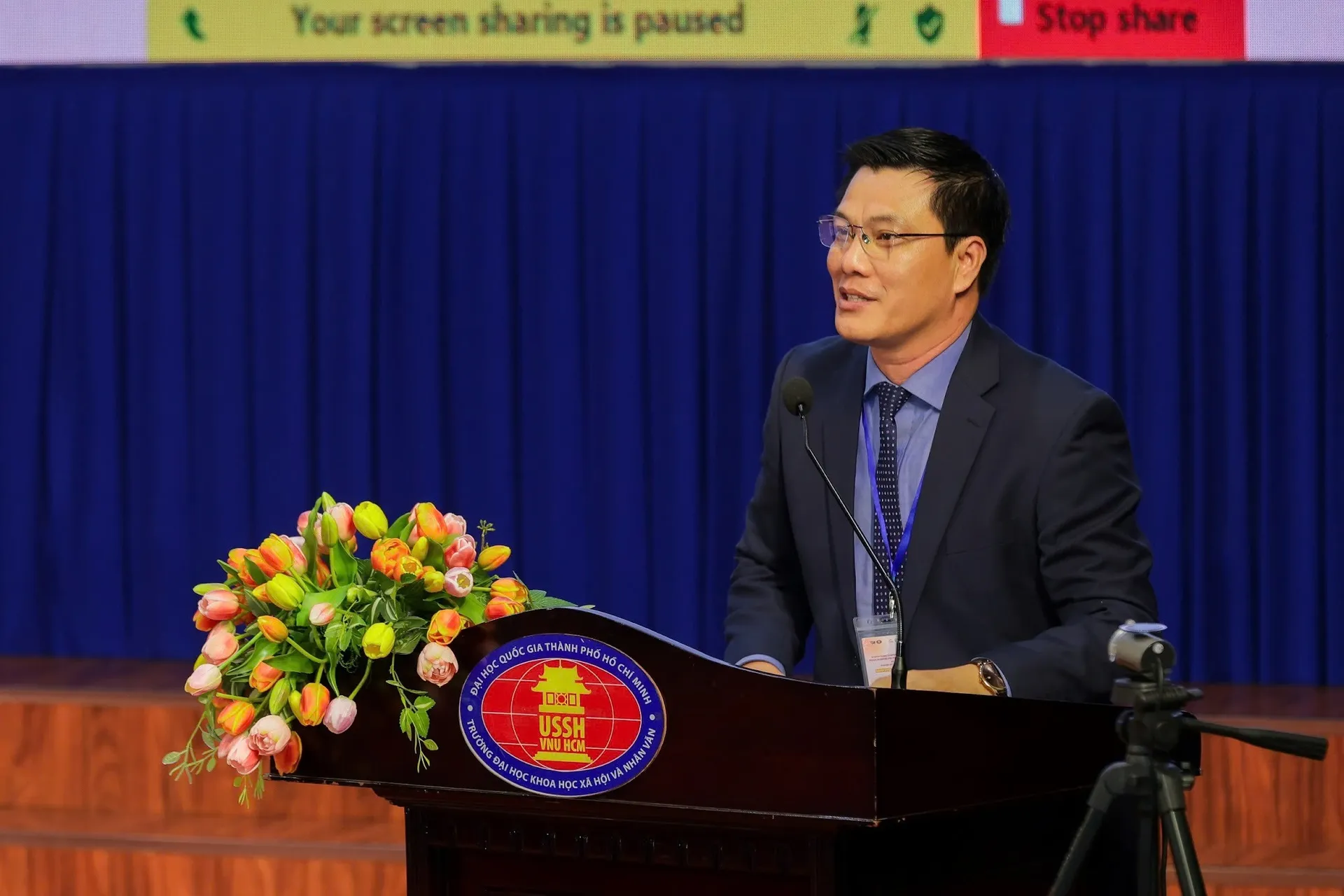
Assoc. Prof. Dr. Luu Van Quyet outlined three key academic priorities for the conference: further clarifying and strengthening the conceptual, theoretical and methodological foundations of Global South studies; promoting interdisciplinary and comparative research; and translating academic exchanges into lasting research connections and collaborations. He noted that the value of an international conference lies not merely in the number of papers presented or sessions held, but also in its ability to generate new research questions, promising research directions, joint publications, and collaborative networks among scholars and research and educational institutions.
USSH also emphasised the close integration of research and postgraduate education. For master’s students and doctoral candidates, an international academic forum offers more than an opportunity to present research findings. It also provides a platform for scholarly exchange, constructive feedback, and exposure to diverse research methods and traditions, helping them strengthen their research capabilities and engage more effectively with the international academic community.
Assoc. Prof. Dr. Luu Van Quyet stressed that “international cooperation is meaningful only when it helps strengthen research capacity and connect generations of scholars”, while also generating knowledge that engages with international scholarship and is rooted in and responsive to society’s practical needs.
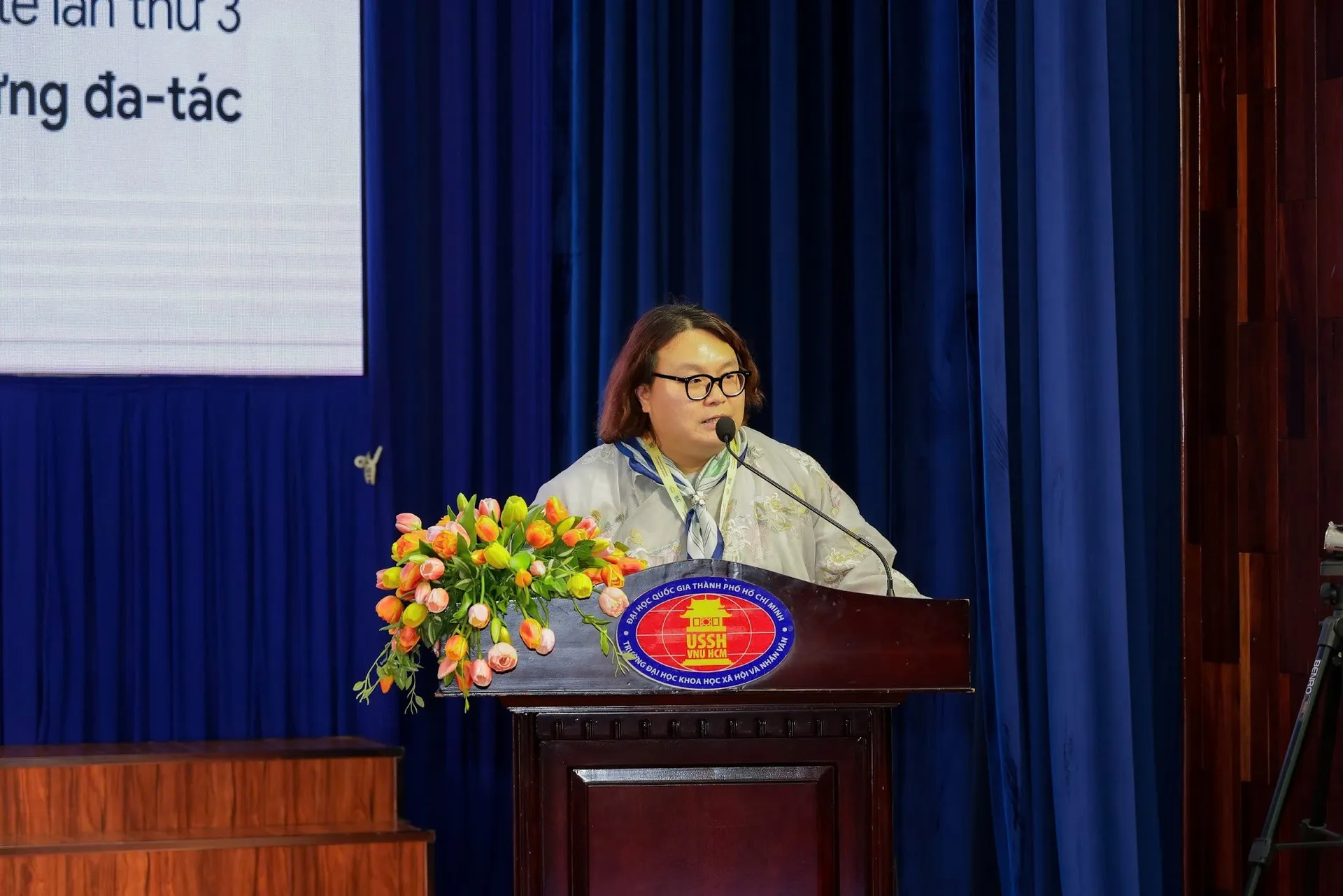
In her welcome remarks, Assoc. Prof. Dr. Le Nguyen Hoang Giang, Head of the Global South Research Group, introduced the theme of the 3rd International Conference on Global South Studies: “Emotions & Emotionality: The Multi-Affects of the Global South”. She noted that the conference offers an alternative approach to emotions, exploring whether they can serve as a means of perceiving and interpreting the world beyond being merely personal and subjective states. From this perspective, the Global South extends beyond geography to encompass history, inequality, colonial encounters, migration, language, culture, memory and knowledge marginalized by dominant academic traditions. Emotions in these contexts can be both personal and collective, embodying both trauma and hope, reinforcing power structures while also fostering resistance and a sense of belonging.
New Approaches: From Emotions to AI
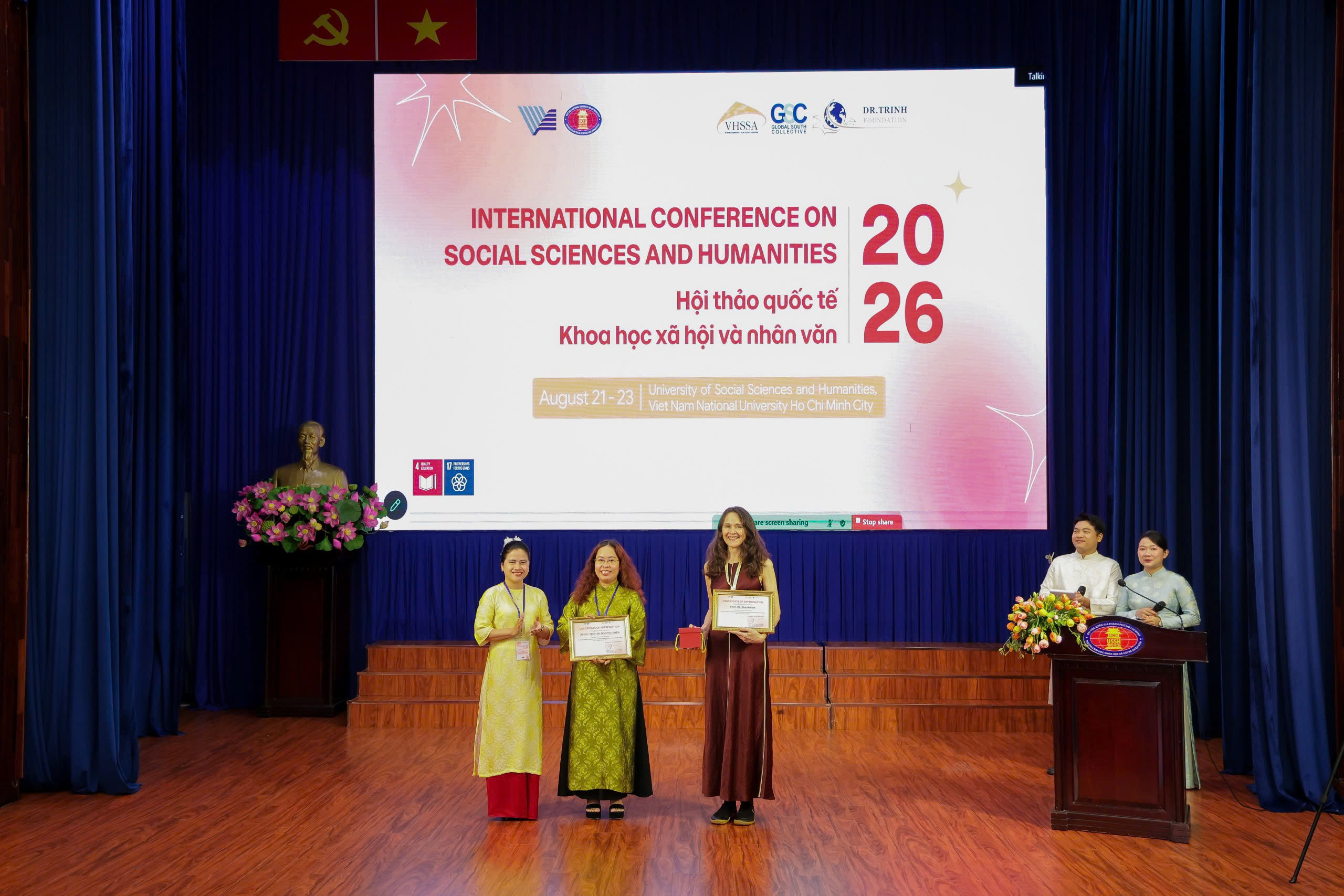
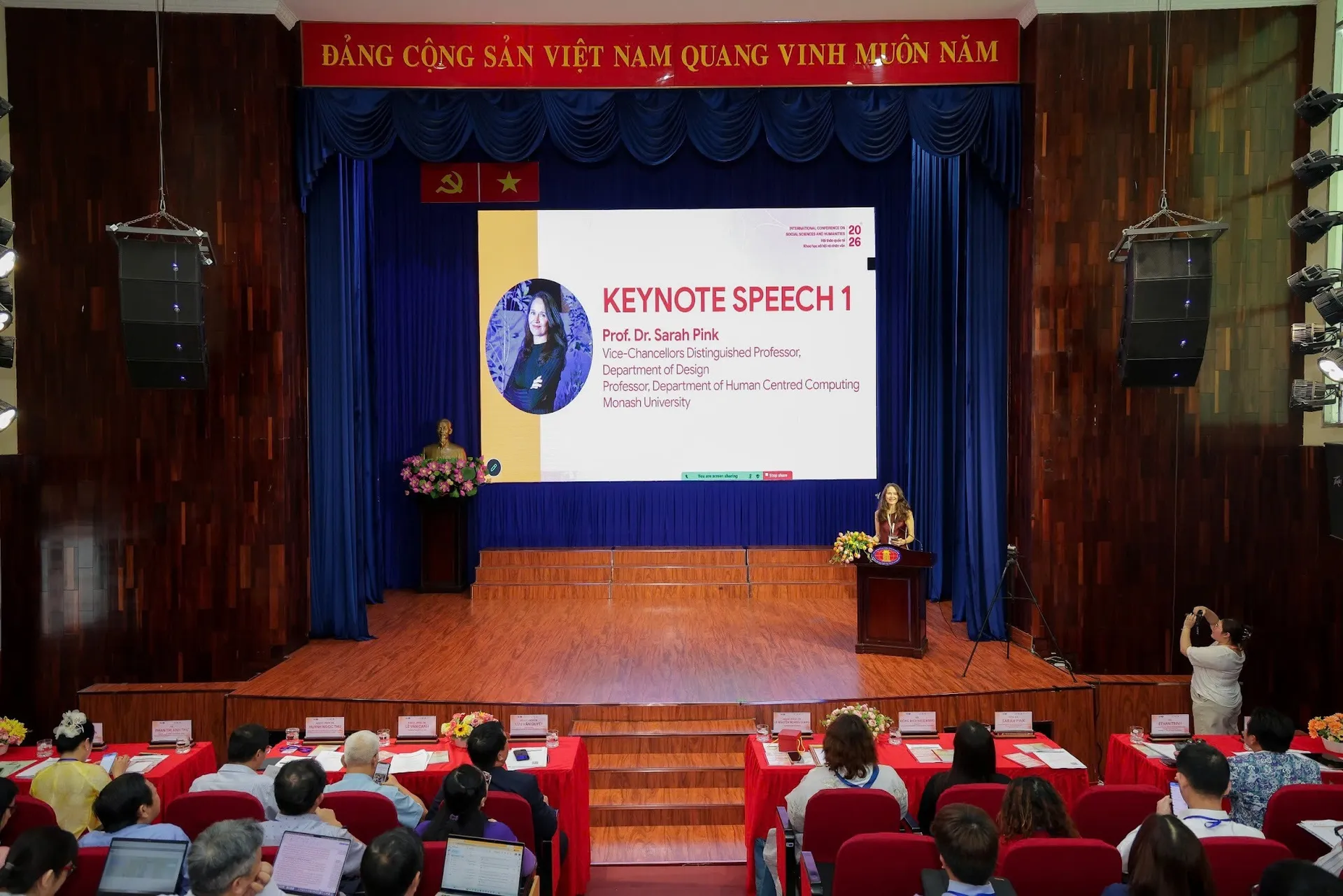
At the plenary session, delegates heard two keynote presentations examining contemporary issues in the social sciences and humanities from different perspectives. Prof. Dr. Sarah Pink of Monash University, Australia, presented “Feeling Possible Futures: Anticipating Future Emotional Life,” exploring how people can study and imagine the future through sensory and emotional experiences.
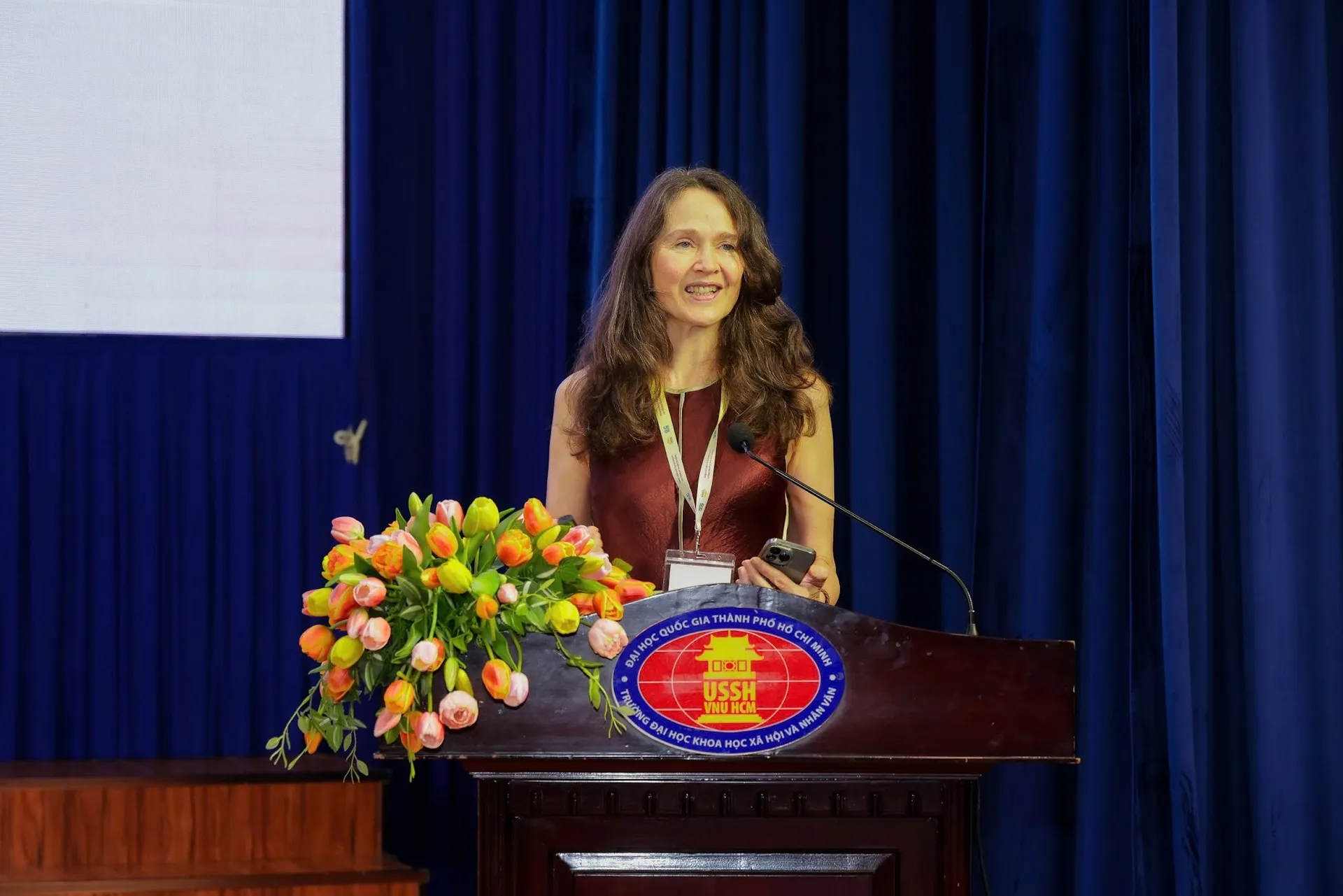
Through research projects and creative practice, Professor Sarah Pink highlighted the connections between sensory experiences, emotions, memory, the present and future possibilities. She called for research into ethical, inclusive, caring and trustworthy futures, in which human experiences are considered alongside technological scenarios and predictions about the future.
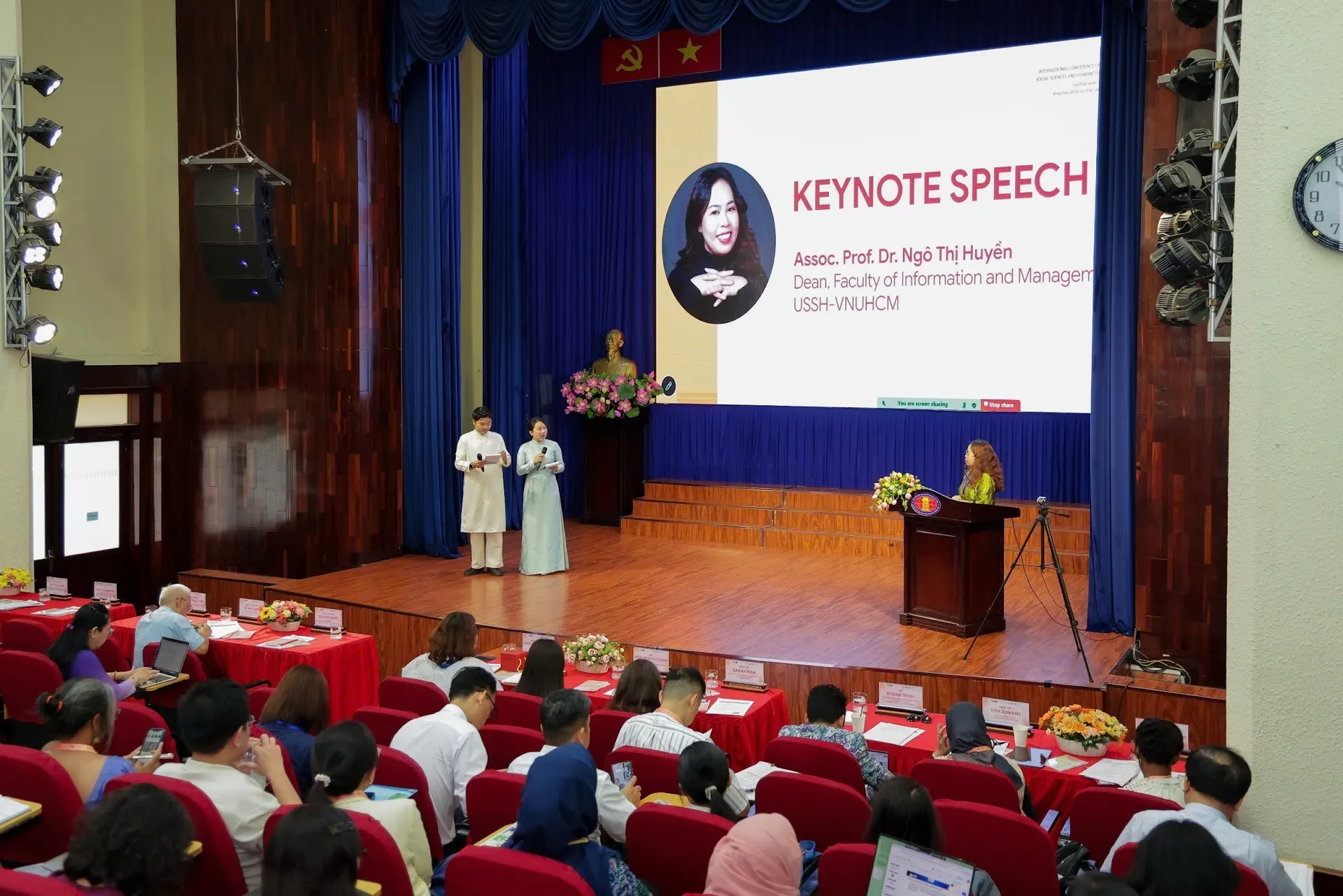
In the second keynote address, Assoc. Prof. Dr. Ngo Thi Huyen, Dean of the Faculty of Information and Management, presented “Beyond the Prompt: Rethinking AI Literacy for Social Sciences and Humanities Research.” As AI becomes increasingly prevalent in research, concerns over its reliability have highlighted the need for an AI literacy framework tailored to the social sciences and humanities, which engage not only with information but also with language, society, human experiences and the interpretation of meaning.
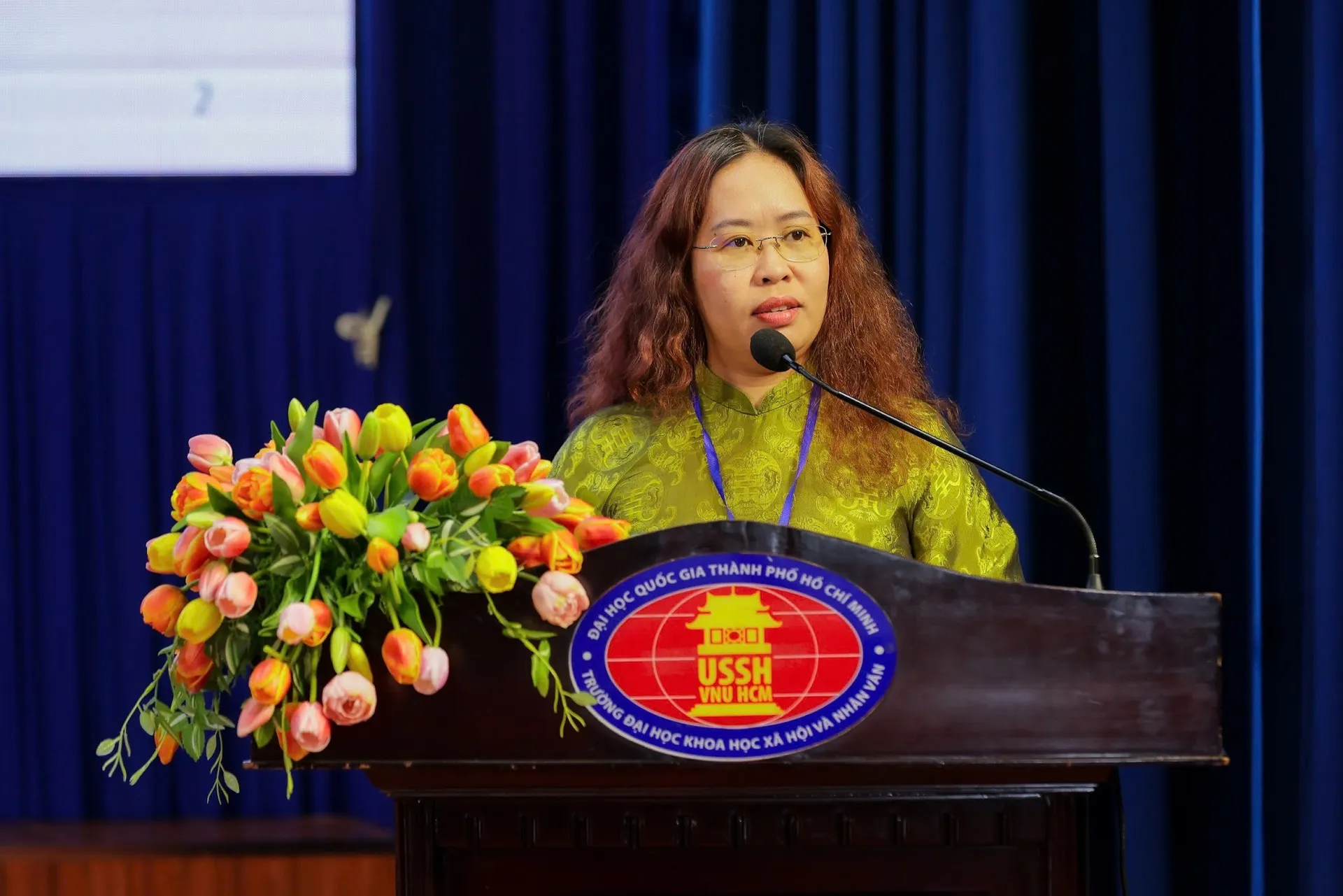
She also proposed four dimensions of AI capabilities: technical skills, critical thinking, ethics, and interpretation and contextualization. She highlighted the ability to interpret AI-generated outputs and place them within a research context as particularly important in the social sciences and humanities. AI, she noted, should support rather than replace researchers’ thinking, and its use should be integrated into research methodology training, academic supervision and institutional policies.
She also proposed three questions to help researchers critically assess their use of AI: Can they explain why AI-generated outputs are relevant to a specific research context? If the AI contribution were removed, what would remain of the researchers’ own thinking and original contribution? Have they been transparent with their supervisors or readers about their use of AI? These questions help clarify the boundary between AI as a research aid and AI as a substitute for human thinking.
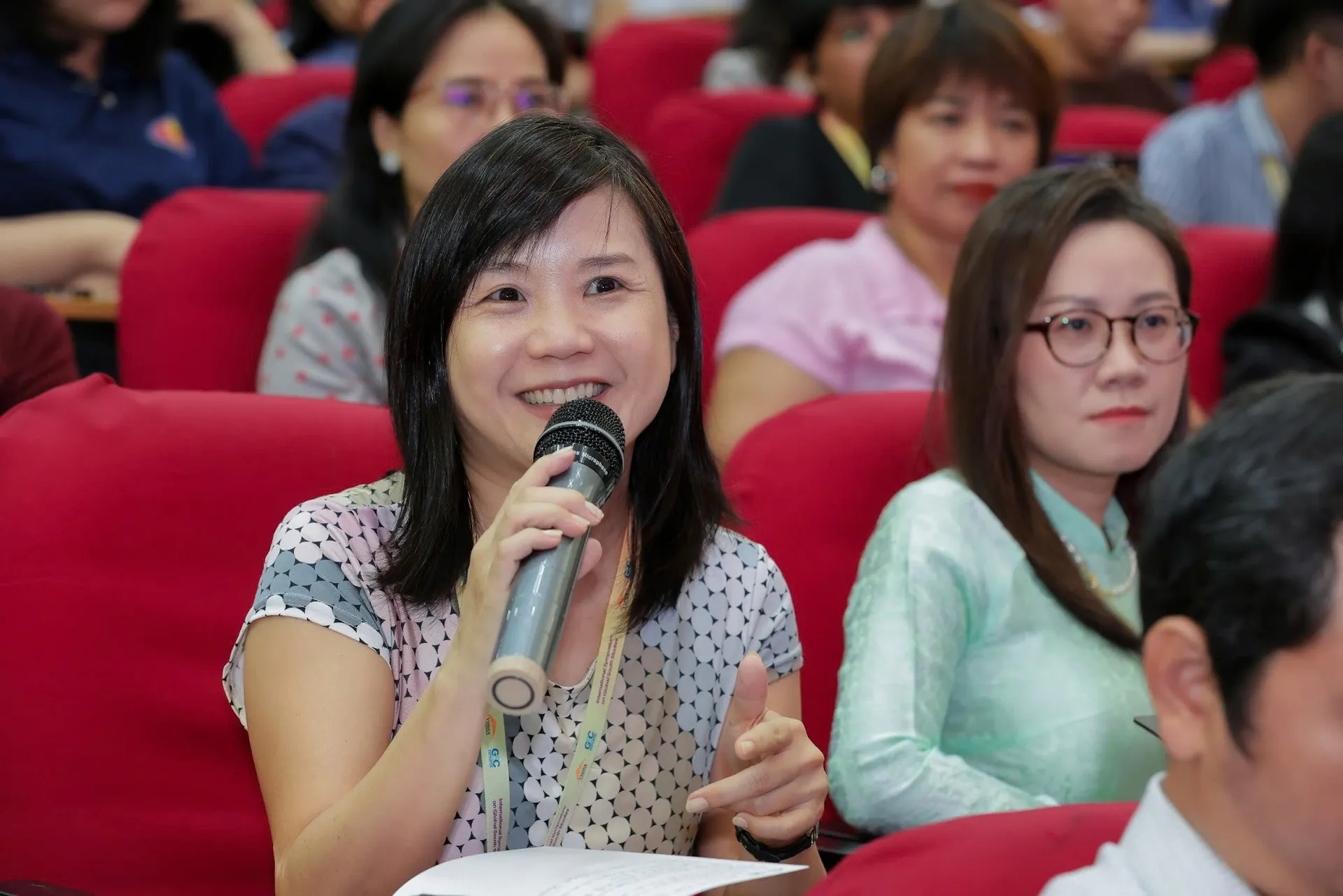
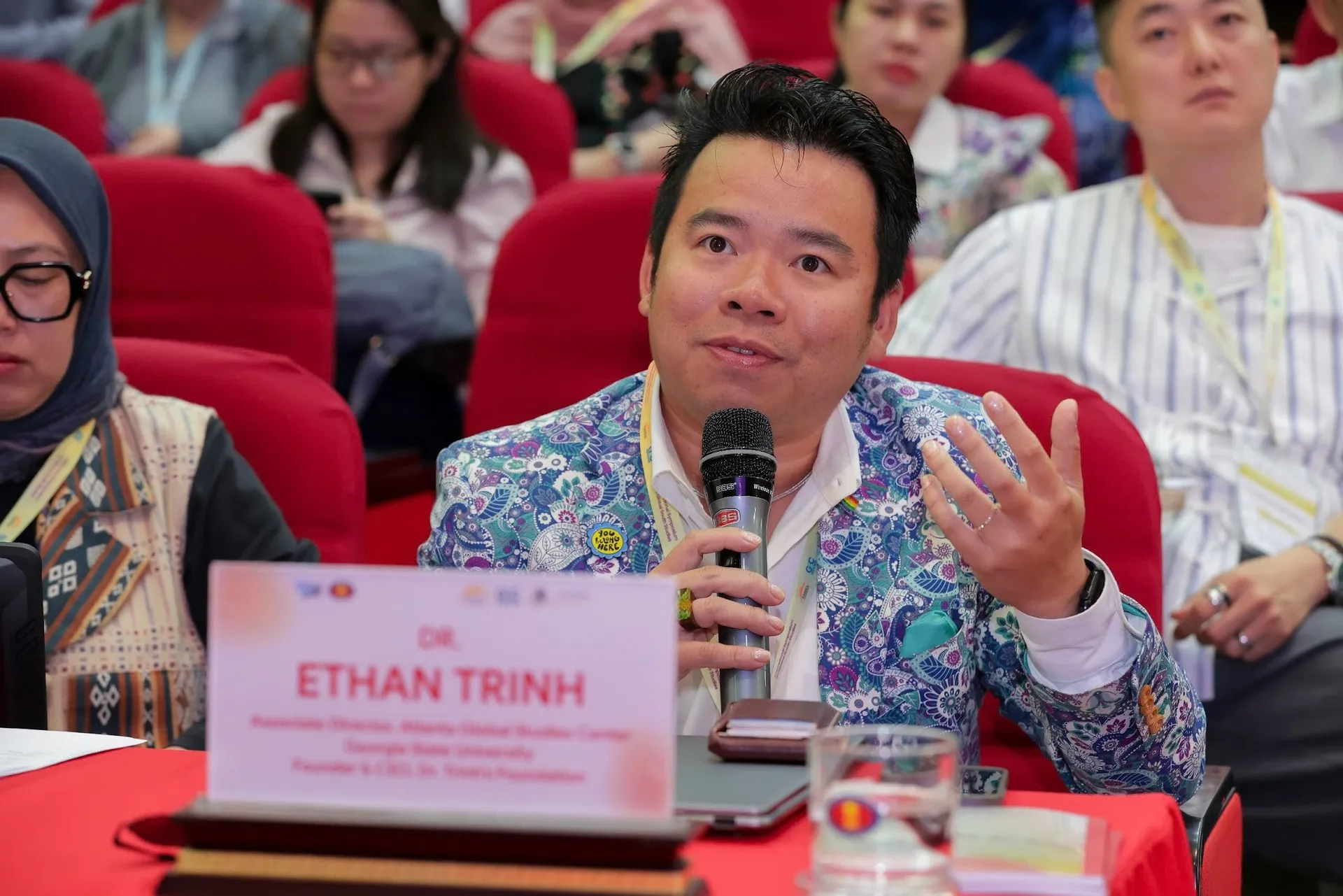
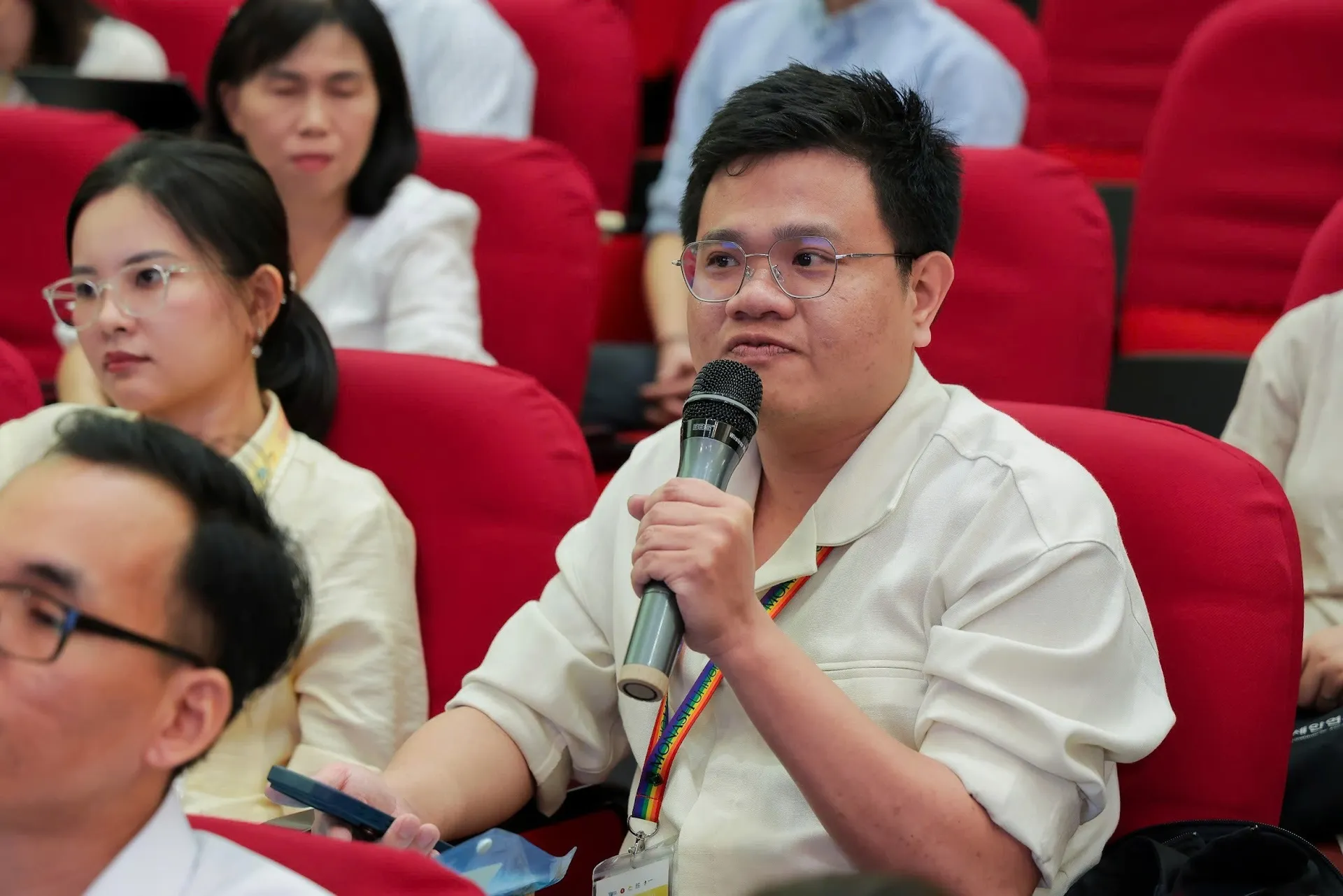
Following the plenary session, the conference continued with parallel thematic sessions spanning a broad range of disciplines, including journalism and communication, social work, anthropology, sociology, Oriental studies, education and psychology, history and international relations, TESOL, philosophy, cultural studies, gender studies, literature and Vietnamese studies. The sessions brought together master’s students, doctoral candidates and researchers to present their findings, exchange academic insights and engage in scholarly discussion and peer feedback.