On October 16 and 17, 2026, the Faculty of English Linguistics and Literature, University of Social Sciences and Humanities, Viet Nam National University Ho Chi Minh City organized the 8th International Conference on English Language Teaching (ICELT 2026) at the Linh Xuan campus and Grand Saigon Hotel with the theme “Towards English as a second language in the era of artificial intelligence”. This large-scale event focused on discussing teaching trends, technology integration, intercultural communication, and sustainable development.
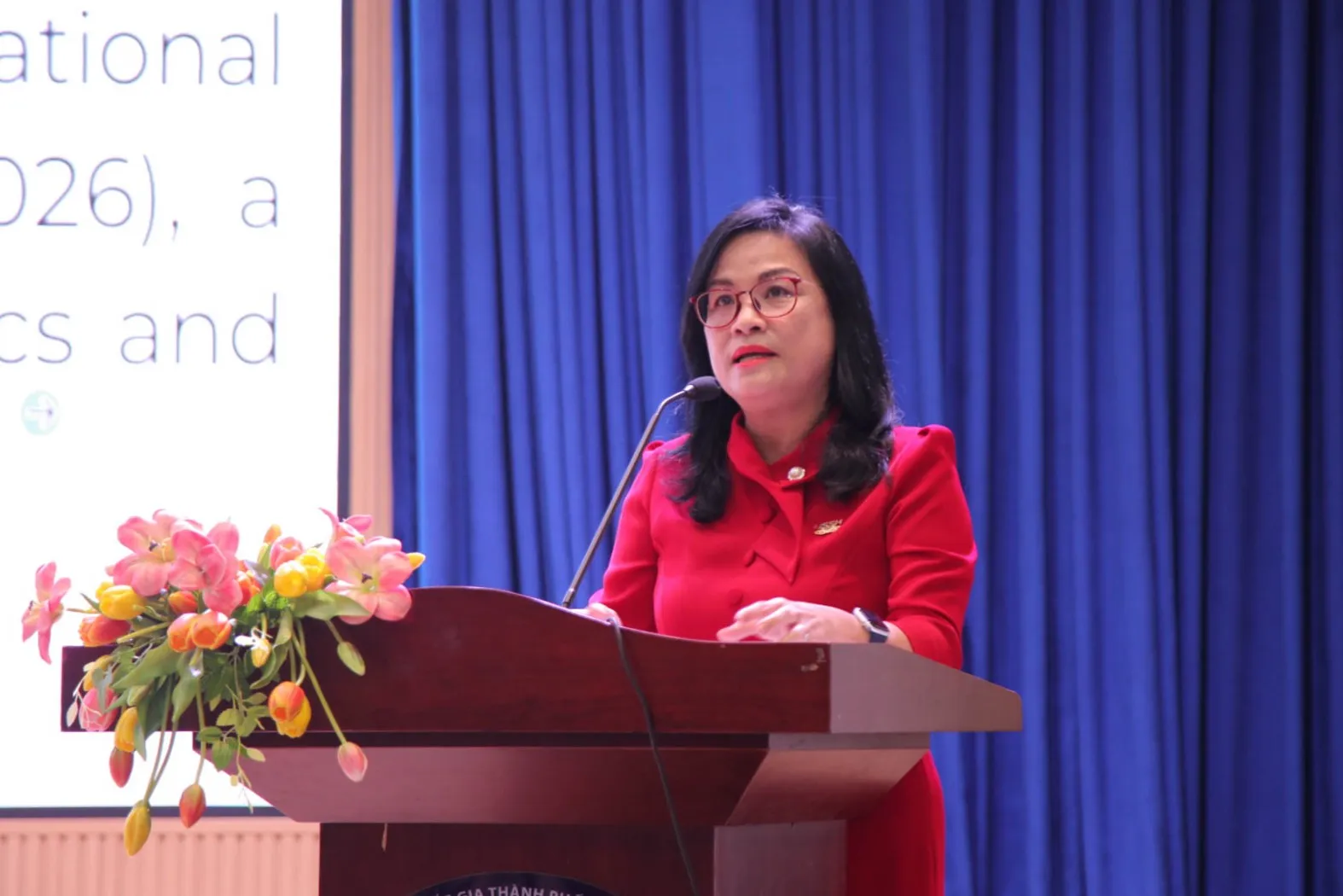
In her opening remarks, Assoc. Prof. Dr. Ngo Thi Phuong Lan, President of the University, assessed ICELT 2026 as a forum for experts to exchange views on foreign language teaching trends in the face of the development of artificial intelligence. She shared: "Amid the storms of technological innovation, the theme 'Towards English as a second language in the era of artificial intelligence' has become more important than ever".
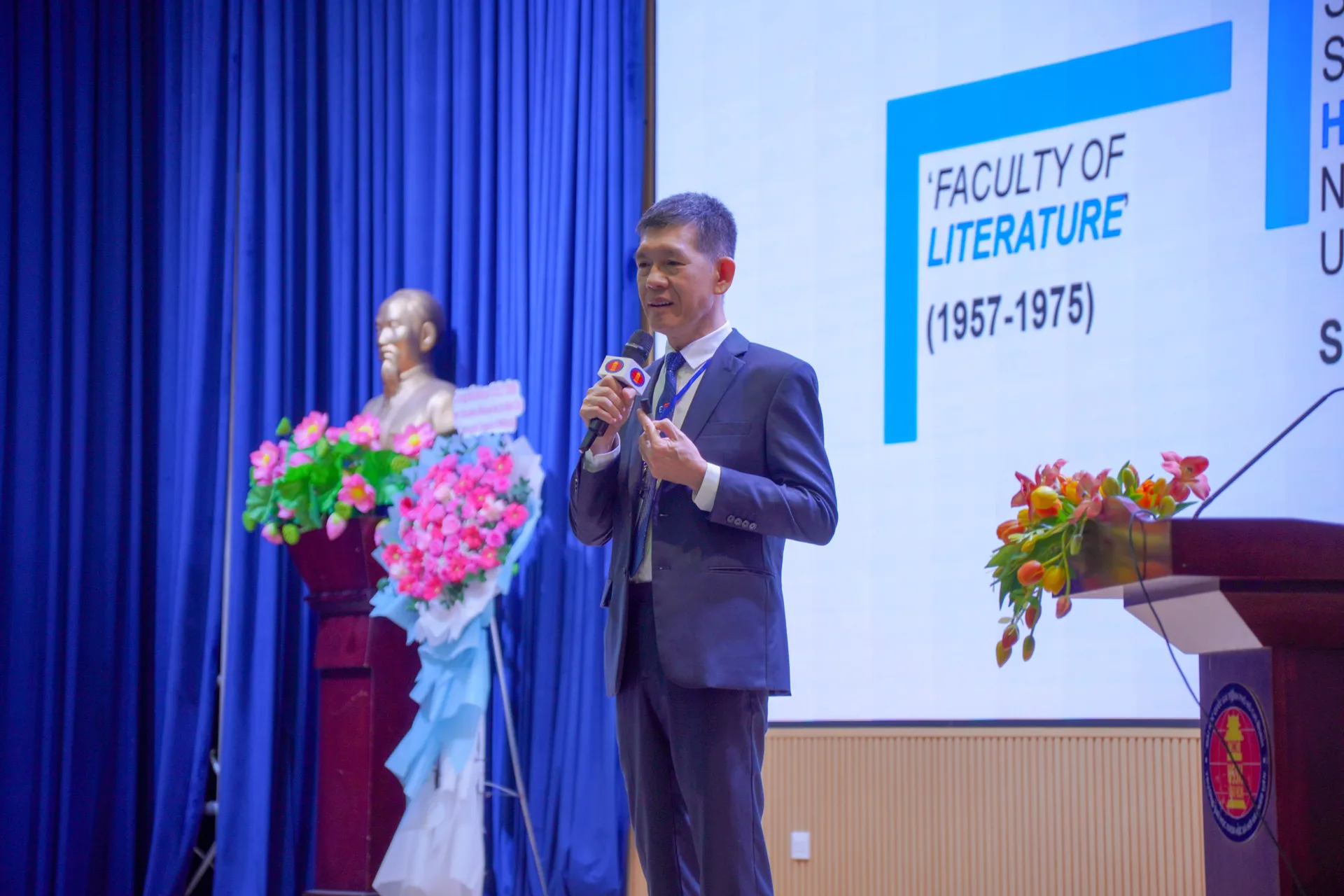
Dr. Nguyen Dang Nguyen, Dean of the Faculty of English Linguistics and Literature, stated that establishing English as a second language (ESL) is both a challenge and an opportunity to maintain a competitive advantage in the AI era. To ensure learners are not replaced by technology, the core solution is intensive ESL training linked to humanistic foundations and national identity.
Clarifying this orientation, Mr. Nguyen shared: "We do not just teach English; we also provide learners with knowledge of linguistics, teaching methodology, and bilingualism to perfect both English and Vietnamese". Through this, English serves as both a medium for acquiring knowledge and a powerful tool to promote Vietnamese culture to the world.
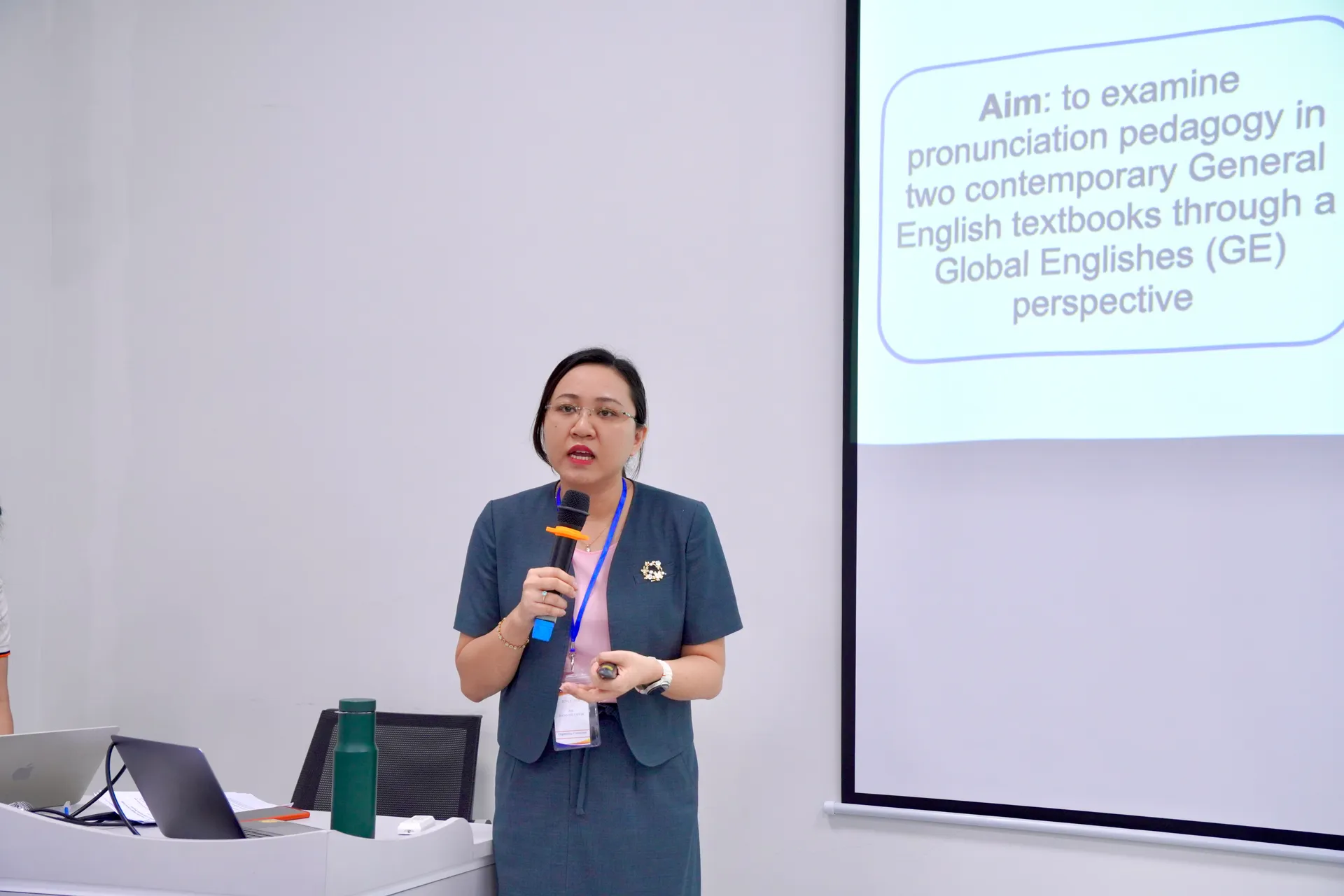
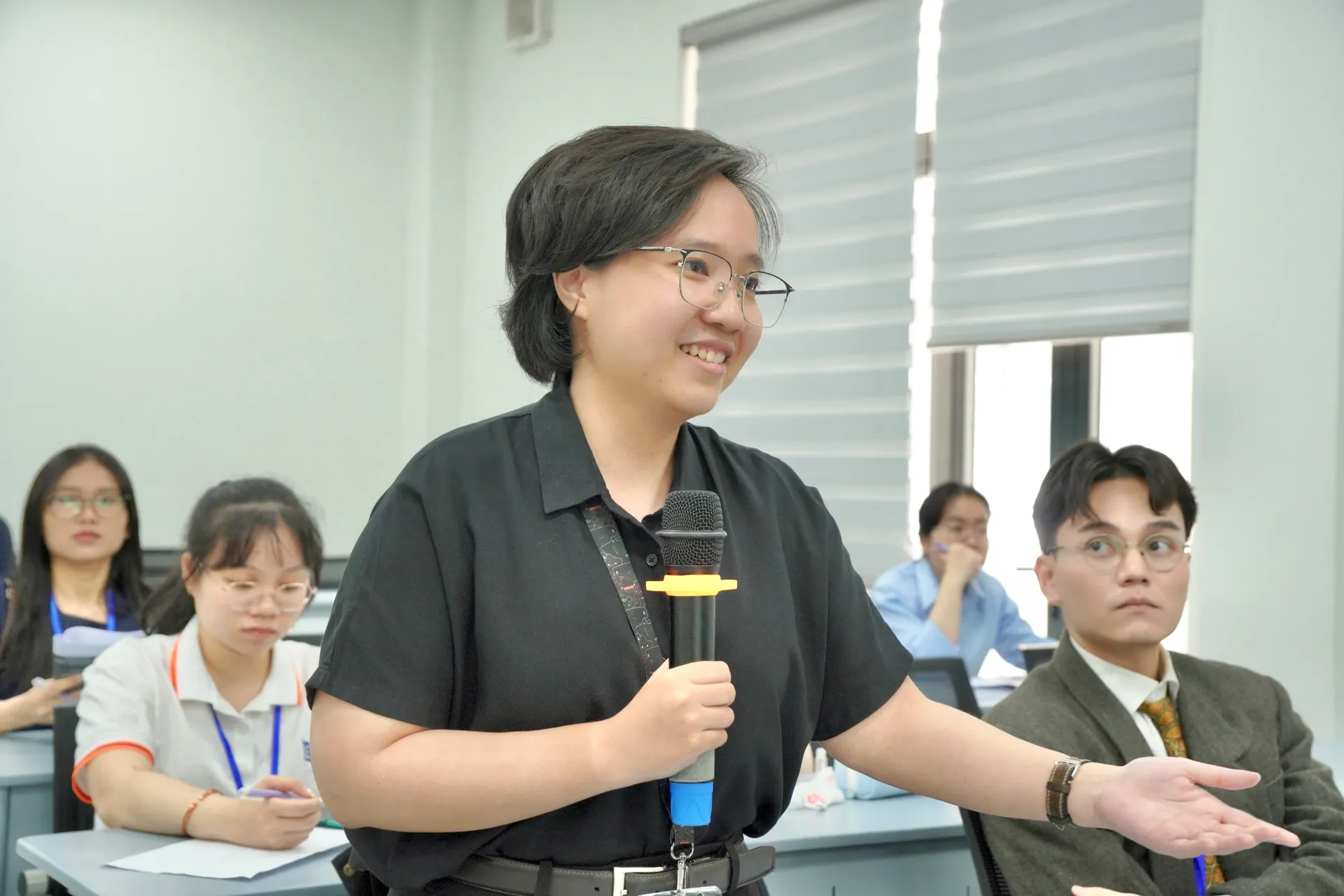
The conference received enthusiastic participation from scholars through a series of sessions: 4 plenary sessions, 6 featured presentation sessions, 1 thematic panel discussion, and 52 papers presented across 7 parallel sub-committee sessions.
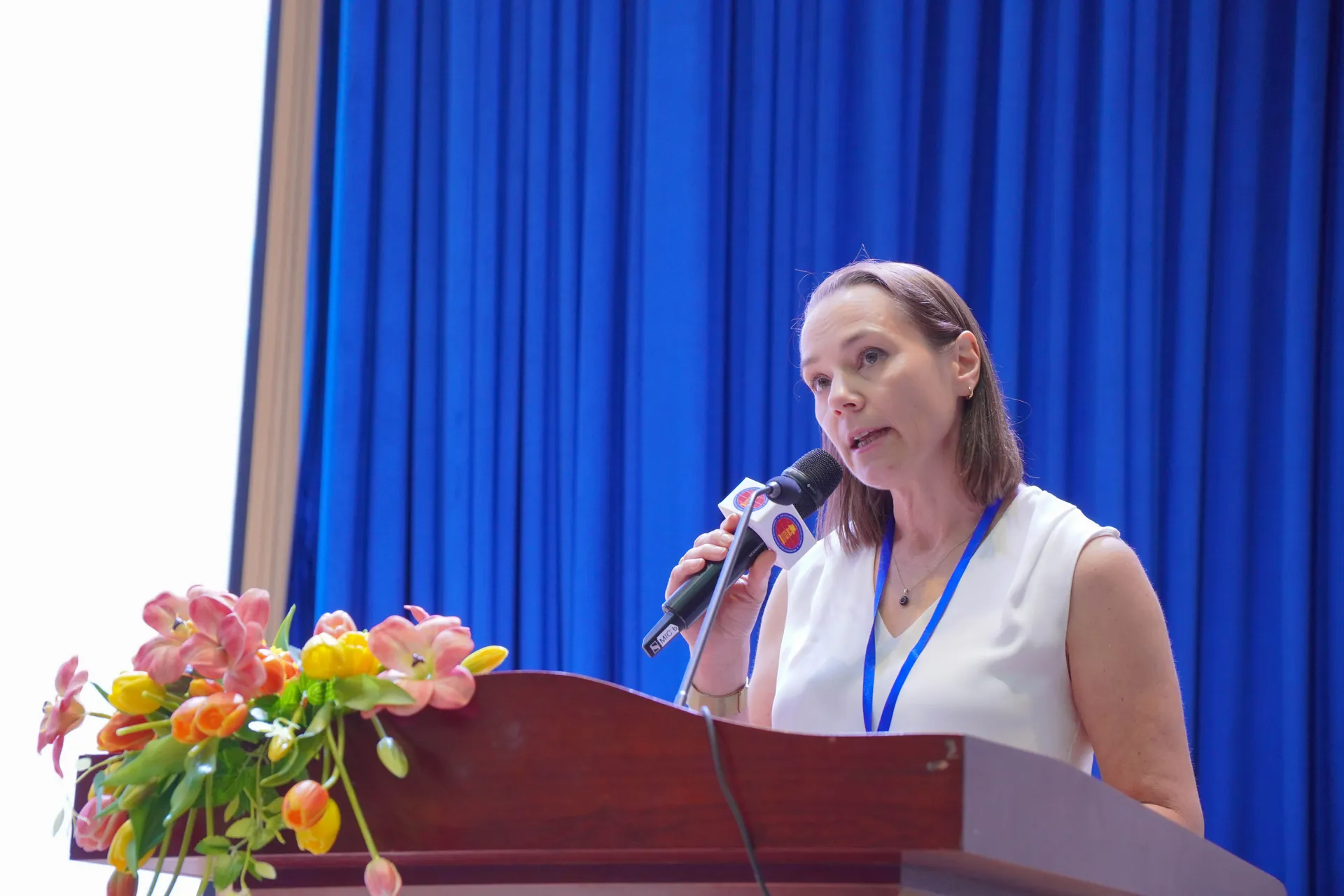
Opening plenary session 1, Assoc. Prof. Dr. Anna Szczepaniak-Kozak, Associate Professor at the Institute of Applied Linguistics, Adam Mickiewicz University (Poland), presented the keynote report "Teaching with AI: Integrating sentiment analysis tools into language and discourse research". The presentation introduced the application of AI in discourse analysis. While highly valuing technology, she reaffirmed that human interpretation is an essential factor, and emphasized the irreplaceable role of critical thinking and empathy in language research.
Assessing the state of technology abuse, Dr. Abdullah bin Mohd Nawi, Manager of International and Global Cooperation at Universiti Teknologi Malaysia, President of the Association of Professional Researchers and Scholars (Malaysia), brought to plenary session 2 the keynote report "Beyond the prompt: Reflective practice - The antidote to 'algorithmic laziness' in ESL teaching". He proposed reflective practice to prevent passivity in learning. He warned that merely inputting prompts would stifle user skills, thereby encouraging learners to actively practice thinking instead of relying on AI.
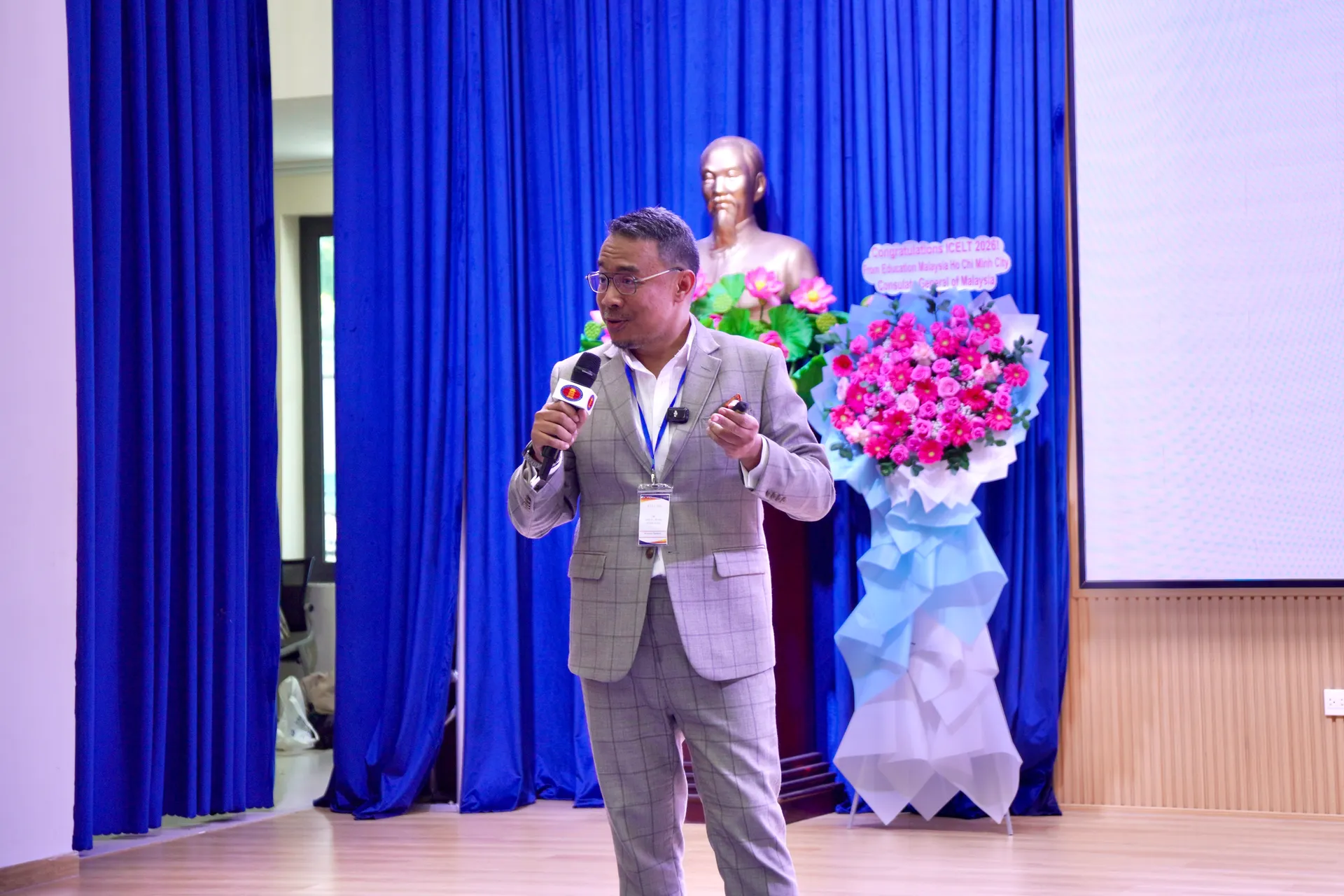
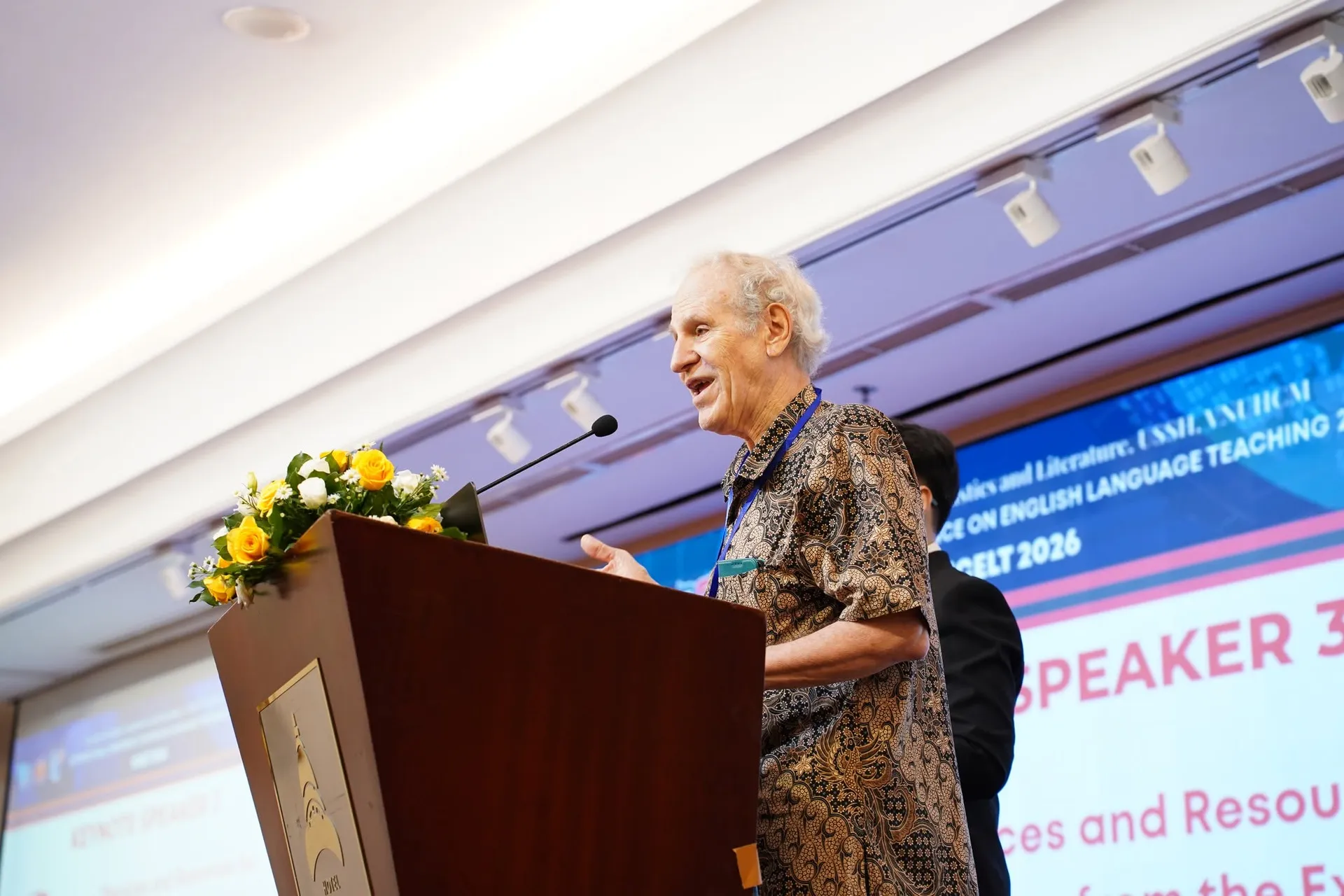
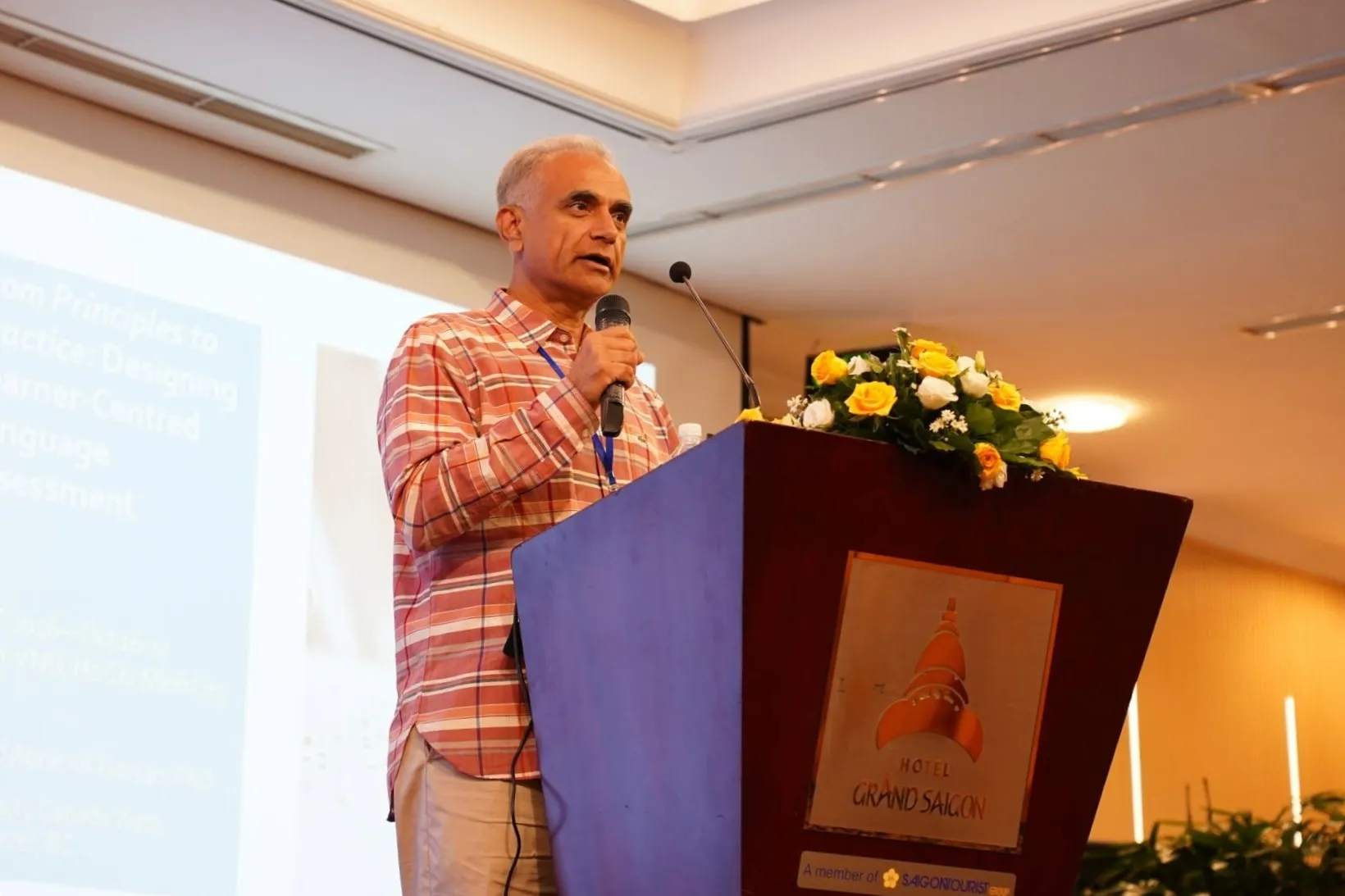
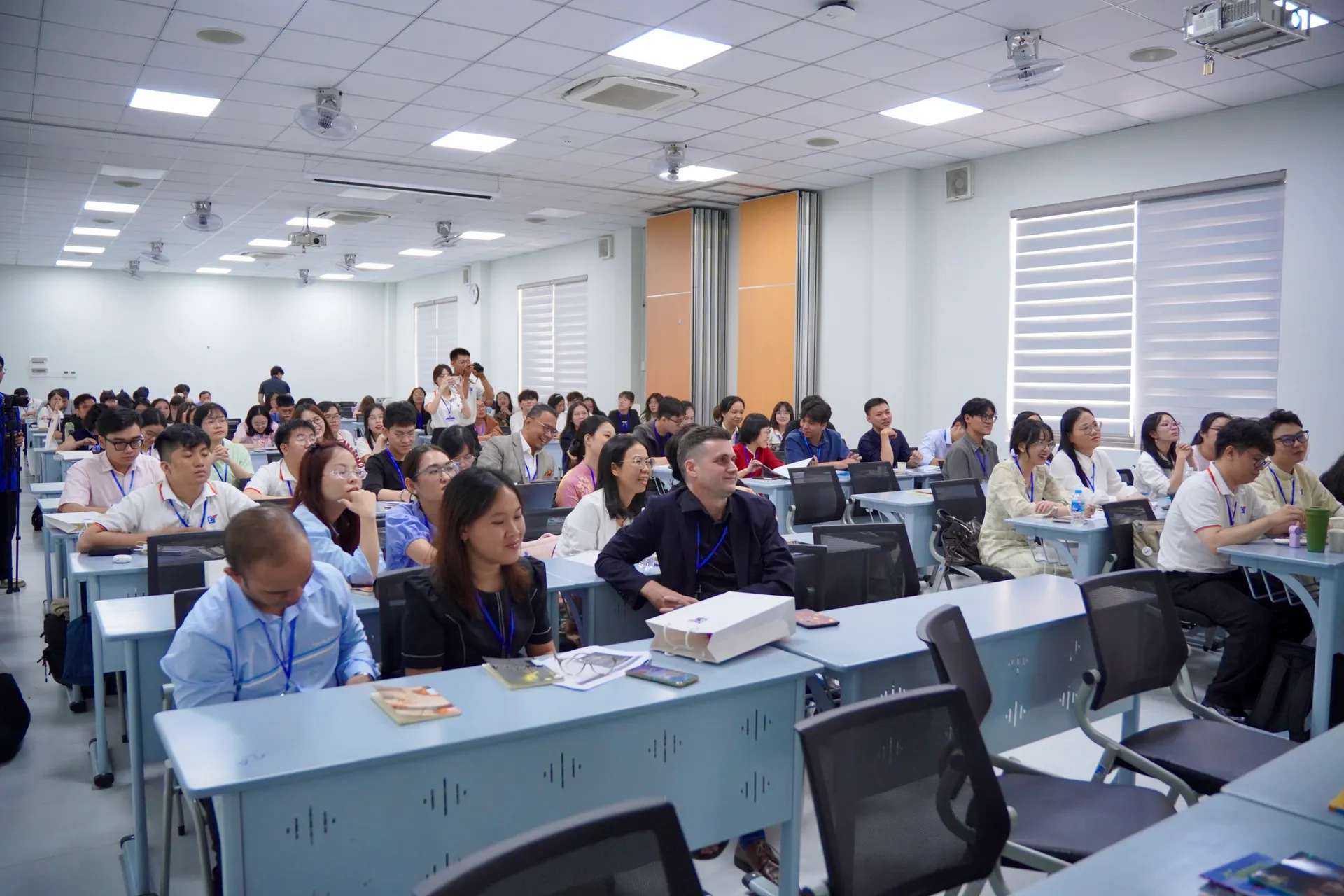
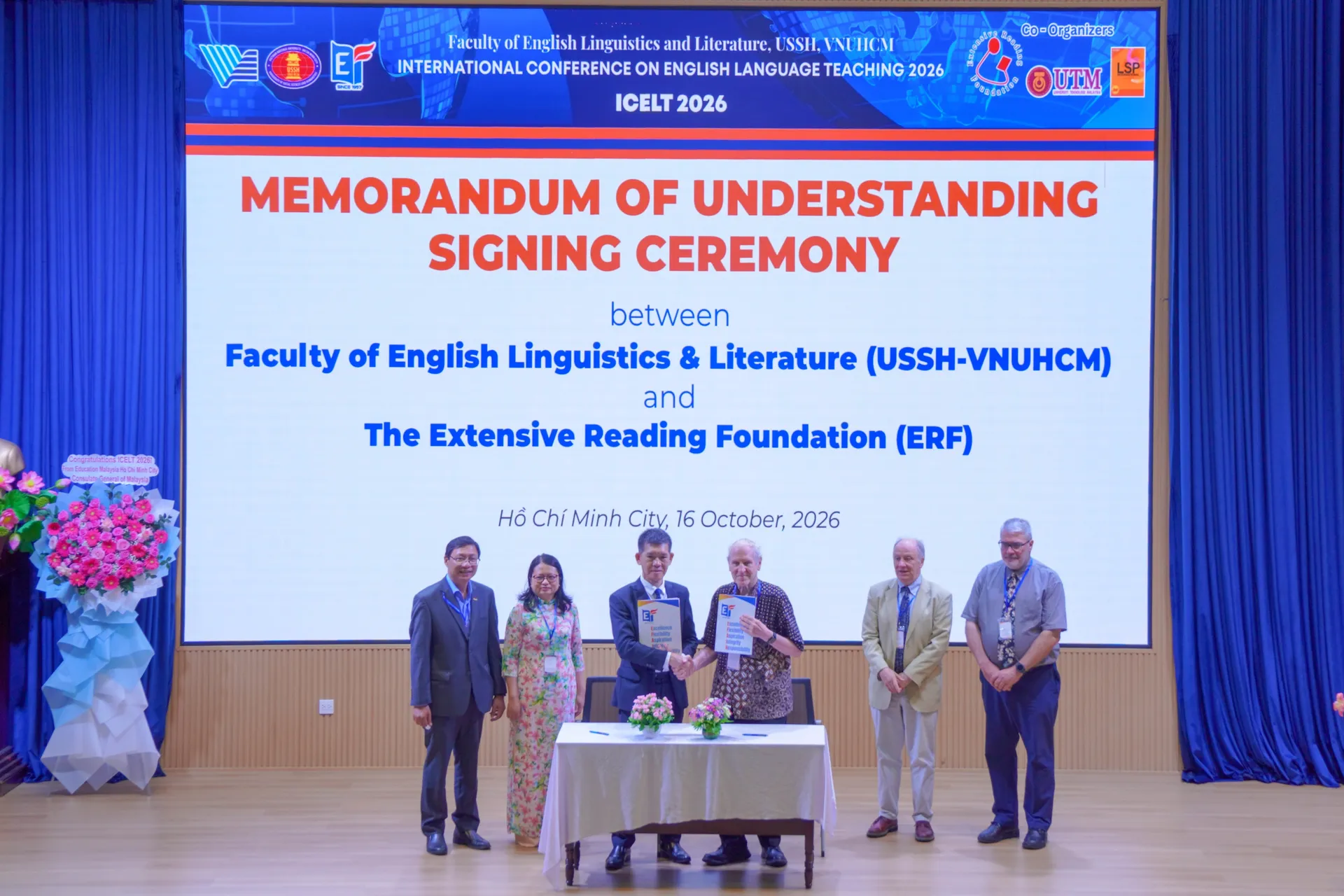
Within the framework of the first day, the University of Social Sciences and Humanities, VNUHCM signed a Memorandum of Understanding (MOU) with the Extensive Reading Foundation (ERF). The event marked a turning point in international cooperation to promote extensive reading and enhance the quality of English teaching and learning in Vietnam.
In the summary report at the closing ceremony, Dr. Vo Thi Nu Anh, Deputy Dean of the Faculty of English Linguistics and Literature, said that the conference had completed its set goals, recording many practical discussions revolving around integrating artificial intelligence, enhancing intercultural communication, and sustainable development. Thereby, ICELT 2026 contributed to strengthening the academic network, creating a space for professional connection, and promoting new directions in English education practice.
The International Conference on English Language Teaching (ICELT) is a biennial academic event organized directly by the Faculty of English Linguistics and Literature, University of Social Sciences and Humanities, Viet Nam National University Ho Chi Minh City. Over 8 editions, ICELT has continuously expanded its scale, attracting a large number of reputable experts, researchers, and lecturers from many countries. The event is gradually asserting its position as one of the largest and most prestigious scientific forums in Vietnam in the field of foreign language research and teaching. The conference aims to create a space for strategic connection, promoting the exchange of new technology trends, improving professional quality, and building a sustainable English education ecosystem. |