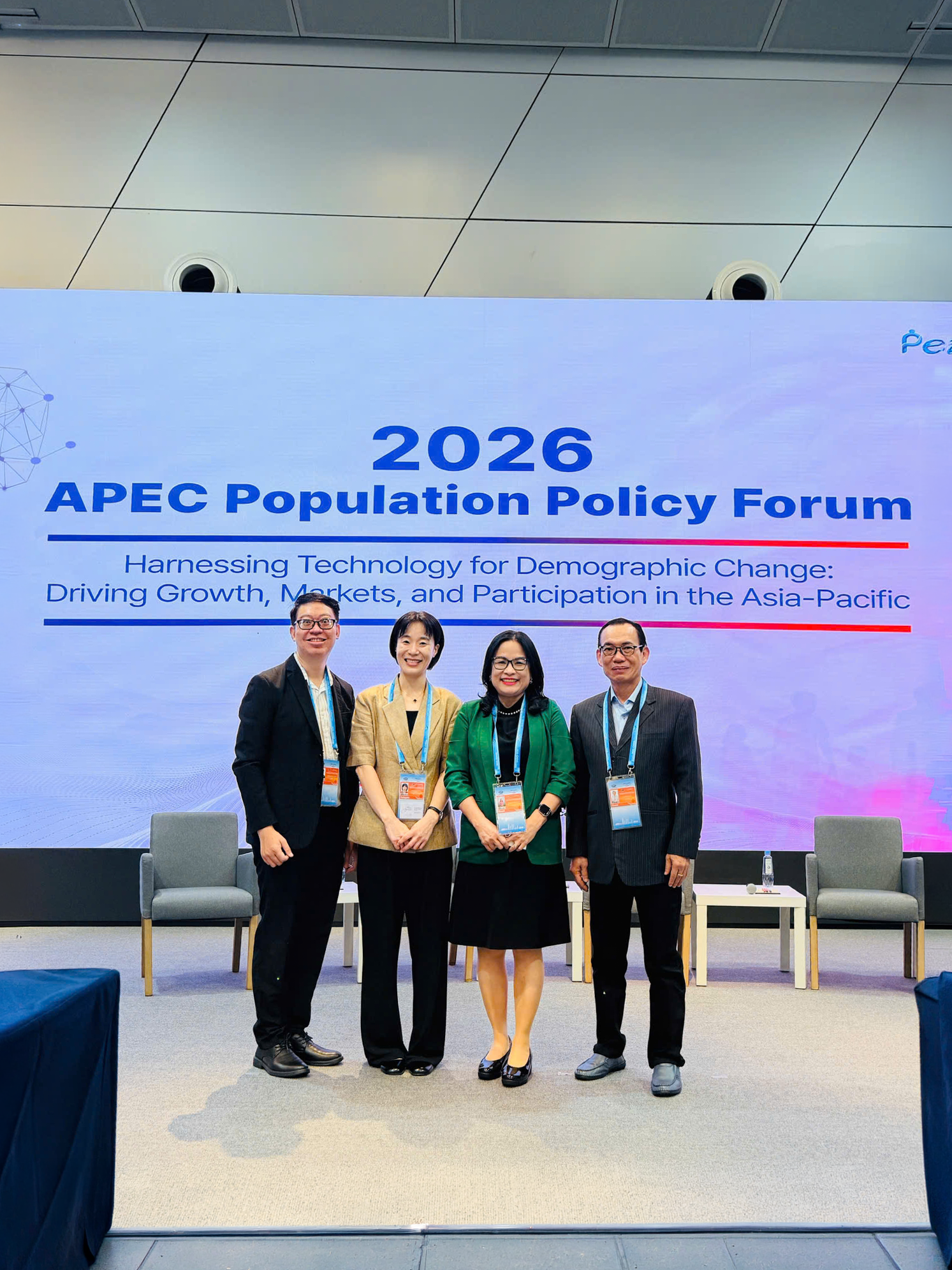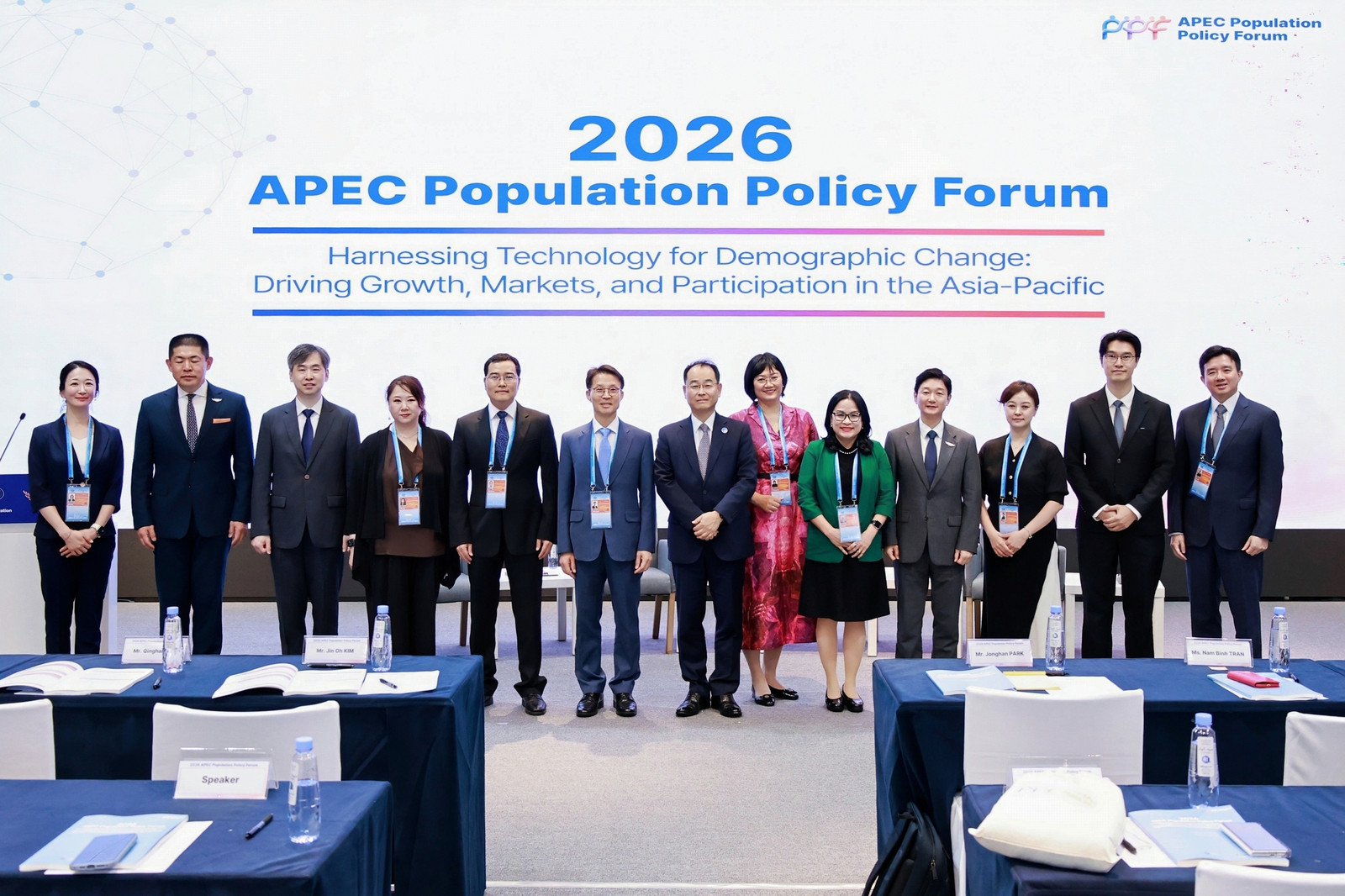

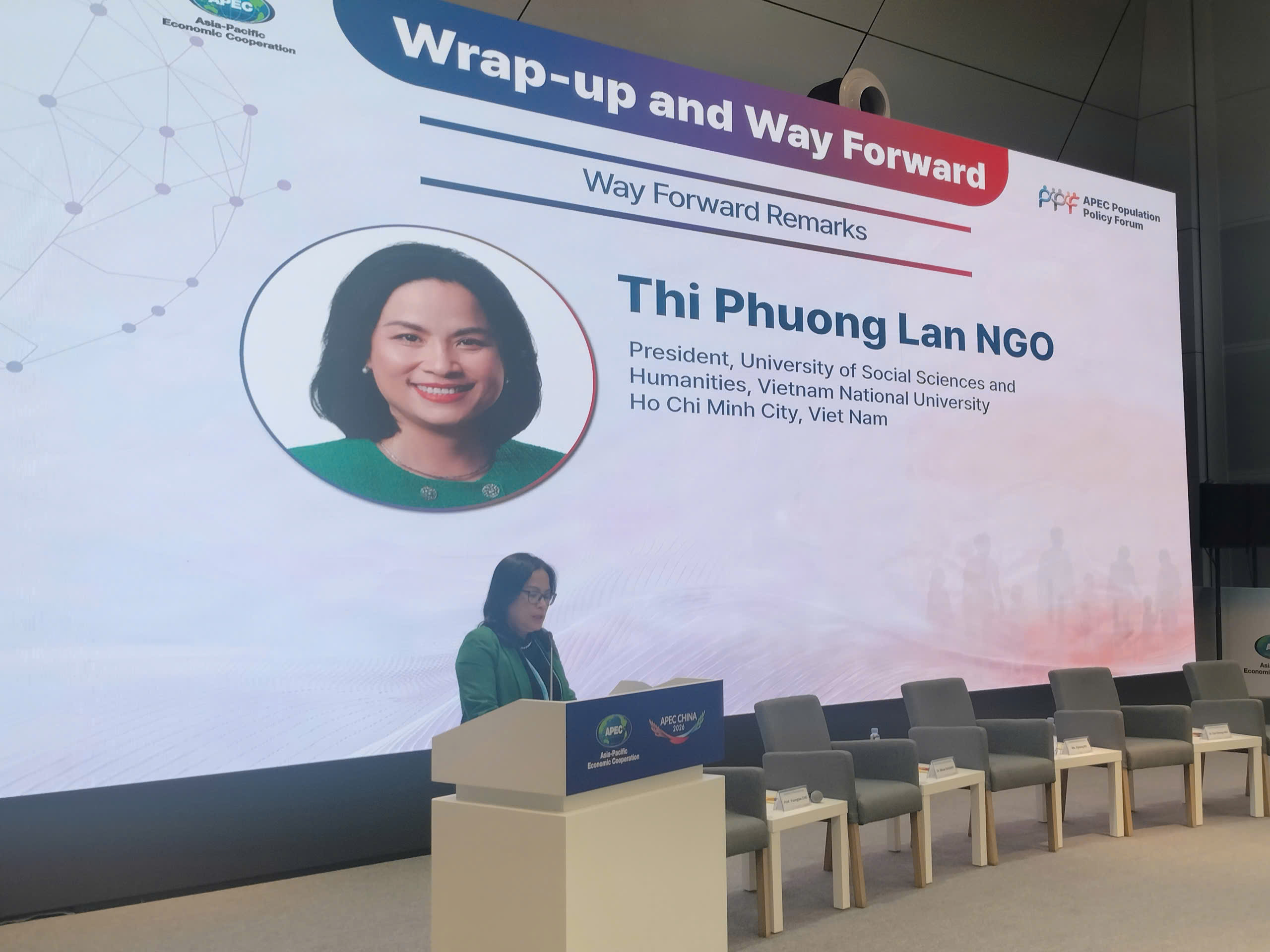
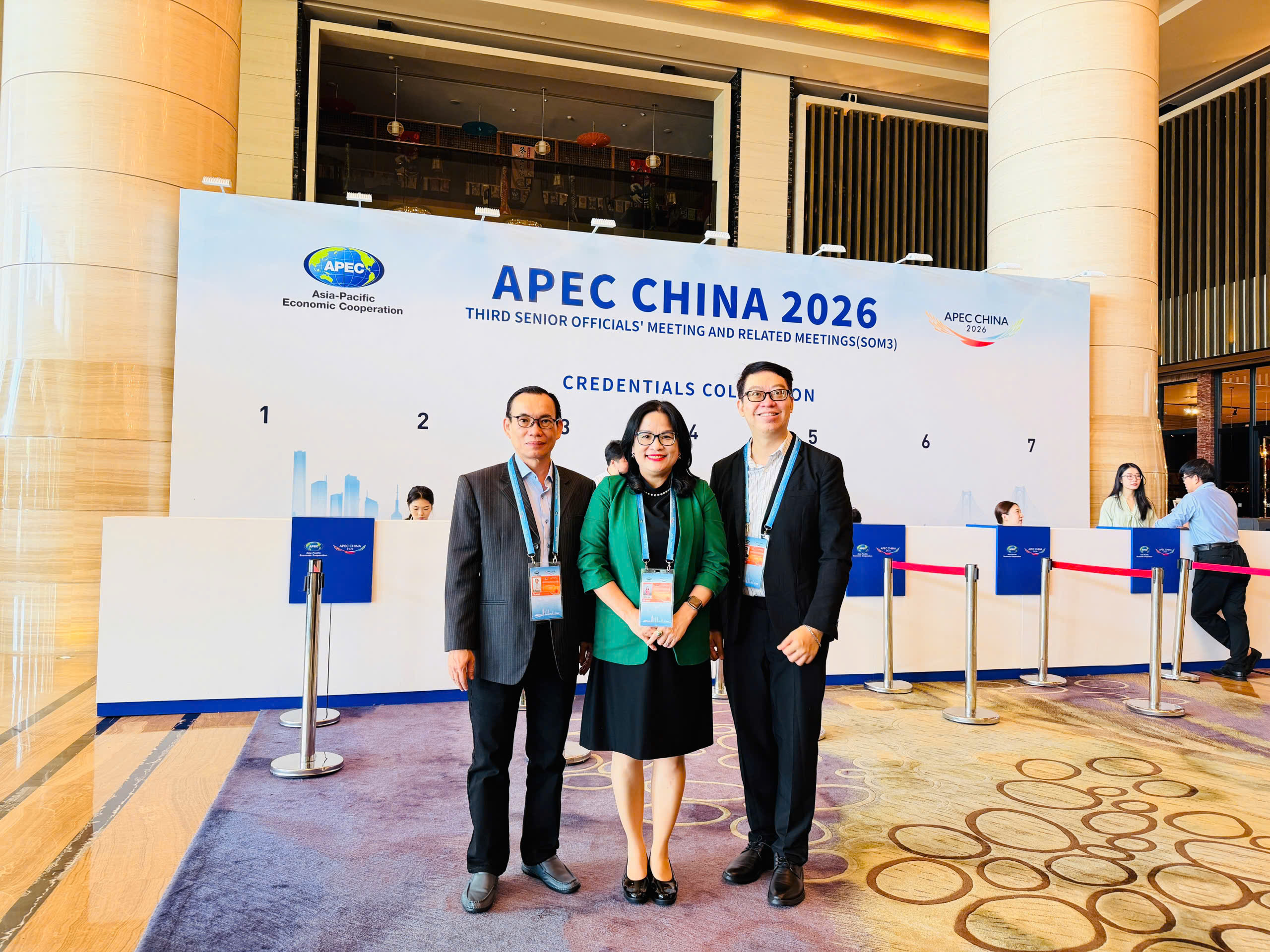
As part of APEC 2026 activities, Prof. Dr. Ngo Thi Phuong Lan, Party Committee Secretary and President of the University of Social Sciences and Humanities, Viet Nam National University Ho Chi Minh City (USSH-VNUHCM), attended the APEC Population Policy Forum in Dalian, China, where she delivered a speech on advancing regional cooperation amid demographic changes. The forum is part of the Third Senior Officials’ Meeting (SOM3), which was hosted in China from August 17 to 28, 2026. Attending the session alongside USSH-VNUHCM’s President were Dr. Le Thanh Hoa, Dean of the Faculty of Geography and Urban Studies, and Dr. Truong Gia Quyen, Deputy Dean of the Faculty of Chinese Language and Literature.
At the opening ceremony, Ms. Tran Nam Binh, Deputy Director-General of the APEC 2027 National Secretariat, Department of Economic Policy, Ministry of Foreign Affairs of Vietnam, delivered Special Remarks. During the August 24 session, Prof. Dr. Ngo Thi Phuong Lan shared orientations for regional cooperation on demographic changes in her Way Forward Remarks: “Advancing Regional Cooperation on Demographic Change.”
Addressing delegates from APEC economies, she highlighted that demographic change is not merely a result but is becoming a powerful driver of development. According to the President, economies should move beyond simply “managing demographic change” toward “building demographic resilience,” meaning stronger capacity to forecast and adapt, and to turn demographic shifts into opportunities for sustainable development.
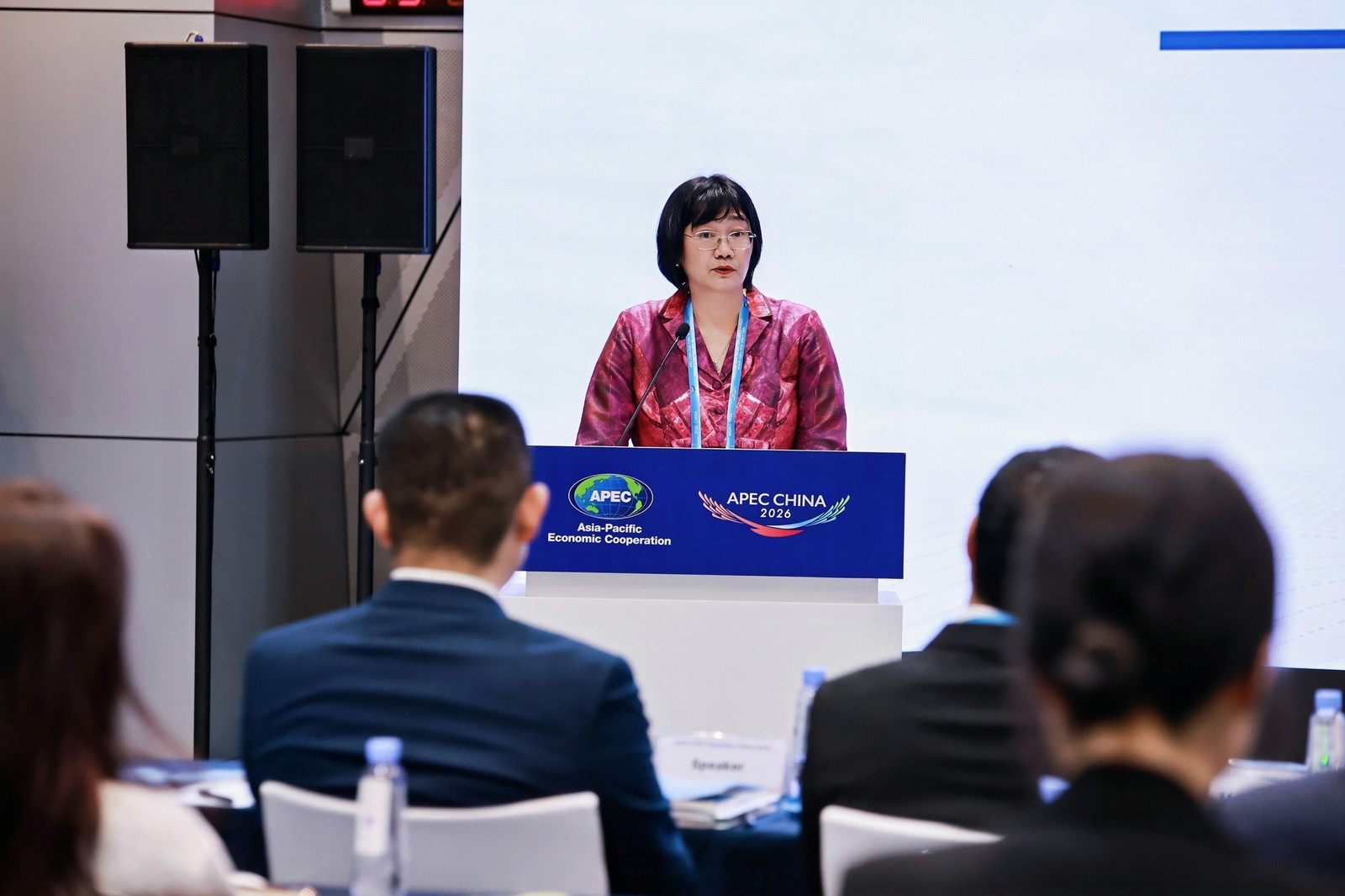
On the grounds of this approach, Prof. Dr. Ngo Thi Phuong Lan identified three important strategic shifts. First, trends such as population aging, urbanization, and shrinking family size should be seen not only as challenges but also as drivers of innovation and new markets, including AgeTech and care services.
Second, technology should help increase people’s participation in economic and social life, especially to help ease the burden of family care. Third, population policy should be coordinated with education, labor, health, and technology.
On this basis, the President proposed four priorities for cooperation within APEC: strengthening the sharing of data and experience regarding policies; promoting cooperation in innovation and the responsible use of new technologies; investing in human resources and lifelong learning; and enhancing the role of universities in linking research with policymaking.
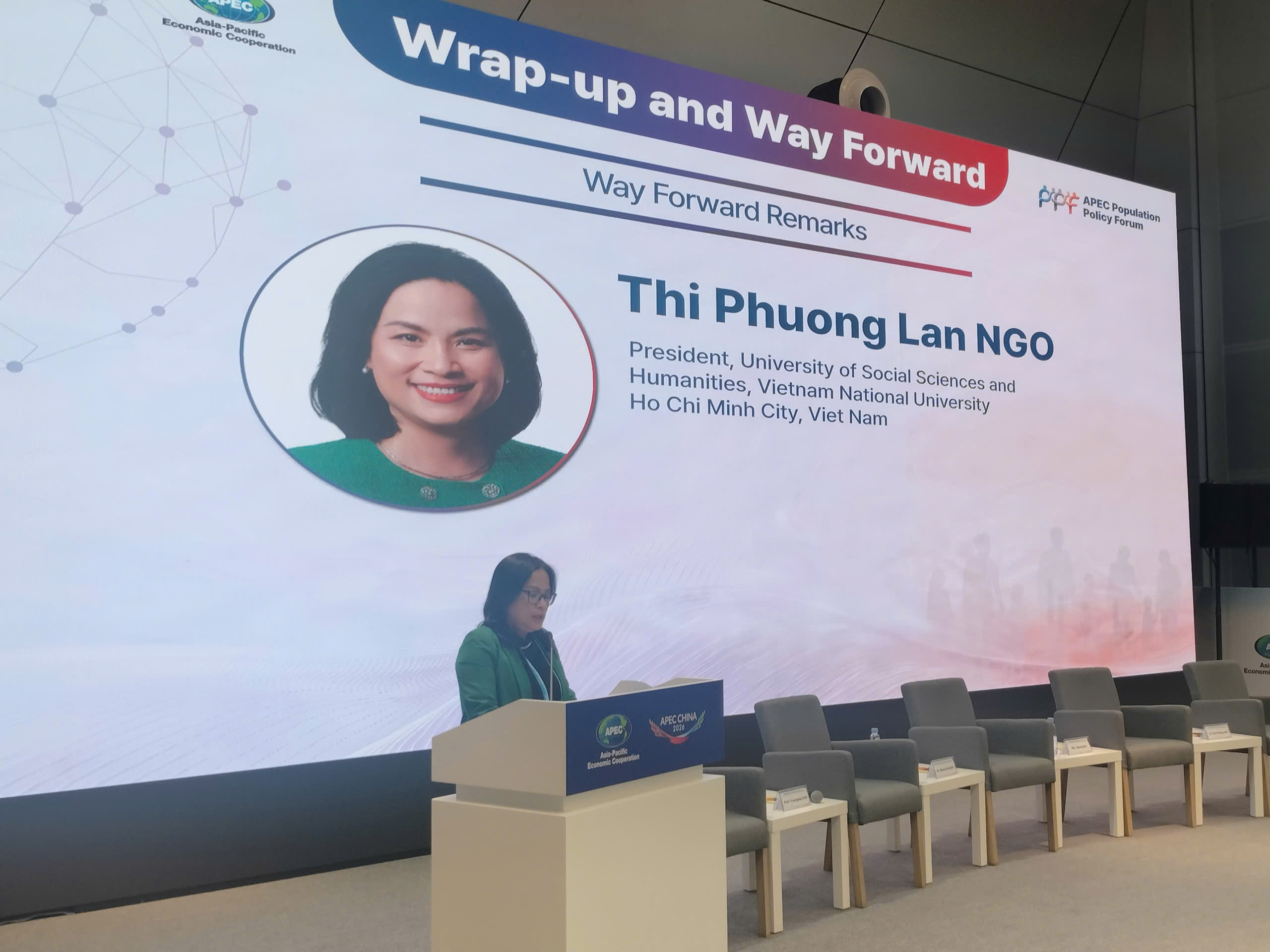
She also underscored the role of universities in producing knowledge, developing human resources, and supporting evidence-based policymaking.
At the forum’s thematic session on “Policy and Technology to Support Economic Participation: Easing Care and Family Burdens,” speakers from the Republic of Korea, Japan, China, and the United States shared practical solutions on applying artificial intelligence, medical technology, and smart care services. The forum also served to implement the APEC Framework for Cooperation on Demographic Change 2026-2030, which aims to strengthen coordination among economies in response to demographic shifts in APAC.