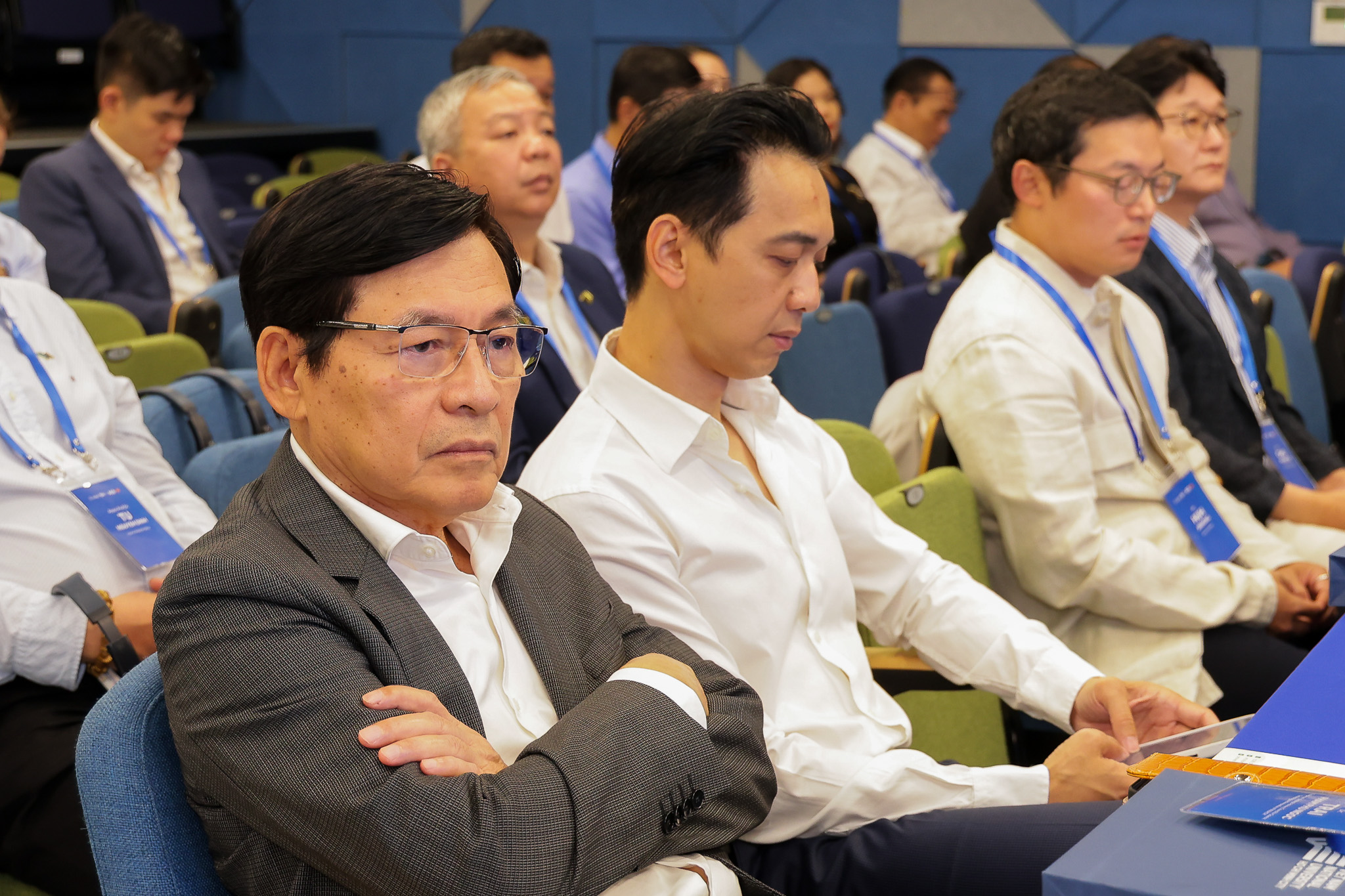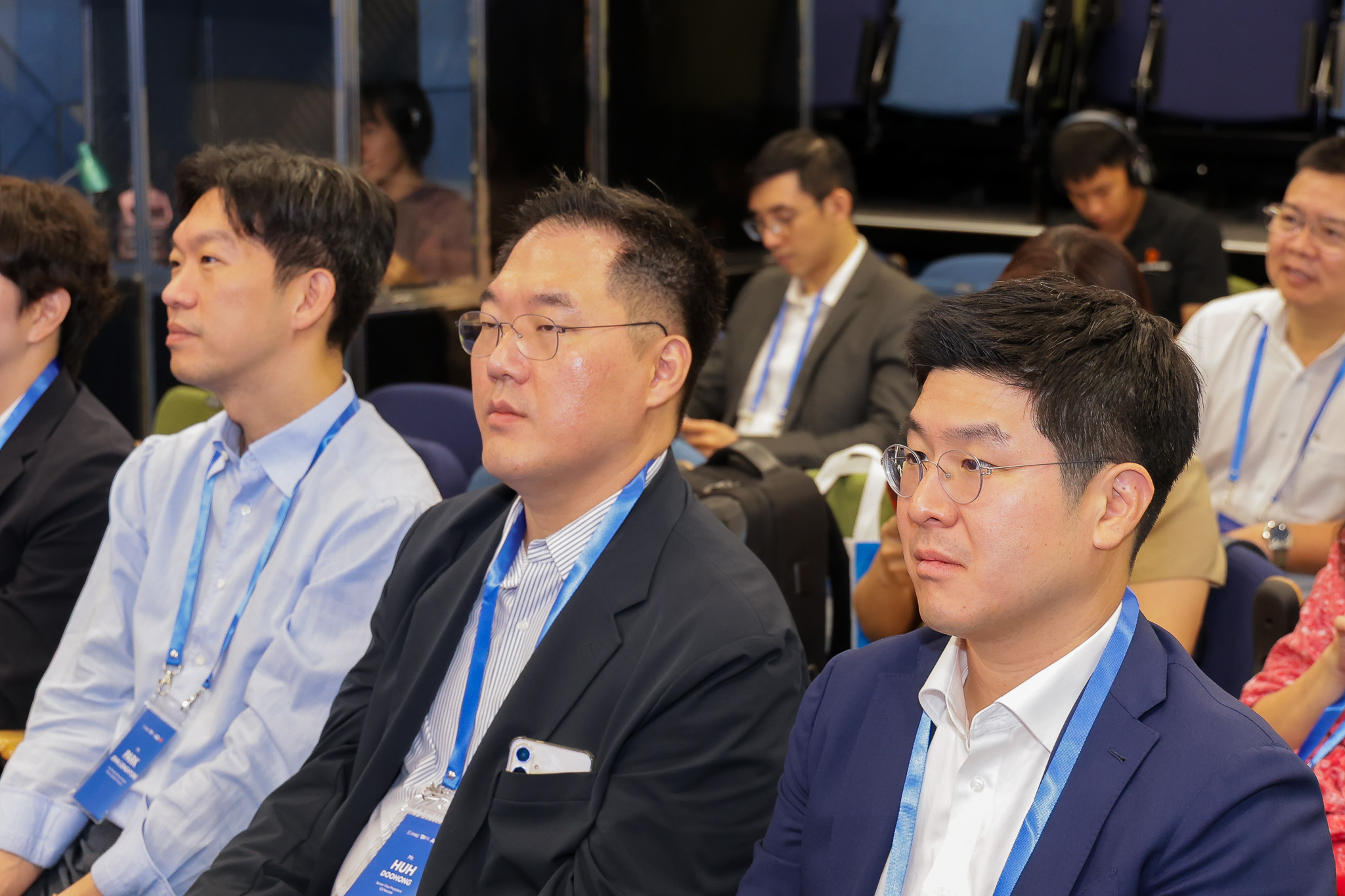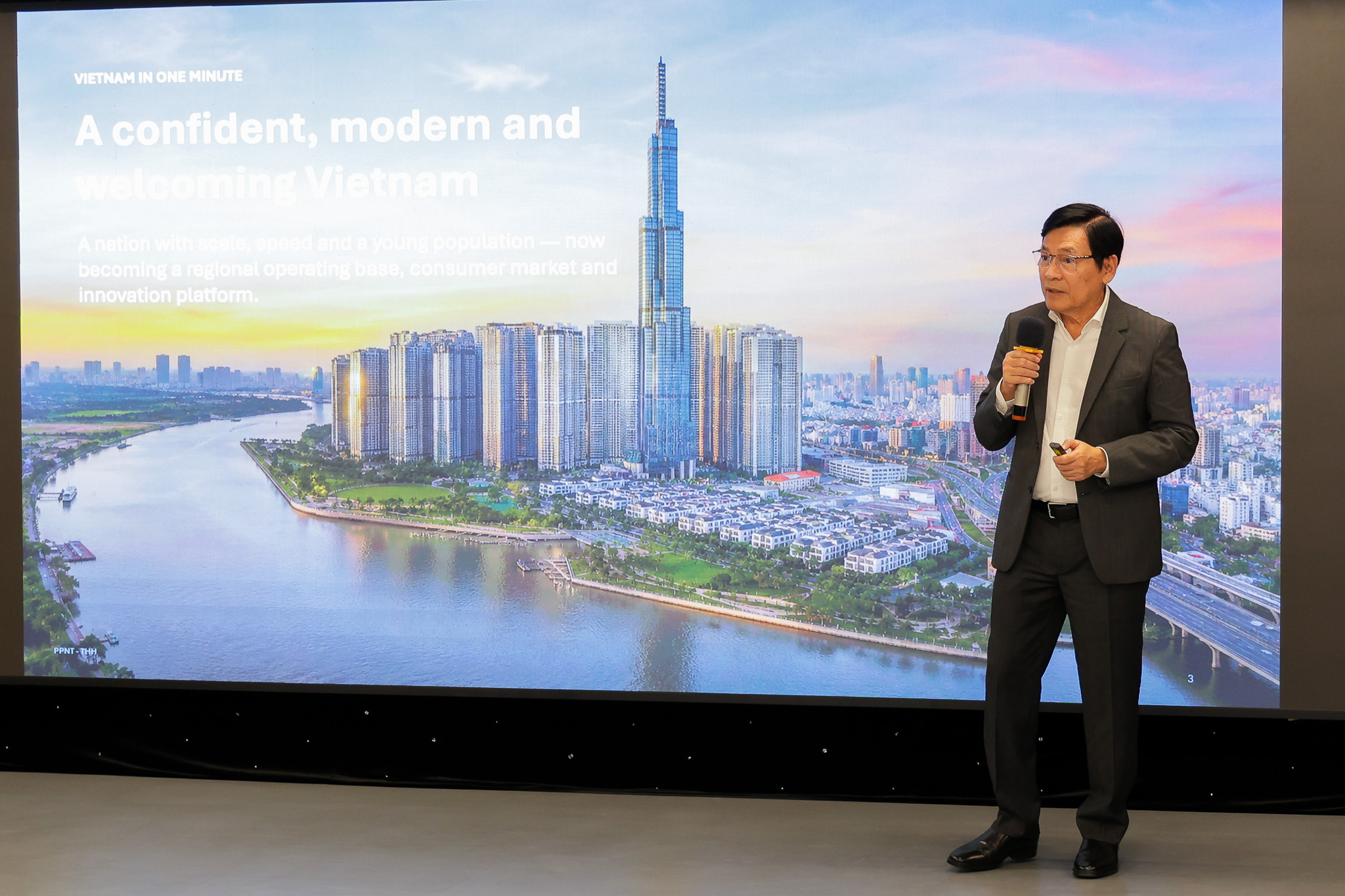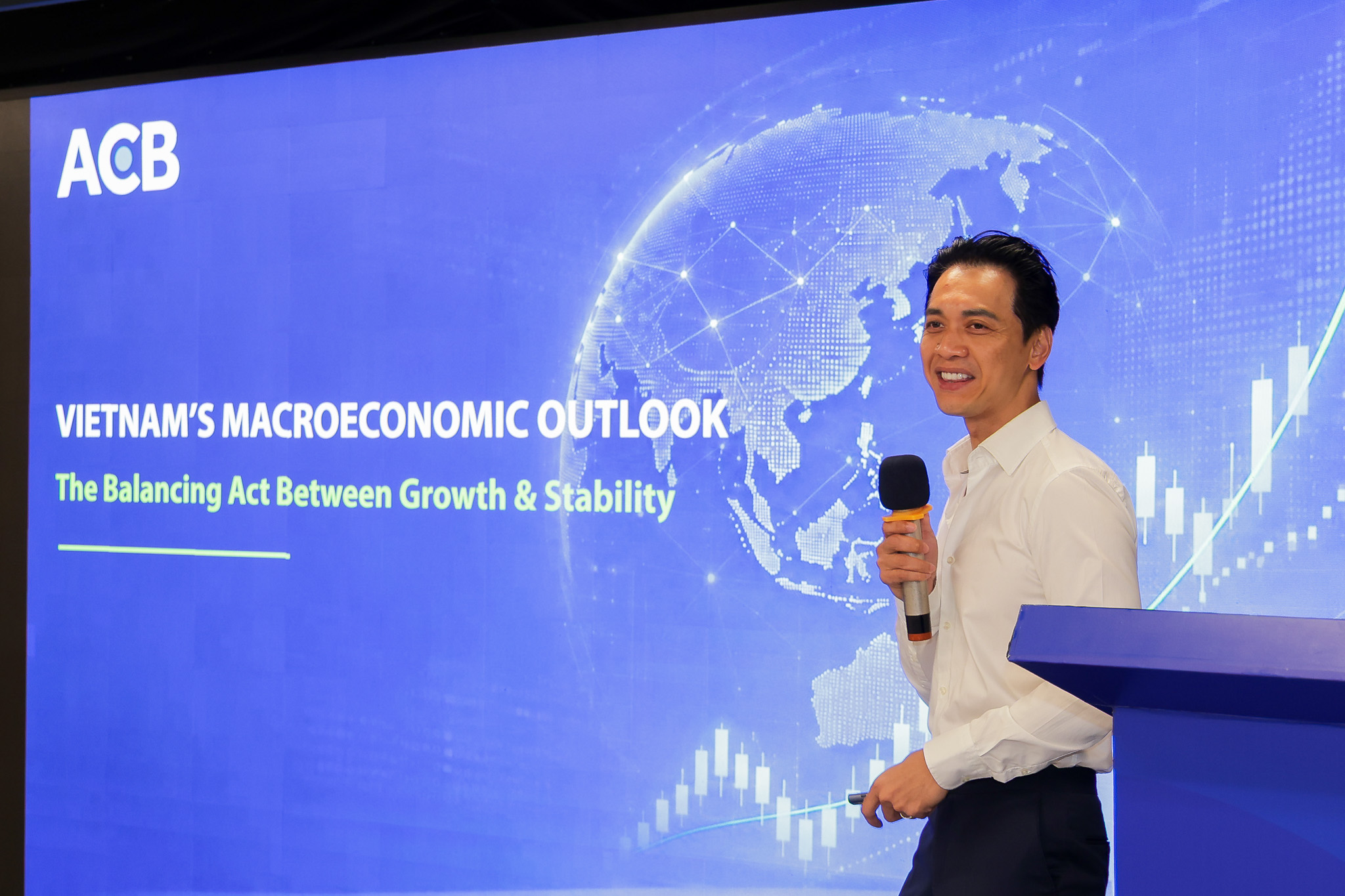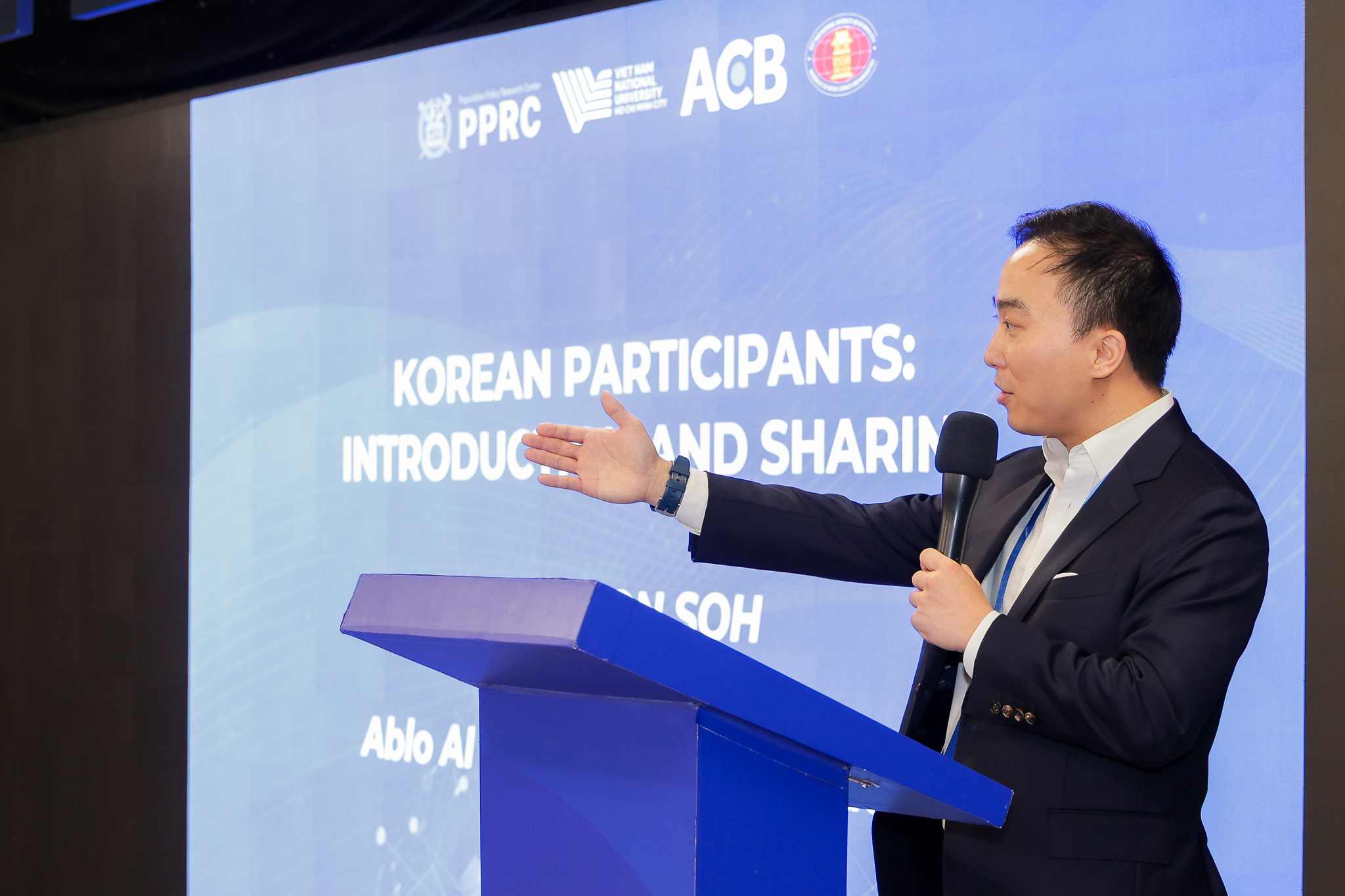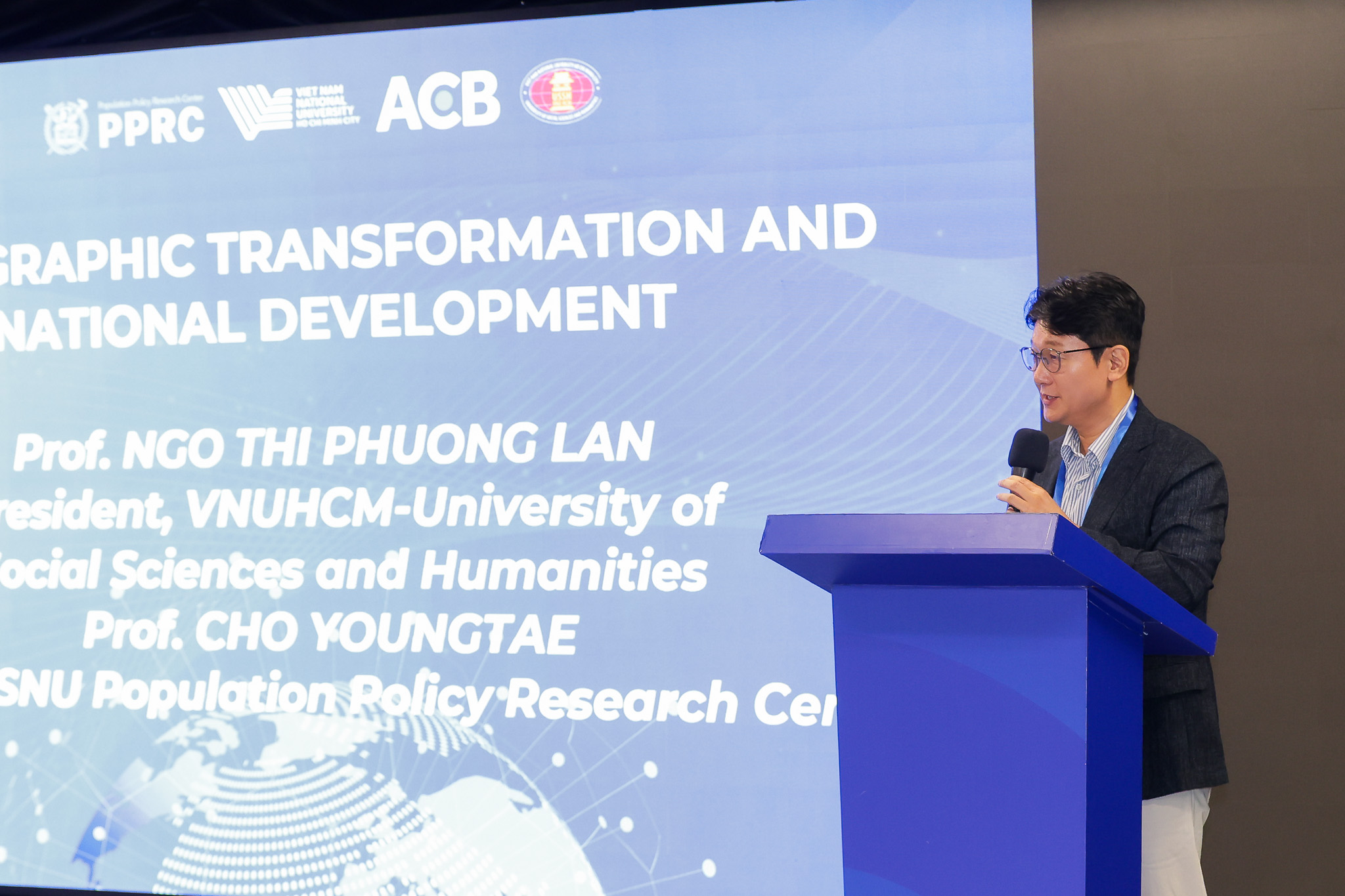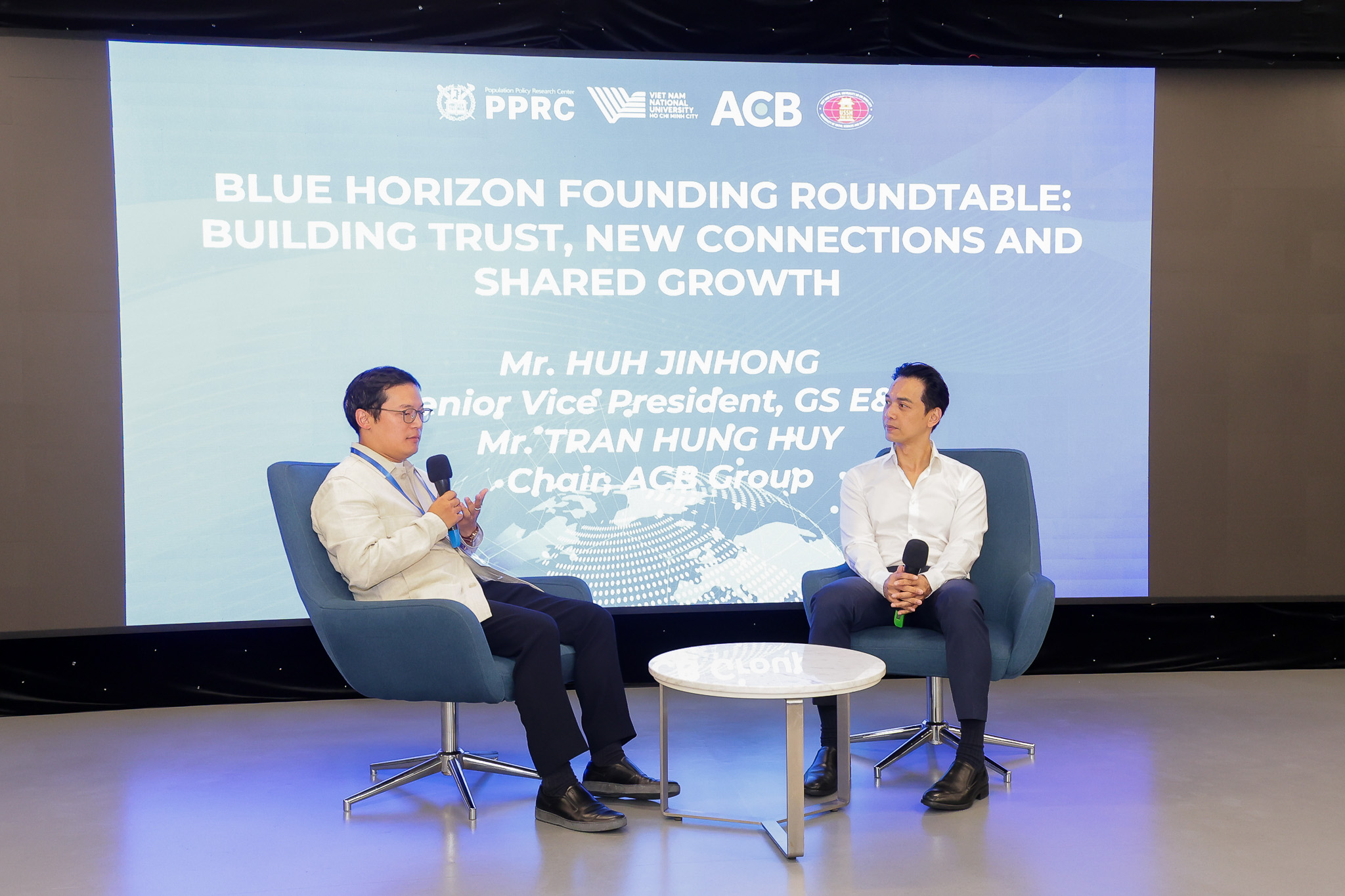
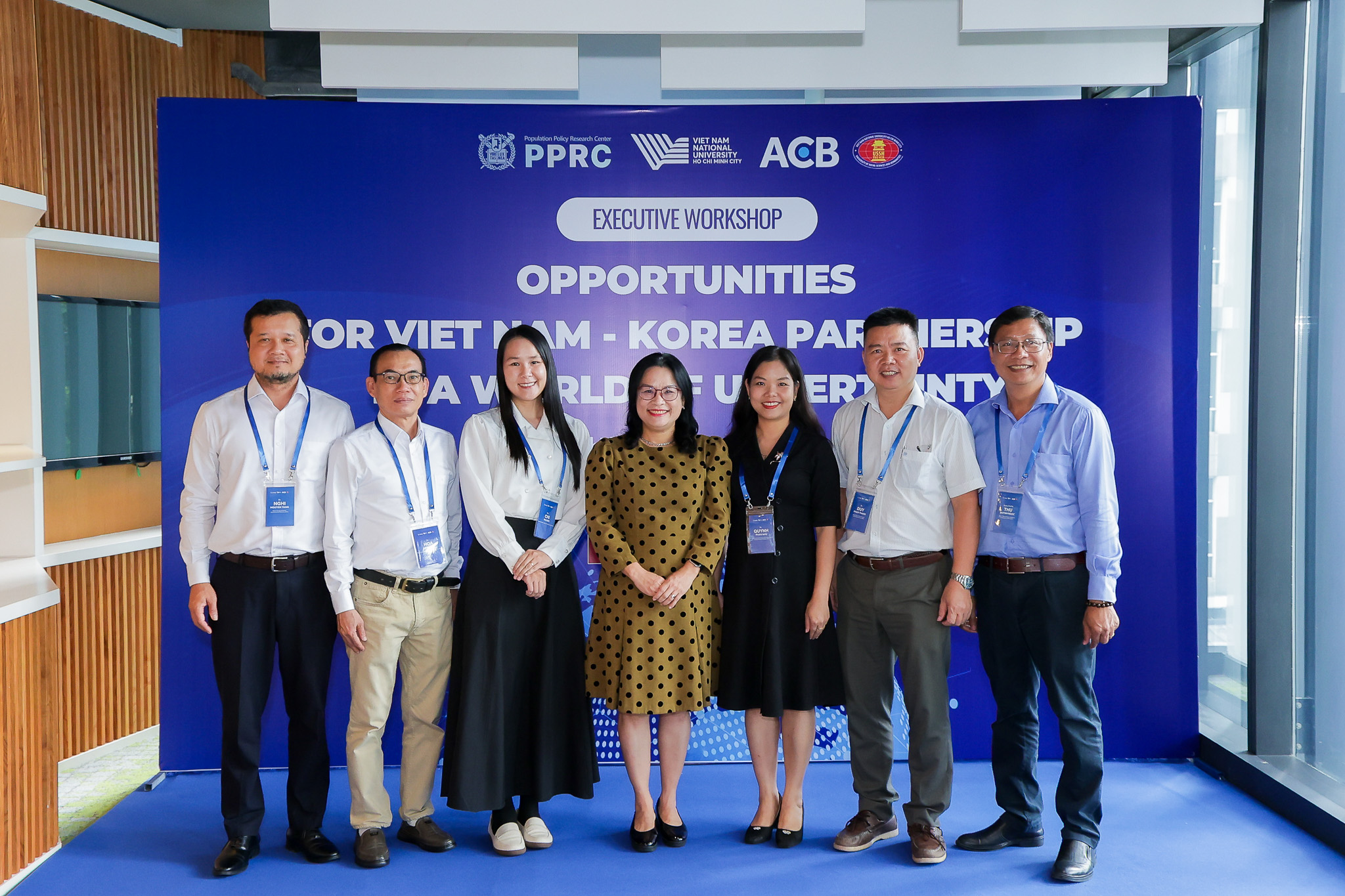
On August 17, 2026, the Blue Horizon International Conference, themed “Opportunities for Viet Nam - Korea Partnership in a World of Uncertainty,” took place at the head office of Asia Commercial Bank (ACB), with the participation of Vietnamese and Korean scientists, experts, and business leaders. At the conference, Prof. Dr. Ngo Thi Phuong Lan, President of the University of Social Sciences and Humanities, Viet Nam National University Ho Chi Minh City, presented a paper on demographic change in Vietnam, addressing new requirements for national policymaking and development amid demographic changes.
Demographic change governance must start from monitoring societal changes
In her paper “Demographic Transformation and National Development - The Case of Vietnam,” Prof. Dr. Ngo Thi Phuong Lan argued that demographic changes should be viewed in relation to the dynamics of social life. Declining fertility, population aging, changing family structures, and shifting migration patterns are all creating new demands on policies and institutions.
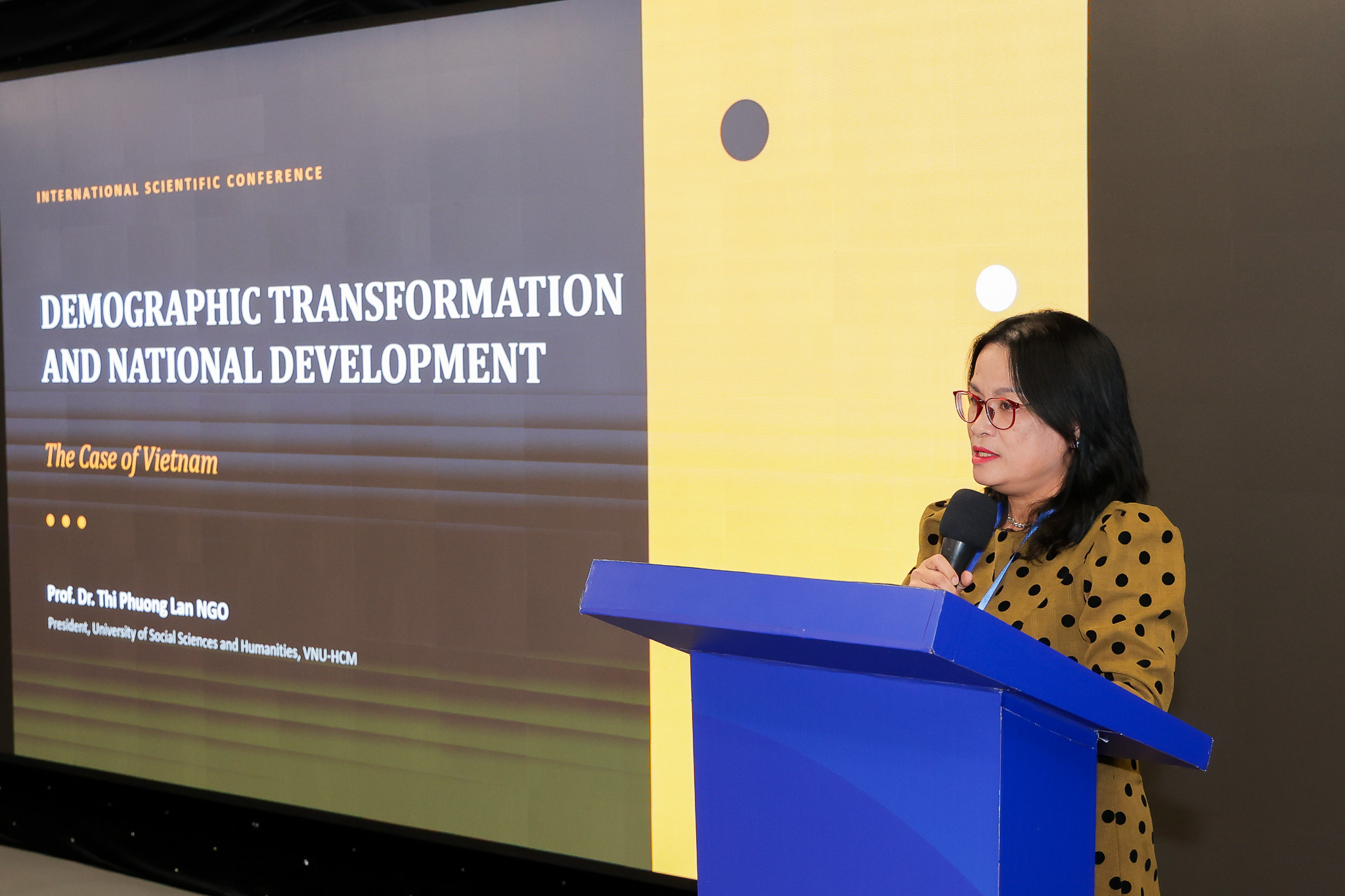
According to Prof. Dr. Ngo Thi Phuong Lan, with low fertility, the concern is not only why young people have fewer children but also the barriers that make it hard for them to start a family and have children, ranging from employment and housing to childcare and work-life balance. On population aging, she suggested shifting from “elderly care” to building a “longevity society,” in which older people can continue to contribute their knowledge, experience, and capacity to their communities.
Based on these changes, she emphasized the need to shift from “population management” to “demographic change governance,” thereby orienting policies toward creating a society that can adapt better to demographic fluctuations and ensuring that every generation has opportunities to contribute, be cared for, and share the benefits of development.
From discussing to co-creating value
Blue Horizon 2026 took place as the world is changing rapidly in terms of technology, supply chains, labor markets, and population issues. These changes, beside demanding adaptation from each country, also raise the need for new forms of cooperation between Vietnam and Korea.
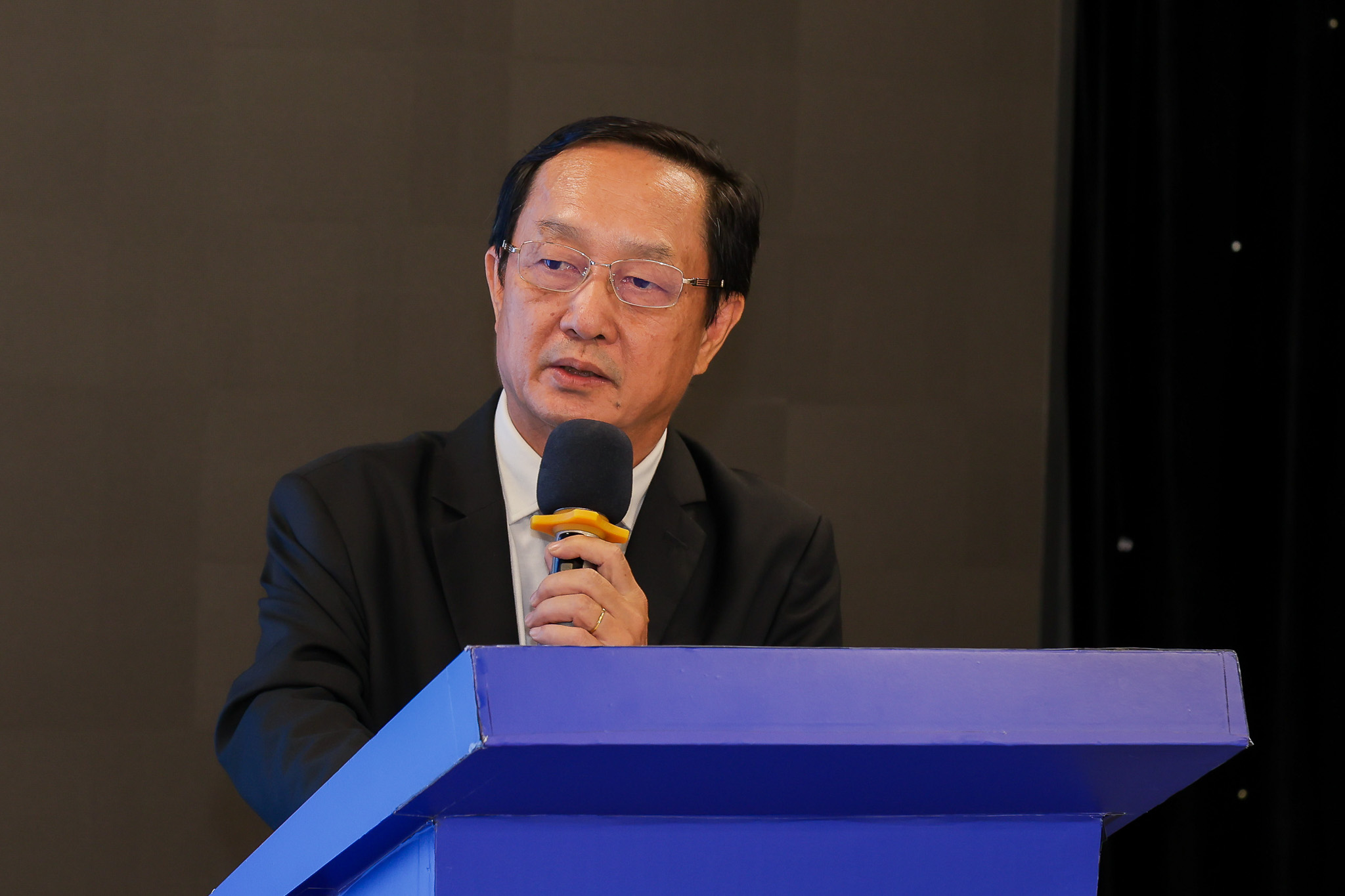
Speaking at the conference, Assoc. Prof. Dr. Huynh Thanh Dat, former Deputy Head of the Central Commission for Publicity and Mass Mobilization, former Minister of Science and Technology, and co-founder of Blue Horizon, stated that sustainable cooperation must first be built on grounds of trust and empathy. In that spirit, Blue Horizon is envisioned not as a one-off meeting but as an annual forum where academia and businesses from both countries exchange views, identify changes, and seek complementary strengths. In his view, Vietnam-Korea relations can go beyond manufacturing and investment. Instead, Vietnam and Korea can foster co-creation through research, technology development, human resource training, and the development of new products and services.
The topics discussed at the conference also showed that cooperation between the two countries is growing markedly. Topics such as economic transformation, business prospects, innovation, technology, and demographic changes are posing new demands for knowledge, resources, and adaptability. Universities are expected to connect research with practical needs and create more platforms for cooperation between academia and businesses.

Building on the discussions, Prof. Dr. Nguyen Thi Thanh Mai, Chancellor of Viet Nam National University Ho Chi Minh City, emphasized that Vietnam-Korea cooperation needs to enter a new phase of joint research, investment, and creation of new values. The opportunity lies not only in what each side has but also in what both can create together by jointly defining problems, mobilizing resources, and bringing knowledge and technology into practice.