Table of contents:
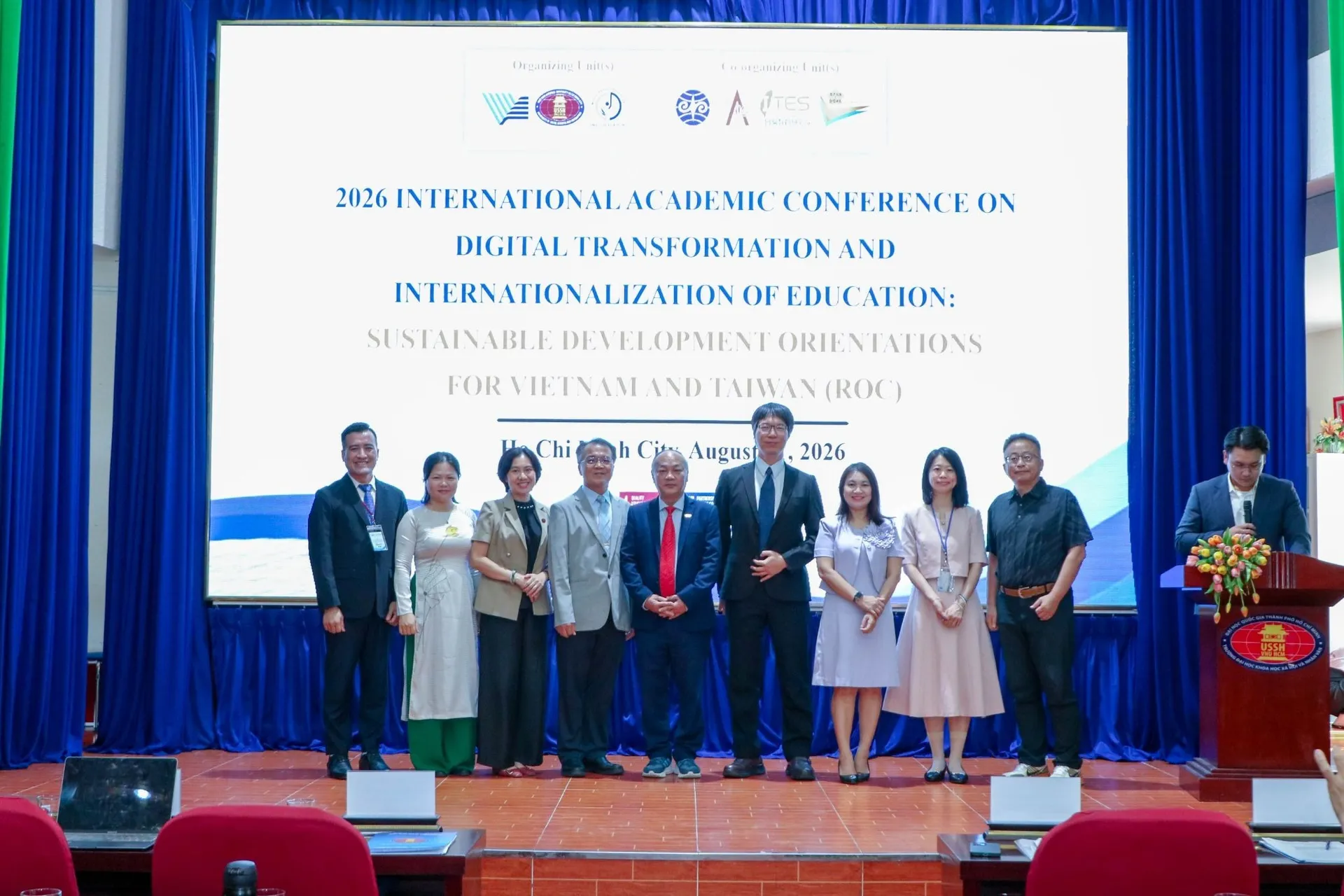
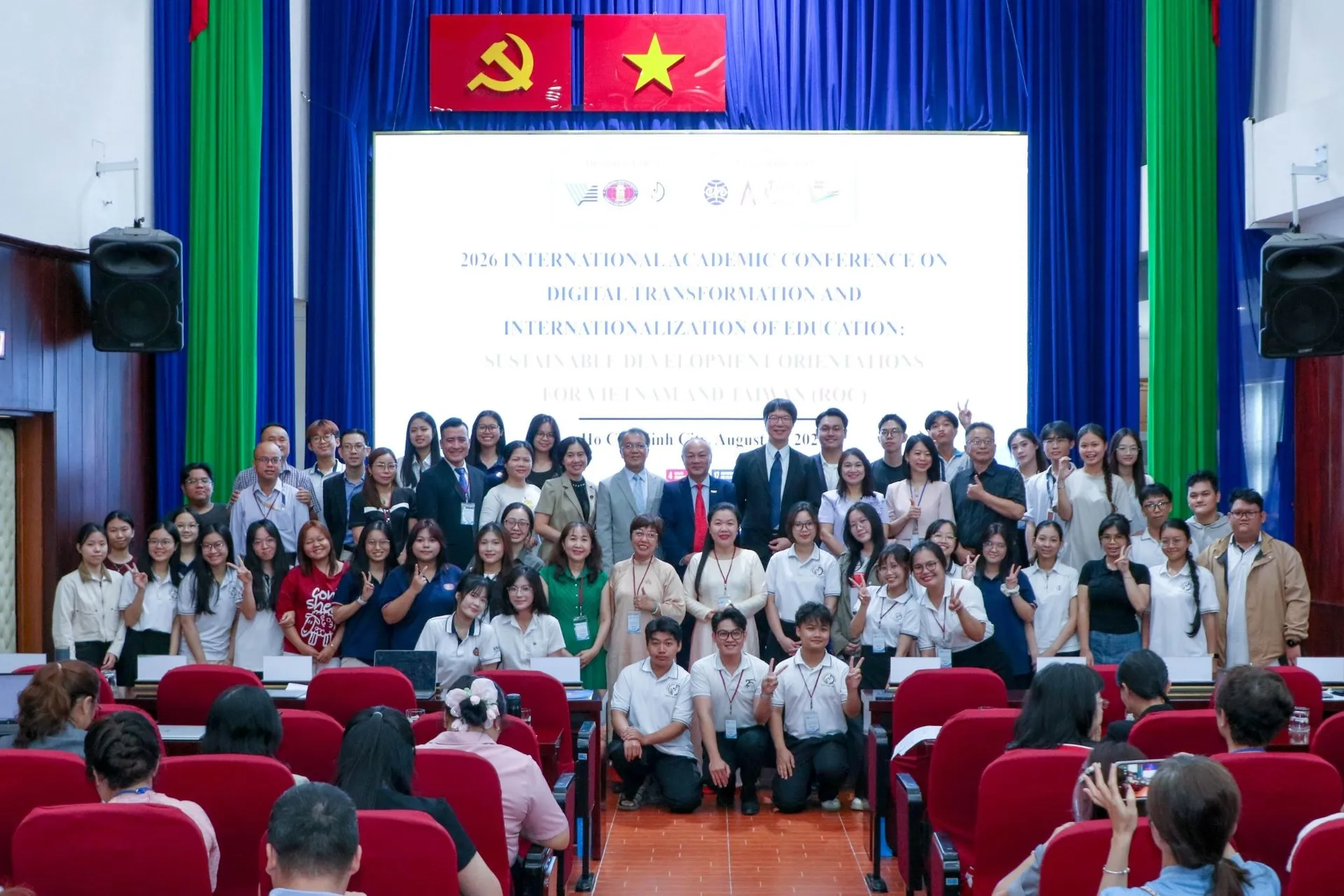
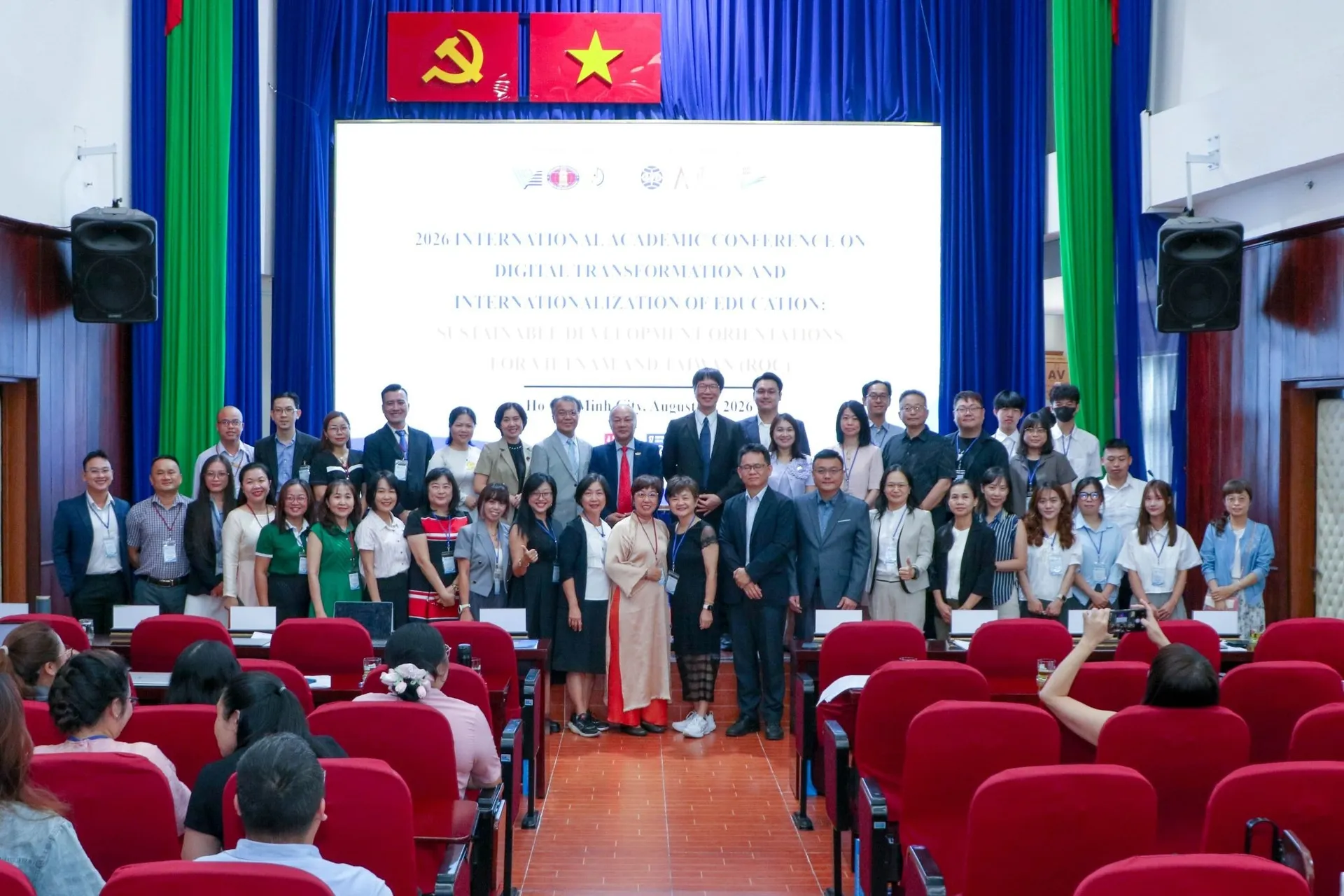
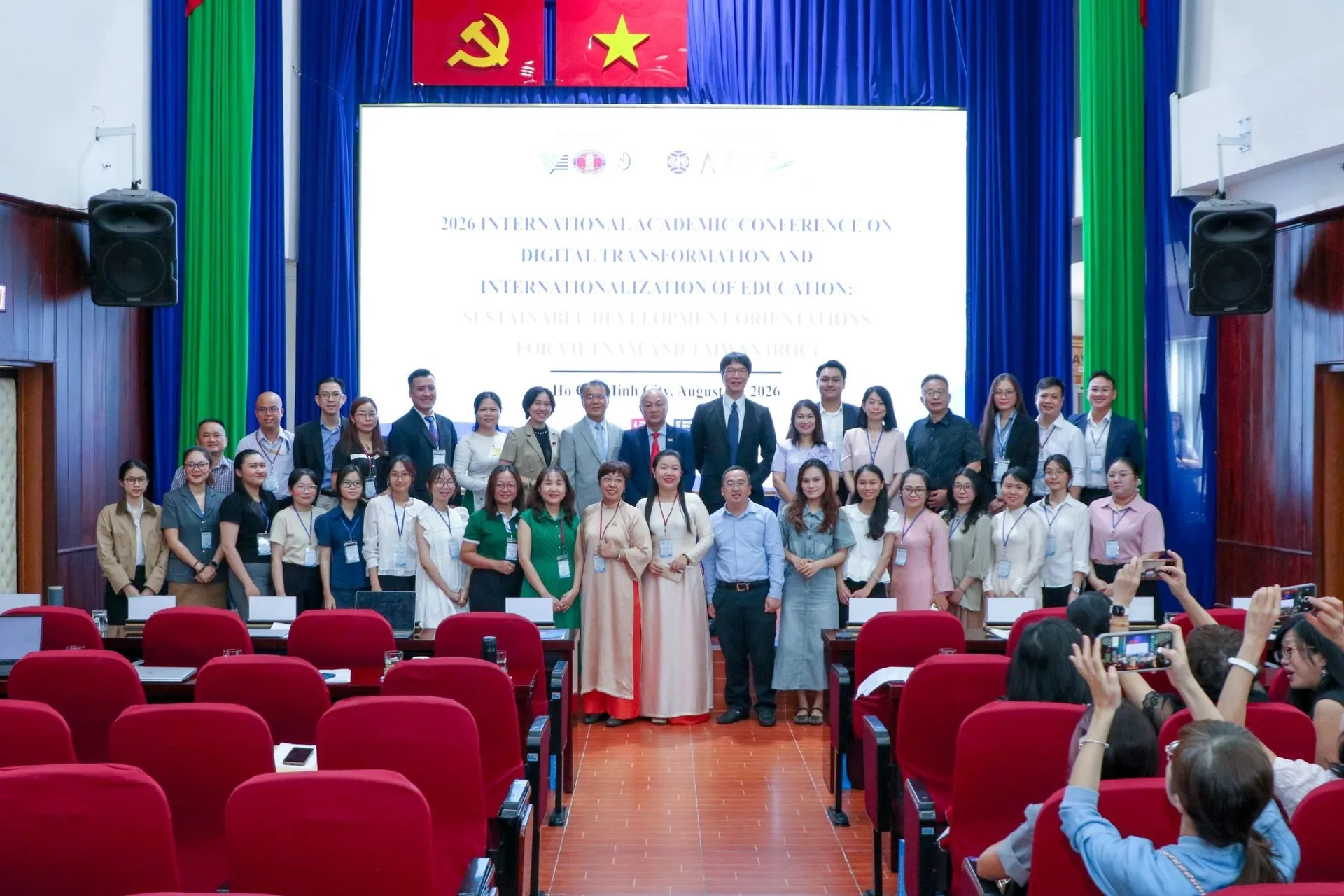
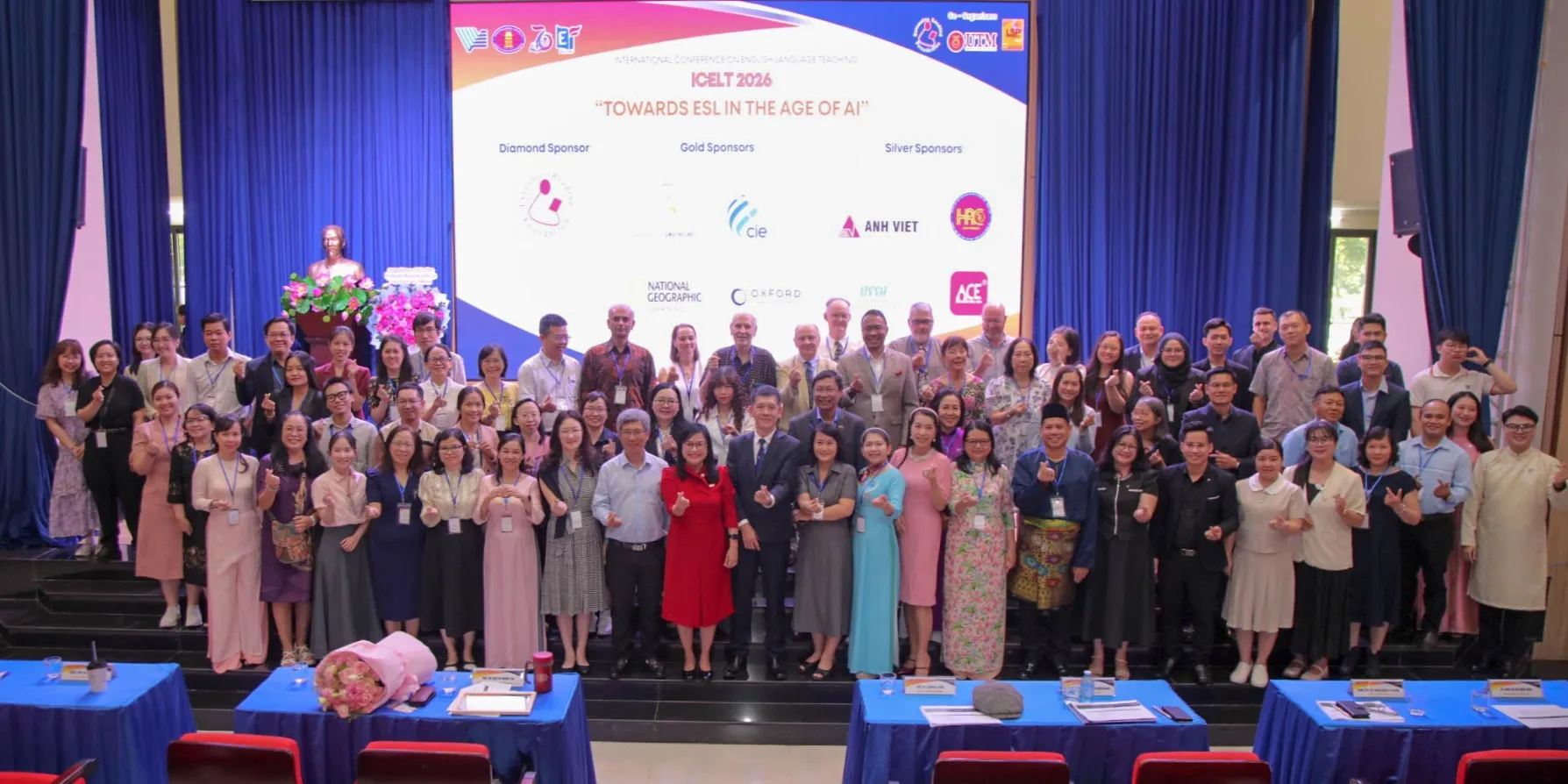
On August 21, 2026, at the Main Hall of the Linh Xuan Campus, USSH, VNU-HCM, in collaboration with National Chi Nan University, Taiwan (China), held the 2026 International Scientific Conference under the theme “Digital Transformation and Internationalization of Education: Sustainable Development Orientations for Vietnam and Taiwan (ROC).”
The conference served as an academic forum to promote research collaboration, connect scholars, facilitate the exchange of experience, and propose orientations and solutions to improve educational quality in alignment with digital transformation, internationalization, and sustainable development.
Strengthening Academic Collaboration
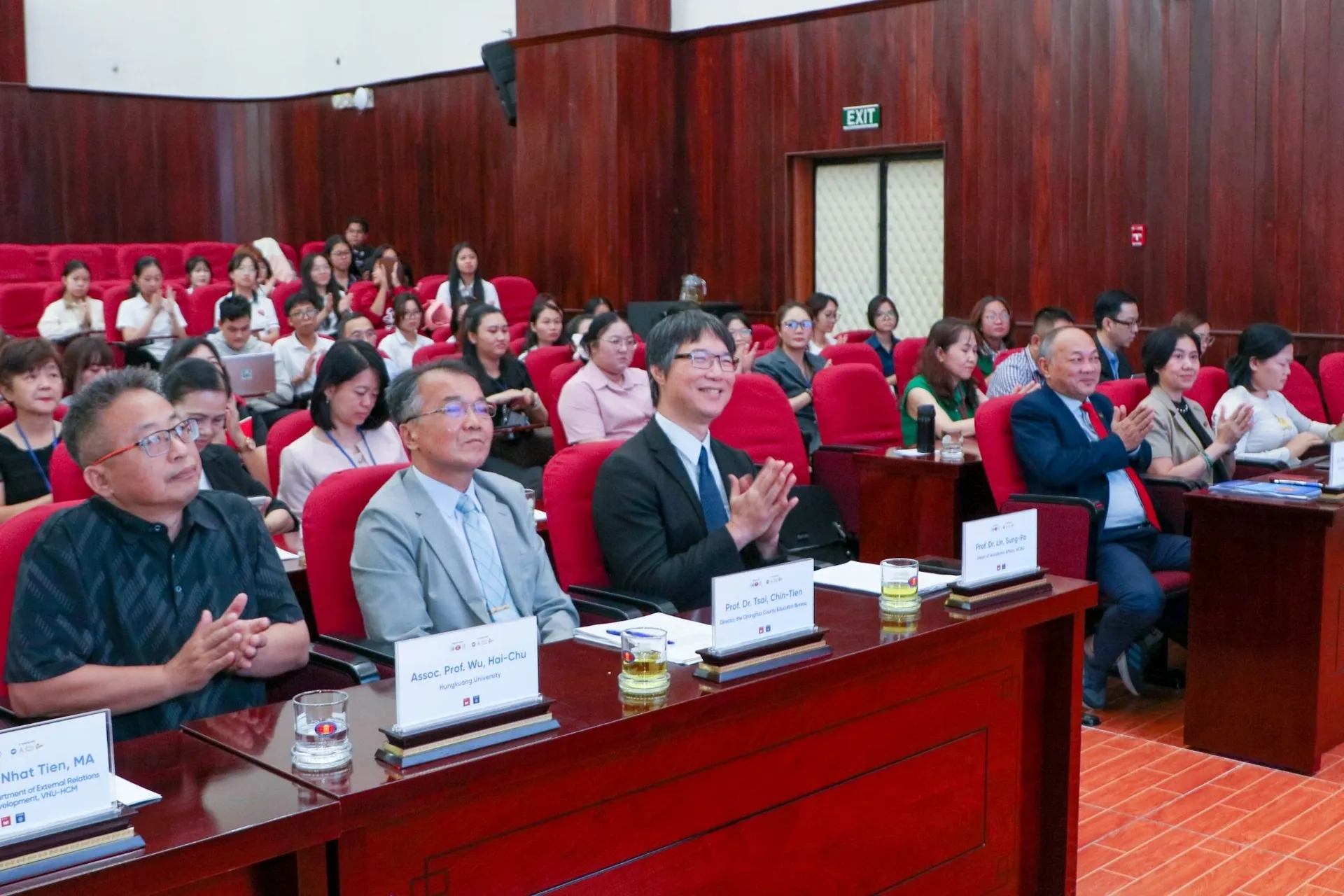
The conference was attended by Prof. Tsai Chin-Tien, Director of the Department of Education of Changhua County, Taiwan (China); Prof. Lin Sung-Po, Dean of Academic Affairs at National Chi Nan University; and a large number of scholars and presenters from Taiwan (China).
Representing VNU-HCM was M.A. Ho Nguyen Nhat Tien, Deputy Head of the Department of External Relations and Project Development. Representing USSH, VNU-HCM were Dr. Phan Thanh Dinh, Vice President; Assoc. Prof. Dr. Duong Minh Quang, Dean of the Faculty of Education; Dr. Hoang Mai Khanh, Head of the Office of Educational Testing and Quality Assurance; and Dr. Nguyen Thi Hao, Dean of the Faculty of Interdisciplinary Sciences; along with researchers, lecturers, doctoral candidates, postgraduate students, and undergraduates.
In his opening remarks, Dr. Phan Thanh Dinh, USSH Vice President, emphasized: “In an era of digitalization and increasingly strong cross-border connectivity, digital transformation is not simply a technological change; more importantly, it represents a profound shift in educational thinking, governance models, and approaches to value creation in education. ”
According to Dr. Phan Thanh Dinh, the internationalization of education should not be measured solely by the number of cooperation agreements or exchange programs, but also by the quality of co-created knowledge and the practical value it brings to learners and society.
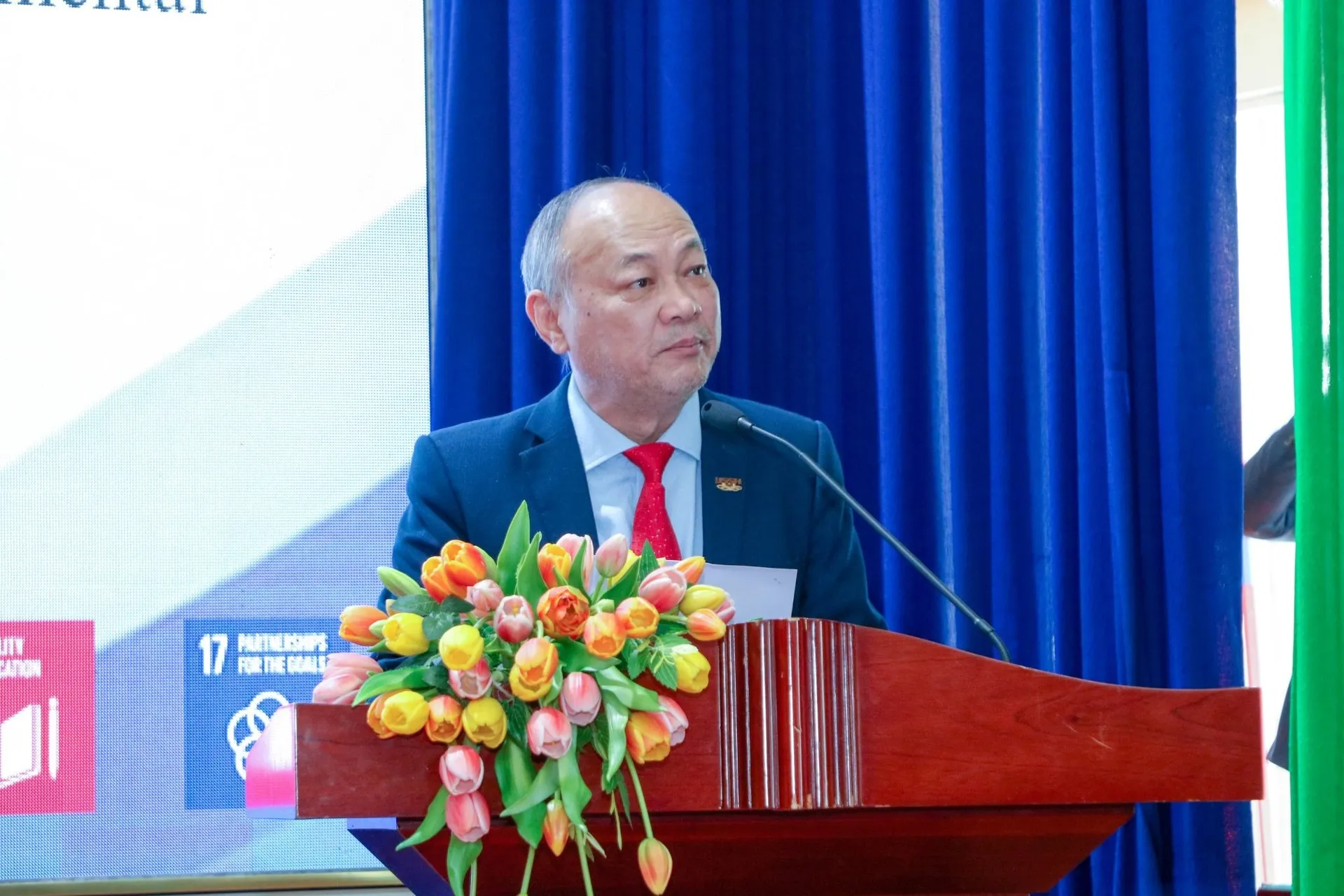
Highly appreciating the partnership established in 2008, Dr. Phan Thanh Dinh expressed hope for deeper cooperation through joint research groups, international co-authored publications, and faculty and student exchanges.
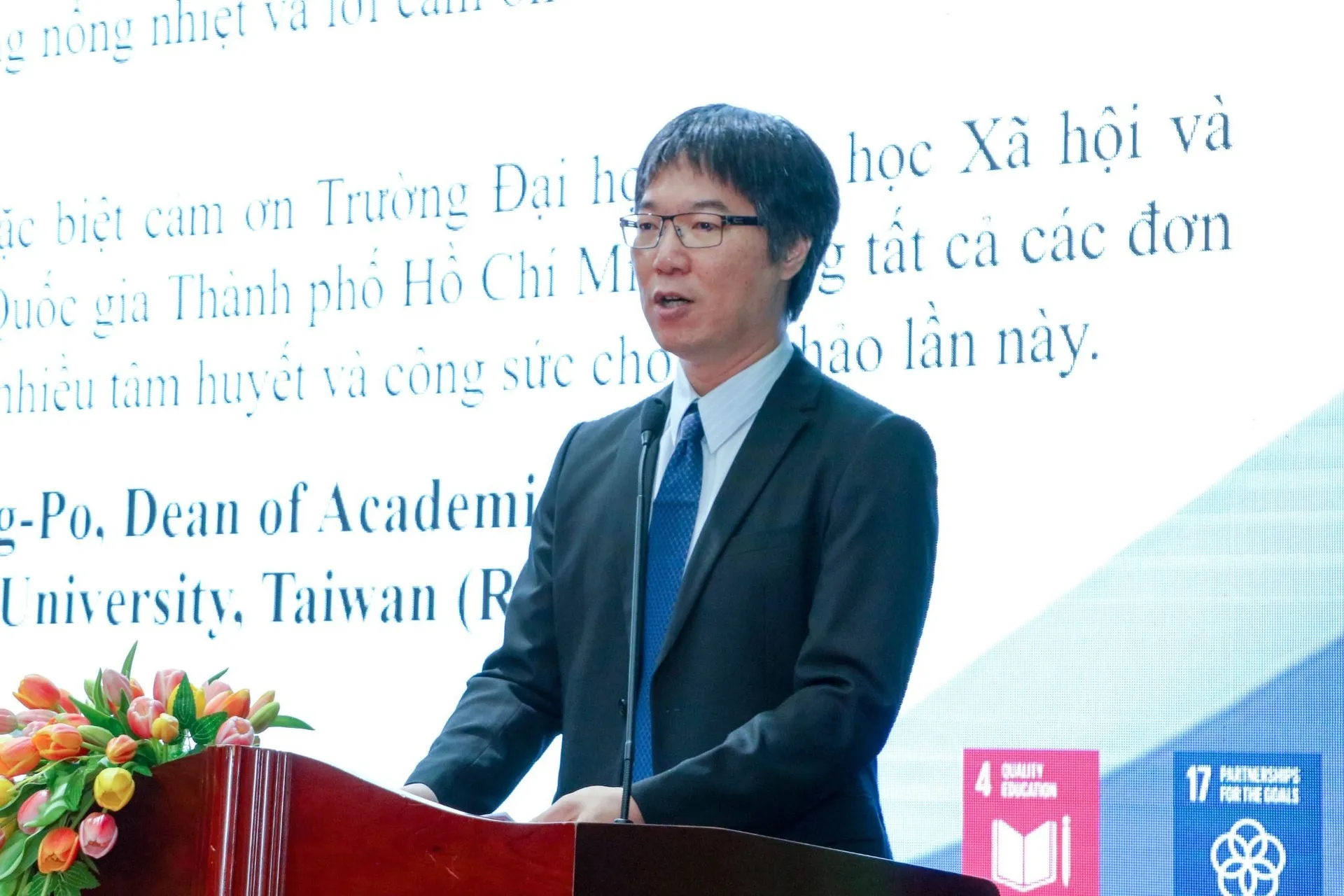
In his welcome remarks, Prof. Lin Sung-Po, Dean of Academic Affairs at National Chi Nan University, noted that the internationalization of education involves exchanging and learning from educational practices and different social contexts, enabling each side to reflect on its own education system. He also highlighted shared challenges facing Vietnam and Taiwan, including declining birth rates, the need to train a future-ready workforce, and educational governance amid the rapid development of artificial intelligence (AI).
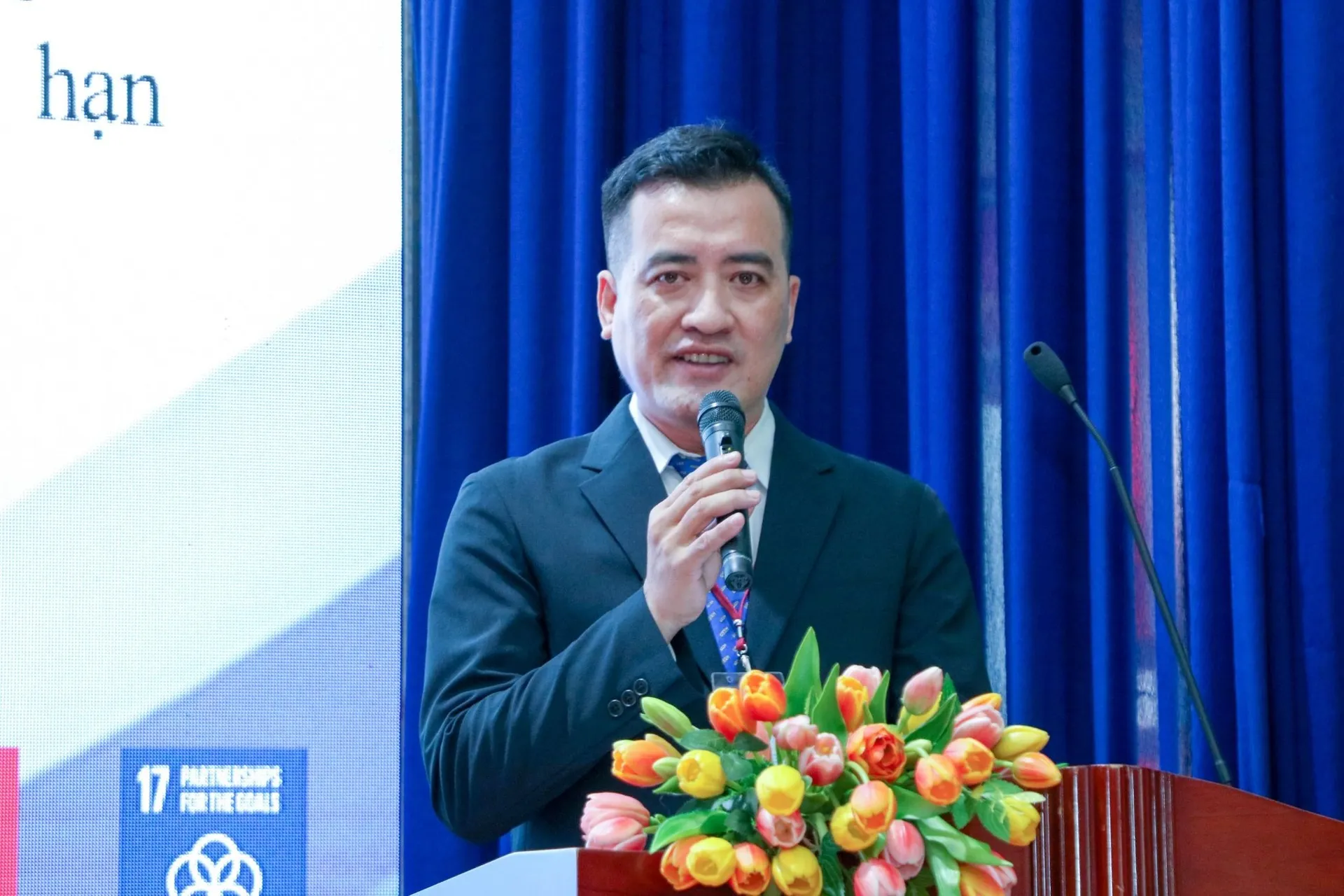
At the conference, Assoc. Prof. Dr. Duong Minh Quang, Dean of the Faculty of Education, delivered the introductory report, highlighting the interconnection among three major trends in contemporary education: digital transformation, internationalization, and sustainable development.
He emphasized that digital transformation should go beyond technology adoption to enhance educational quality and learner autonomy, while upholding ethical standards and academic integrity and narrowing the digital divide.
Emerging Issues in Digital Transformation and the Internationalization of Education
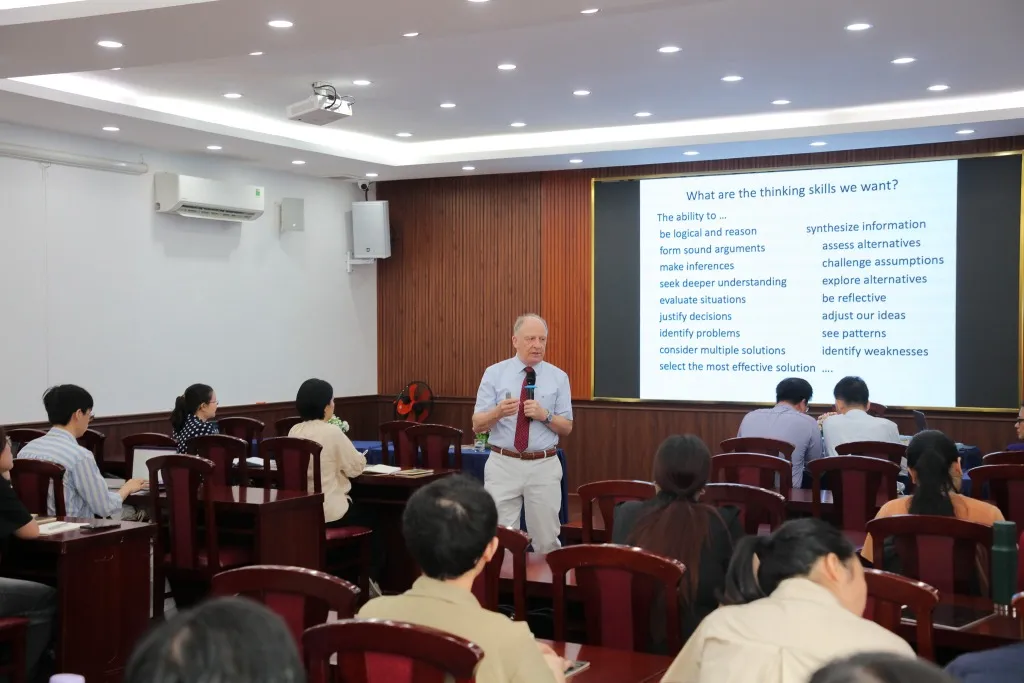
At the plenary session, two keynote presentations addressed prominent educational issues in the context of digital transformation.
The presentation “Analyzing Policy Documents on Interdisciplinary Human Resource Development in the Digital Era,” delivered by Prof. Lin Sung-Po and Chia-Hsin Lin of National Chi Nan University, systematically analyzed policy documents on interdisciplinary human resource development to meet the demands of the digital era.
Meanwhile, Dr. Nguyen Thi Hao, Dean of the Faculty of Interdisciplinary Sciences, presented a paper titled “Quality Assurance of Micro-Credentials in Teachers’ Professional Learning: A Systematic Literature Review and Implications for Teacher Education in ASEAN.” The paper reviewed quality assurance for micro-credentials in teachers’ professional learning and highlighted implications for teacher education and professional development across ASEAN.
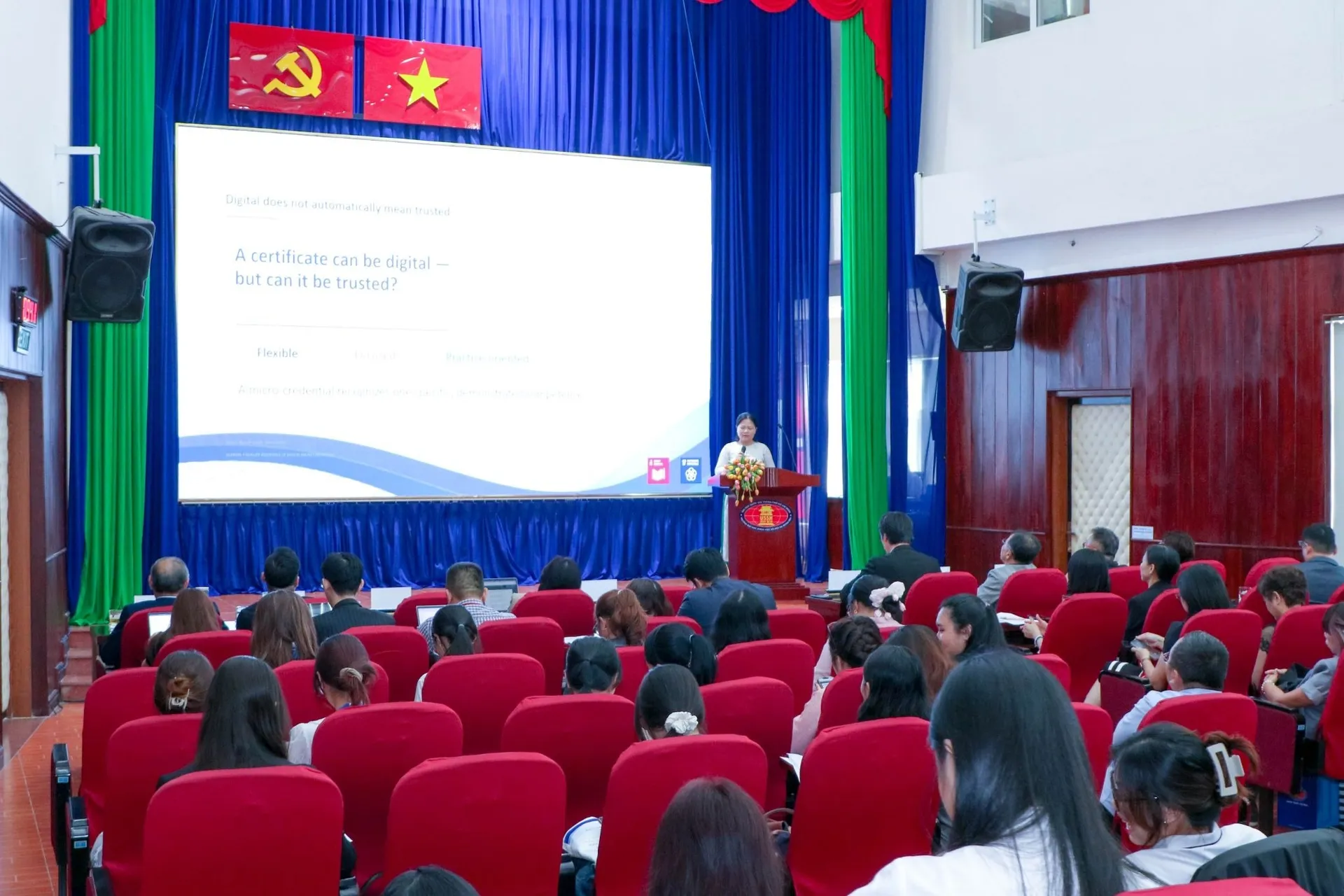
Parallel sessions featured lively discussions on AI in teaching and learning, future-ready competencies and digital citizenship, internationalization of education, educational governance and quality assurance, and the development of AI-powered smart education ecosystems and campuses.
The presentations focused on the use of GenAI in learning material design and the development of self-study skills, the role of digital competencies in lifelong learning, responsible governance of generative AI in scientific research, comparative education between the two countries, and educational quality assurance. Other studies examined AI’s impact on learners’ psychology, skills, and learning experiences, offering broader perspectives on education in the digital era.
The discussions fostered academic exchange between faculty, researchers and students from both universities, sharing research findings and opening up new opportunities for collaboration in research, training and sustainable educational development.