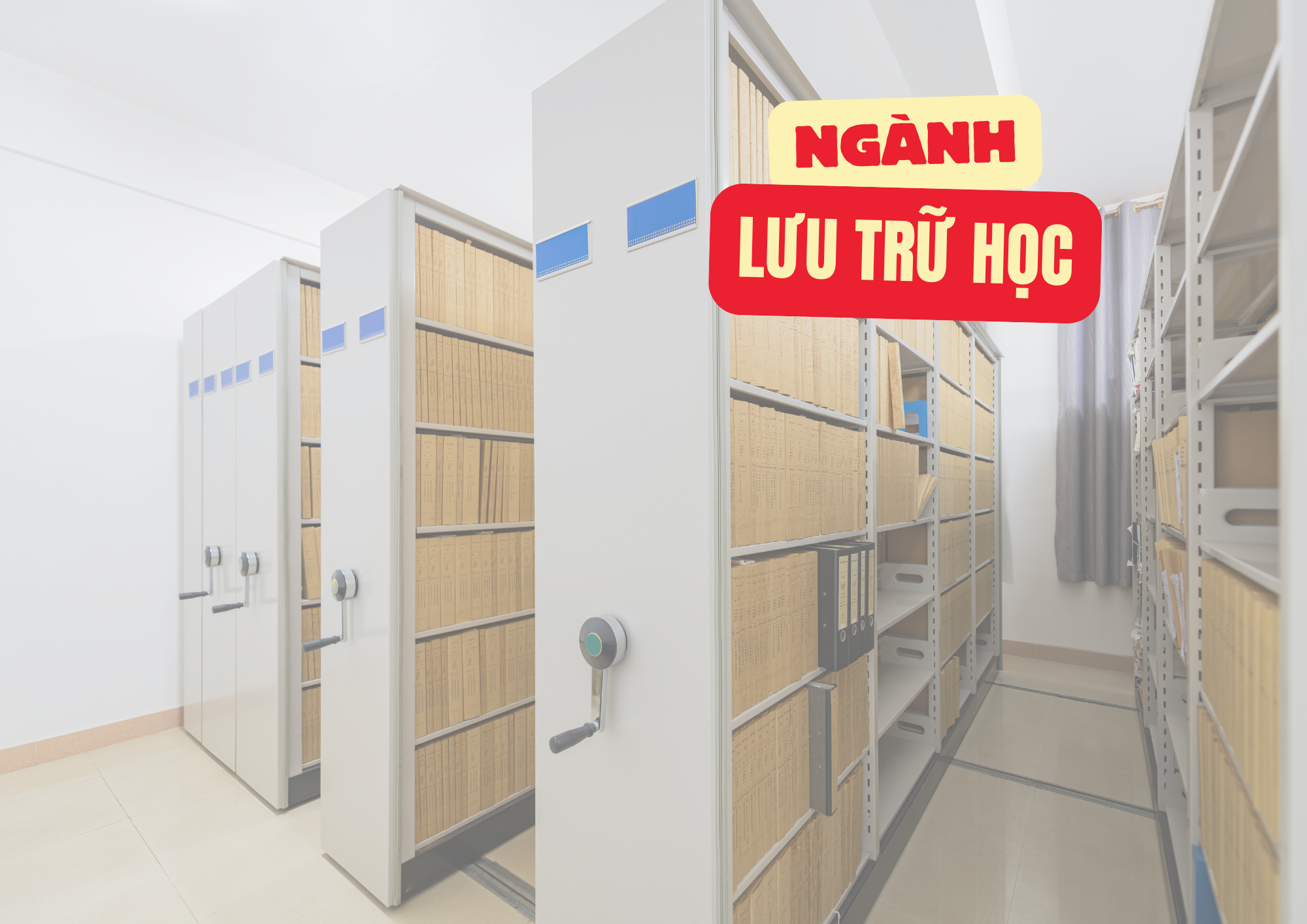
1. Introduction to Archival Science – training towards a liberal, interdisciplinary, and modern approach
Archival Science (Archival Science/Archivology) is an interdisciplinary science that plays a pivotal role in managing the "life cycle" of information, from the moment a document is created until it becomes a national archival record. This major trains graduates capable of establishing scientific document management systems, ensuring the authenticity and information security for organizations. In the digital era, Archival Science is not just about preserving traditional paper documents but has transitioned strongly into digital data management and technology application, extending beyond the public sector to the private sector to unlock value from "information treasures" for administrative management and socio-cultural development.
2. Why study this major
- The intersection of tradition and technology: This is a rare major that combines historical and humanistic values with modern information technology skills such as AI, Big Data, and digital system management.
- Strategic role in digital transformation: Every organization entering the digital transformation phase faces data management challenges. Archival Science graduates are the experts who solve this problem by building electronic archival, security, and intelligent data retrieval systems.
- Sustainable and diverse career opportunities: With the legal requirement for record management in all state agencies and the inherent needs of large enterprises, personnel in this field always have a wide range of opportunities from the public to the private sector – especially as the Party and State are focusing on developing the private economic sector, and the 2024 Law on Archives provides a legal direction for the development of private archives.
- The mission of preserving memory: Archivists have the honor of being in contact with and safeguarding historical documents, from family heritage to important records of the state and economic corporations, helping to shape identity and maintain sustainable development.
3. What students will learn in the program
Flexible training time from 3.5 to 4 years with a workload of approximately 122 - 125 credits. The learning path is scientifically designed through stages:
- Foundational knowledge & Supplemental skills: In addition to political and legal theory, students learn about Digital Skills and AI applications, Critical Thinking, Effective Communication, and Specialized Foreign Language.
- Core knowledge of the major: Introduction to Data Science, Management, History of State and Law, Overview of Clerical Work and General Archival Science.
In-depth knowledge such as document drafting techniques, scientific organization of documents, preservation and organization of archival material usage; Modern Archival Science such as digitization and electronic archives, risk management, right to access information, information security, audiovisual archives, and scientific-technological document archives. Interdisciplinary knowledge such as office management, information management, office culture, and public service ethics.
4. Strengths of the training program
Advanced educational philosophy: Especially the Whole person - Liberal - Multicultural Education philosophy, helping students not only be skilled in their profession but also possess open, independent, creative thinking and high adaptability.
Strong technology application: The program constantly updates the latest trends such as E-Government, Open Data, and advanced document management software.
High practicality: The ratio of practice, discussion, and internship hours occupies a significant proportion. Students are engaged in practical experiential modules from the very first years.
Faculty and resources of the member university within Viet Nam National University Ho Chi Minh City: Lecturers are leading experts with high qualifications, combined with modern library and laboratory systems.
5. Skills and competencies students will achieve
Professional competence: Competently apply professional procedures from document formation to collection, arrangement, preservation, and organization of exploitation, and promotion of archival document value.
Comprehensive digital skills: Competently use document and record management software, execute data digitization projects, and apply AI to optimize work.
Soft skills & Foreign language: Intercultural communication competence, teamwork, presentation skills, and the ability to use a foreign language (English) in professional work meeting B1 standard or higher.
Management thinking: Ability to advise, build regulations, procedures, and manage information risks for leaders of agencies and enterprises.
6. Career opportunities
Archival Science graduates have a very diverse career development path:
- Group 1 (Public sector): Civil servants, clerical and archival officials at ministries, sectors, People's Committees at all levels; National Archives Centers; or specialized archives (Public Security, Military, Banking, Health...).
- Group 2 (Private sector): Data management specialists, project record managers, secretaries, administrative assistants at multinational corporations, commercial banks, and non-governmental organizations.
- Group 3 (Service & Start-up): Consultant experts in building digital document management systems; providing document arrangement and digitization services, or trading archival products.
- Group 4 (Research & Teaching): Developing as a lecturer at universities, colleges, or a researcher in information science and archival studies.
7. Internship and corporate cooperation opportunities
- Systematic internship system: Students undergo at least 2 practical internships, usually lasting from 02 to 03 months at state agencies, organizations, and enterprises.
- Networking with experts: Regularly organizing seminars and specialized reports from practical managers at Departments, Archive Centers, and major technology enterprises.
Practice on real projects: Students have the opportunity to participate directly in document arrangement or digitization projects of partner units right during the study process, helping to accumulate practical experience and expand recruitment networks./.