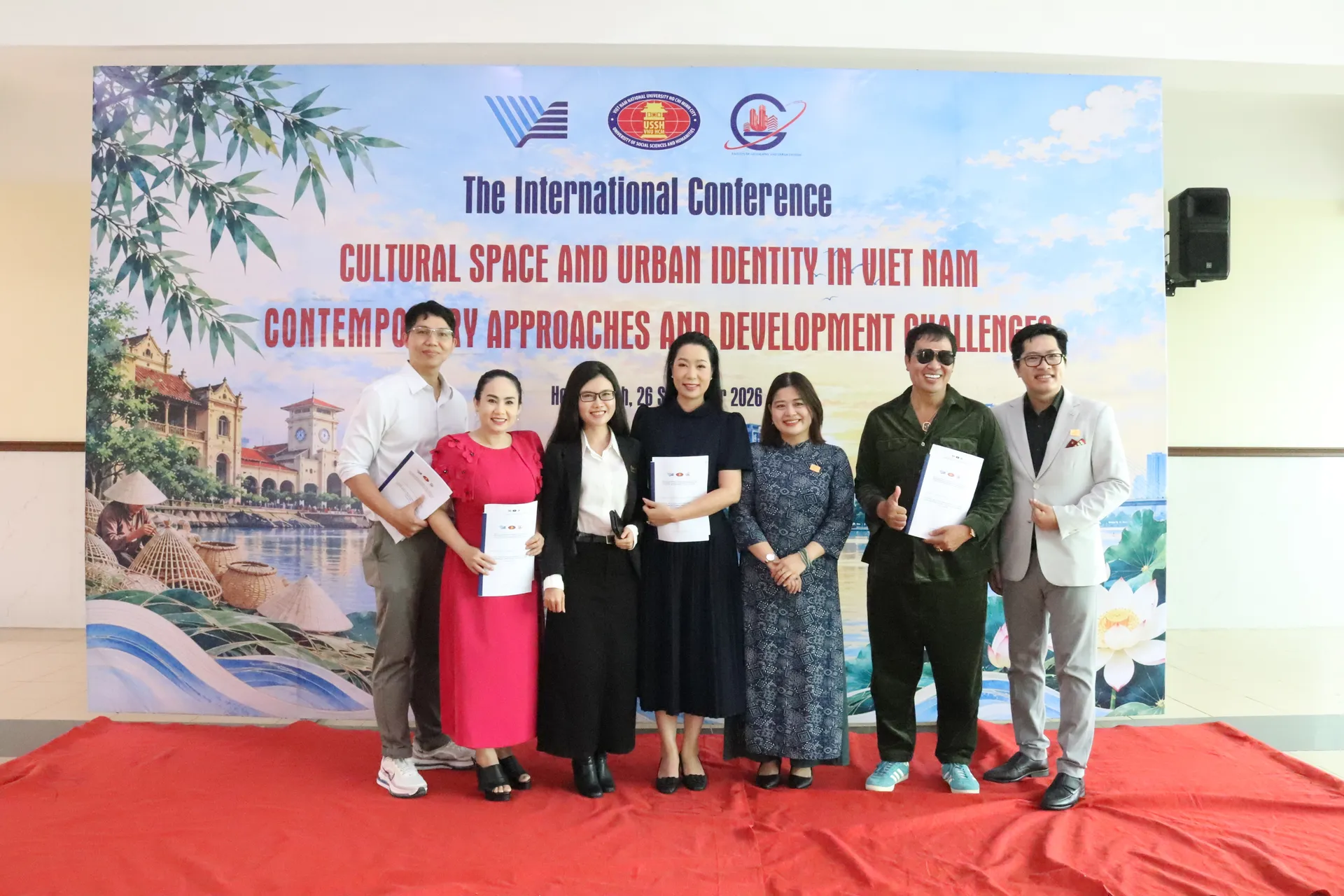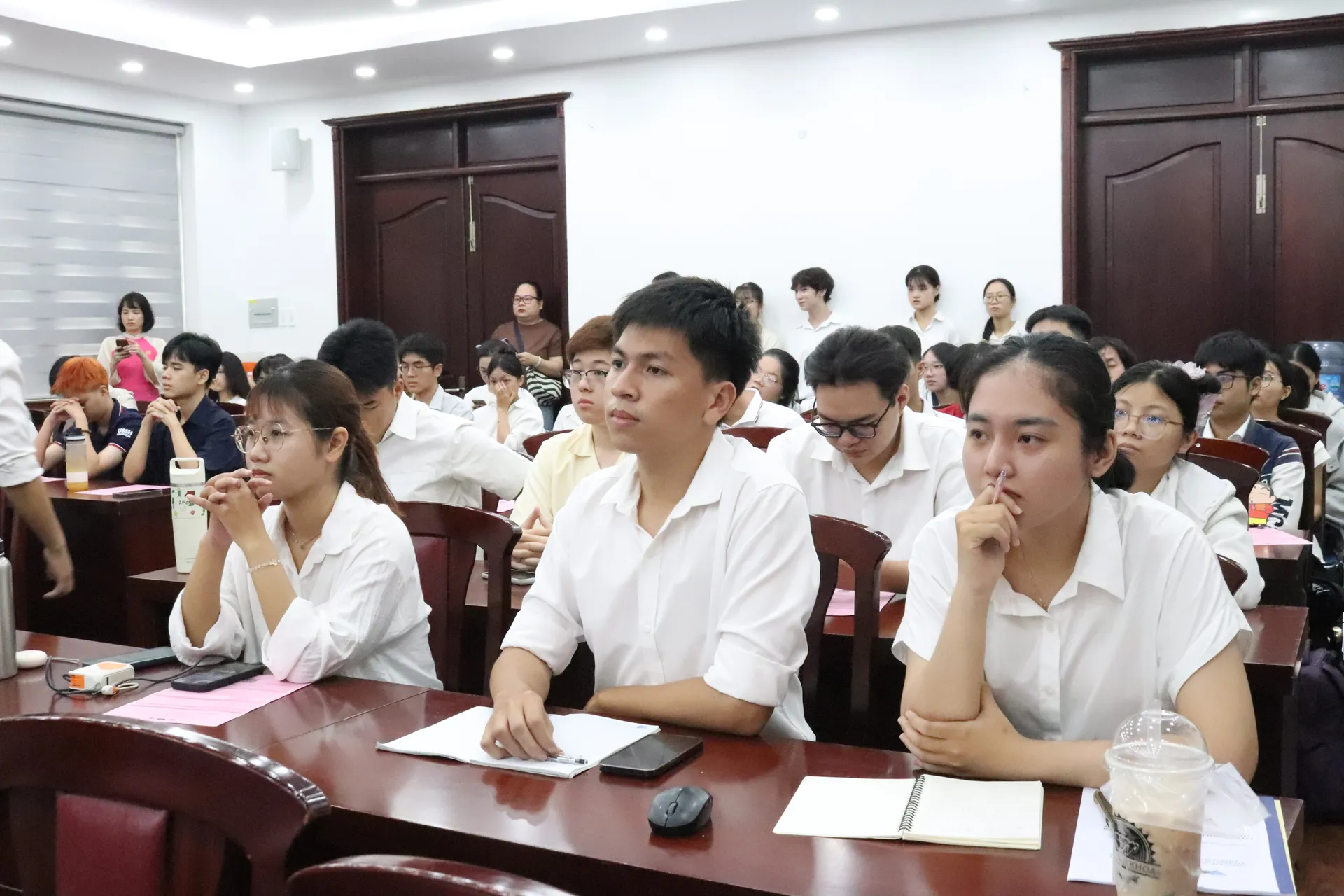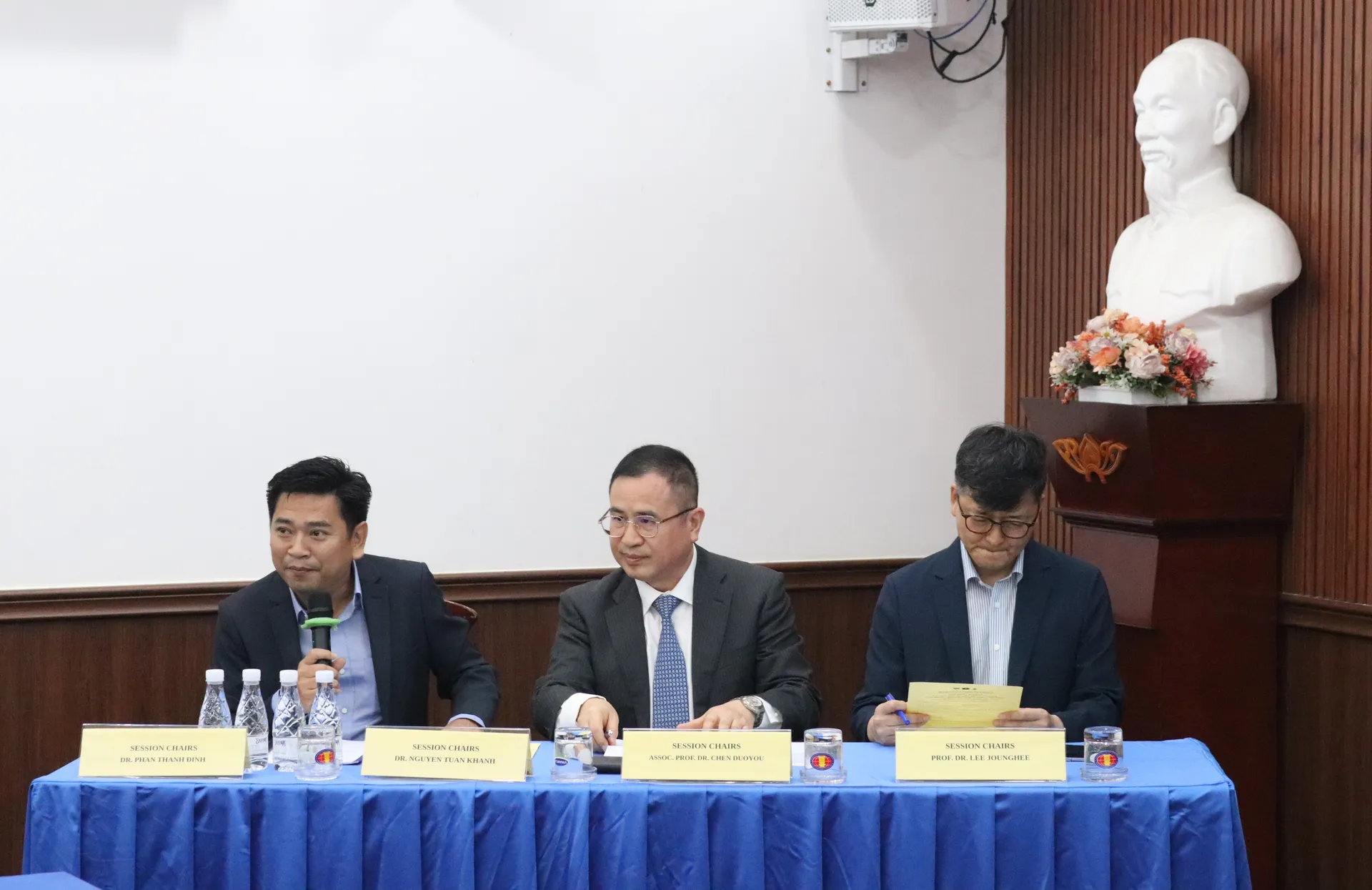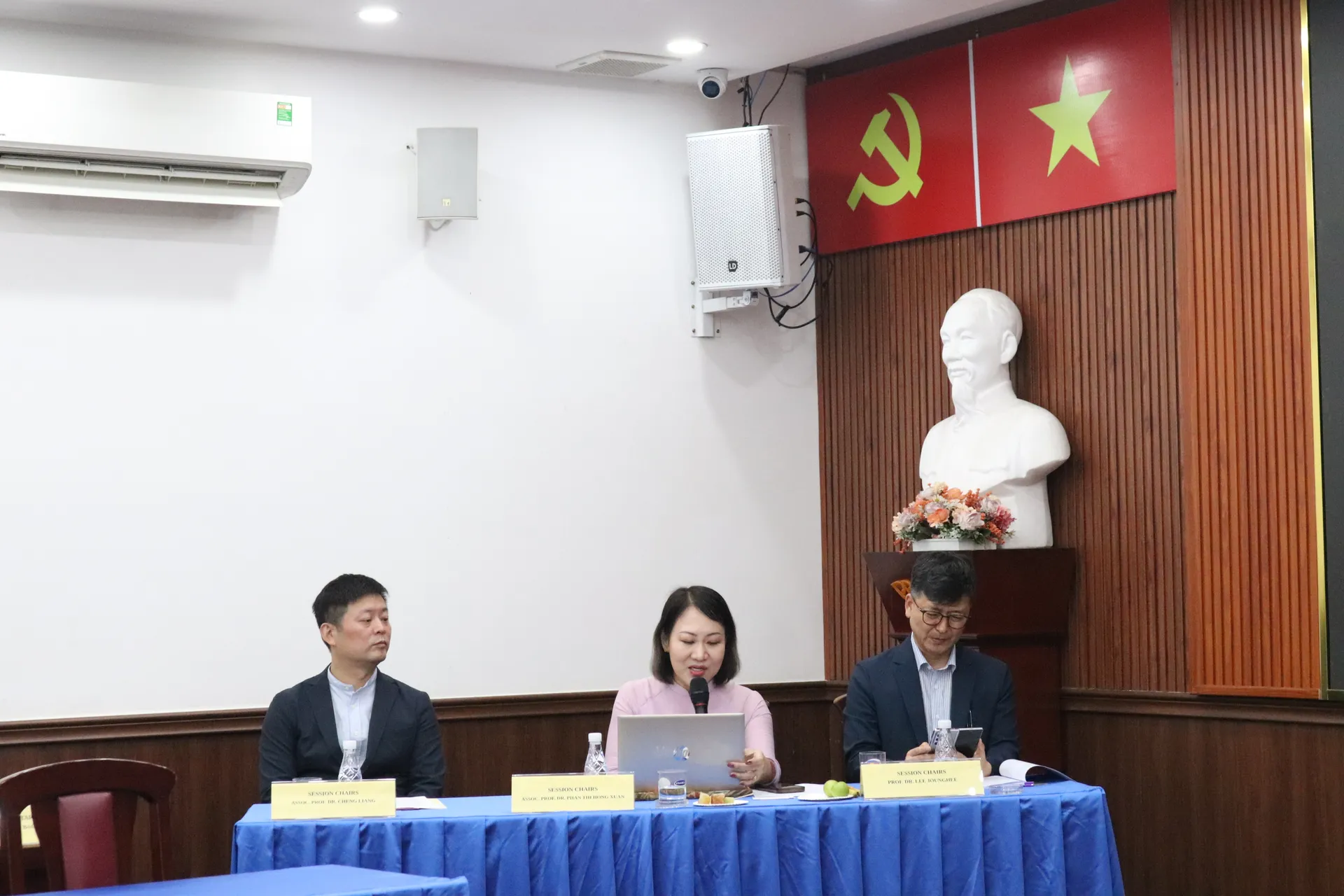
On September 26, the University of Social Sciences and Humanities, Viet Nam National University Ho Chi Minh City (USSH-VNUHCM) hosted the International Conference on "Cultural Space and Urban Identity in Vietnam: Contemporary Approaches and Development Challenges." The event convened researchers and faculty from Vietnam, South Korea, China, and Indonesia to explore strategies for preserving cultural heritage and integrating identity into sustainable urban development.
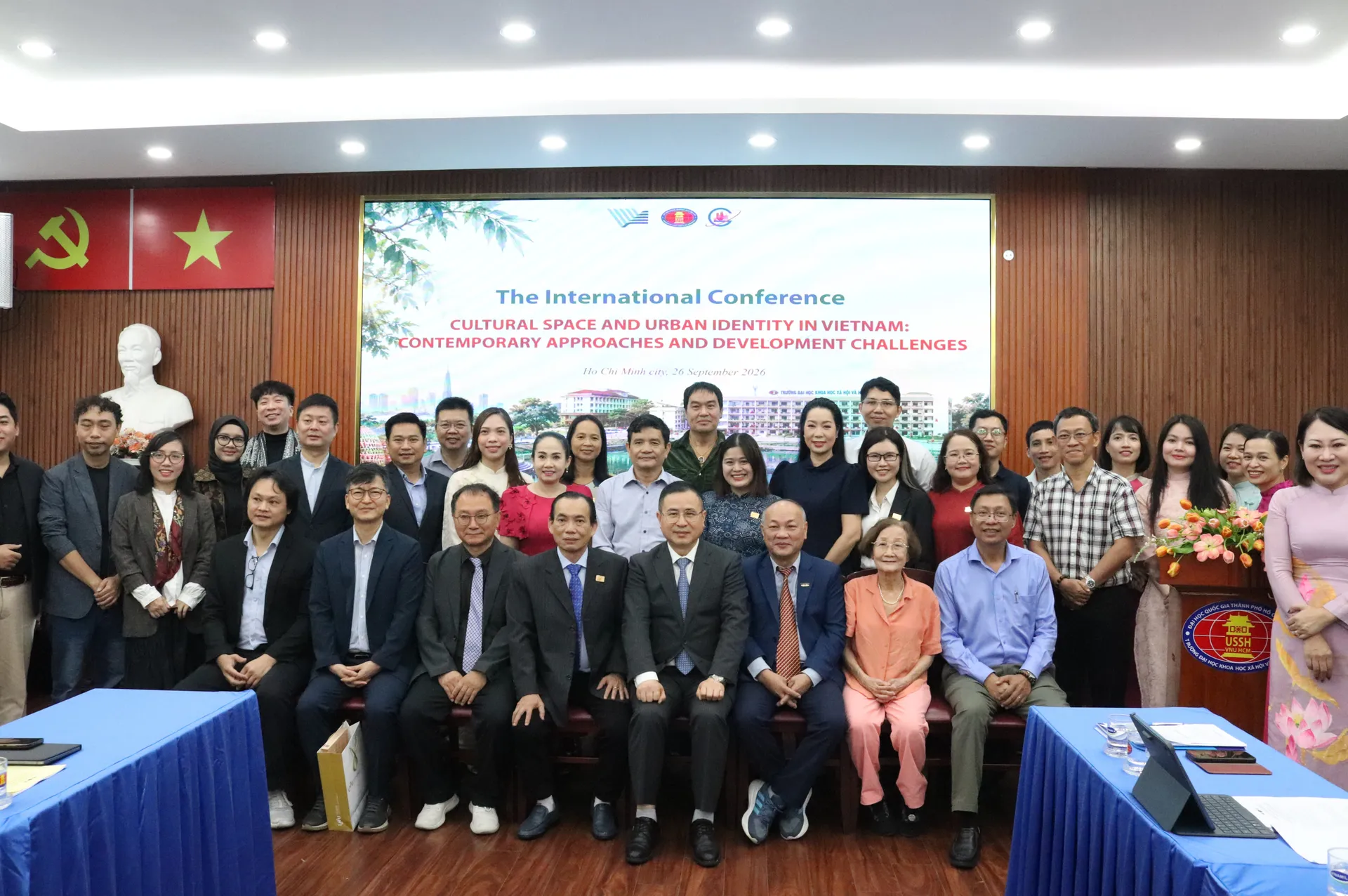
In his opening remarks, Dr. Phan Thanh Dinh, Vice President of USSH-VNUHCM, emphasized that urban spaces transcend mere buildings, infrastructure, and economic activities; they serve as dynamic socio-cultural arenas where community values are forged and transformed. Consequently, the conference provided a vital forum to discuss contemporary approaches to urban space, identity, and developmental challenges. "International and interdisciplinary collaboration plays an essential role in generating new knowledge and advancing research methodologies," he noted. “Furthermore, it transforms these academic findings into practical contributions for urban planning, management, heritage conservation, and sustainable development.”
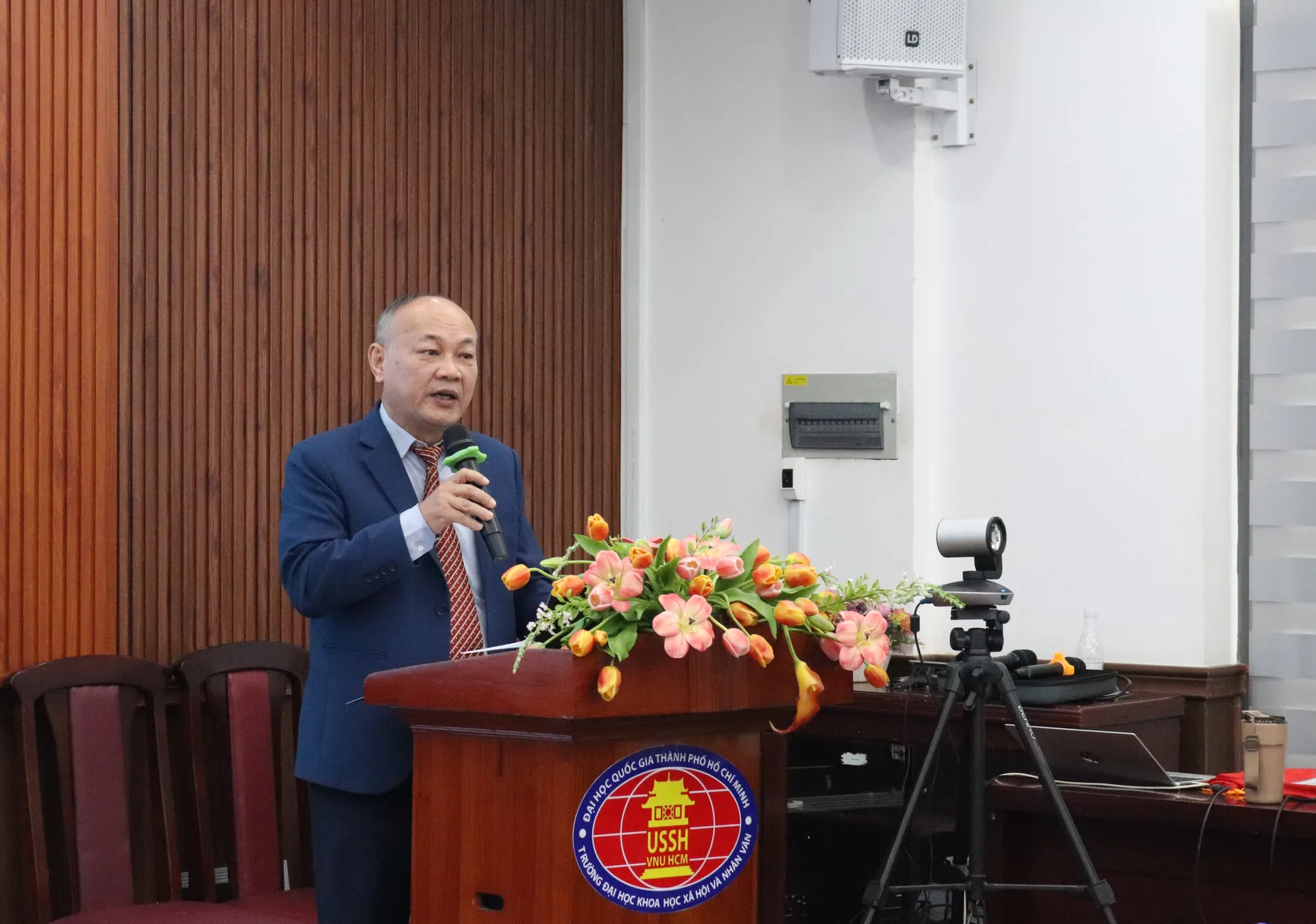
Delivering the keynote address, Dr. Le Thanh Hoa, Dean of the Faculty of Geography and Urban Studies and Director of the Center for Sea and Island Studies and Climate Change, highlighted how urbanization, globalization, climate shifts, and digital technologies pose novel challenges to Vietnam’s urban identity. He stressed the imperative to harmonize modern, green, and sustainable urban growth with cultural preservation, advocating for robust interdisciplinary dialogue to bridge academic research with policymaking and practice.
The conference featured a plenary session with two primary reports, followed by parallel discussions across two panel tracks. During the plenary, Dr. Le Thanh Hoa presented his paper, "The Identity of a Polycentric Megacity: Shaping the Cultural Space of Ho Chi Minh City Post-Merger in a Century-Long Vision." The report argued that urban planning must integrate cultural identity alongside land, infrastructure, environmental, and economic objectives to authentically reflect the metropolis's diverse layers of identity.
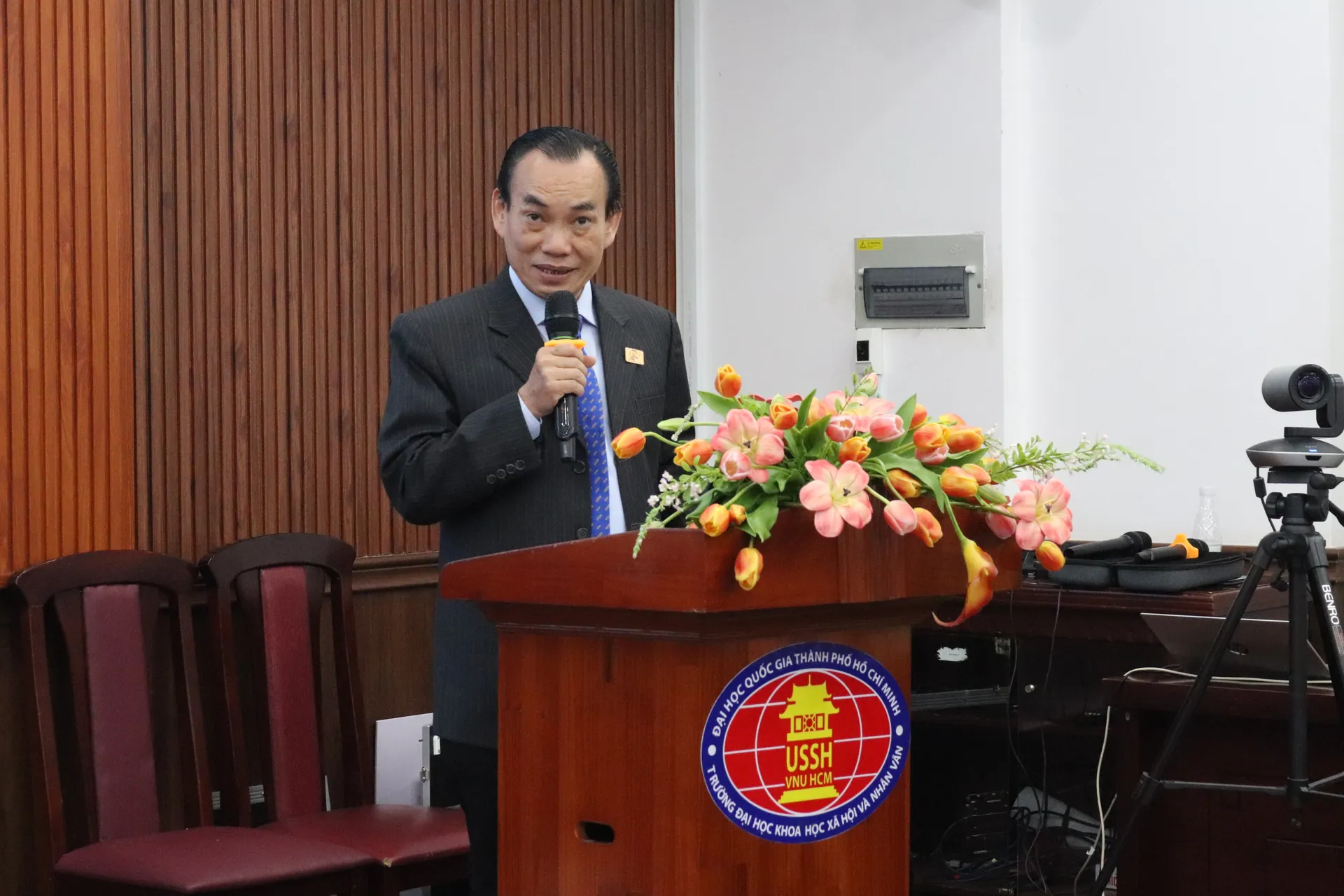
Subsequently, Dr. Michael Ling Tiing Soon from Landmark Property and Development Consultants delivered a presentation titled "Traditional Cultural Space and Urban Identity in Vietnam: Challenges, Opportunities, and Integrated Solutions Toward Net-Zero Emissions." His report examined the intricate relationship between traditional cultural spaces and Vietnam's urban identity, outlining cohesive strategies necessary to achieve net-zero development goals.
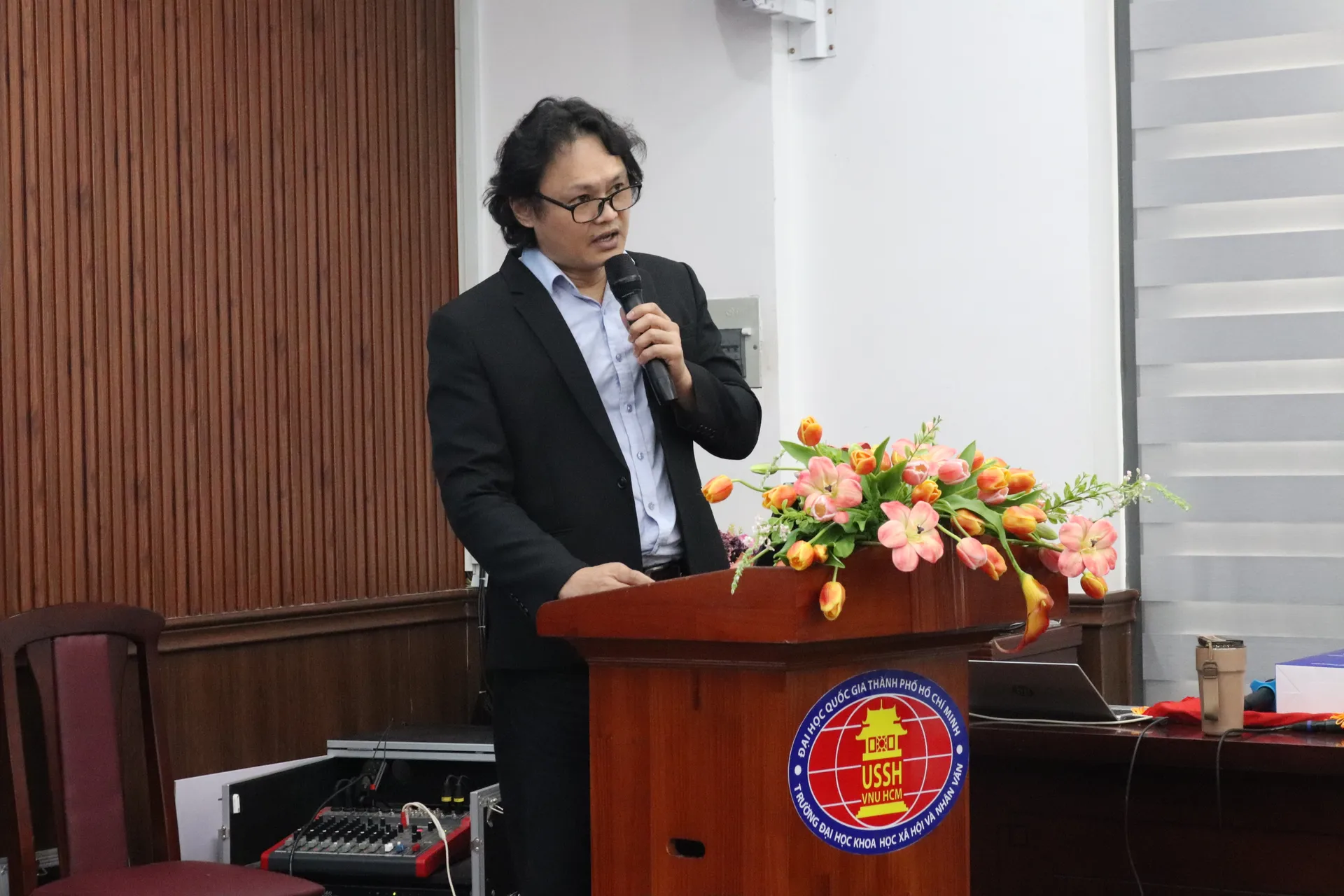
Spearheading the first panel, Professor Lee JoungHee from Incheon National University (South Korea) presented "The History and Function of Chinese Assembly Halls in Ho Chi Minh City, Vietnam: The Case of On Lang (Fujian) Assembly Hall." Through this case study, the research illuminated the critical role of Chinese community institutions in shaping and sustaining the city's cultural fabric.
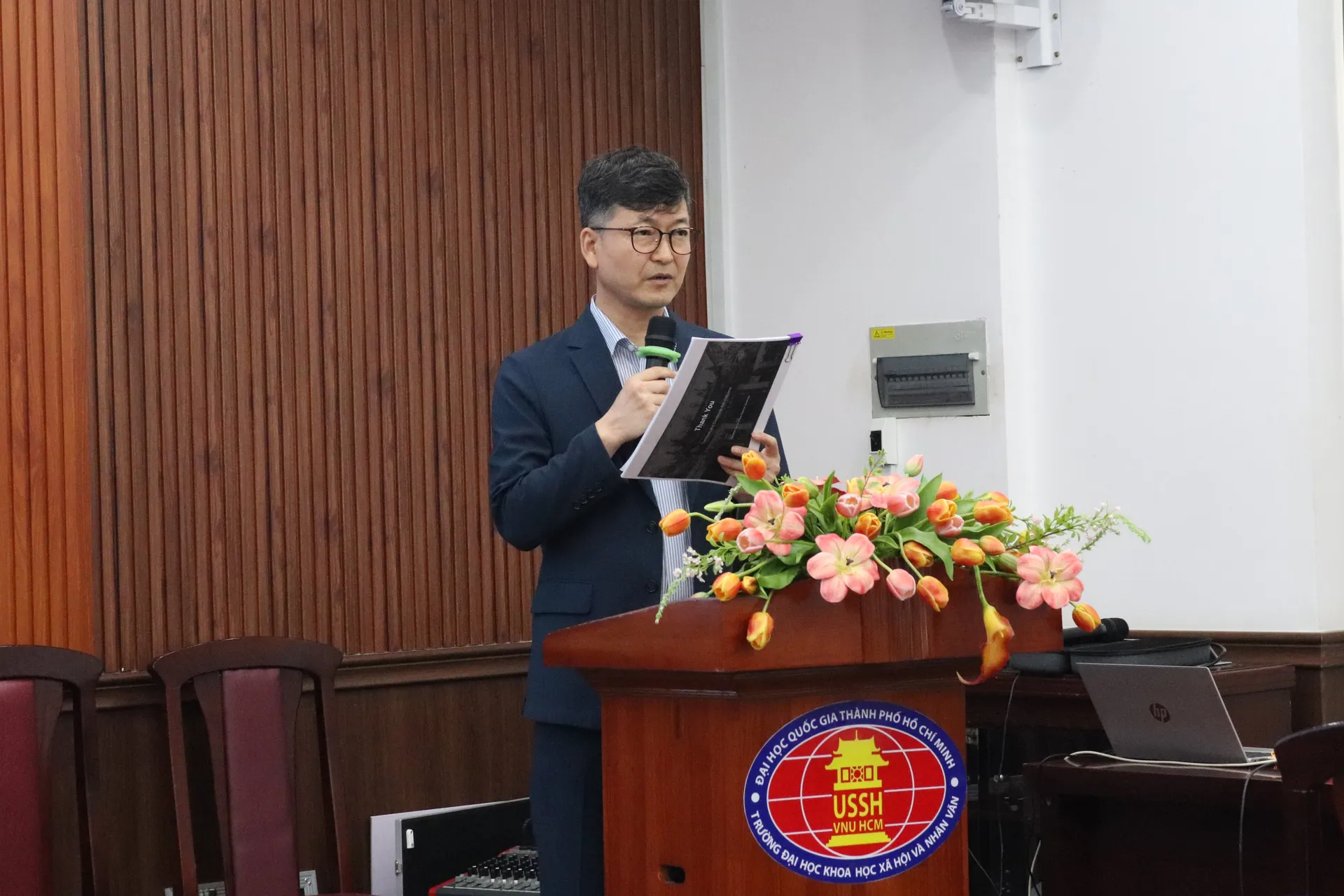
Associate Professor Cheng Liang from Guangdong University of Foreign Studies (China) shifted the lens to culinary history with his paper, "The Development of Xiguan Sweet Soup Culture: A Socio-Historical Study of KAI JI DESSERT." Offering an architectural perspective, PhD Candidate Franseno Pujianto Tan from the University of Indonesia presented "Spatial Reassembly: Another Perspective on the Old Quarter," introducing fresh interpretations of historical urban spaces.
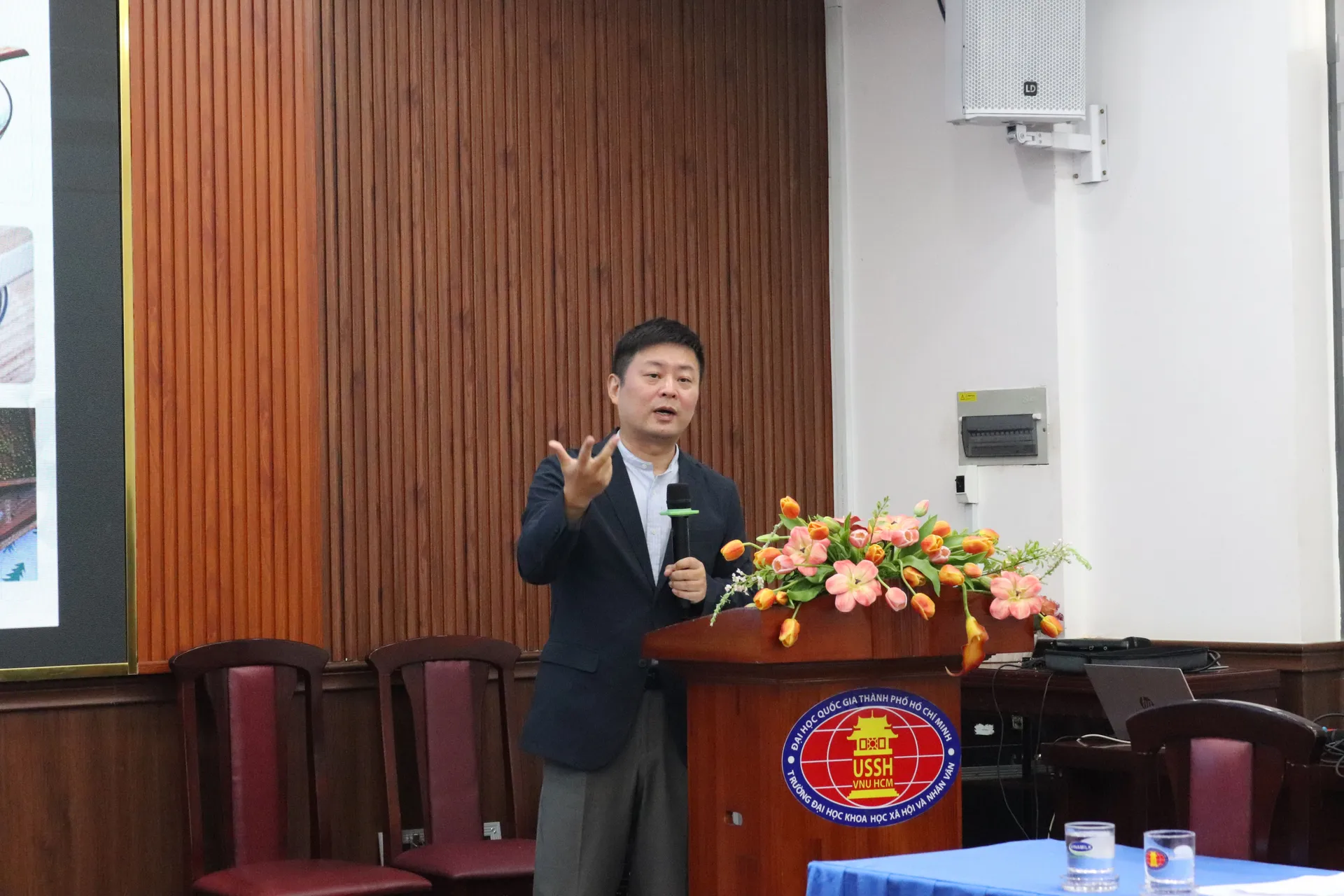
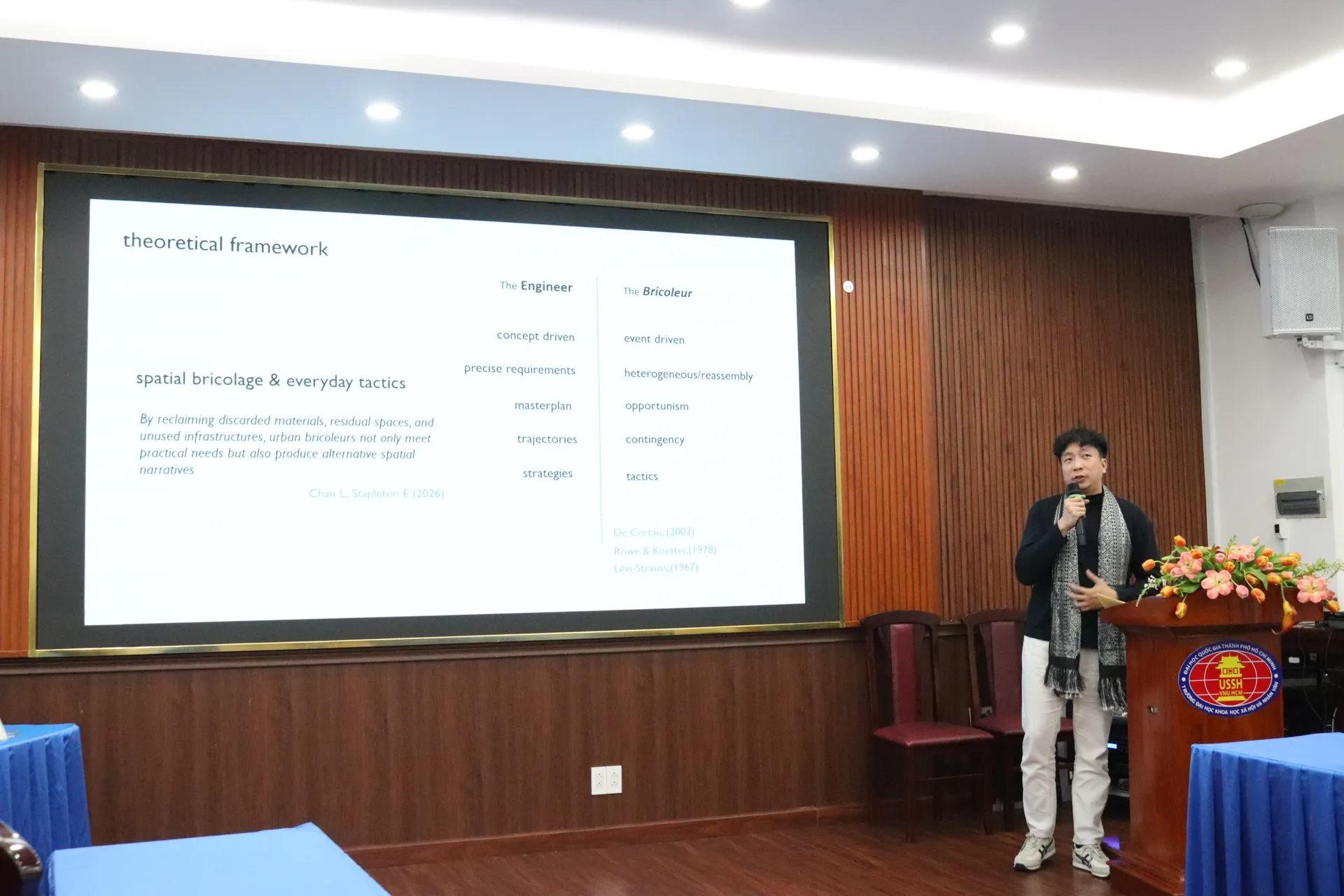
Concluding Panel 1, Associate Professor Phan Thi Hong Xuan of USSH-VNUHCM explored "Religious Urbanism as 'Soft Infrastructure': The Role of Buddhist Spaces in Forging Identity and Enhancing Community Connectivity in Contemporary Southeast Asian Cities." Her research underscored how spiritual spaces anchor identity and foster cohesion across modern urban landscapes.
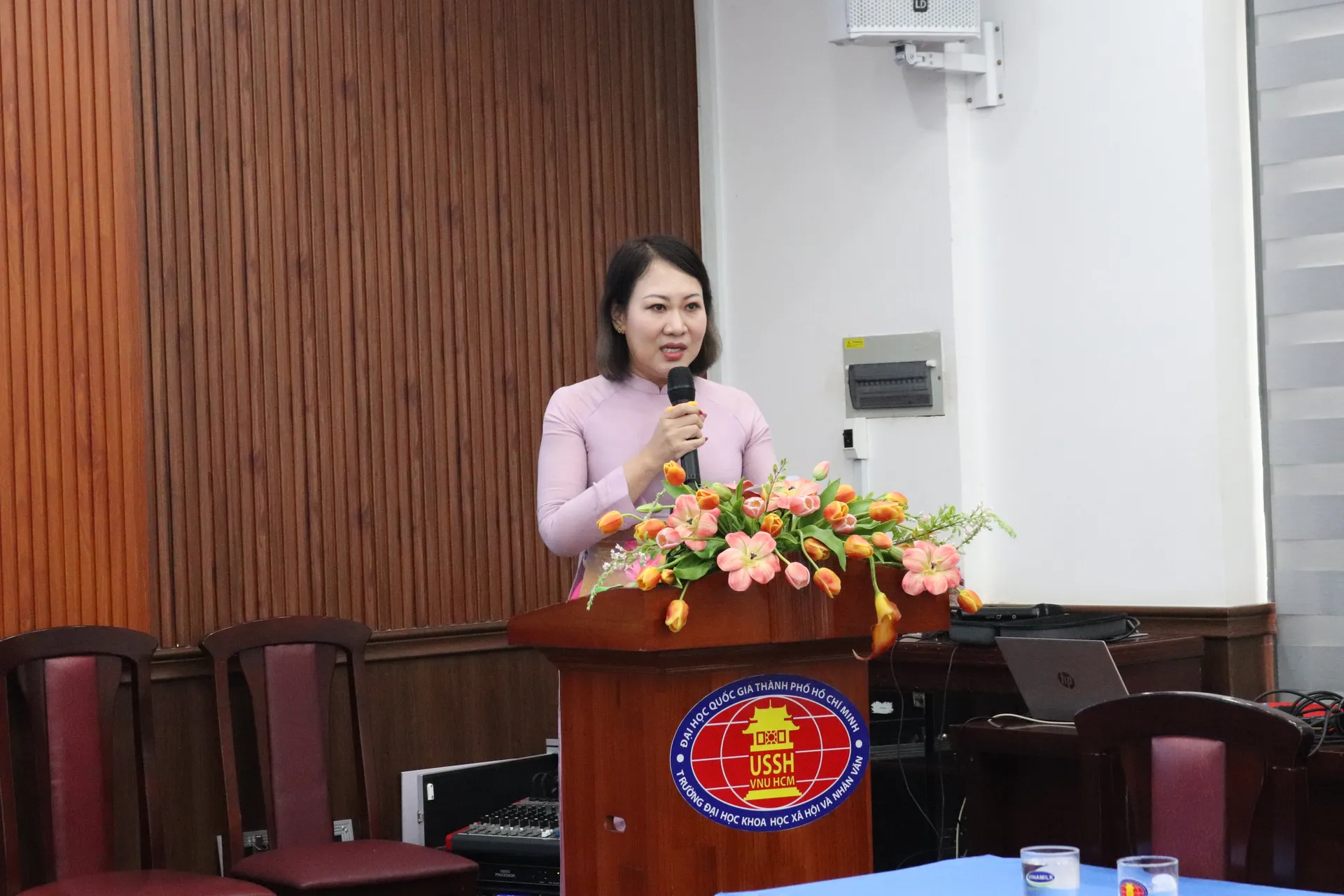
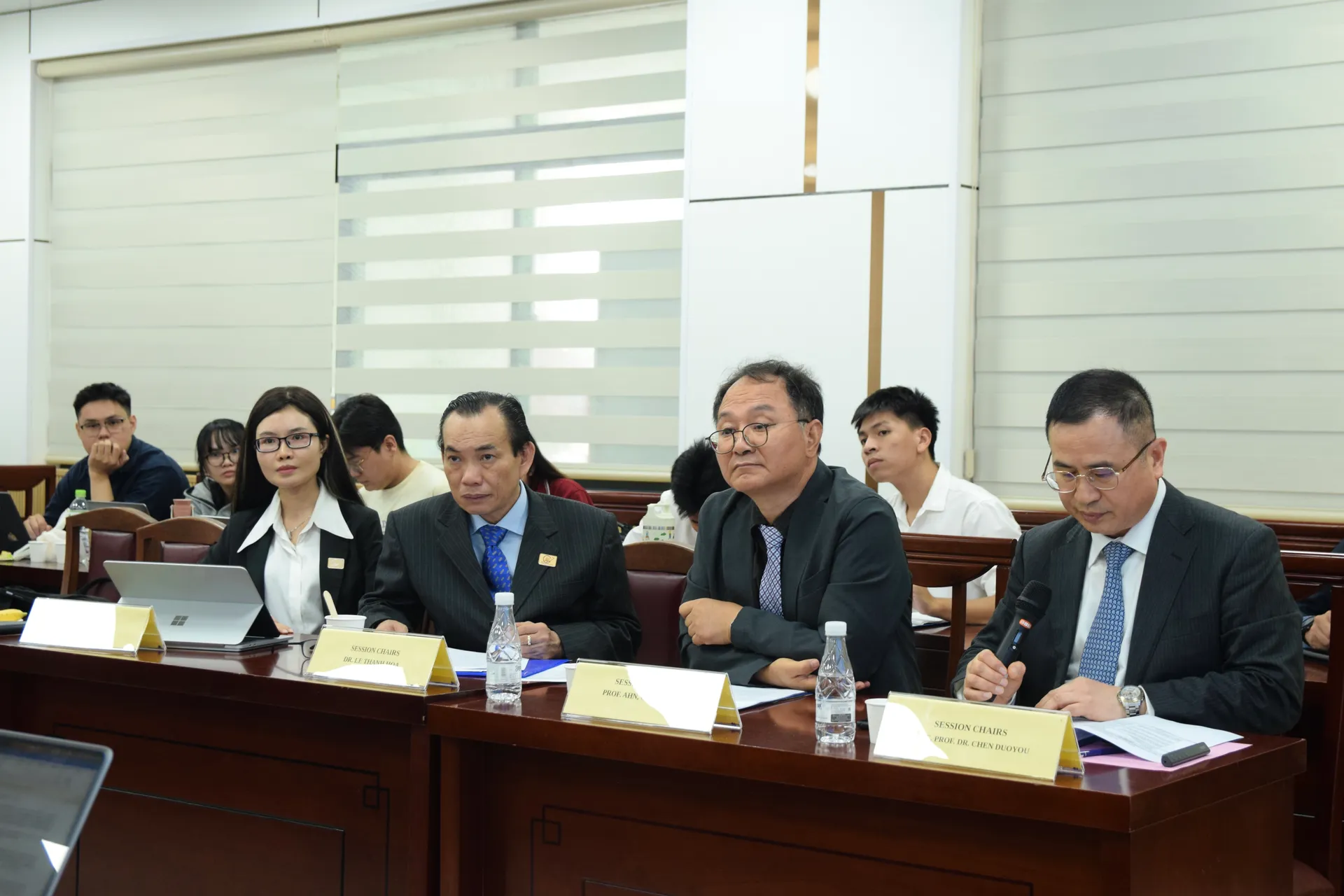
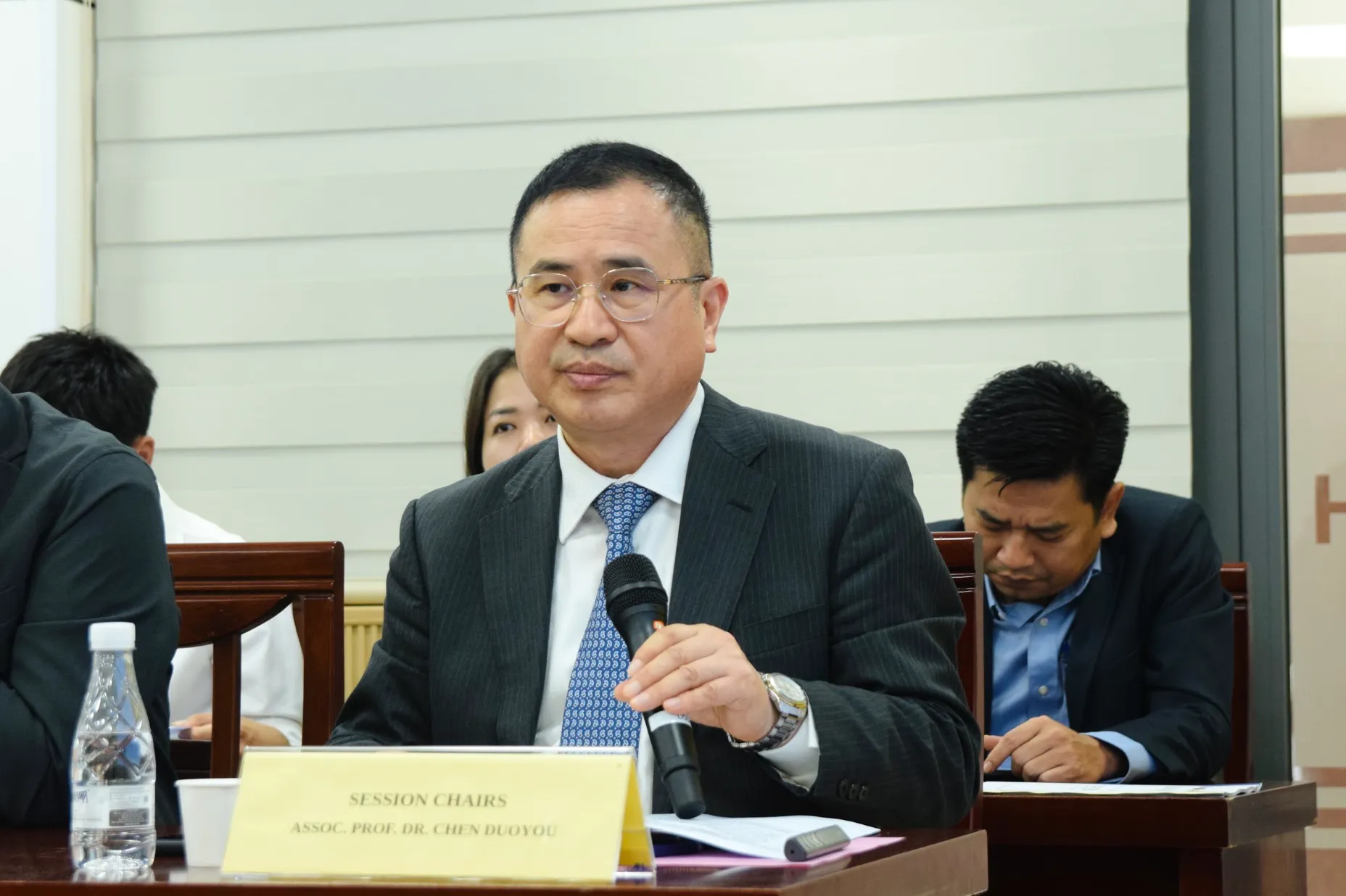
Simultaneously, Panel 2 broadened the discourse to heritage conservation amid urbanization, urban development frameworks, community ecological education, and transit-oriented public spaces. Professor Chen Duoyou from Guangdong University of Foreign Studies presented "Cultural Space Issues in Vietnam's Urbanization and the Vietnam-China Dialogue on Heritage Conservation," mapping out the cultural spatial challenges in Vietnam's urban trajectory while initiating a cross-border dialogue on heritage protection.
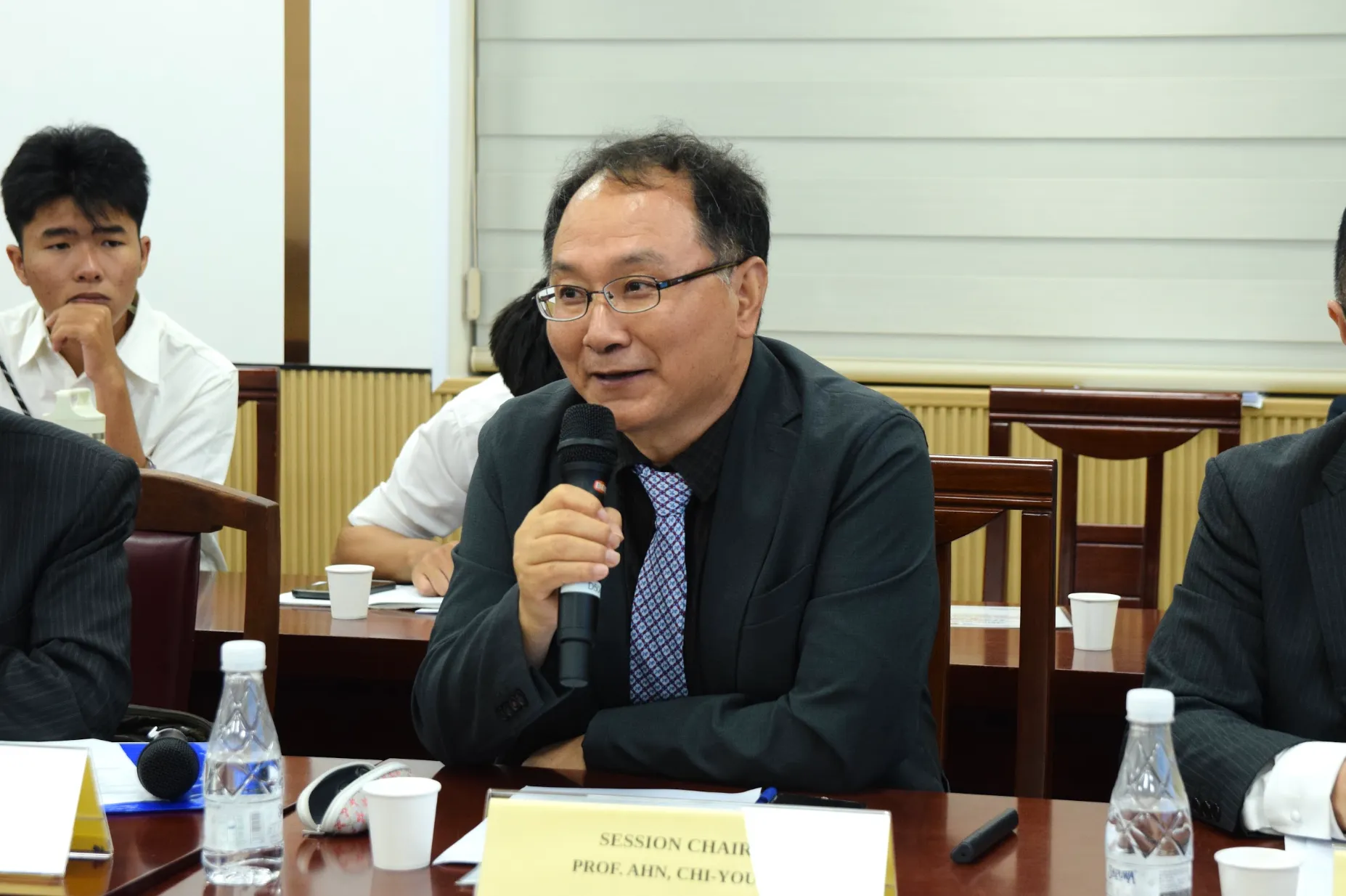
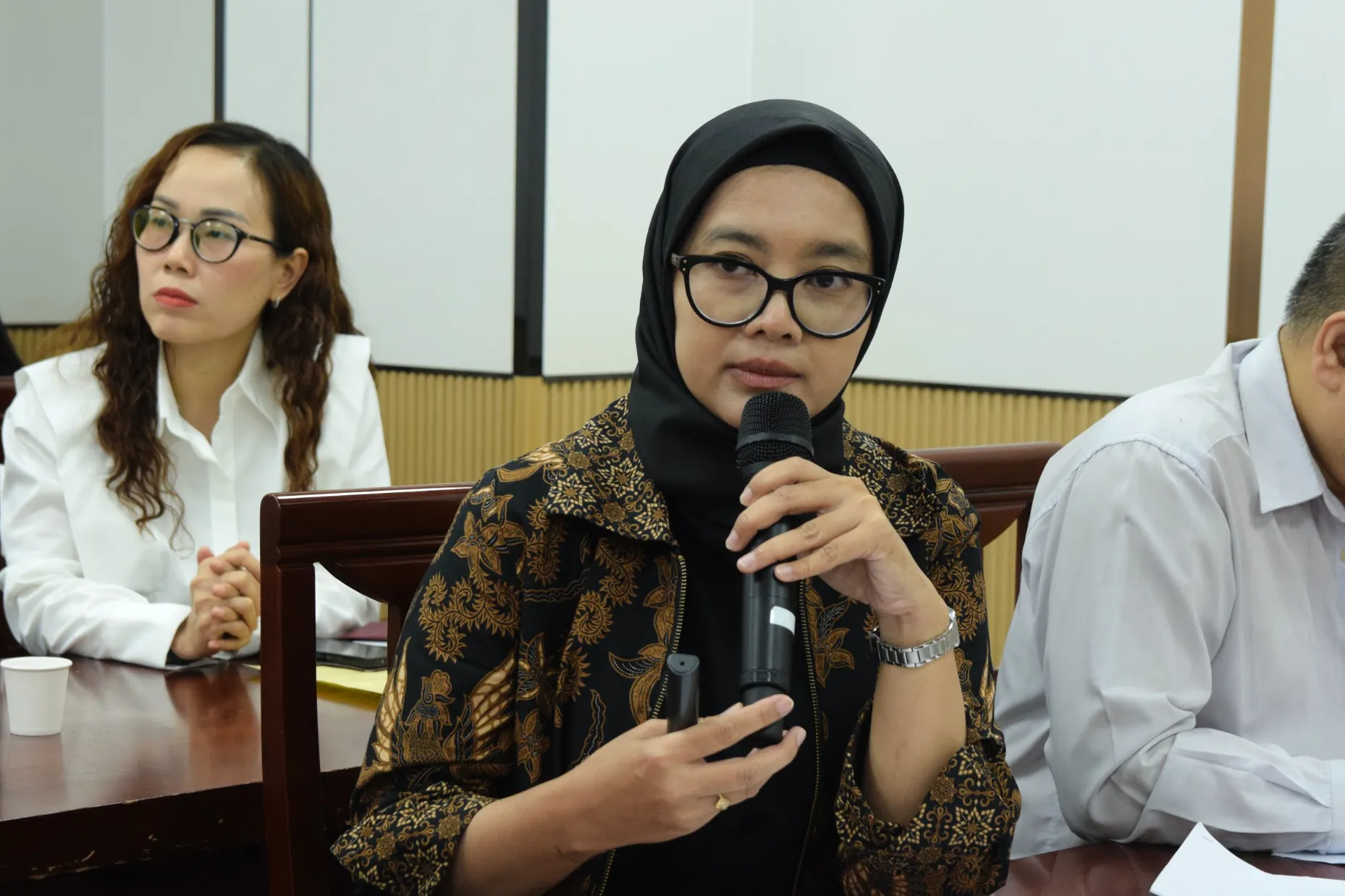
Drawing on regional parallels, Professor Ahn Chi-Young of Incheon National University delivered "South Korea's Urbanization Experience and Implications for Vietnam," extracting actionable insights for Vietnam's developing metropolises. Expanding the focus to environmental community dynamics, PhD Candidate Endah Mustikowati from the University of Indonesia presented “Approaching Nature as a Three-Dimensional Structure in Community Ecological Learning.”
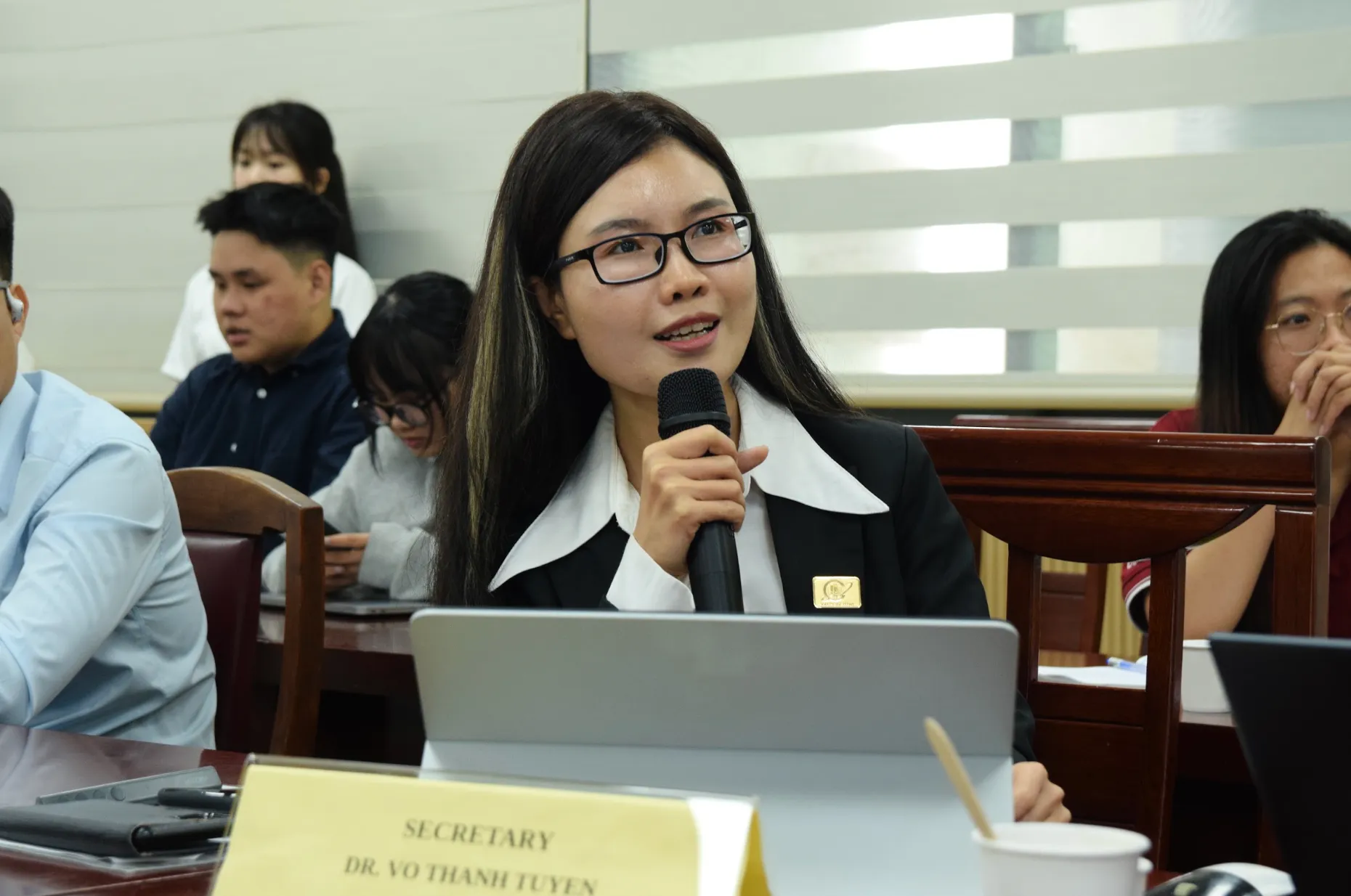
Concluding the panel presentations, Dr. Vo Thanh Tuyen and Master's student Tran Thi Phuong Thanh from USSH-VNUHCM introduced their joint research, "The Formation of Urban Public Spaces at Metro Stations: Passenger Experience and Implications for Transit-Oriented Development in Ho Chi Minh City." Their work underscored the transformative role of transit hubs in forging new public arenas and outlined the requisite strategies for future urban scaling in the city.
The overarching themes of the conference reaffirmed that cultural spaces are inextricably linked to urban development. They manifest in how cities conserve heritage, architect public spaces, foster community bonds, and adapt to modern shifts. Ultimately, the scholarly exchanges provided critical, multi-faceted approaches to solving the modern urban dilemma: preserving a city's core identity while answering the urgent call for sustainable development.
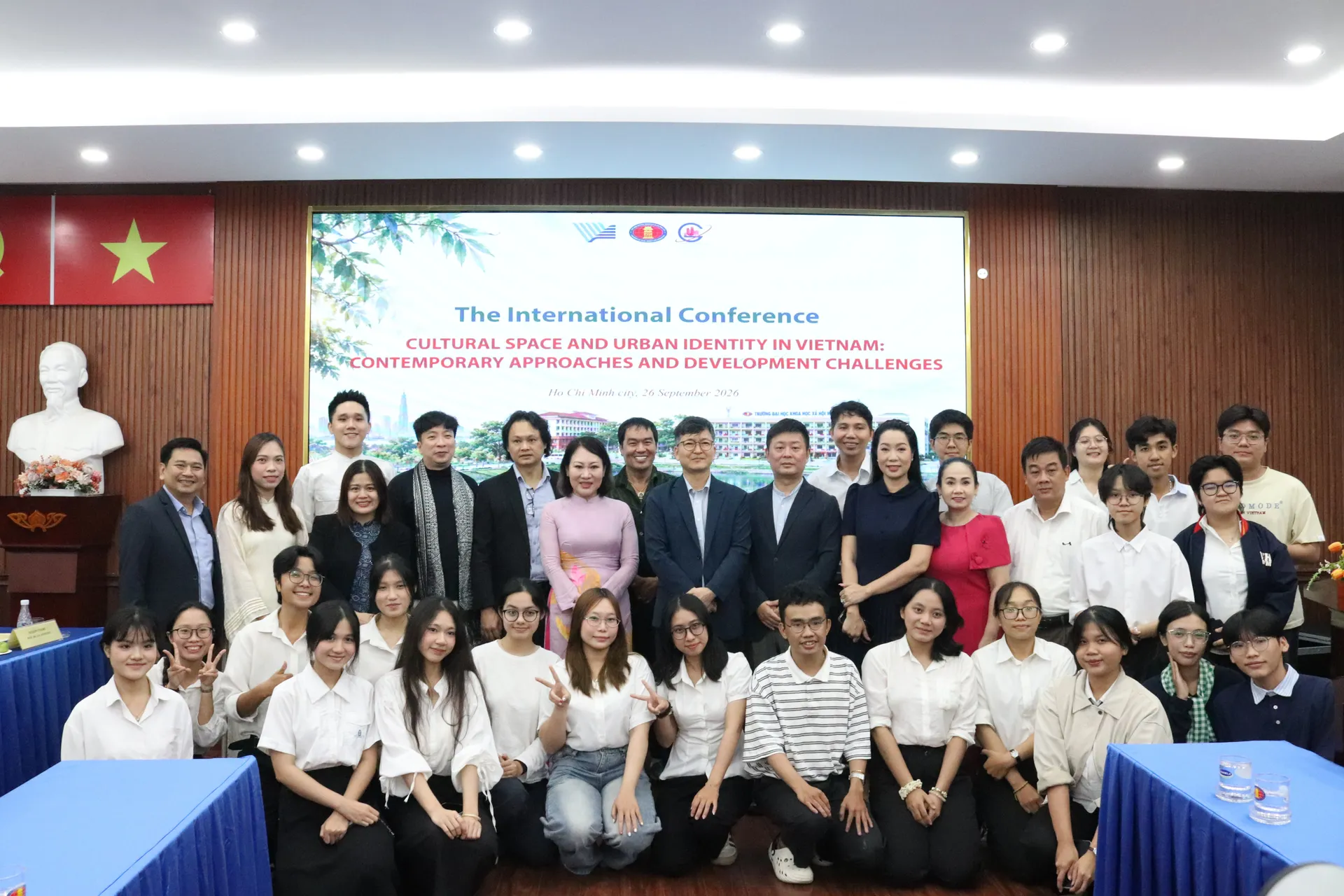
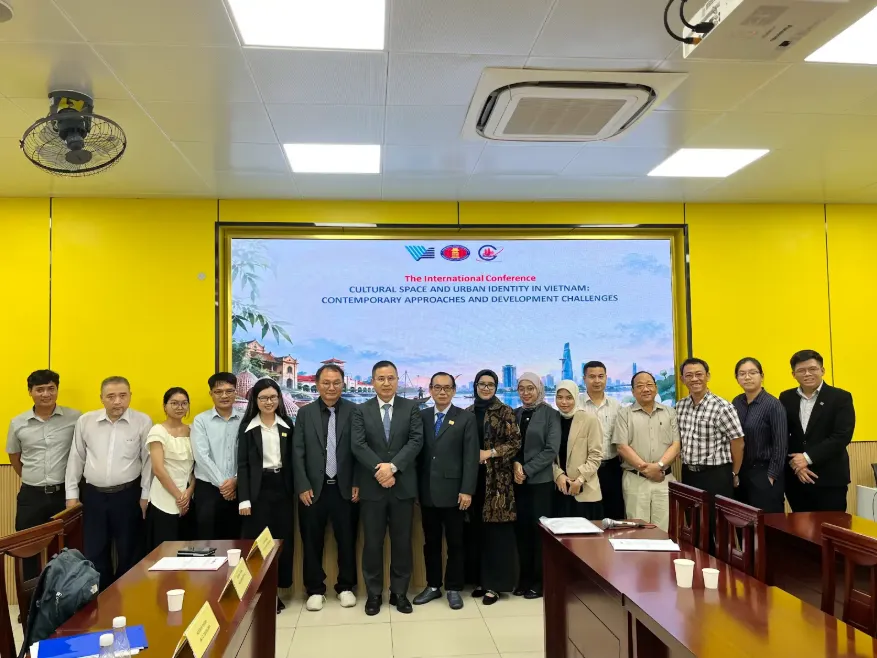
Additional photos from the event: