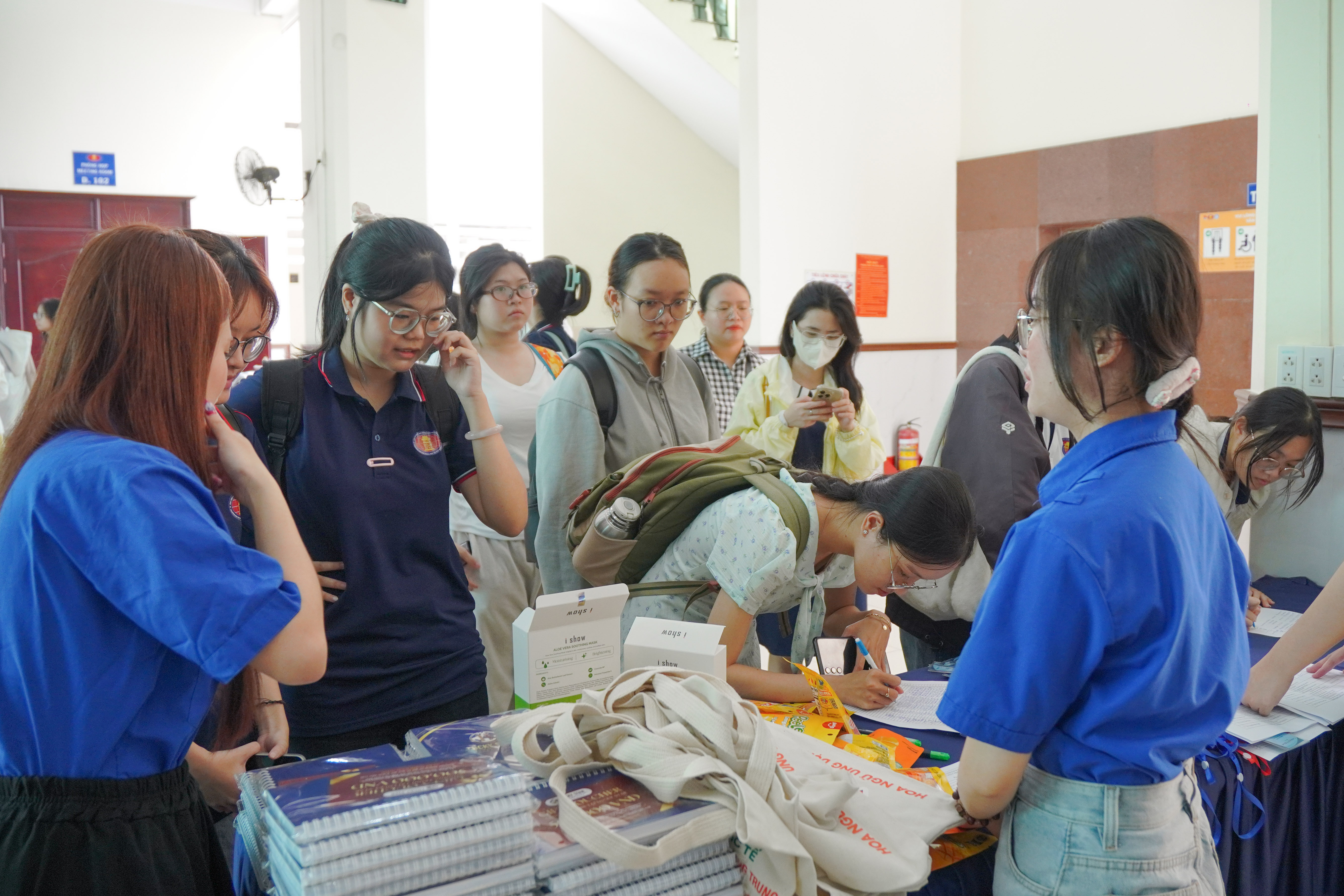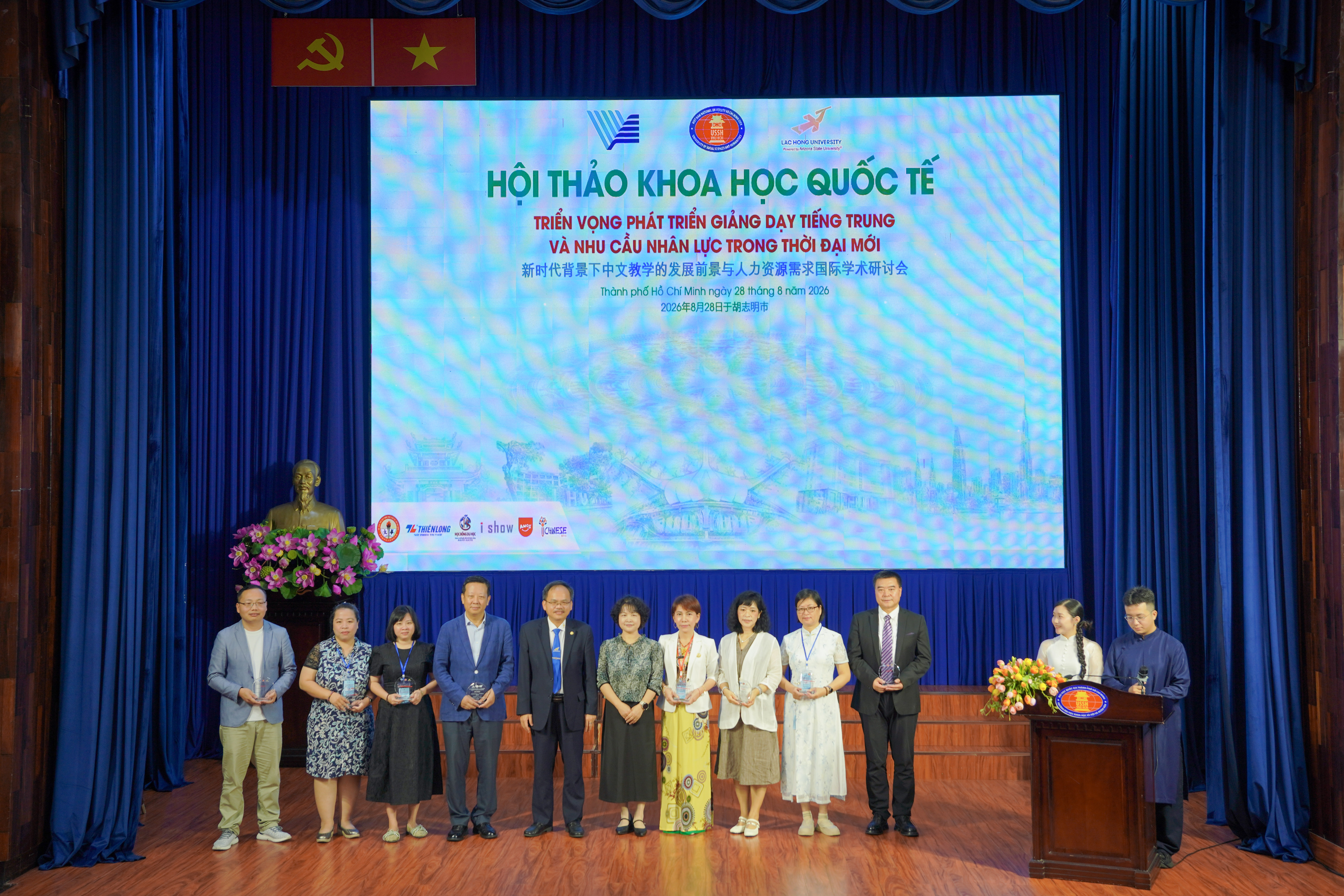
Developing Chinese language education is not only about training language professionals, but also about strengthening the foundation for substantive cooperation and building a bridge of friendship between the people of Viet Nam and China. This was emphasized by Ms. Mao Zhaoxia, representative of the Consulate General of the People's Republic of China in Ho Chi Minh City, at the international scientific conference “Prospects for Chinese Language Teaching and Workforce Needs in the New Era.”
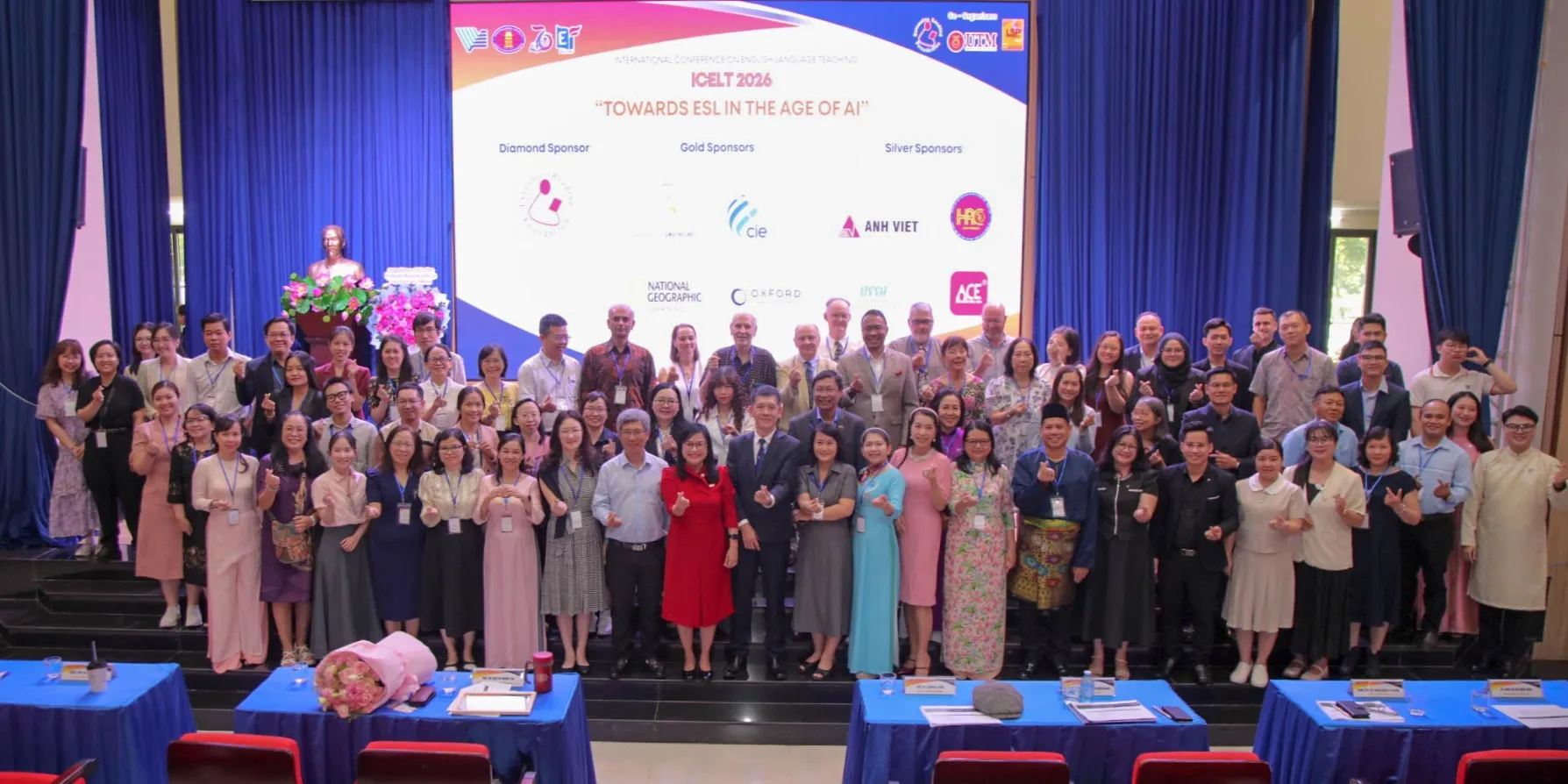
The conference was organized by the USSH-VNUHCM in cooperation with Lac Hong University on August 28. The event brought together representatives of diplomatic missions, university leaders, businesses, experts and scholars from Viet Nam and abroad specializing in Chinese language research and teaching.
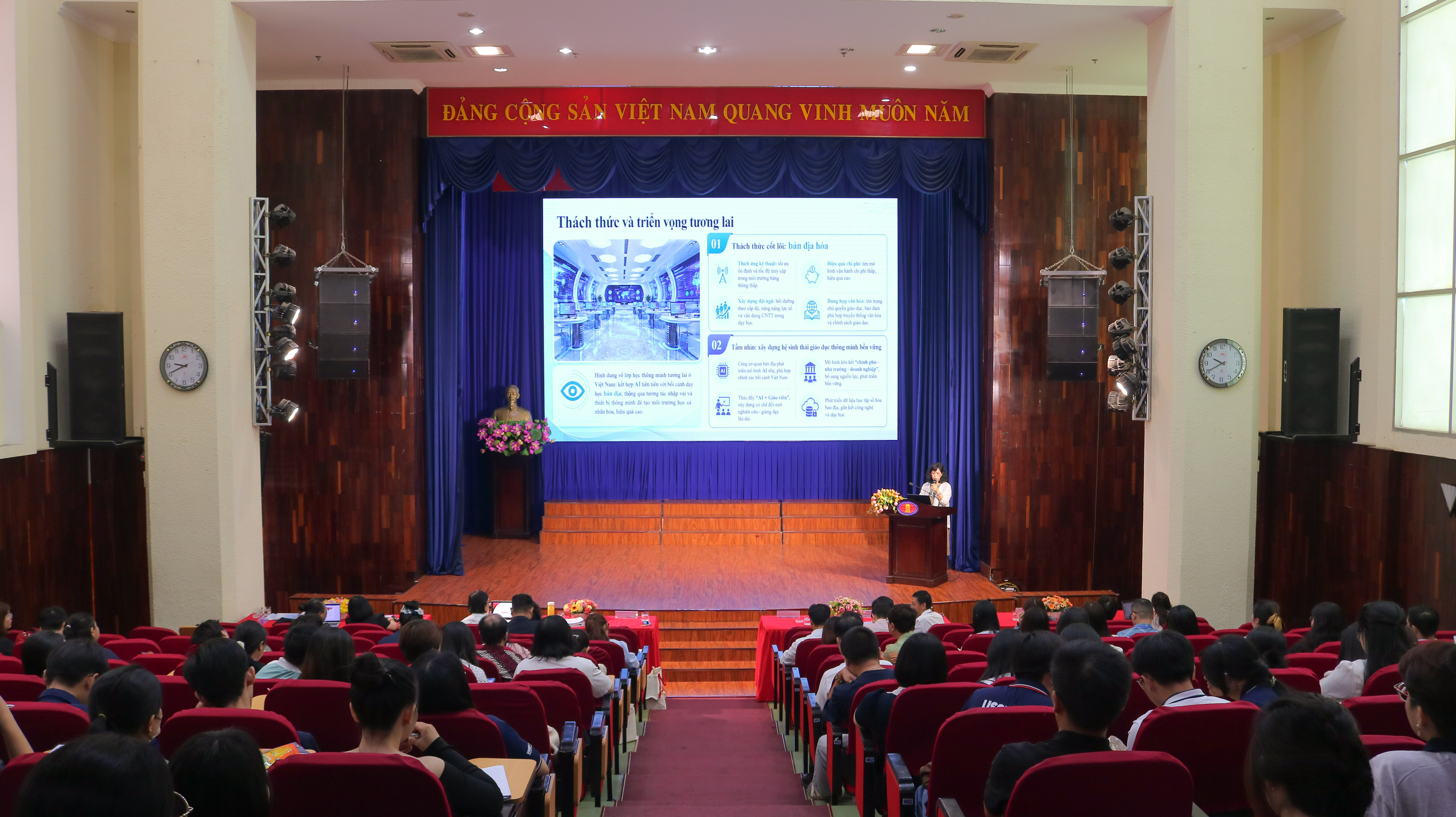
The conference received more than 50 papers from scholars and researchers from various institutions, with 16 presentations delivered across two parallel sessions. The presentations focused on educational technology, teaching methodologies and practical applications.
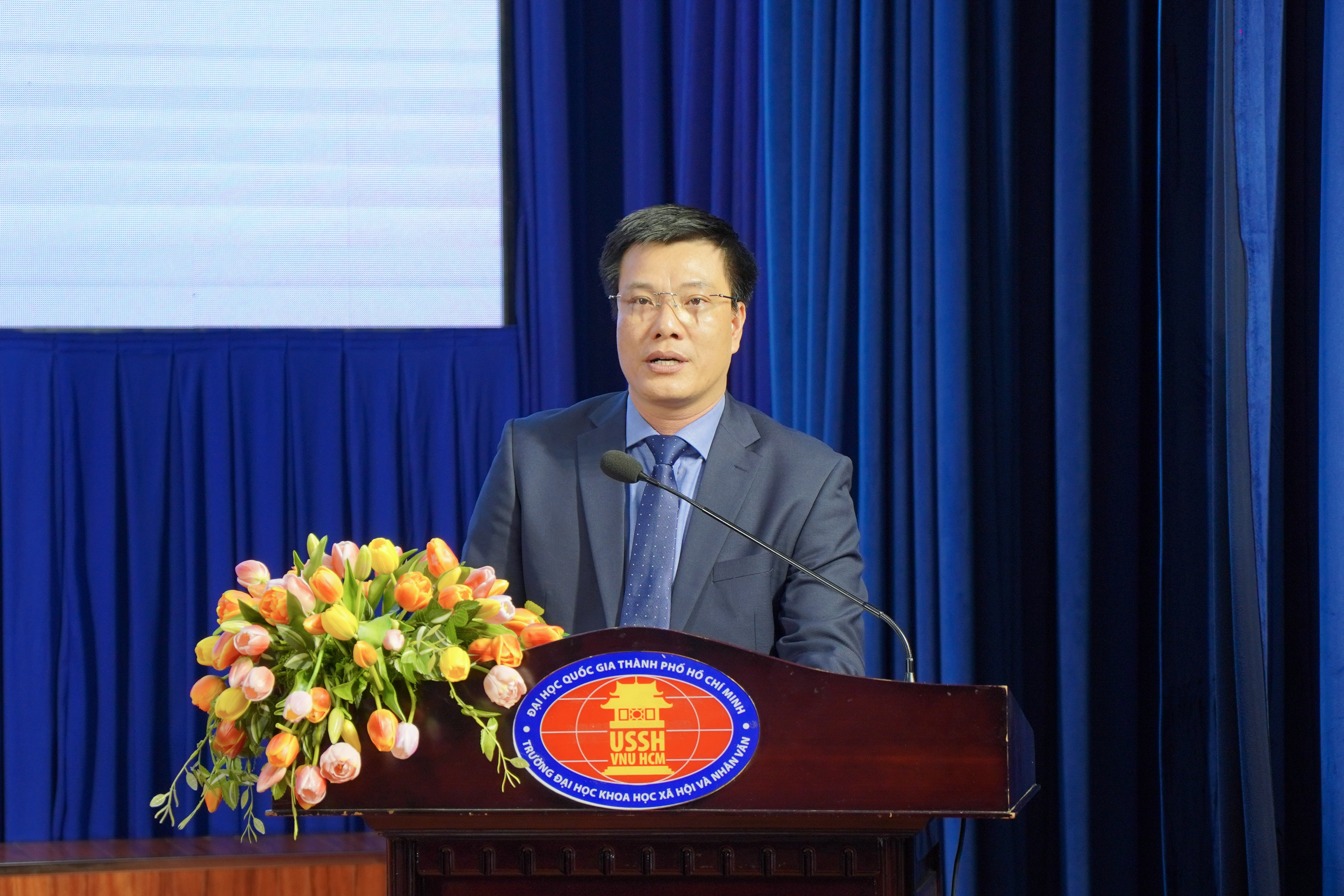
In his opening remarks, Assoc. Prof. Dr. Luu Van Quyet, Vice President of USSH-VNUHCM and Head of the Organizing Committee, highlighted the need for a strategic shift in Chinese language education in the AI era. Rather than focusing solely on language proficiency, training should develop practical capabilities and career value through the “Chinese +” model.
He emphasized that rapid technological development requires universities to continuously innovate their training methods and expand international cooperation to provide high-quality human resources for the labor market.
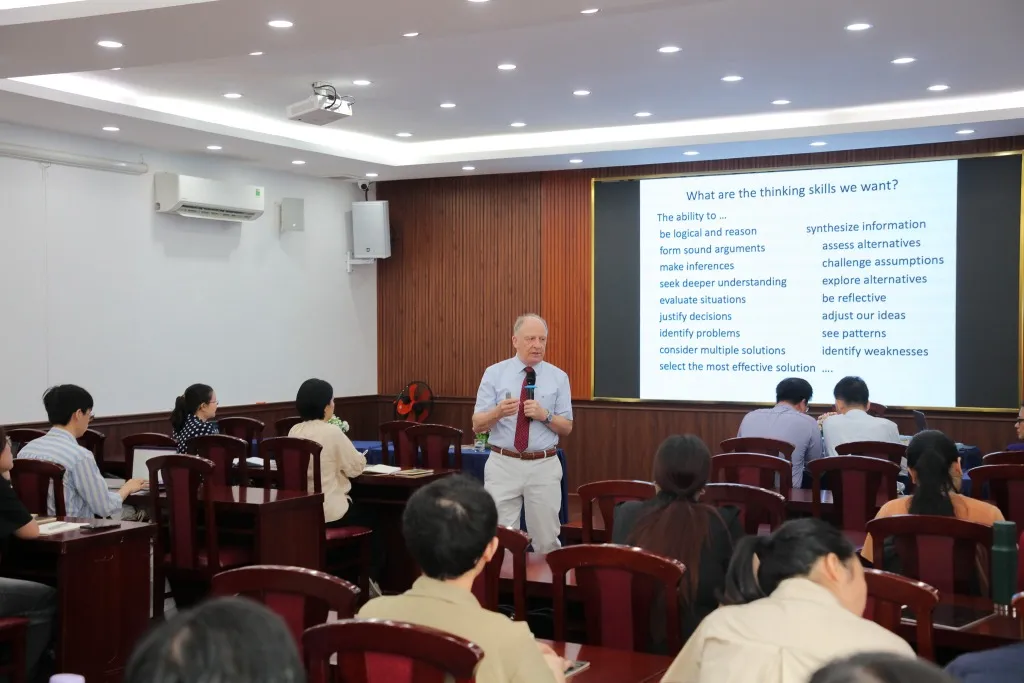
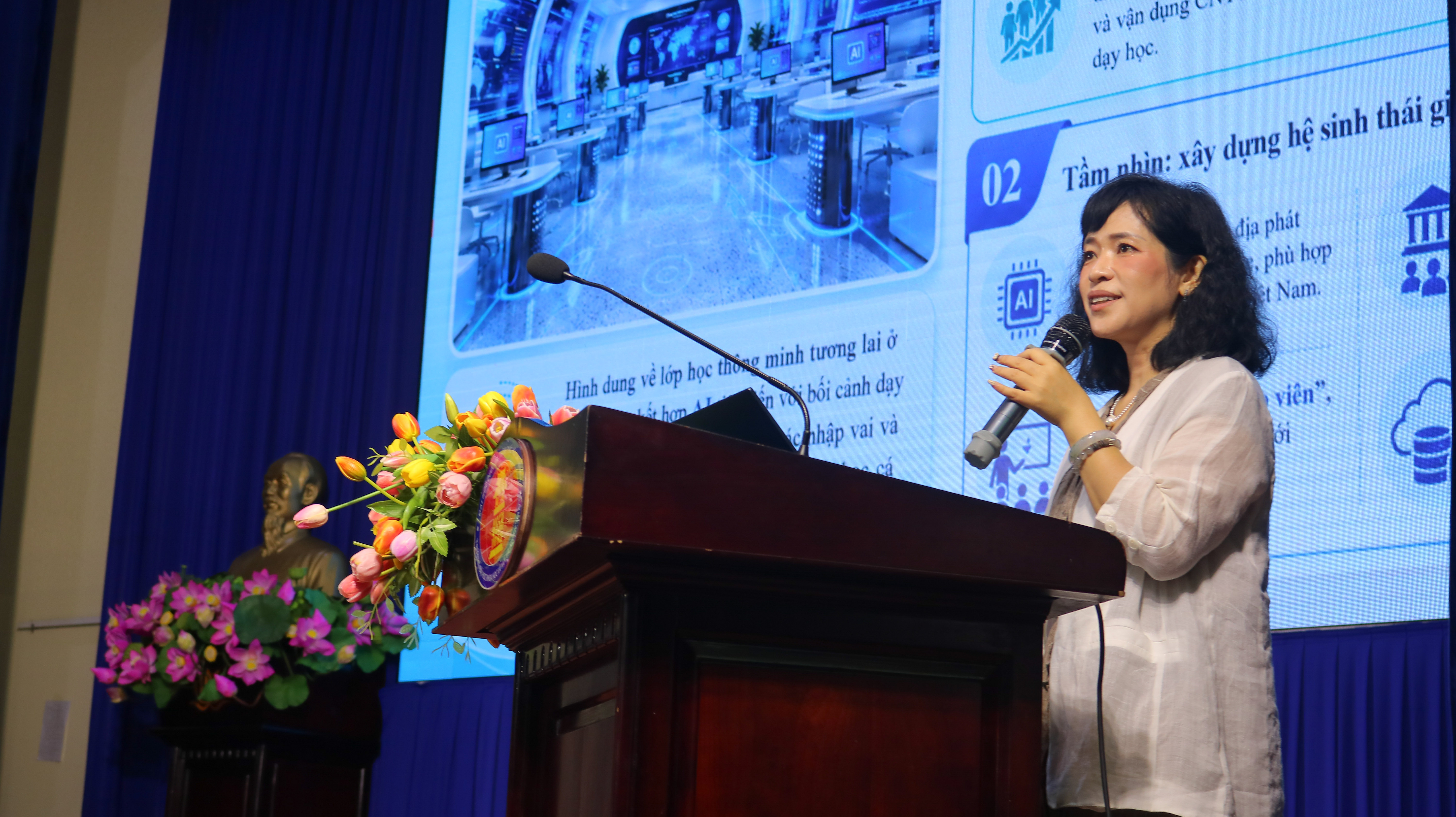
The first parallel session featured eight presentations focusing on AI applications, Chinese language teaching models and analyses of current recruitment needs among businesses. The discussions offered practical directions for narrowing the gap between language training and labor market demands.
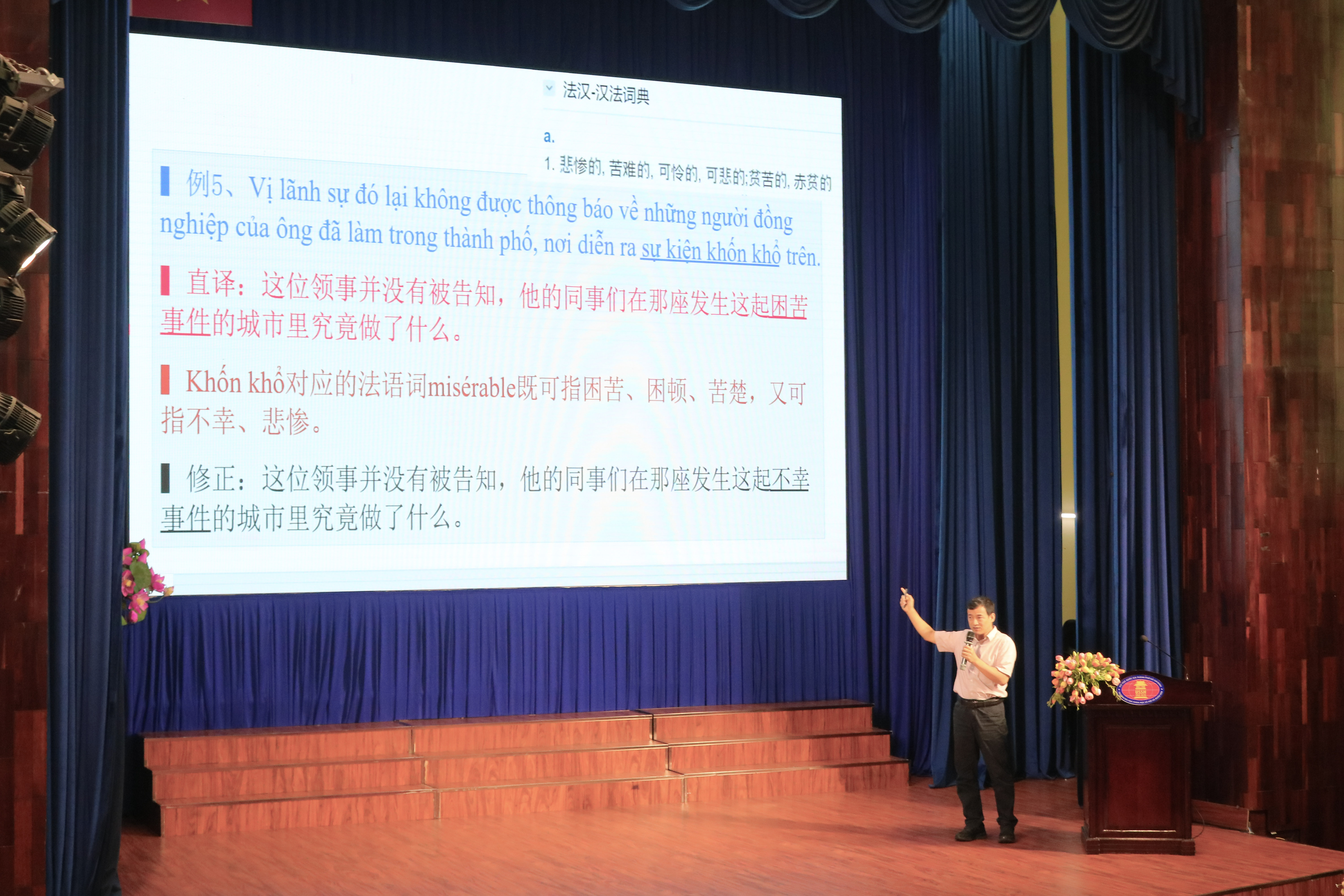
The second parallel session explored linguistic, cultural and social issues through eight specialized presentations. Vietnamese and Chinese scholars offered diverse perspectives, including research on Modern Chinese grammar, the integration of cultural heritage and cinema into language lessons, and field studies on community culture in Ho Chi Minh City.
These discussions highlighted the importance of intercultural perspectives in language education while enriching the humanistic dimension of Chinese language courses.
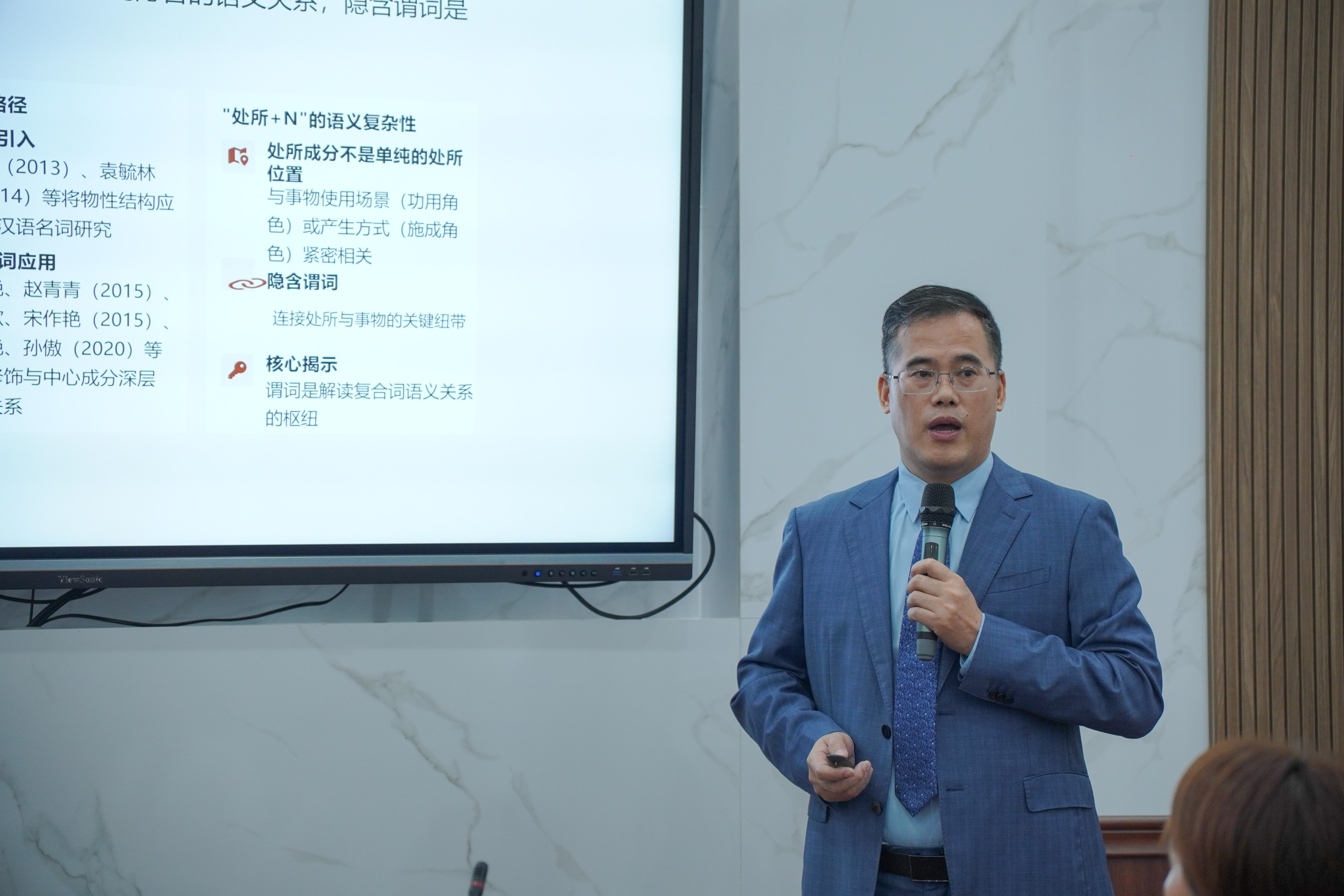
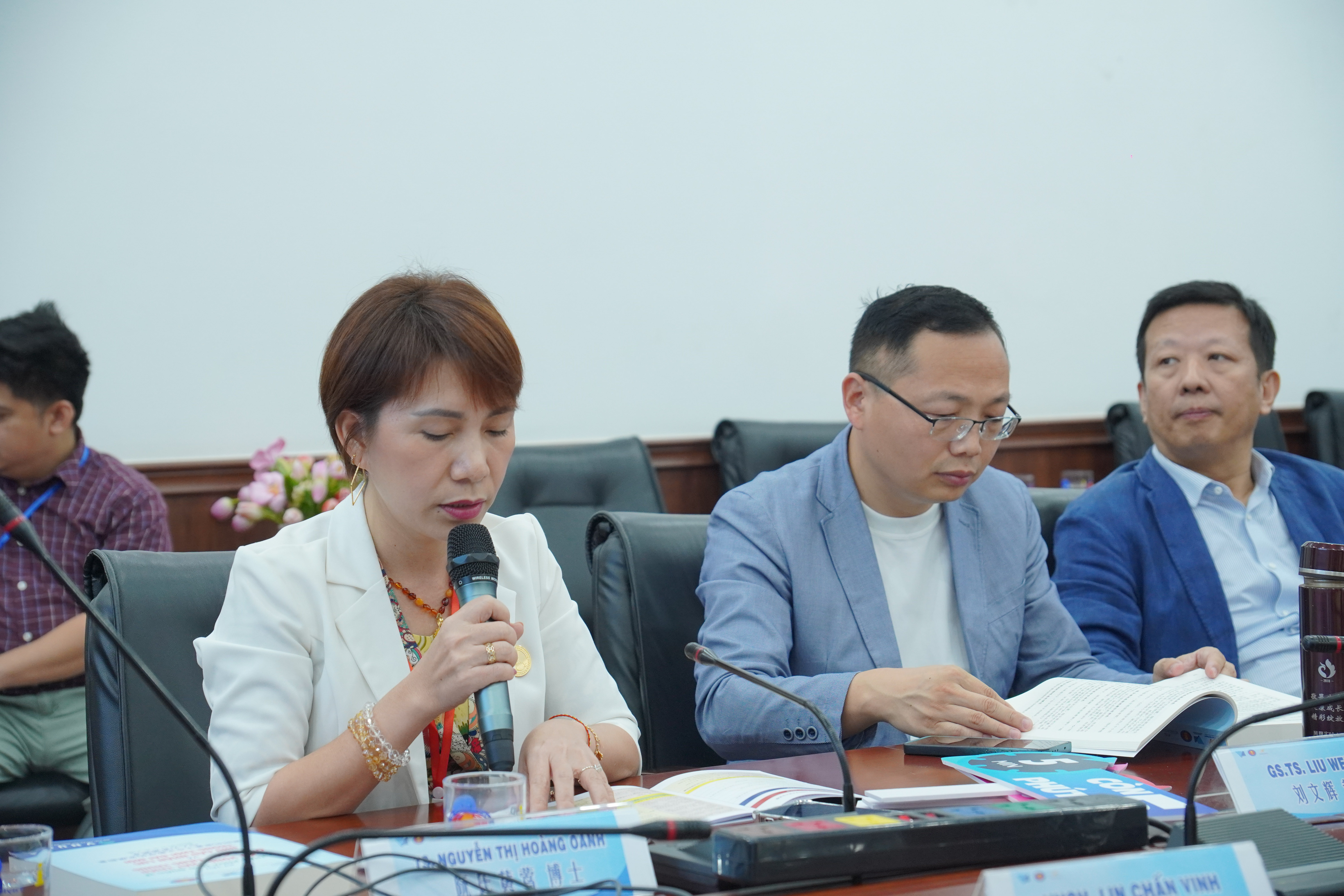
The conference provided an academic forum connecting Vietnamese and international scholars and contributing to discussions on improving the quality of Chinese language education, equipping students with practical skills and preserving cultural values in the digital era. The outcomes are expected to provide a useful foundation for universities to further enhance their Chinese language training programs.
Additional photos from the conference: