
Taiwan's New Southbound Policy and its impact on Taiwan - Southeast Asia relations (Author: Dr. Dam Huy Hoang)
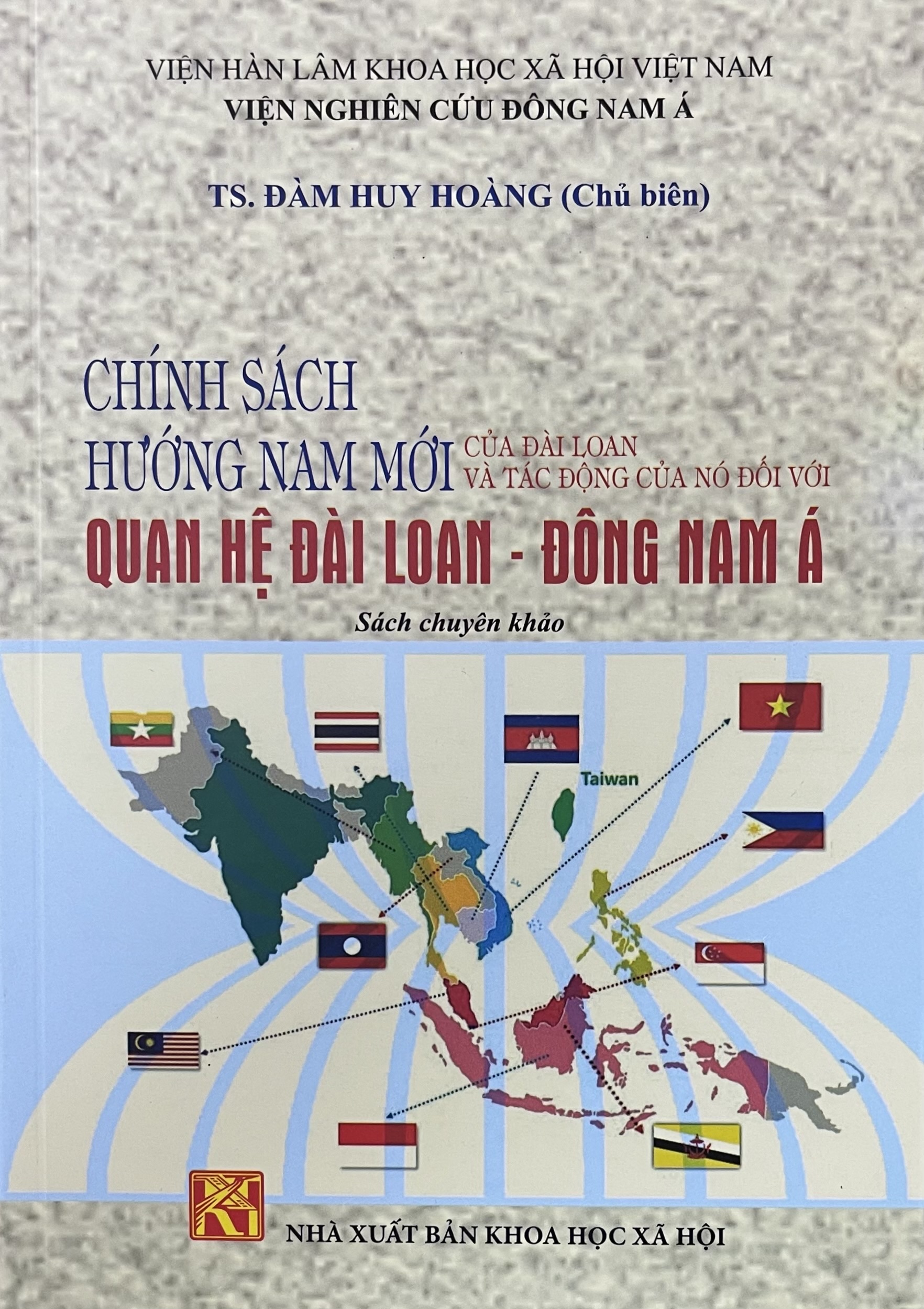
Book: Taiwan's New Southbound Policy and its impact on Taiwan - Southeast Asia relations
Author: Dr. Dam Huy Hoang (Editor-in-chief)
Publisher: Social Sciences
Year of publication: 2022
Southeast Asian countries all implement the "One China" policy, neither recognizing nor supporting Taiwan's efforts to become an independent state. Nevertheless, these countries always attach importance to their relations with Taiwan, especially in the areas of economy, culture, and education.
Taiwan also attaches great importance to cooperative relations with Southeast Asian countries, a region full of development potential and geographically close to Taiwan. In terms of geostrategy, relations with Southeast Asia help Taiwan compete for influence with Mainland China, especially in the fields of economy and education.
Southeast Asian countries themselves also desire to diversify their relations within their region. Therefore, besides promoting relations with major powers, ASEAN and its member countries all encourage increased relationships with newly industrialized economies in East Asia, including Taiwan.
Due to many shared interests, over the past decades, especially since Taiwan implemented the Southbound Policy in the early 1990s, relations between Taiwan and Southeast Asian countries have developed very strongly, particularly in trade, investment, education, and labor cooperation. Southeast Asia is currently Taiwan's second-largest export market and second-largest overseas investment destination.
In May 2016, in her inaugural address, Tsai Ing-wen, the first female leader of Taiwan, proposed the "New Southbound Policy" to promote further development of relations with Southeast Asian countries, six South Asian countries, Australia, and New Zealand. Through the implementation of this policy, Taiwan hopes to reposition itself in Asia, build a more comprehensive partnership with countries in the South, and reduce its over-reliance on the Mainland Chinese economy. In the New Southbound Policy, the scope and level of cooperation with the targeted countries will be expanded and deepened. Several new areas of cooperation will be included, such as infrastructure development, healthcare, immigration issues, and regional economic integration.
The book "Taiwan's New Southbound Policy and its impact on Taiwan - Southeast Asia relations" is the result of a ministerial-level project of the same name by the Vietnam Academy of Social Sciences, led by the Institute of Southeast Asian Studies. The book focuses on analyzing and clarifying the formation, objectives, content, and implementation process of Taiwan's New Southbound Policy in Southeast Asia in general and in specific priority target countries. Thereby, it assesses the impacts of implementing this policy on Taiwan - Southeast Asia relations, as well as the prospects of this policy in the coming years. Based on the achieved research results, the group of authors will offer a number of policy recommendations for Vietnam in developing Vietnam - Taiwan relations in particular, and recommendations to promote Taiwan - Southeast Asia relations in general in the coming period.
Respectfully introduced to readers.
Bài viết liên quan
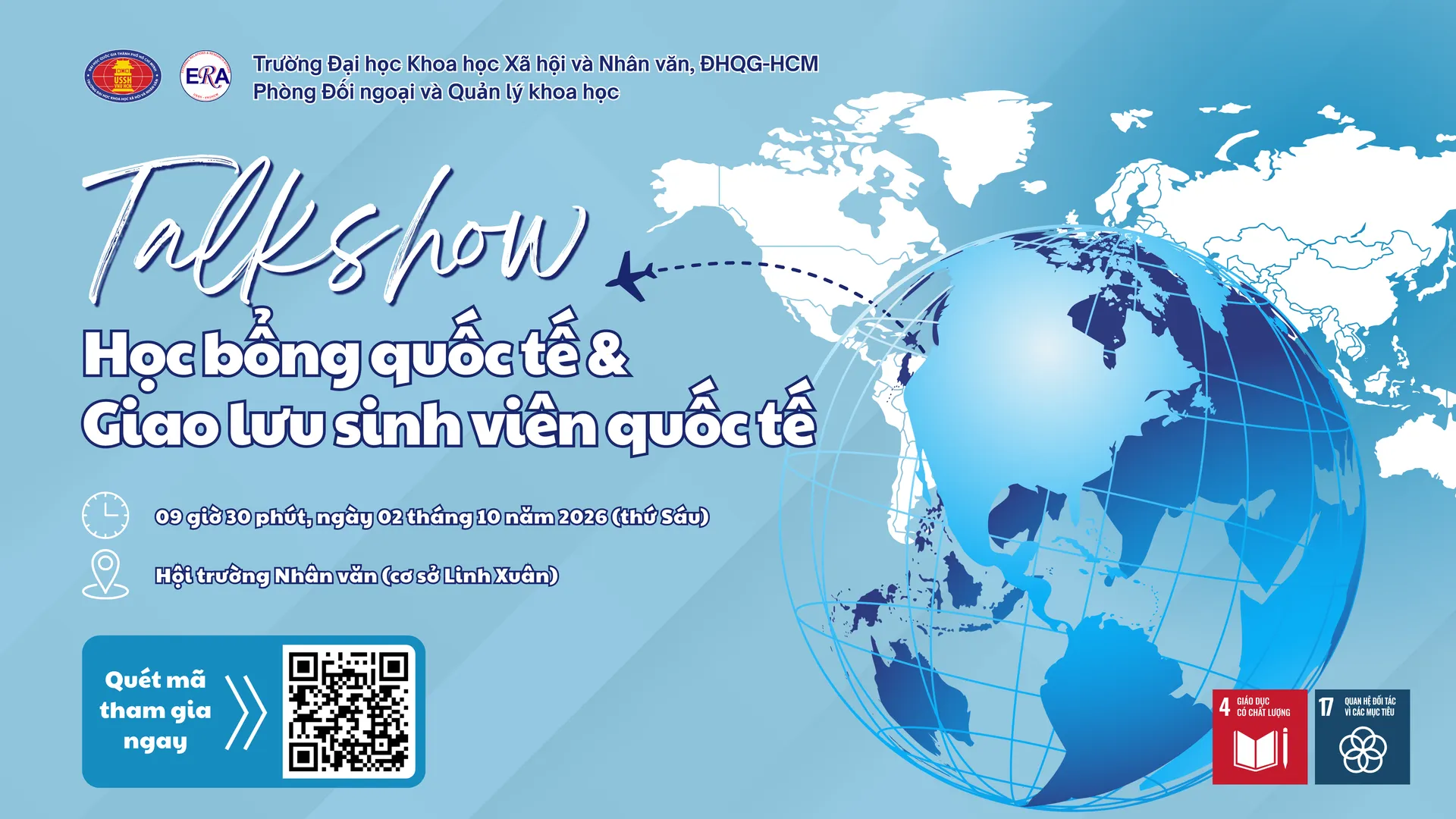
HUNTING FOR INTERNATIONAL SCHOLARSHIPS - WHY NOT GIVE IT A TRY? THE FLIGHT TO INTERNATIONAL INTEGRATION IS NOW OPEN FOR CHECK-IN!
Announcement regarding student exchange program with University of Paris Cité, France for the 2nd semester of the 2026-2027 academic year