
The trend of strategic autonomy in the world and implications for Vietnam (Editor-in-Chief: Dr. Vu Le Thai Hoang)
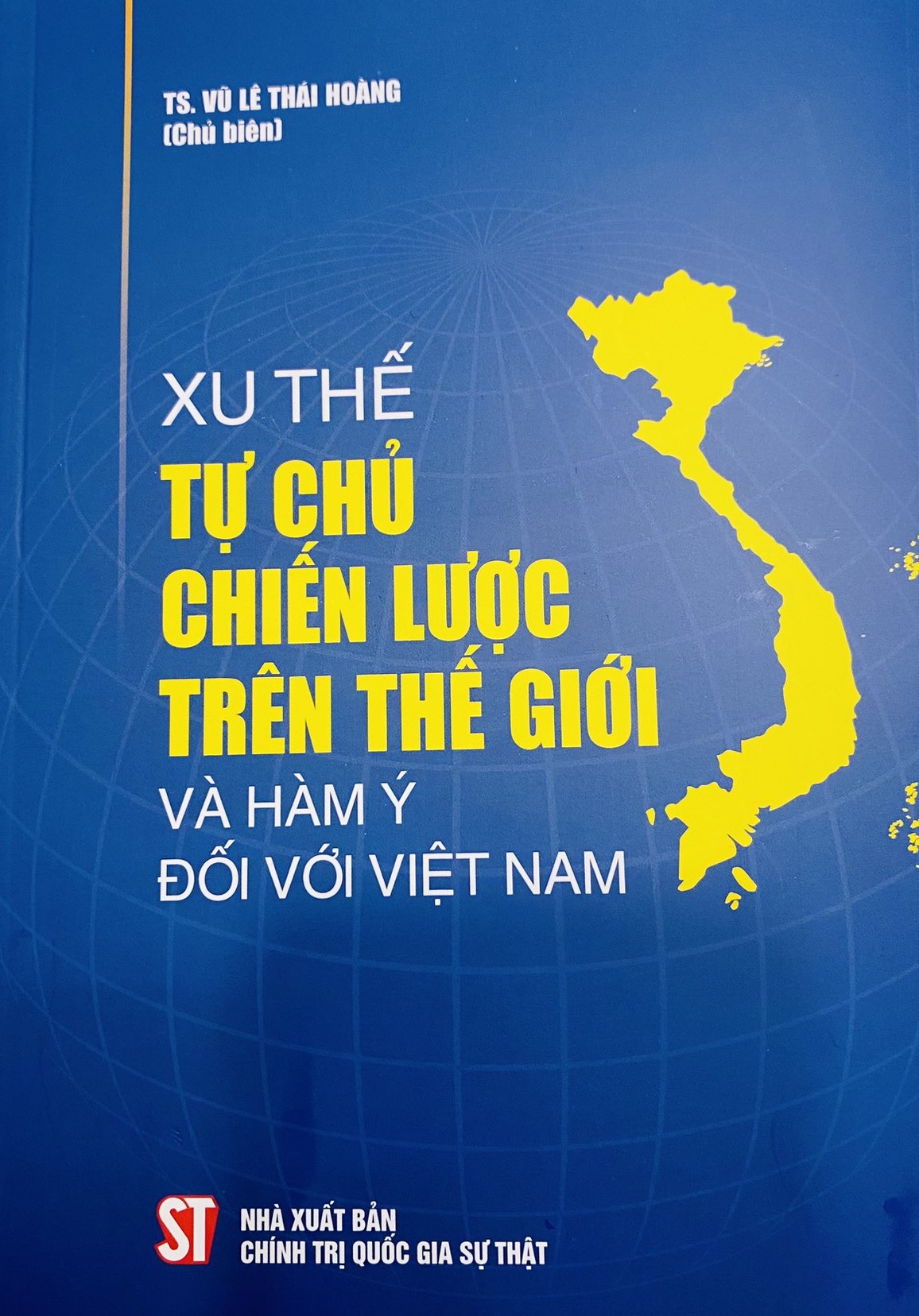
The current regional and international context is witnessing unprecedented, watershed, and transitional changes related to the regional and global landscape and order. Relations between major powers have gone through alternating phases of tension, confrontation, and dialogue, leading to fragmentation in many fields such as technology, trade, and supply chains. In addition, diplomatic and political tensions between major powers have also made the need for self-reliance and resilience in key sectors more urgent. Specifically, the Russia-Ukraine conflict and, more broadly, the East-West conflict between Russia and the US and its allies have caused and are causing many implications for energy security, food security, and the risk of global supply chain disruption, thereby prompting major powers to increase force aggregation. These factors increasingly make strategic autonomy a new trend that more and more countries are pursuing to avoid being trapped and to harmoniously handle relationships between major powers. Countries, especially middle powers, all have ambitions and efforts to pursue strategic autonomy; however, the specific implementation methods vary according to the context and cultural, political, and geographical characteristics of each country.
In the face of the international and regional context as described above, our Party and State have always recognized, issued, and effectively implemented strategic autonomy. This is clearly reflected in the foreign policy of independence, self-reliance, diversification, and multilateralization; the "Four Nos" principle stated in the 2019 Vietnam National Defense White Paper; the 10-year socio-economic development strategies; the strategy for protecting the Fatherland in the new situation; and especially the Platform for National Construction in the period of transition to socialism (supplemented and developed in 2011)...
The book focuses on researching and analyzing topics such as:
The theory of the concept of autonomy;
The issue of strategic autonomy in four countries: India, Turkey, Israel, and Indonesia;
The strategic autonomy capacity of two institutions, the EU and ASEAN – actors with enormous influence in the contemporary international political system;
On that basis, it summarizes and assesses the differences in strategic autonomy in each country, clarifies the connection in how different countries pursue strategic autonomy, and points out a number of important policy implications for Vietnam's foreign policy.
Respectfully introduced to readers!
Bài viết liên quan
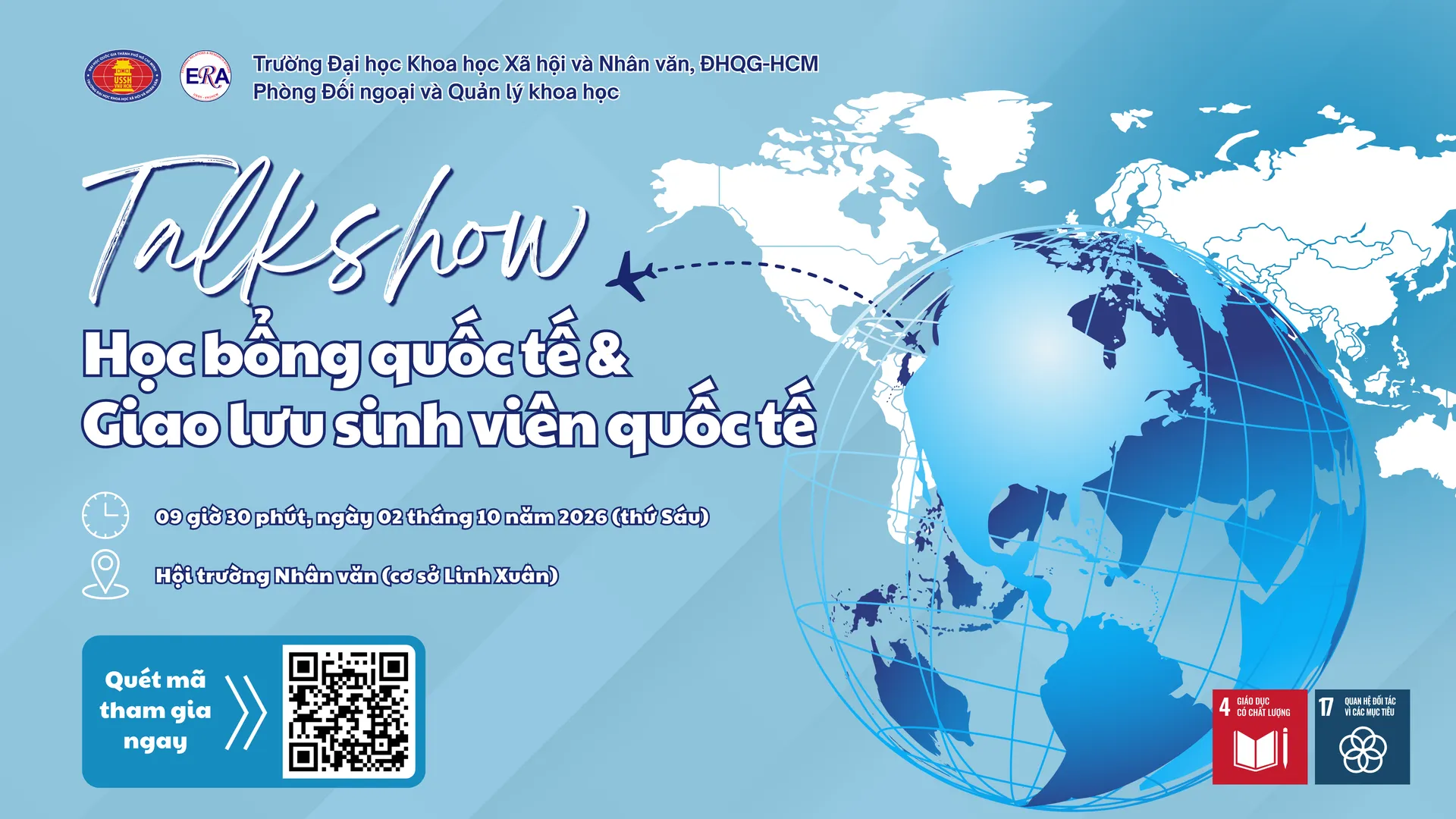
HUNTING FOR INTERNATIONAL SCHOLARSHIPS - WHY NOT GIVE IT A TRY? THE FLIGHT TO INTERNATIONAL INTEGRATION IS NOW OPEN FOR CHECK-IN!
Announcement regarding student exchange program with University of Paris Cité, France for the 2nd semester of the 2026-2027 academic year