
EU's Policy toward Vietnam: Practice and Prospects (Co-editors: Tran Thanh Huyen, Ph.D. - Dao Minh Hong, Ph.D. - Nguyen Thai Yen Huong, Prof. Ph.D.)
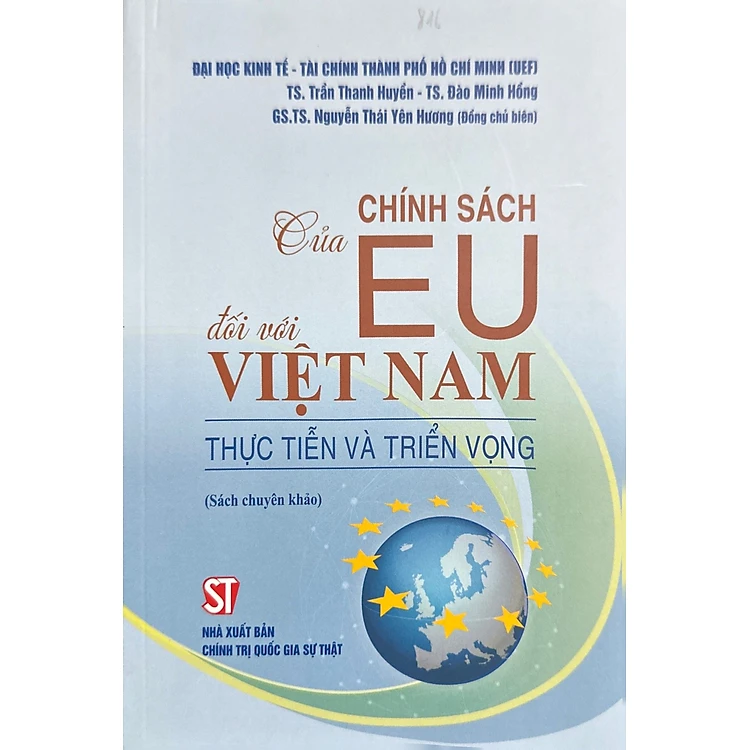
The EU, one of the world's leading economic and political centers, has always been a top priority in Vietnam's foreign policy and international integration. Over the past 30 years, Vietnam-EU relations have been continuously strengthened through bilateral ties between Vietnam and the 27 EU member states, particularly the “strategic partnerships” with Germany, the UK, France, Italy, and Spain; “comprehensive partnerships” with the Netherlands, Denmark, and Hungary; and traditional friendly relations with all Eastern European member states of the EU.
Vietnam-EU relations have long been studied and evaluated by many scholars both domestically and internationally from various perspectives. However, there is still no comprehensive research work on the EU's policy toward Vietnam, but only short articles or research papers evaluating the EU's economic policy toward Vietnam. The book EU's Policy toward Vietnam: Practice and Prospects is an elaborate and rigorous research work by the group of authors, with the desire to help readers better understand the cooperative relationship between the EU and Vietnam. Theoretically, the book will support the understanding of the policy-making process and the development of Vietnam-EU relations. Practically, the book's content will help young researchers set the right direction when conducting research and contribute to actively supporting the teaching of modules on the EU, foreign policy toward major powers, and relations between major powers in training programs at academies and universities with majors in international relations.
The book consists of 4 chapters:
Chapter 1 analyzes the objective factors regarding the world situation and the Asia-Pacific regional situation affecting the EU's policy toward Vietnam; the subjective factors regarding the situation in Europe, the situation in Vietnam, and the history of the relationship between the two sides before establishing diplomatic ties.
Chapter 2 demonstrates the role and position of the EU and Vietnam in each other's foreign policy; delves into the analysis of the content of the process of implementing the EU's policy toward Vietnam in the political, security, economic, and cultural aspects.
Chapter 3 is based on the cooperation policies implemented by the two sides to assess the characteristics of the Vietnam-EU relationship in the current period; evaluates the advantages, difficulties, and results achieved in the process of implementing the EU's policy toward Vietnam, thereby providing a basis for policy forecasting for the coming time.
Chapter 4 analyzes and forecasts the world and regional situation, the internal situation of the EU and Vietnam, and the trends affecting the EU's policy; forecasts the prospects of the EU's policy toward Vietnam in the coming time.
The book is a useful document, helping researchers, diplomats, policy-makers, and readers grasp and update official information about the European Union as well as have more accurate assessments and judgments about the policies that this organization has, is, and will apply toward Vietnam.
We would like to respectfully introduce the book to readers.
Excerpt from National Political Publishing House Truth./.
Bài viết liên quan
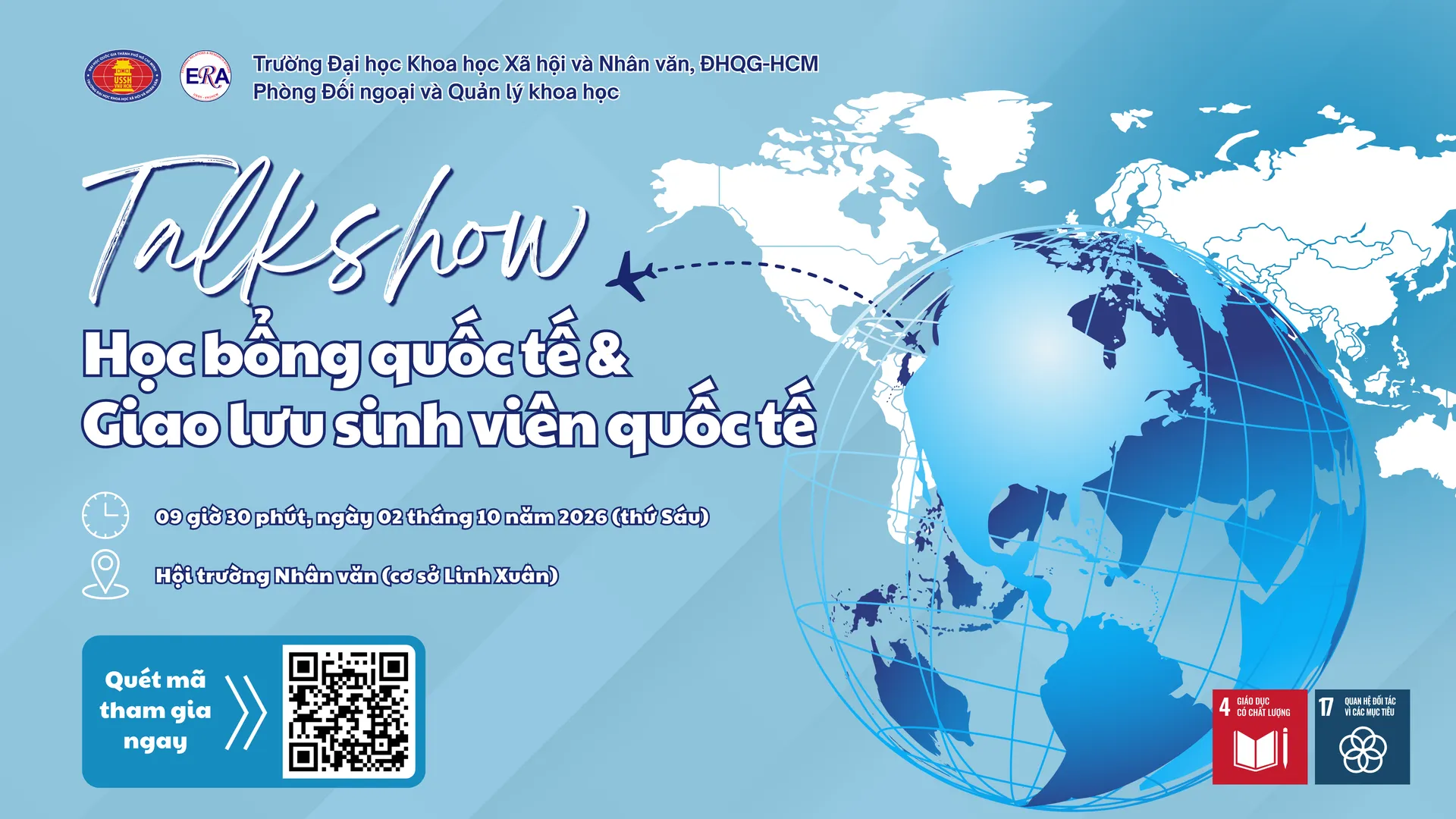
HUNTING FOR INTERNATIONAL SCHOLARSHIPS - WHY NOT GIVE IT A TRY? THE FLIGHT TO INTERNATIONAL INTEGRATION IS NOW OPEN FOR CHECK-IN!
Announcement regarding student exchange program with University of Paris Cité, France for the 2nd semester of the 2026-2027 academic year