
The relationship between political parties and interest groups in modern American politics (Author: Dr. Pham Duy Anh)

The book consists of 3 chapters:
- Chapter 1: Theoretical and practical basis of the relationship between political parties and interest groups in modern American politics, the author delves into theoretical issues regarding political parties and interest groups with contents such as the concepts of "political party", "interest group", "relationship between political party and interest group"; highlights the characteristics and roles of political parties and interest groups in modern American politics, and provides approaches and a general analytical framework for the party-interest group relationship in modern American politics. At the same time, analyses of economic realities, the political system structure, the legal system, social structure, and political culture are the grounds for clearly understanding the practical basis of the relationship between political parties and interest groups in the US today;
- Chapter 2: The relationship between political parties and interest groups in elections and the public policy cycle in modern America, the author outlines the picture of the party-group relationship in elections and the public policy cycle to thereby evaluate the characteristics, nature, and impact of this relationship on American democracy. To achieve their own goals, through many methods, both political parties and interest groups have tried to establish political relationships with each other. In elections, the relationship is clearly reflected when political parties are in great need of interest groups' resources and vice versa, interest groups also strive to support political parties to win.
- Chapter 3: Some observations on the relationship between political parties and interest groups in modern American politics. From in-depth analyses, the author shows readers clearly that the nature of the relationship between political parties and interest groups in modern American politics is an alignment of interests for mutual development. This party-group relationship has positively and negatively impacted American democracy, increasing the connection of citizens' interests with the government, thereby also increasing the political representation of both political parties and interest groups; contributing to promoting the democratization process through educating and enhancing citizens' political participation; strengthening political financial factors, helping parties meet the development requirements of American politics; contributing to creating a smoother policy process, helping political parties, especially the ruling party, overcome the inherent limitations of this process. At the same time, this relationship has corrupted electoral activities and the goals of the American public policy cycle today, thereby fracturing the traditional democracy of the United States.
The book is the first effort to contribute to exploring a fundamental and important topic of Political Science in Vietnam, with a consistent thread of exploring the relationship between political parties and interest groups in elections and the public policy cycle in modern America. With a clear layout, coherent style, and scientific, concise writing, the book leads readers to find answers to the questions: What are the theoretical and practical bases for the formation of the party-group relationship in the US? What are the relationships to identify the party-group relationship in modern American politics? What are the characteristics and nature of the party-group relationship in modern American politics? How does the party-group relationship affect modern American politics?
Excerpted from National Political Publishing House of Truth./.
Bài viết liên quan
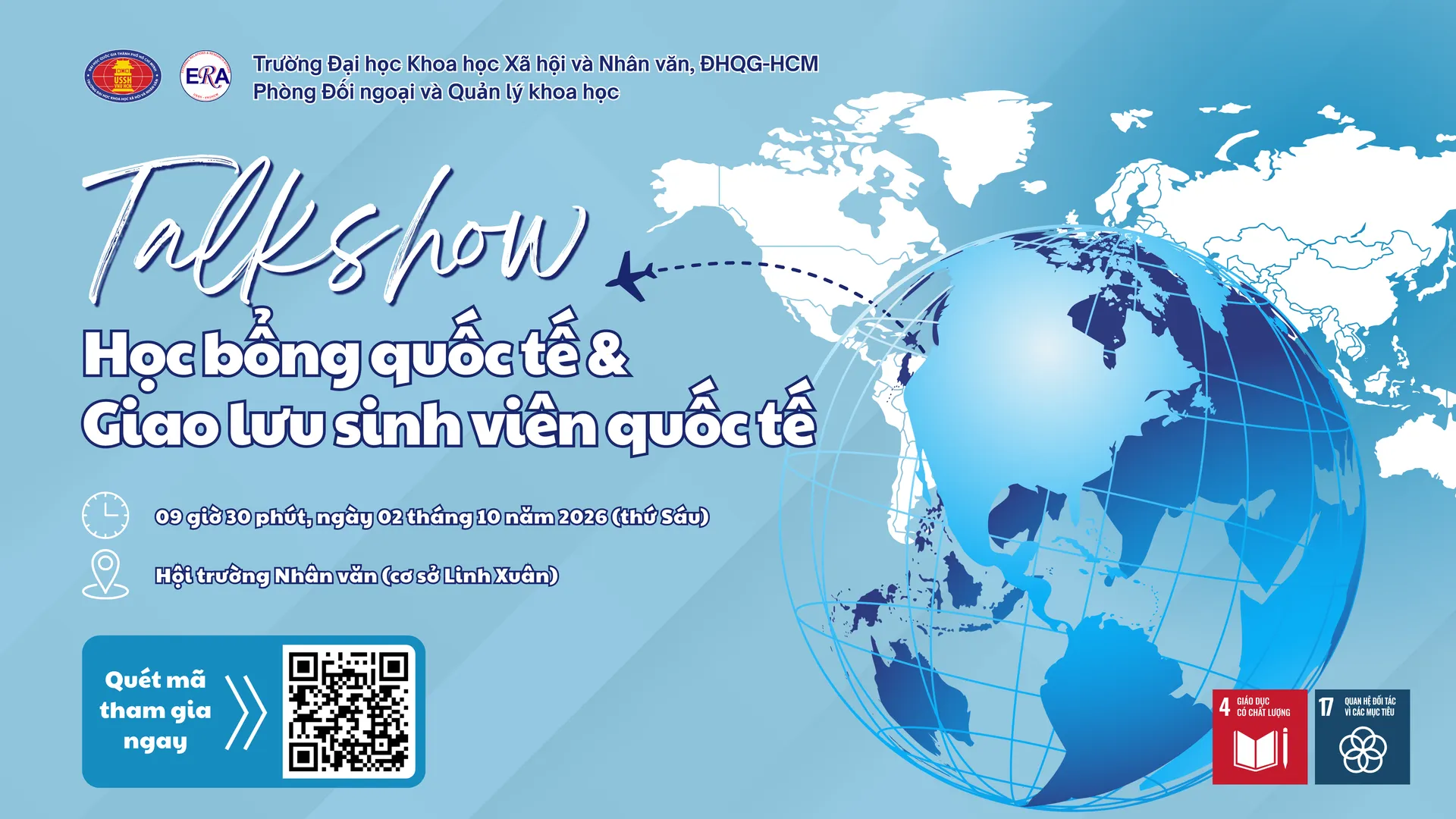
HUNTING FOR INTERNATIONAL SCHOLARSHIPS - WHY NOT GIVE IT A TRY? THE FLIGHT TO INTERNATIONAL INTEGRATION IS NOW OPEN FOR CHECK-IN!

Announcement regarding student exchange program with University of Paris Cité, France for the 2nd semester of the 2026-2027 academic year