Vietnam’s Socio-Economic Landscape After 50 Years of Development (1975–2025)
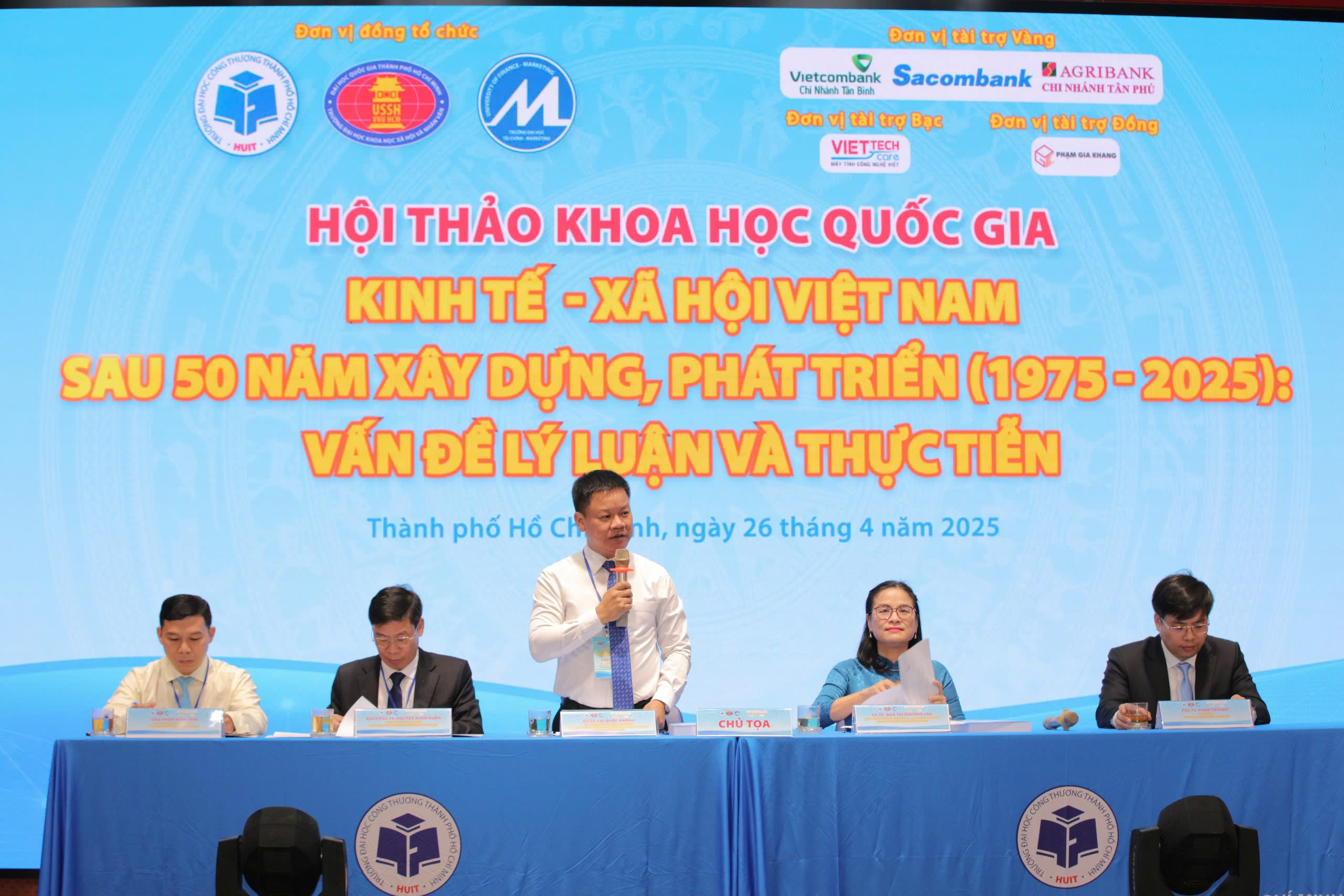
On April 26, the University of Social Sciences and Humanities Vietnam National University Ho Chi Minh City (USSH VNUHCM), in collaboration with the HCMC University of Industry and Trade (HUIT) and the University of Finance and Marketing (UFM), hosted a national academic conference titled "Vietnam’s Socio-Economic Development After 50 Years (1975–2025): Theoretical and Practical Issues."
The event attracted the participation of numerous scholars, researchers, lecturers, and students from academic institutions and research centers across the country.
Reflecting on Five Decades to Shape a Vision for Sustainable Growth
Delivering the opening remarks, Assoc. Prof. Dr. Nguyen Xuan Hoan, President of HUIT, emphasized that half a century after national reunification, Vietnam has made remarkable strides across all sectors—politics, economy, culture, society, national defense, security, and foreign affairs.
He noted that the conference offers a valuable opportunity for the academic community to systematically and scientifically review the nation’s developmental milestones and lessons since 1975. From this foundation, participants can propose strategic directions and macro-level solutions to further innovate the growth model, enhance national competitiveness, and improve quality of life in the new context. He also underscored the pivotal role of universities in advancing scientific research, fostering academic exchange, and transferring knowledge—core drivers of sustainable socio-economic development.
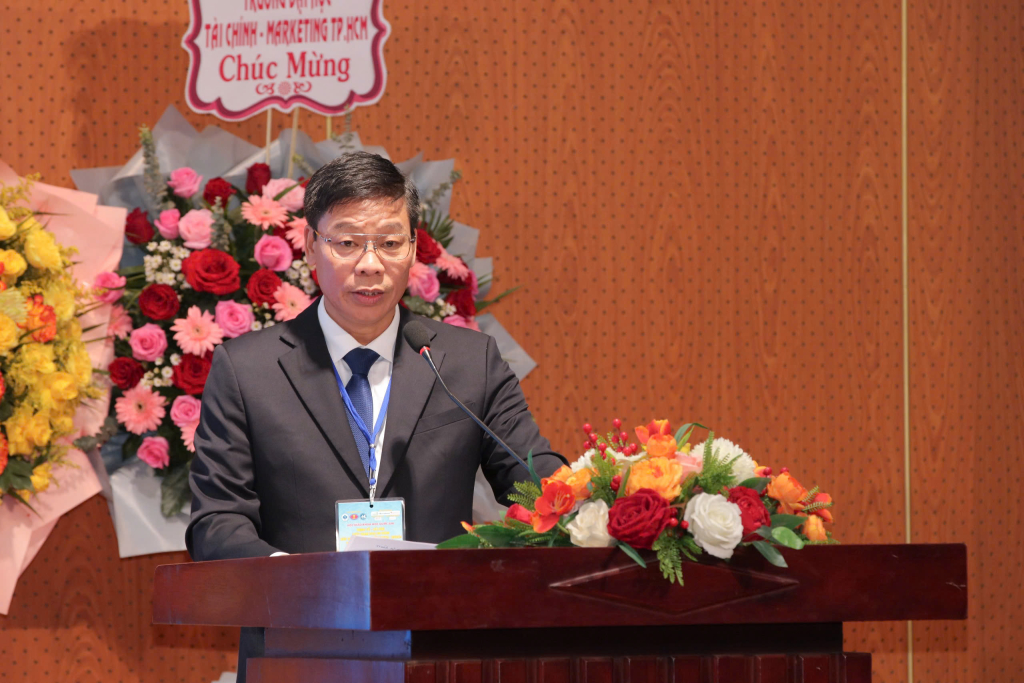
Assoc. Prof. Dr. Nguyen Xuan Hoan emphasizes that Vietnam has achieved tremendous progress in all areas 50 years after reunification
Also speaking at the conference, Assoc. Prof. Dr. Huynh Thanh Dat, Member of the Party Central Committee and Deputy Head of the Central Commission for Communication and Mass Mobilization, offered his congratulations and highlighted the event’s special significance as the nation commemorates the 50th anniversary of reunification while preparing for new development challenges. He stressed that a comprehensive evaluation of Vietnam’s journey from 1975 to the present is essential for drawing both theoretical and practical lessons, which will be crucial in shaping strategic policy directions for the future.
Dr. Dat also praised the dedication and contributions of the scholarly community, noting that over 200 high-quality papers were submitted for the conference, focusing on economic, social, cultural, and theoretical issues related to Vietnam’s path toward socialism. He expressed confidence that the conference’s outcomes would provide practical, science-based arguments to support institutional and policy development in this new era.
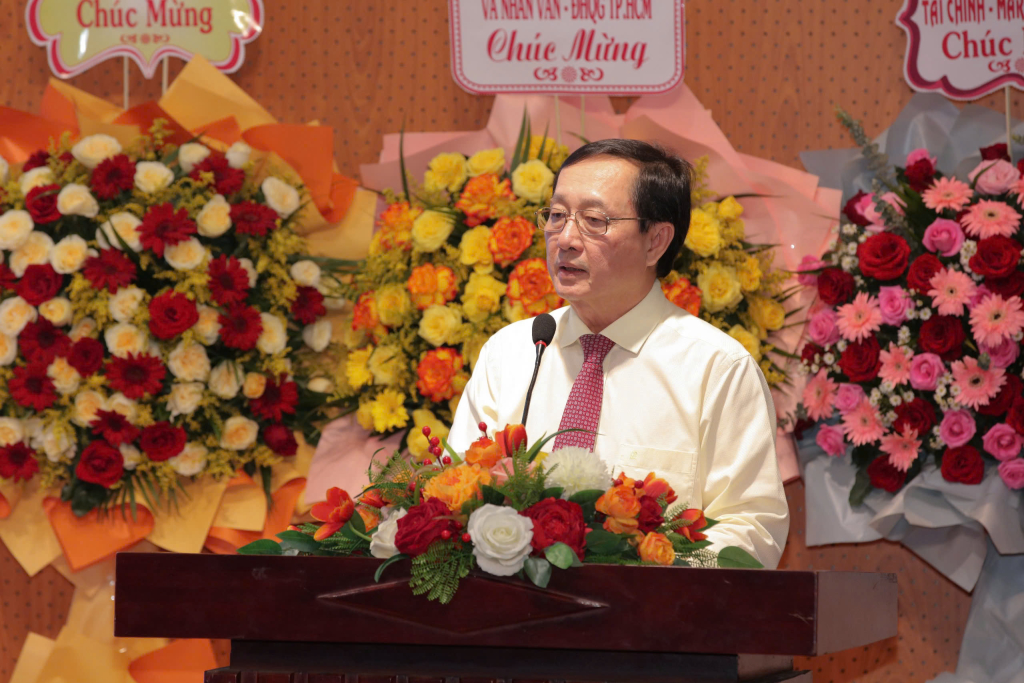
Assoc. Prof. Dr. Huynh Thanh Dat delivers congratulatory remarks at the conference
Driving Innovation Through the Realities of National Development
The conference featured a series of comprehensive presentations that addressed key issues in Vietnam’s socio-economic development over the past 50 years. These reports not only summarized achievements and distilled valuable theoretical and practical lessons but also proposed strategic directions to meet the demands of a new development stage in the context of deep globalization and a shift in the growth model.
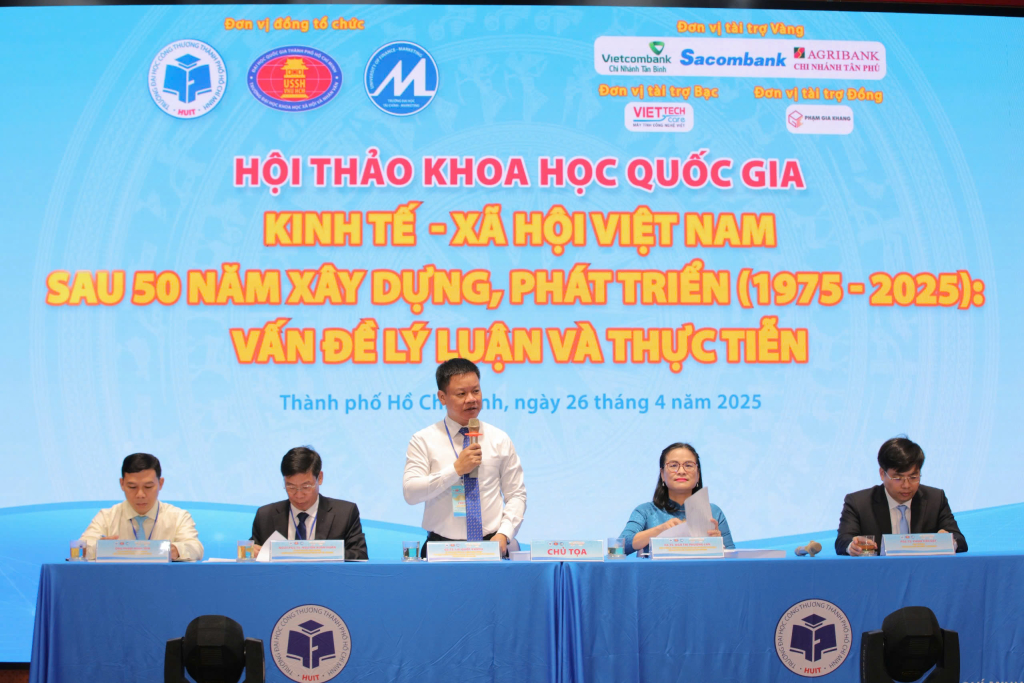
The panel chairs lead the discussion session at the conference – Photo: LÝ NGUYÊN
Among the highlights was a presentation by Dr. Phung Ngoc Bao, Head of the Southern Office of the Communist, presented his discourse “Developing a Socialist-Oriented Market Economy in Vietnam: Lessons from 40 Years of Reform in Ho Chi Minh City.” His report provided an in-depth analysis of Ho Chi Minh City’s pioneering role in creatively implementing the Party’s economic reform policies. It also drew key lessons on urban development, institutional reform, and modern governance.
Following that, in her presentation “The Vietnamese Communist Party’s Evolving Perspective on Human Factors Over 50 Years of Reunification,” Dr. Pham Thi Thuy Van of Hanoi National University of Education highlighted the Party’s shift in development thinking—placing humans at the center of national strategy—and emphasized the decisive role of human potential in the nation’s construction and integration process.
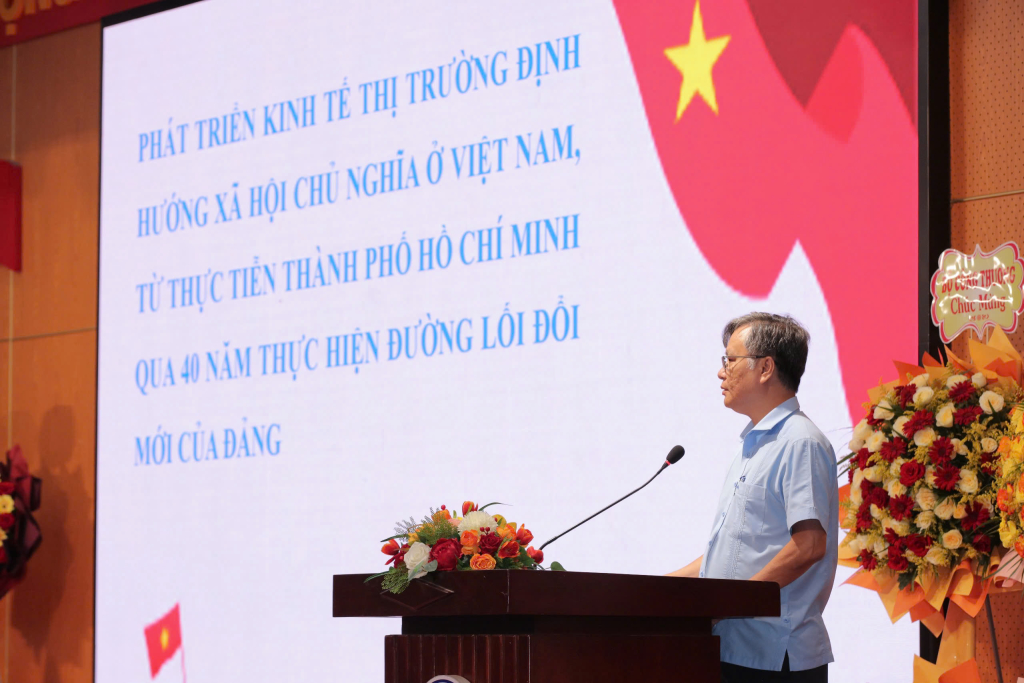
Dr. Phung Ngoc Bao presents his discourse
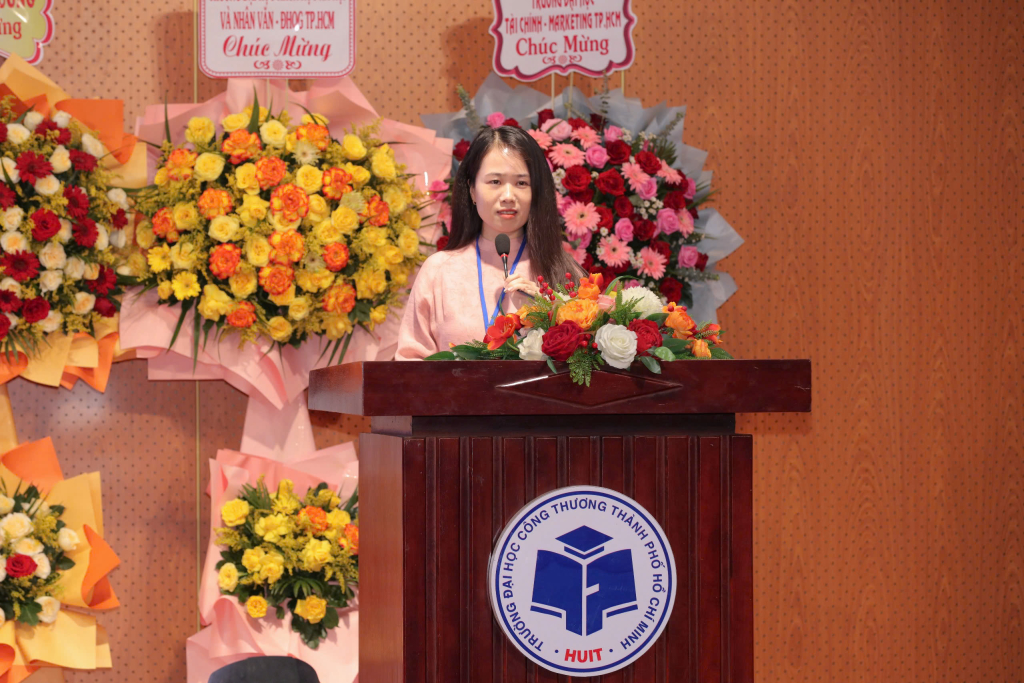
Dr. Pham Thi Thuy Van explains the Party's evolution in development thinking, placing humans at the heart of national strategy
Taking a broader view, Assoc. Prof. Dr. Pham Tien Dat, President of UFM, in his presentation “Vietnam’s Socio-Economic Landscape After 50 Years: Achievements, Challenges, and Future Directions,” systematized Vietnam’s key development milestones. He also identified emerging challenges, such as social inequality, environmental pressures, and the urgent need for digital transformation. His report proposed strategic pathways to drive sustainable growth, improve national competitiveness, and adapt effectively to the globalized context.
In another key contribution, Colonel Assoc. Prof. Dr. Ha Trong Tha of the People’s Security Academy, through his presentation “The Vietnamese Communist Party’s Evolving Understanding of Human Security Since 1975,” explored the shift in security thinking—from traditional security to human security. He emphasized the need to place citizens’ quality of life at the center of national development strategies, aligning with the urgent demands of the modern era.
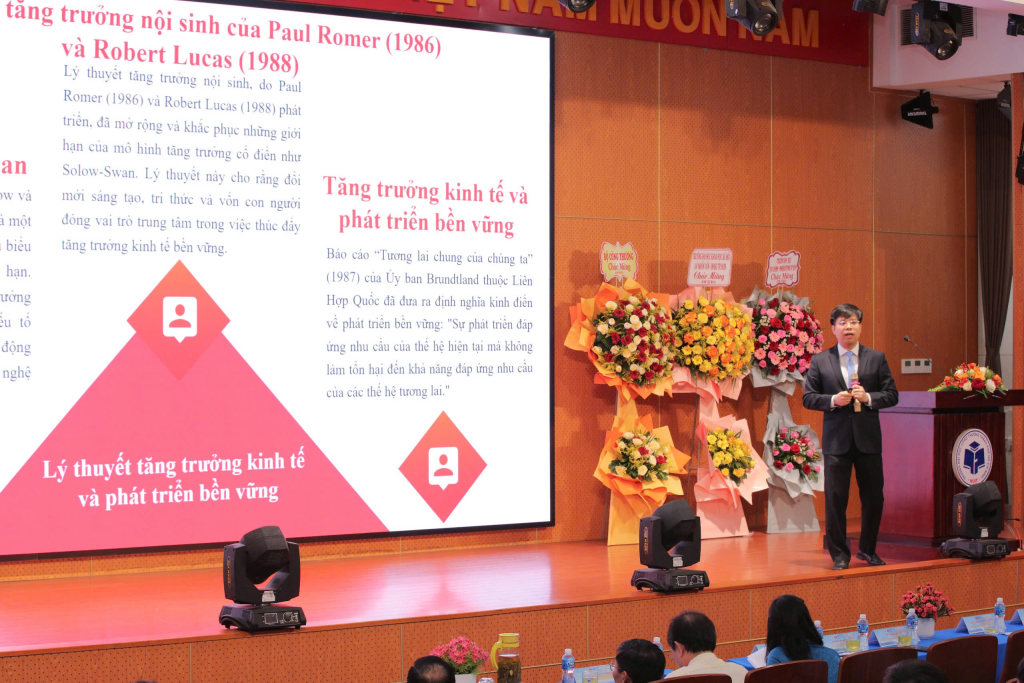
Assoc. Prof. Dr. Pham Tien Dat delivers his talk
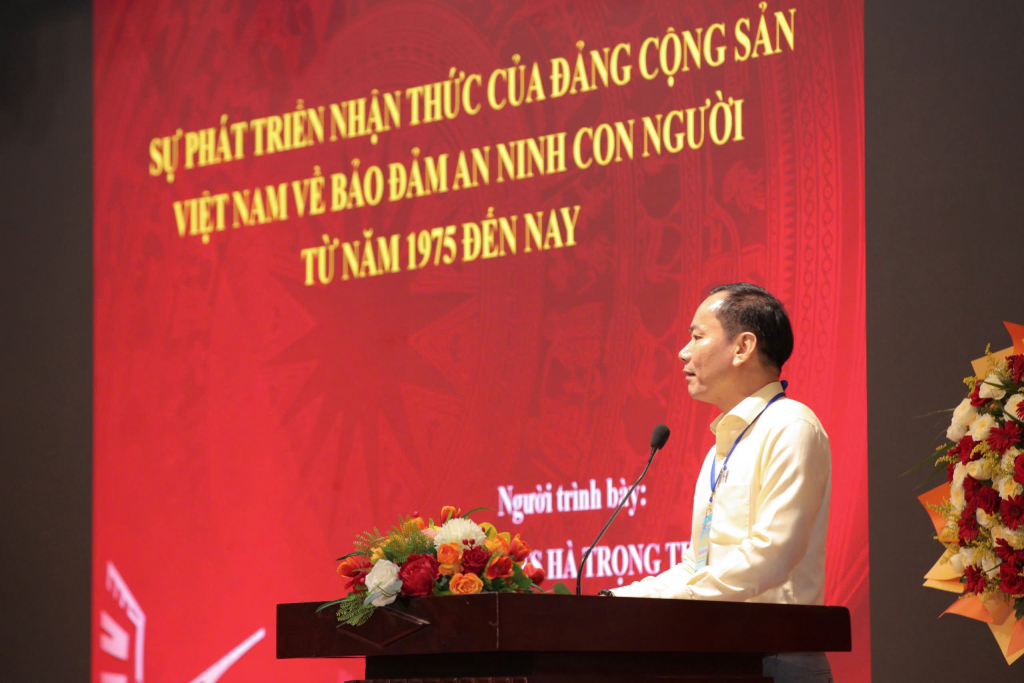
Colonel, Assoc. Prof. Dr. Ha Trong Tha emphasizes the importance of prioritizing quality of life in national development strategies
Notably, in his presentation titled “The Dialectic of Innovation, Stability, and Development: Ho Chi Minh City’s Role as a Growth Engine,” Assoc. Prof. Dr. Dinh Ngoc Thach, senior lecturer at USSH VNUHCM stressed that innovation, stability, and development are interdependent and inseparable in the nation-building process.
He argued that to maintain its leadership role, Ho Chi Minh City must continuously innovate and adapt to new development models while preserving institutional, societal, and cultural stability as foundational pillars. He further emphasized that striking a flexible balance between innovation and stability is key for the city to remain a driver of Vietnam’s socio-economic progress amid global integration.
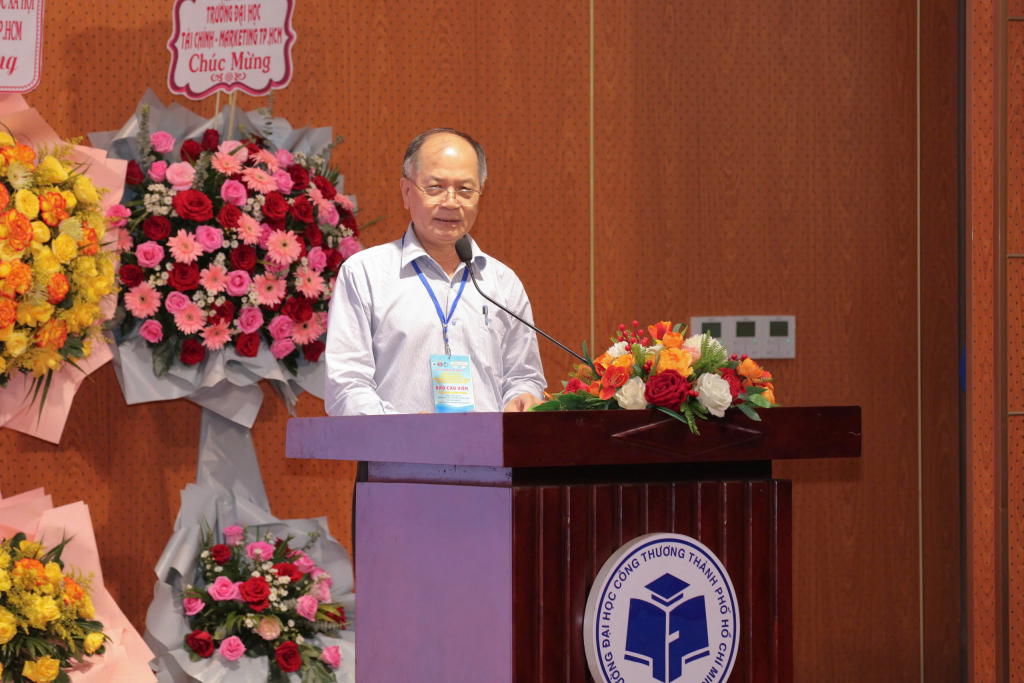
Assoc. Prof. Dr. Dinh Ngoc Thach highlights the interdependence of innovation, stability, and development in national progress
The presentations reflected the rigorous, thoughtful, and passionate engagement of the research community. The subsequent discussion session was lively and engaging, with candid exchanges and sharp critiques that helped clarify both theoretical and practical issues related to Vietnam’s development journey.
Many of the proposals opened new avenues for research in the context of global integration, digital transformation, and the ongoing effort to refine the socialist-oriented market economy. The discussion served as an intellectual forum that crystallized scholarly insights, enriching the scientific foundations for national development in this new era.
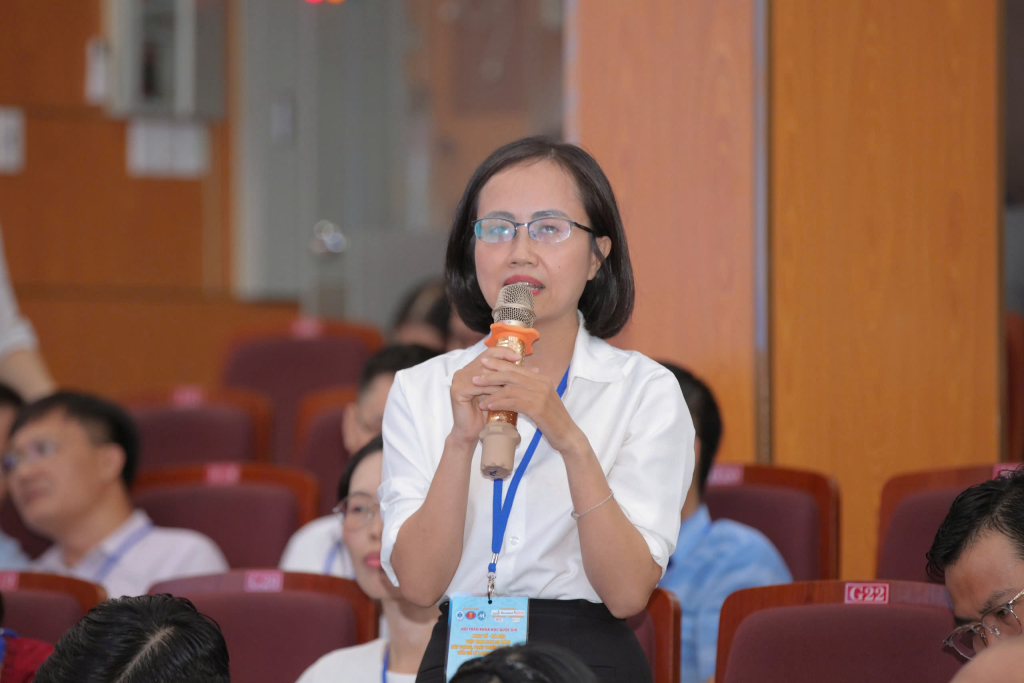
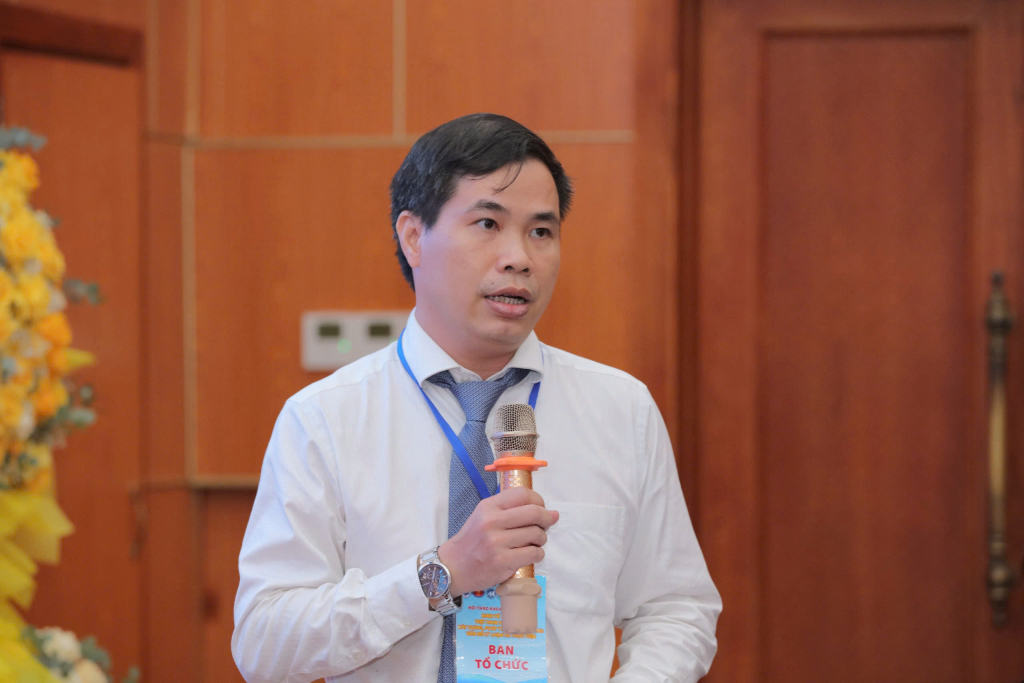
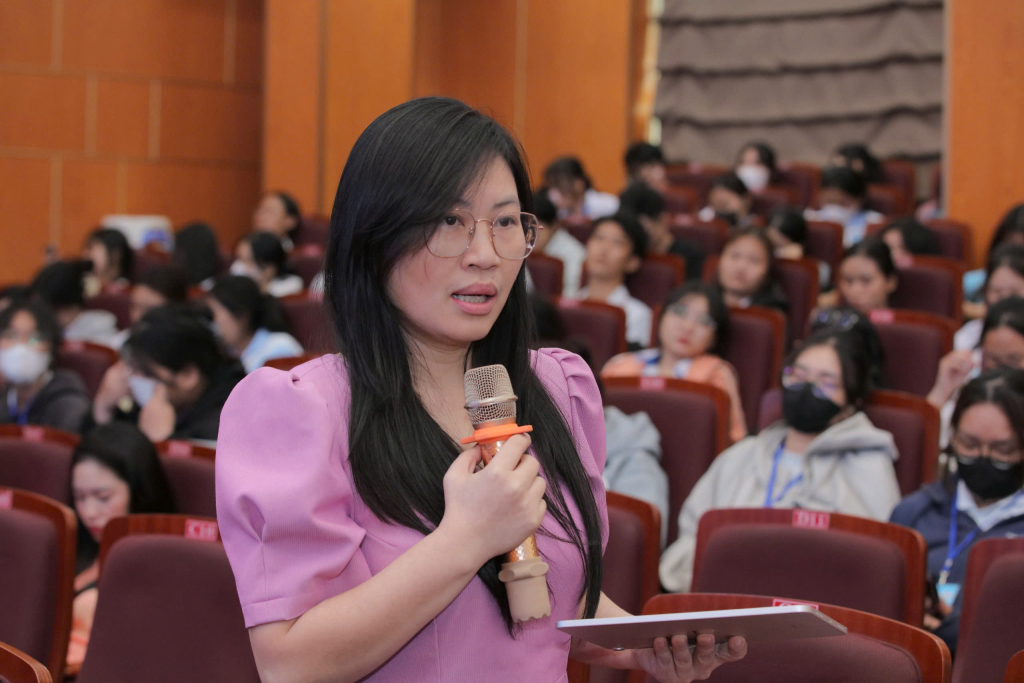
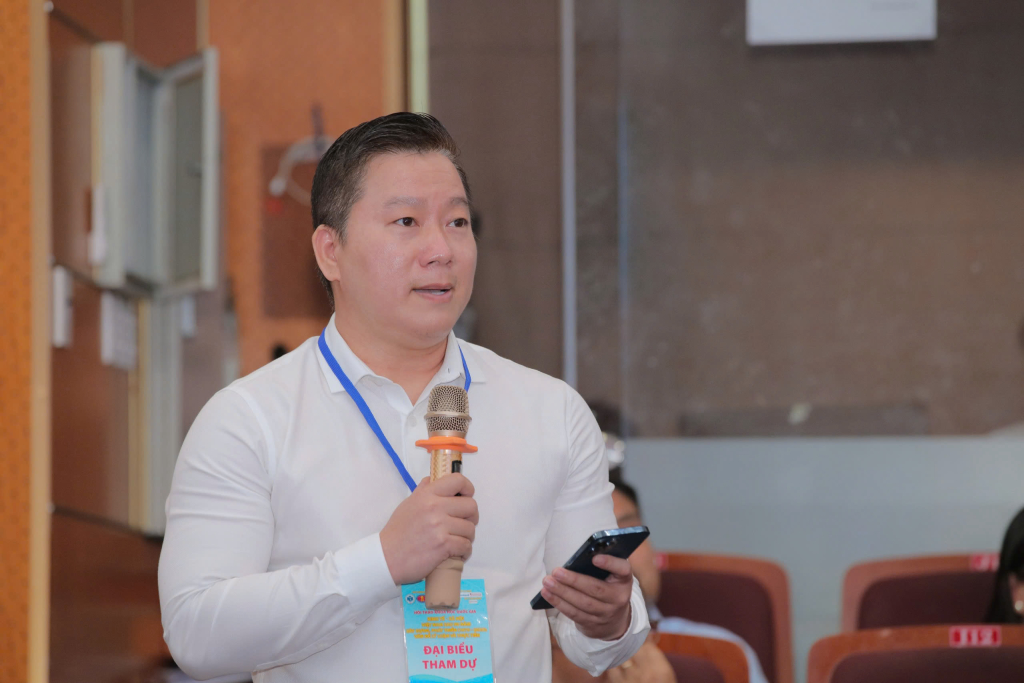
Delegates actively exchange views and contribute ideas during the conference
Pillars of Progress: The Drive for Innovation and Sustainable Development in a New Era
In her closing remarks, Prof. Dr. Ngo Thi Phuong Lan, President of USSH VNUHCM, emphasized that the conference was not only a moment to reflect on Vietnam’s 50-year journey of nation-building and development but also an intellectual forum where the past, present, and future were examined through both theoretical and practical lenses. With over 200 submitted papers and a number of outstanding presentations delivered at the event, a vibrant and comprehensive picture of Vietnam’s socio-economic landscape emerged—from remarkable achievements to the new challenges facing the country in its path toward integration and sustainable growth.
Summarizing the key insights, Prof. Dr. Ngo Thi Phuong Lan stressed that renewing the development mindset with a focus on human potential, creatively applying the socialist-oriented market economy model, balancing innovation, stability, and development, and ensuring human security in the modern era are critical pillars that require continued research, refinement, and institutionalization. The conference also offered strategic suggestions for reforming the growth model, accelerating digital transformation, developing a green economy, protecting the environment, and enhancing national competitiveness.
On behalf of the Organizing Committee, she expressed heartfelt thanks to the scientists, experts, and researchers for their valuable contributions and voiced hope that, from the dialogue fostered at the conference, all participants would join hands in continuing Vietnam’s journey of reform, innovation, and development—a journey that is stronger, more humane, and more sustainable in the 21st century.
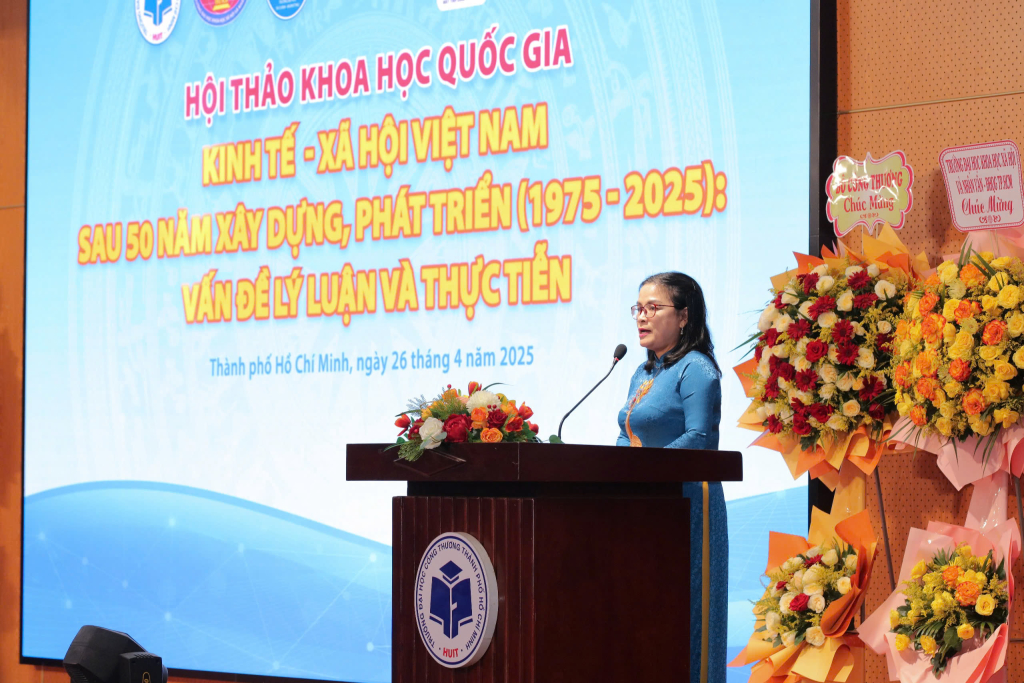
Prof. Dr. Ngo Thi Phuong Lan emphasizes the importance of renewing the development mindset, creatively applying the socialist-oriented market economy model, balancing innovation–stability–development, and ensuring human security as pillars for future progress
The conference provided an opportunity to reflect on the core values that have shaped the nation’s development strength over the past half-century. It affirmed Vietnam’s solid standing on the global stage. Looking back at the country’s 50-year journey, it becomes clear that Vietnam’s greatest strength lies not only in its tangible achievements but also in its ability to renew its thinking and refresh its development drivers in every historical phase. From today’s strong theoretical foundations and dynamic real-world practices, a new generation of intellectuals is rising—carrying forward the spirit of innovation and steadfastly contributing to Vietnam’s journey toward the future.
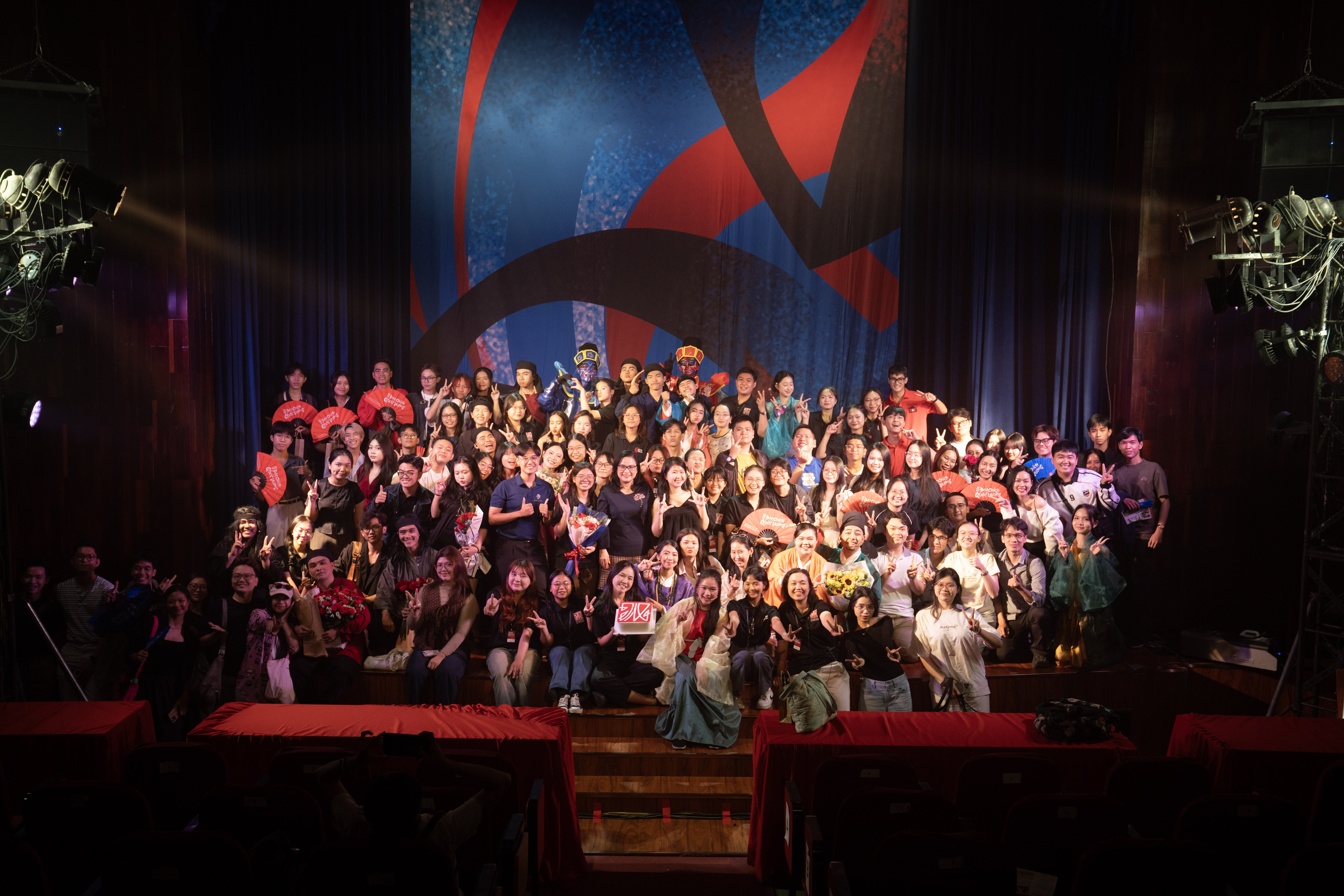
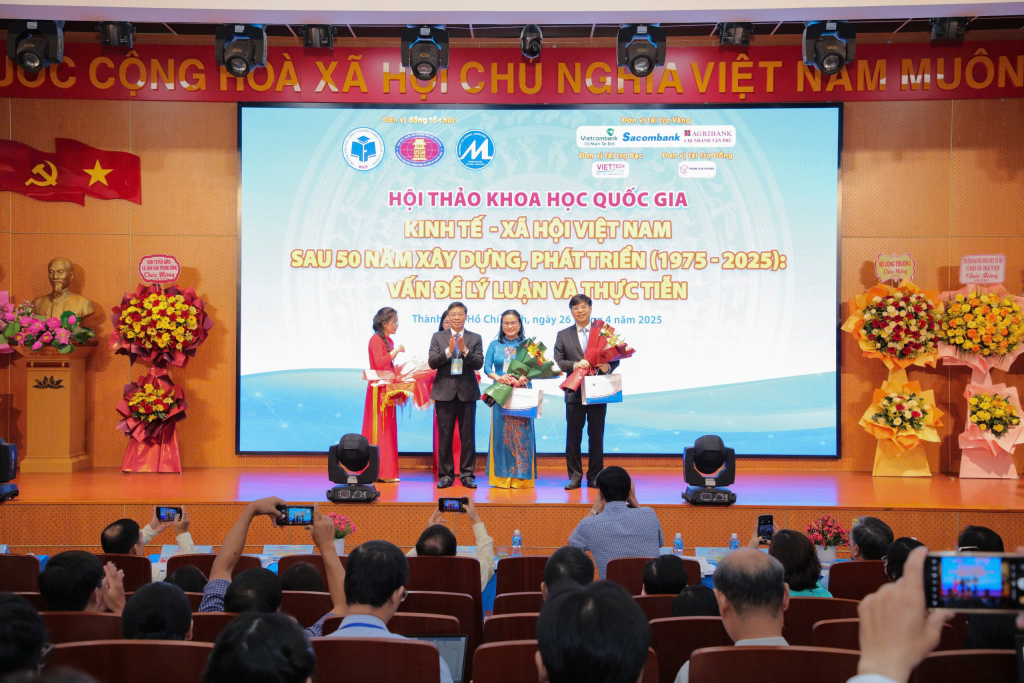
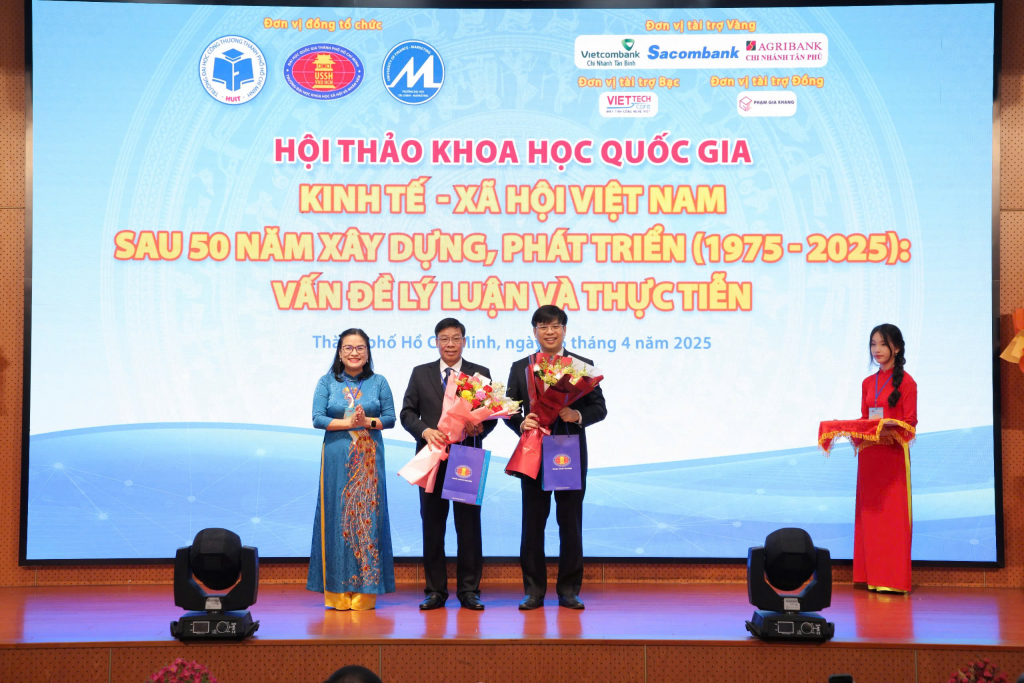
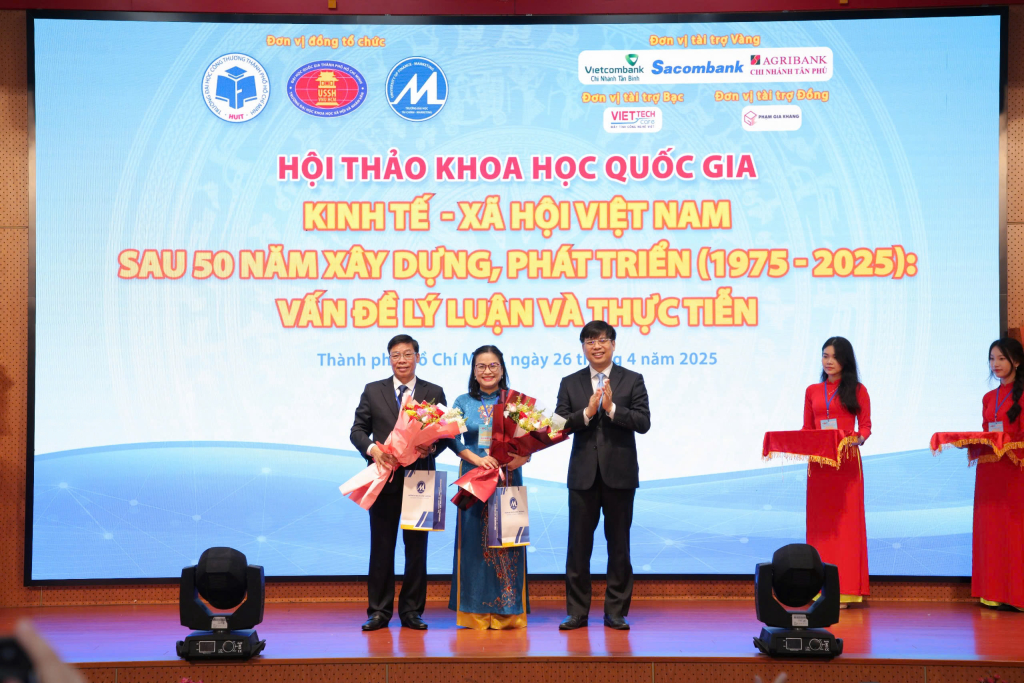
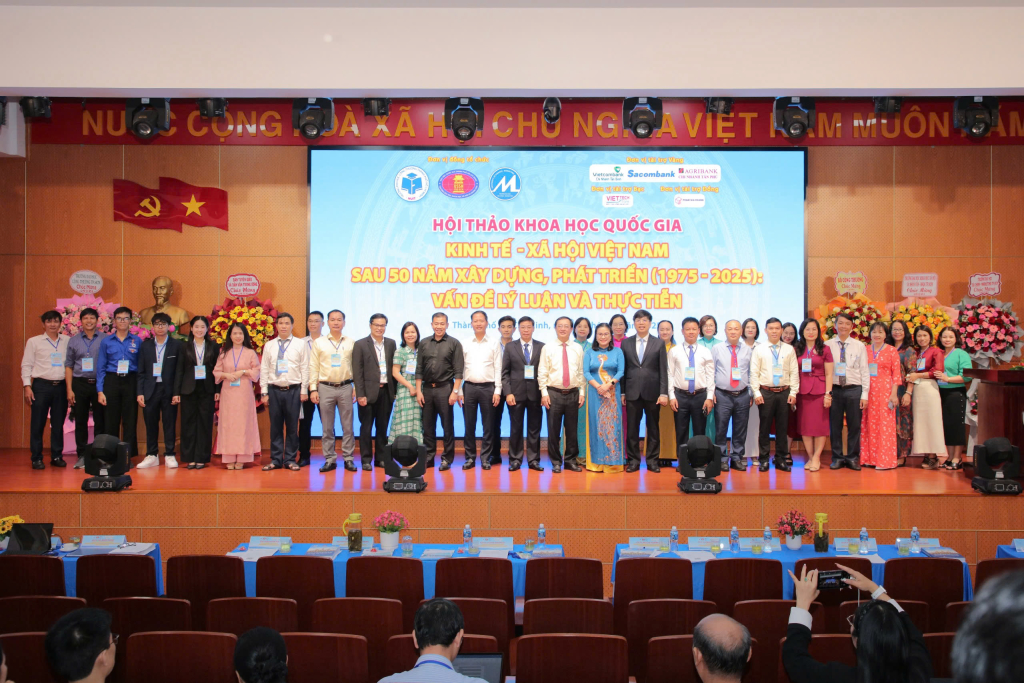
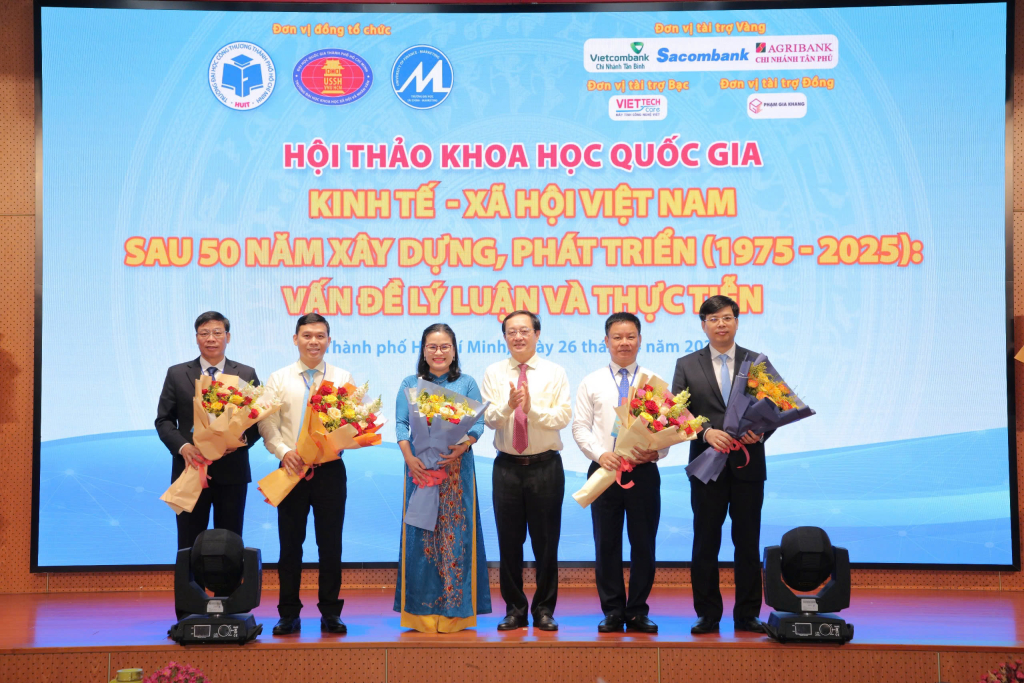
Some moments from the conference:
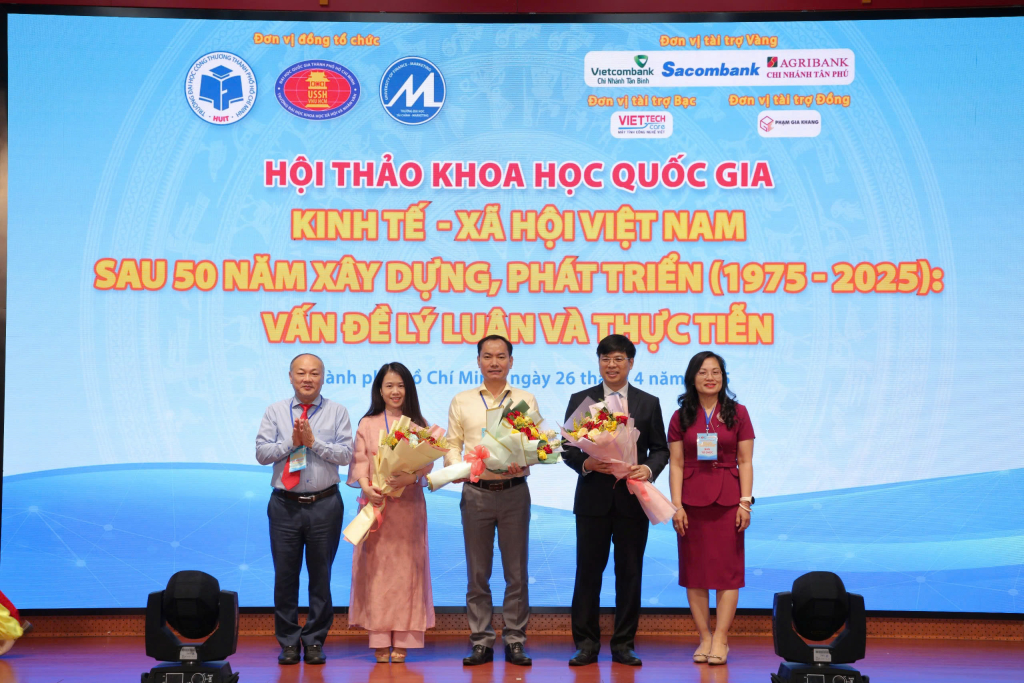
Story & photo by LÝ NGUYÊN – THU THẢO
Translation by THÁI TƯỜNG