Promoting research and training cooperation in behavioral sciences between the University of Social Sciences and Humanities and the National Productivity Agency of Malaysia
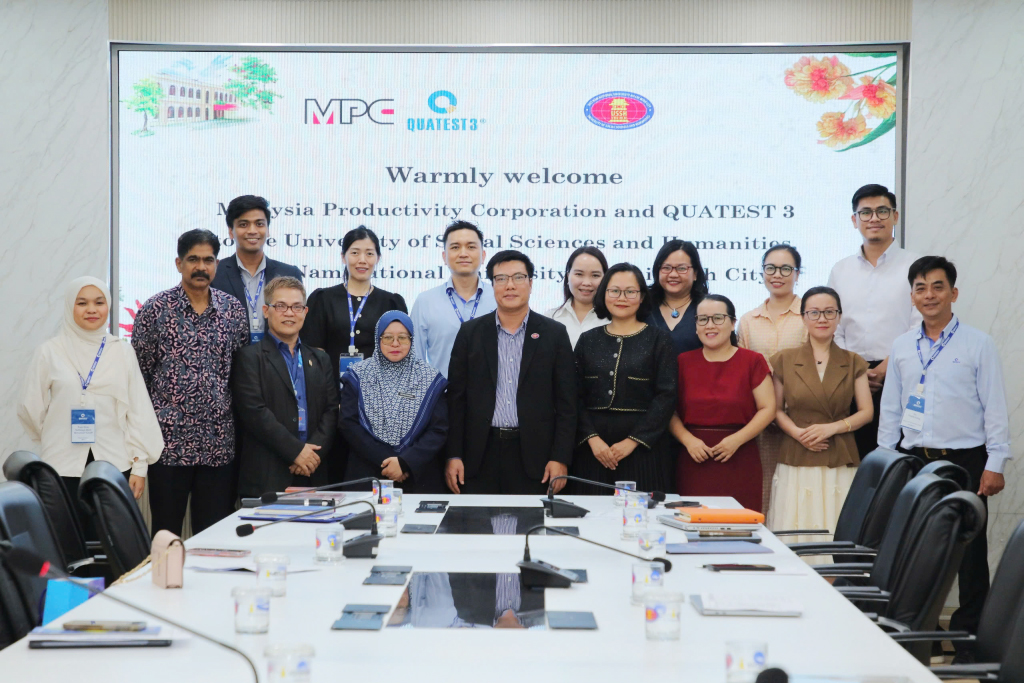
On the afternoon of June 19, the University of Social Sciences and Humanities, VNU-HCM had a working session with the Malaysia Productivity Corporation (MPC). The program aims to promote academic exchanges, introduce potential cooperation in the field of behavioral sciences, and expand connections between training and research units in Vietnam and Malaysia.
Attending the meeting, on the MPC side were Ms. Norhasimah Binti Ibrahim, Deputy Director of the Research and Development Department; Mr. Izzul Ikhwan Bin Ishak, MPC Manager; Ms. Putri Dhia Nathasya Binti Mohamad Yusoff, MPC Assistant Manager; and representatives of coordinating units such as the Institute of Behavioral Health Research, Quality Measurement and Standards Technical Center 3 (QUATEST 3), and Small and Medium Enterprise Development Support Center 2 (SMEDEC 2).
On the side of the University of Social Sciences and Humanities, VNU-HCM, there were Associate Professor Dr. Luu Van Quyet, Vice Rector, along with leaders, lecturers, and researchers from the Departments of Psychology, Sociology, Anthropology, and the Institute of Social Sciences and Humanities.
Speaking at the meeting, Associate Professor Dr. Luu Van Quyet affirmed that the University highly appreciates the strategic orientation and professional capacity of MPC in promoting national productivity and competitiveness on the basis of developing behavioral science. This is also a key research and training field at the University, especially in training programs on psychology, sociology, and public policy. The Vice Rector of the University expressed his hope that the meeting will open up practical cooperation opportunities, especially in applied research serving operations, organizational management, leadership, and human resource development.
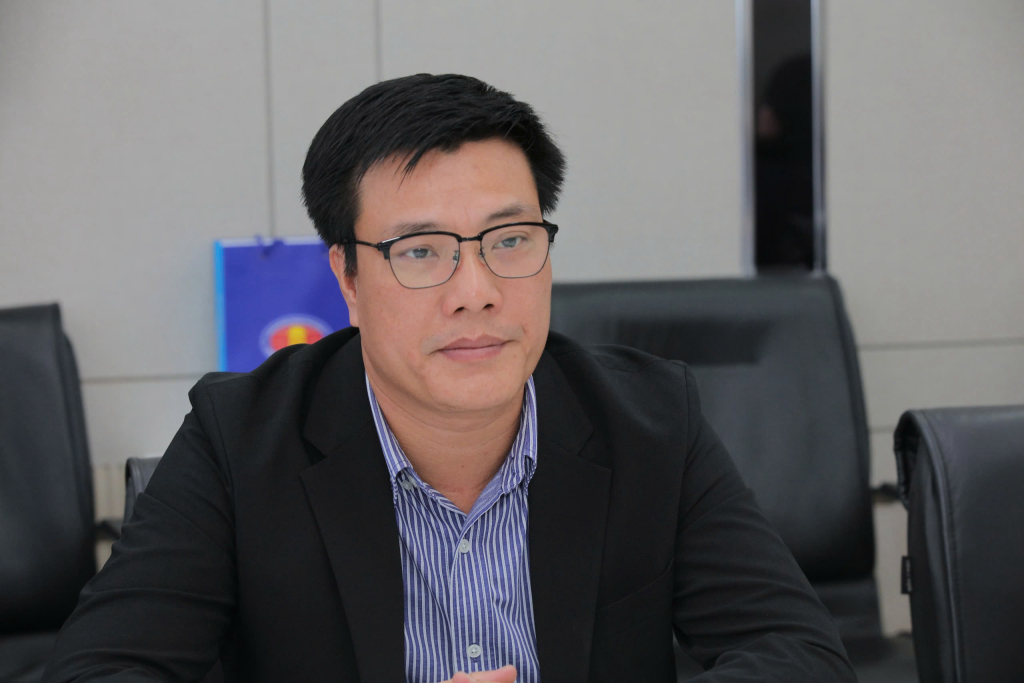 Associate Professor Dr. Luu Van Quyet at the working session - Photo: THU THAO
At the meeting, representatives of the Malaysian Productivity Corporation (MPC) gave an overview of the organization's operating model, mission, and development strategy. As a pioneer in promoting national productivity and competitiveness, MPC identifies behavioral science as one of the key approaches to improving policy effectiveness and organizational innovation. According to MPC, understanding human behavior is not only valuable in public policy making but also the foundation for restructuring the work environment, improving leadership capacity, and designing sustainable management solutions.
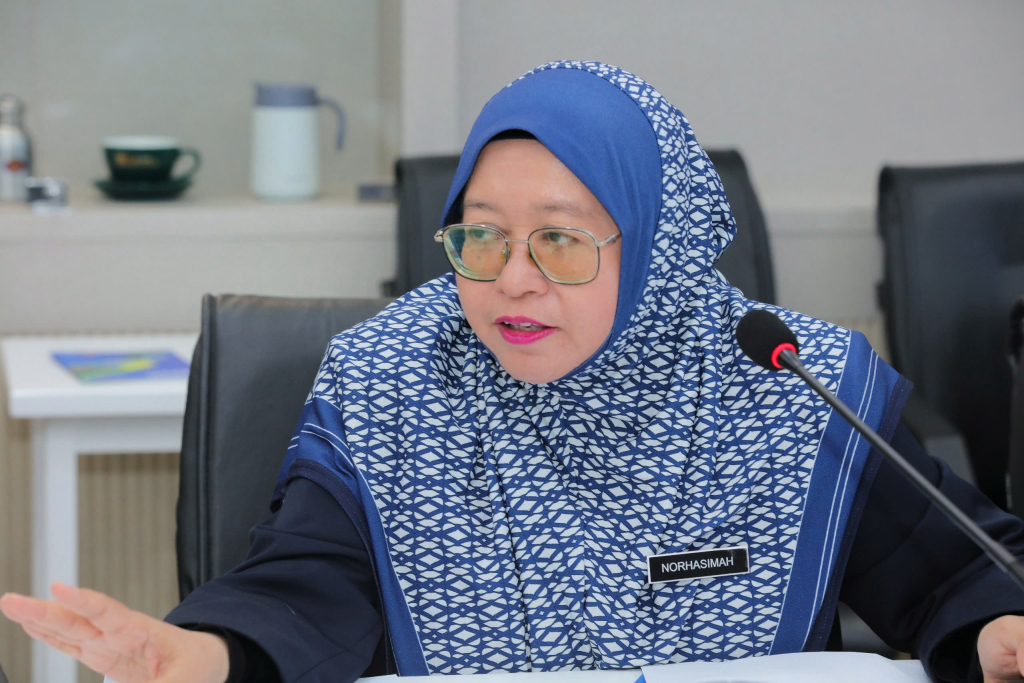 Ms. Norhasimah Binti Ibrahim, Deputy Director of the Research and Development Department, discussed at the meeting. Photo: THU THAO
MPC shared that they are implementing many research and training programs applying the “Behavioral Insights” method, which is developed from the combination of psychology, behavioral economics, and data science. These programs have shown clear effectiveness in changing organizational behavior, increasing productivity, and promoting innovation in corporate culture. MPC especially emphasized the need to connect with universities with strengths in social and behavioral science research, in which the University of Social Sciences and Humanities is considered a potential partner in Vietnam.
On the University's side, lecturers from the Faculty of Psychology, Faculty of Sociology, Faculty of Anthropology, and the Institute of Social Sciences and Humanities introduced the University's multidisciplinary research ecosystem, emphasizing the training orientation associated with practice, including many applied research topics such as organizational psychology, leadership behavior, public policy research, and social governance. The parties discussed in depth the possibility of developing short-term training modules on behavioral science for students, postgraduates, and managers in Malaysia and Vietnam.
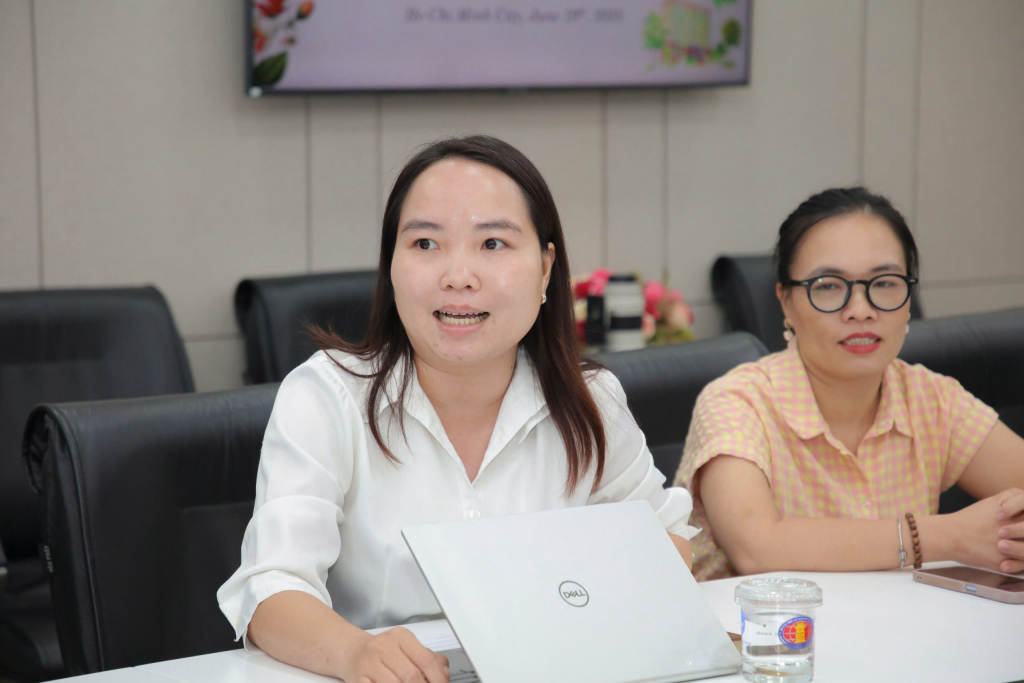
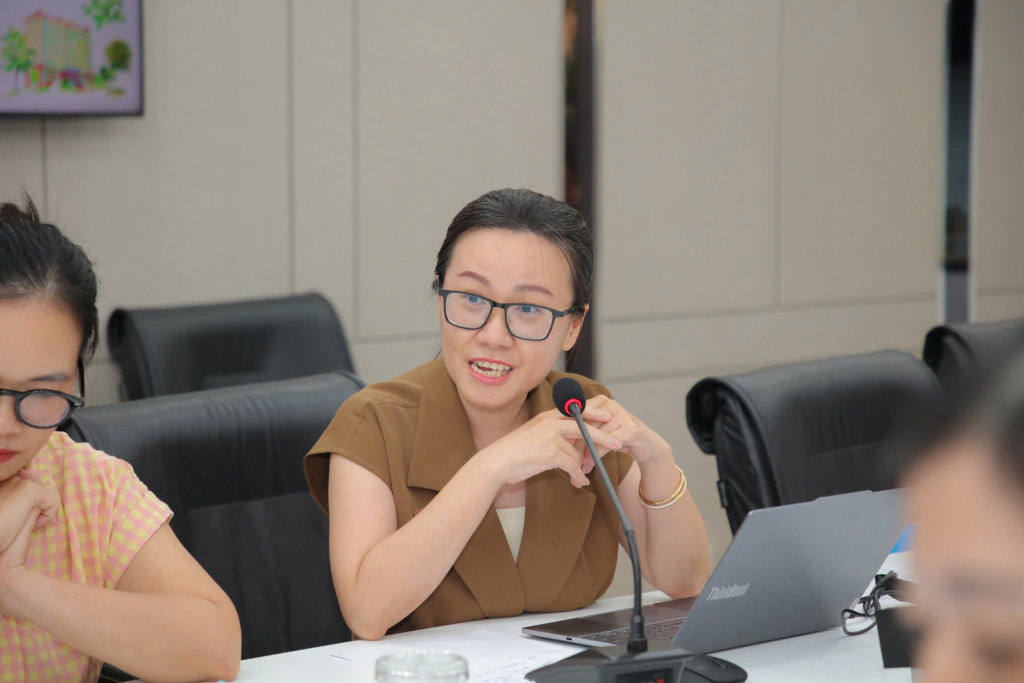
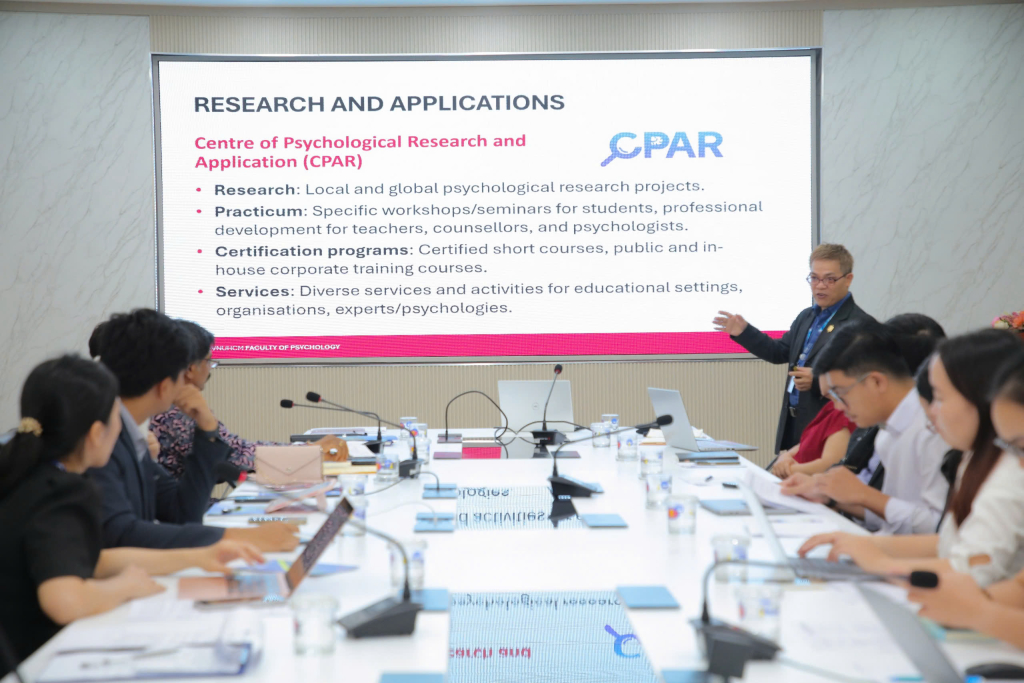 Representatives of the departments exchanged at the working session. Photo: THU THAO
In particular, the exchange opened up a new approach in international cooperation thinking, which is to share knowledge platforms and transform them into specific action programs to serve administrative reform, improve labor productivity and create positive impacts on the community. MPC expressed its desire to establish a long-term cooperative relationship with the University through jointly implemented research projects, joint academic forums and exchange programs for experts and students between the two sides.
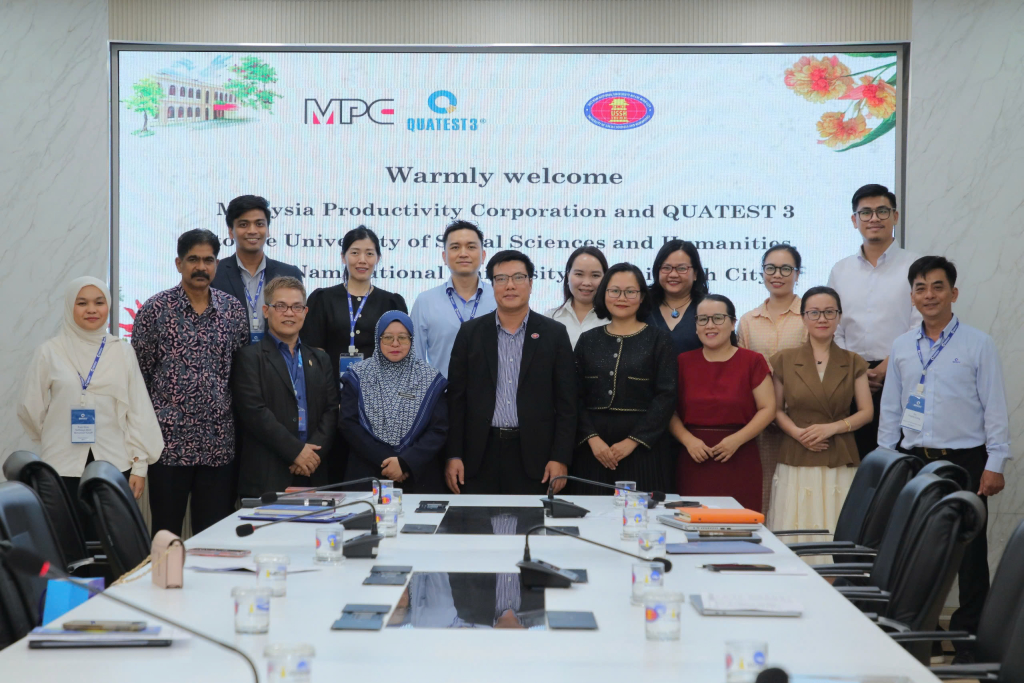 The two sides took a souvenir photo after the working session. Photo: THU THAO
THU THẢO