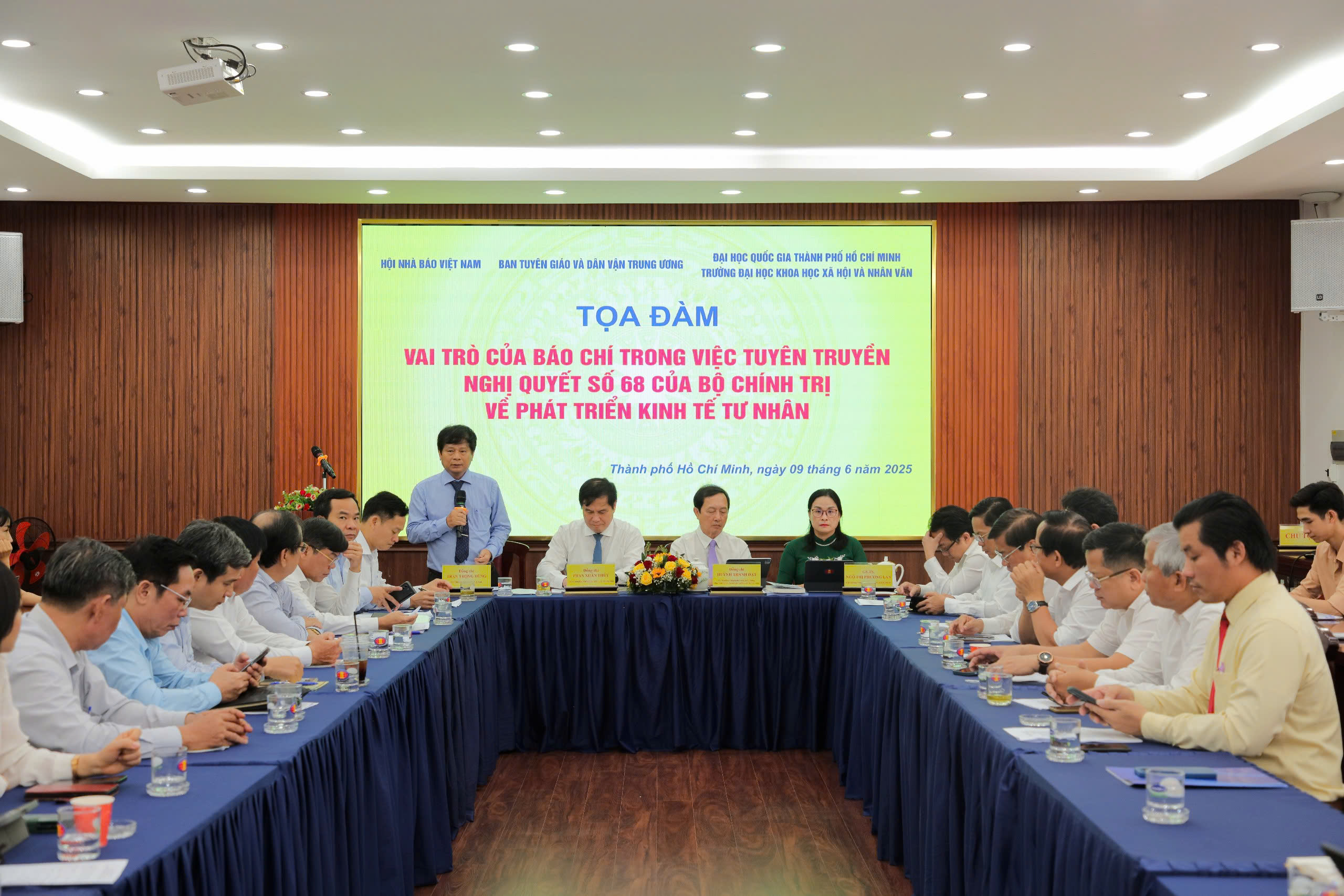
As Vietnam enters a new phase of development with the private sector identified as a key driver of the national economy, effective communication of the core messages of Resolution 68-NQ/TW by the Politburo of Vietnam has become more critical than ever. On June 9, the seminar titled "The Role of the Press in Communicating Resolution 68-NQ/TW" was held by the Central Propaganda and Mass Mobilization Commission, the Vietnam Journalists Association, and the University of Social Sciences and Humanities (USSH), Viet Nam National University Ho Chi Minh City (VNUHCM). This event served not only as a professional activity but also as a powerful call to action for the press to uphold its social responsibility and leadership in shaping public policy.
Press and Media are not merely tools, but active agents shaping the space for policy’s development
In her welcome remarks, Prof. Dr. Ngo Thi Phuong Lan, USSH’s President, underscored the press’s role in communicating Resolution 68-NQ/TW, emphasizing a shift from being merely a tool for policy communication to becoming a proactive participant in shaping policy’s development.
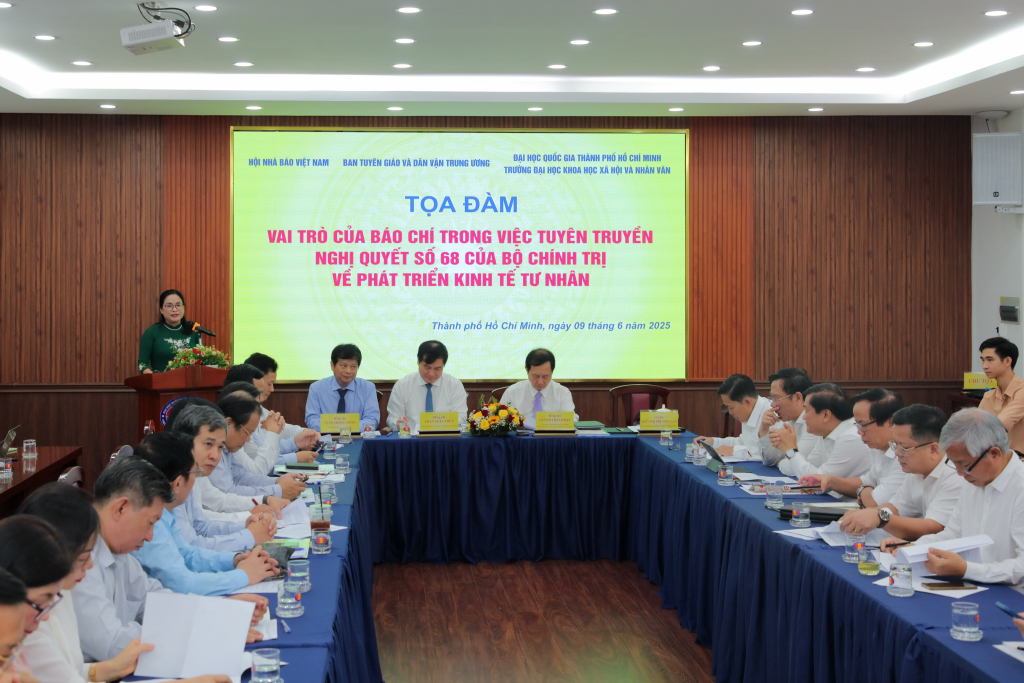
Prof. Dr. Ngo Thi Phuong Lan, USSH’s President, gave a welcome speech at the seminar - Photo: LY NGUYEN
According to Prof. Dr. Ngo Thi Phuong Lan, in today’s era where media is deeply embedded in the policymaking ecosystem, journalism must possess political courage, technological fluency, and strategic thinking. The press must fulfill these three core missions to guide public thought, spread the developmental aspirations, and contribute constructive criticism for institutional improvement. Therefore, Resolution 68 must not be conveyed in a linear or bureaucratic way, but rather be transformed into real-life stories, exemplary businesses, and policy insights through a modern, responsible, and in-depth media lens.
Particularly, the President emphasized that to fulfill this role, journalists require not only skills and ethics but also deep political and developmental thinking. Without a clear understanding of the private sector’s driving force and empathy for the institutional barriers entrepreneurs face, the media cannot accurately convey the reform spirit embedded in the Resolution.
She expressed that the ideas and presentations shared at the seminar would evolve into academic and training materials to help build a national media strategy where journalism leads public understanding and developmental action.
The press – a bridge between the Party’s vision and social action in implementing Resolution 68-NQ/TW.
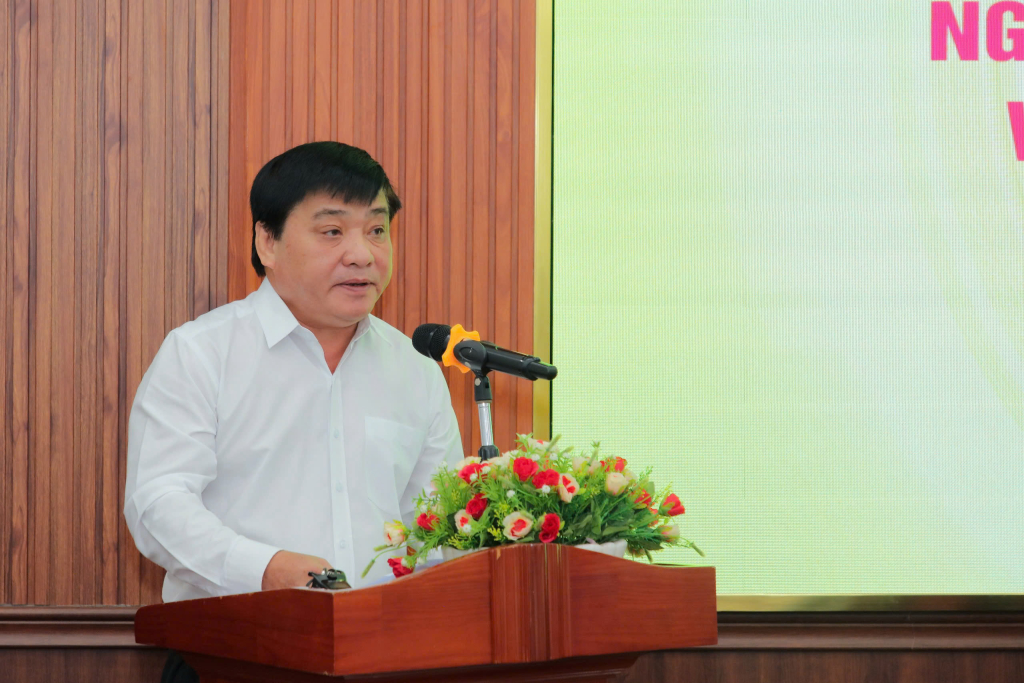
Opening the seminar, Deputy Head of the Central Propaganda and Mass Mobilization Commission, Phan Xuan Thuy delivered a keynote speech highlighting the strategic role of the press in the implementation of Resolution 68. He stressed that for the first time, the private economy has been officially recognized as a principal driver of the national economy—signaling a significant shift from "acknowledging" to "protecting, encouraging, and empowering" the private sector within the socialist-oriented market economy.
In this context, the press is more than a communication tool—it is a politically active agent shaping developmental thinking, spreading reform messages, mobilizing action, and offering policy critique. Mr. Phan Xuan Thuy emphasized that without a strong press system - one that is politically steadfast, economically informed, and flexible in communication practices – even the most accurate, visionary, and well-targeted resolutions may struggle to be effectively translated into real life. The press must take a proactive role in the implementation of the resolution—not merely conveying the content of policies, but also helping to translate the spirit of the resolution into the language of everyday life, into inspiration for development, and into concrete actions within the business community and the general public.
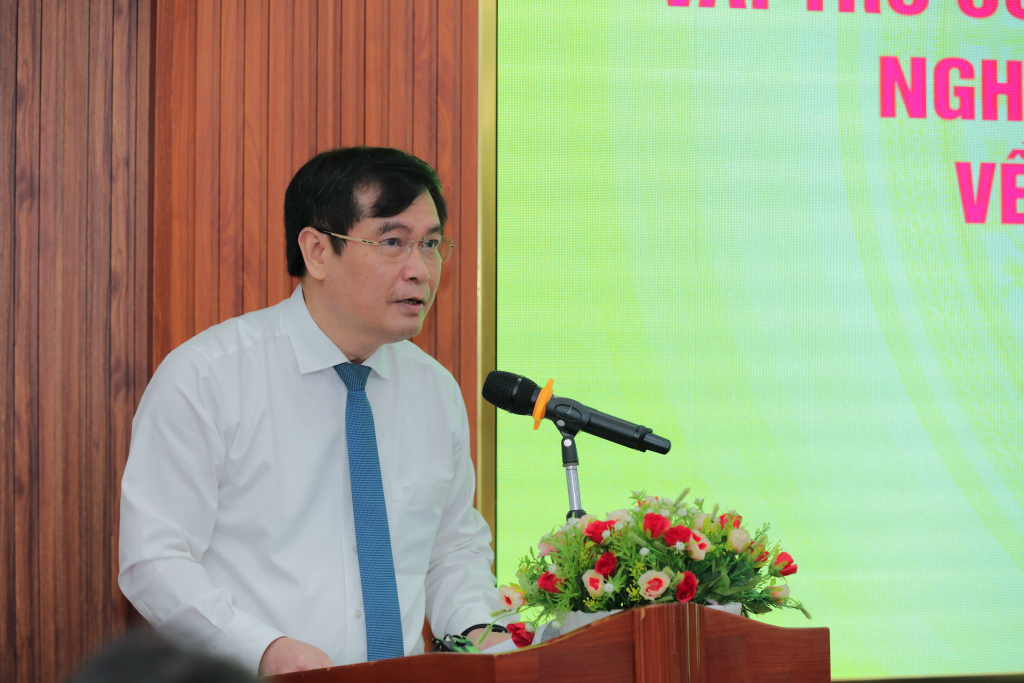
Deputy Head of the Central Propaganda and Mass Mobilization Commission, Phan Xuan Thuy delivered a keynote speech highlighting the strategic role of the press in the implementation of Resolution 68 - Photo: LY NGUYEN
The keynote outlined the press's responsibilities: first and foremost, it is essential to clarify the development philosophy centered on the private sector as established by Resolution 68-NQ/TW, then conveying the spirit of institutional reform and the encouragement of innovation, while promptly reflecting the difficulties and obstacles encountered during implementation—thereby laying the groundwork for timely policy adjustments. The press must fulfill its role as a 'social radar'—identifying shortcomings, highlighting exemplary models, countering misleading narratives, and, above all, fostering public confidence in a development path that places enterprises and citizens at its center.
Following the keynote speech, the seminar continued with presentations from press agencies, research institutions, businesses, and academic organizations. Although each presentation offered a different perspective, there was strong consensus on one key point: the press did not merely remain on the sidelines of the nation’s major issues—especially when the policy of promoting private sector development is entering a critical transitional phase, requiring robust, consistent, and in-depth communication efforts. The presentations focused on clarifying the role of the media in shaping public awareness of the private sector, dismantling long-standing historical prejudices that have viewed it as secondary or subordinate. In doing so, they affirmed that developing the private sector is, in essence, a process of democratizing the economy—mobilizing the intellect and internal strength of the entire population.
A recurring theme was the urgent need to transform policy reporting. No longer should it follow administrative routines; instead, the press must present deep-dive analyses, adopt flexible approaches, use accessible language, and tap into the emotional pulse of society. In the digital age, the press must take advantage of the power of multiple platforms—from print and online newspapers to television and social media—to broaden its reach and enhance the impact of Resolution 68-NQ/TW’s spirit across all segments of society.
Speakers also addressed the press’s capacity for policy creation and critique. Investigative reports and thematic stories have often helped policymakers identify regulatory bottlenecks in administrative procedures, development planning, and credit policies related to private enterprises. With its on-the-ground presence and responsiveness, the press can bridge gaps between government and the business community, thus advancing reform.
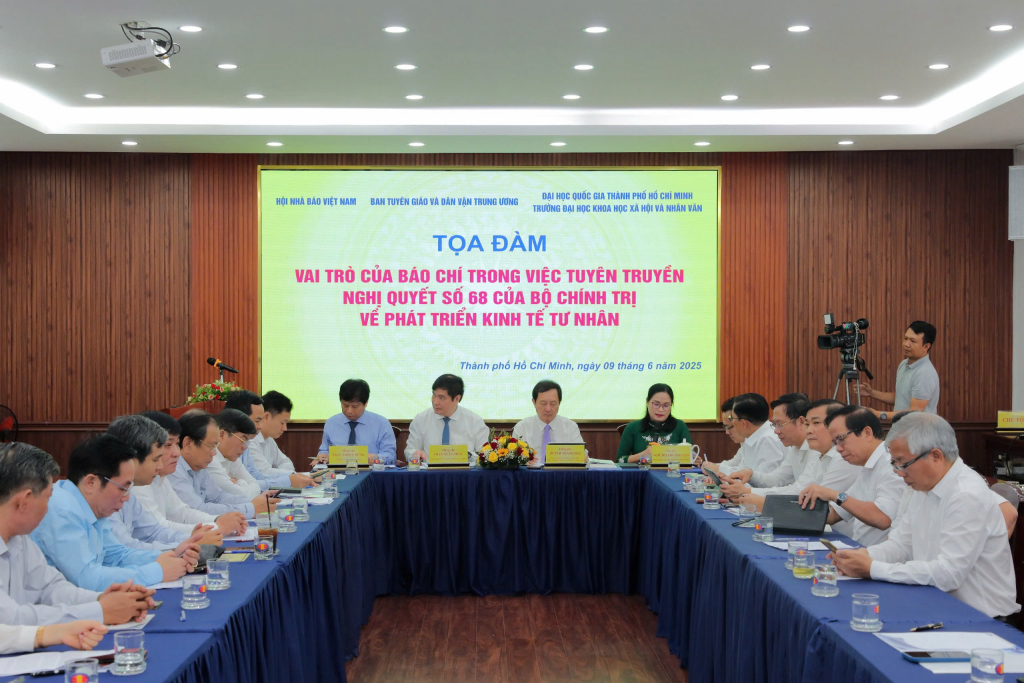
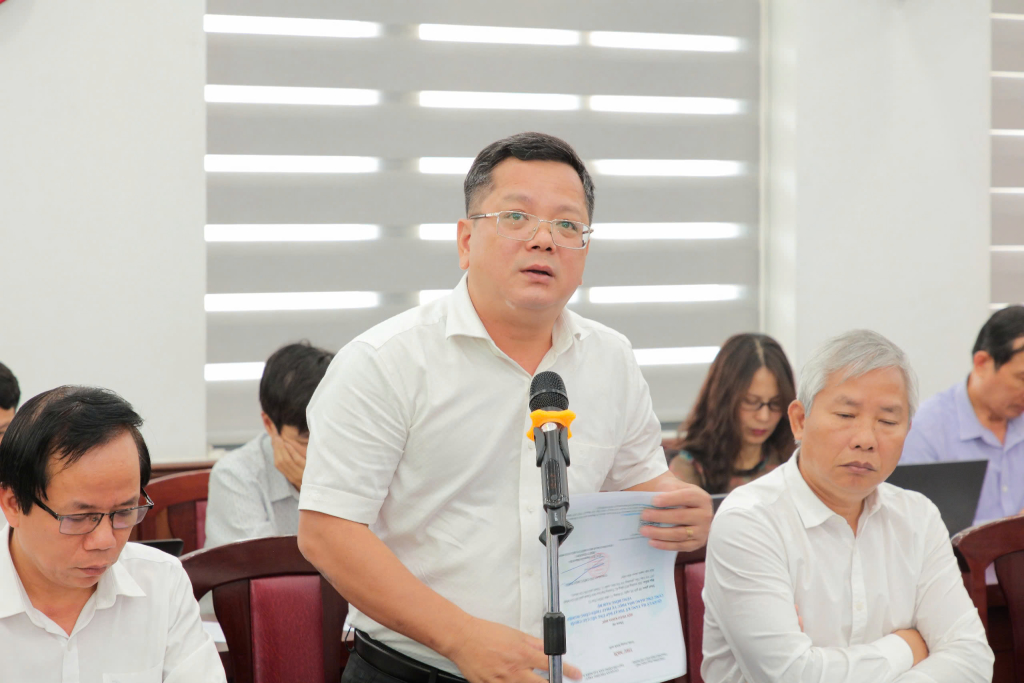
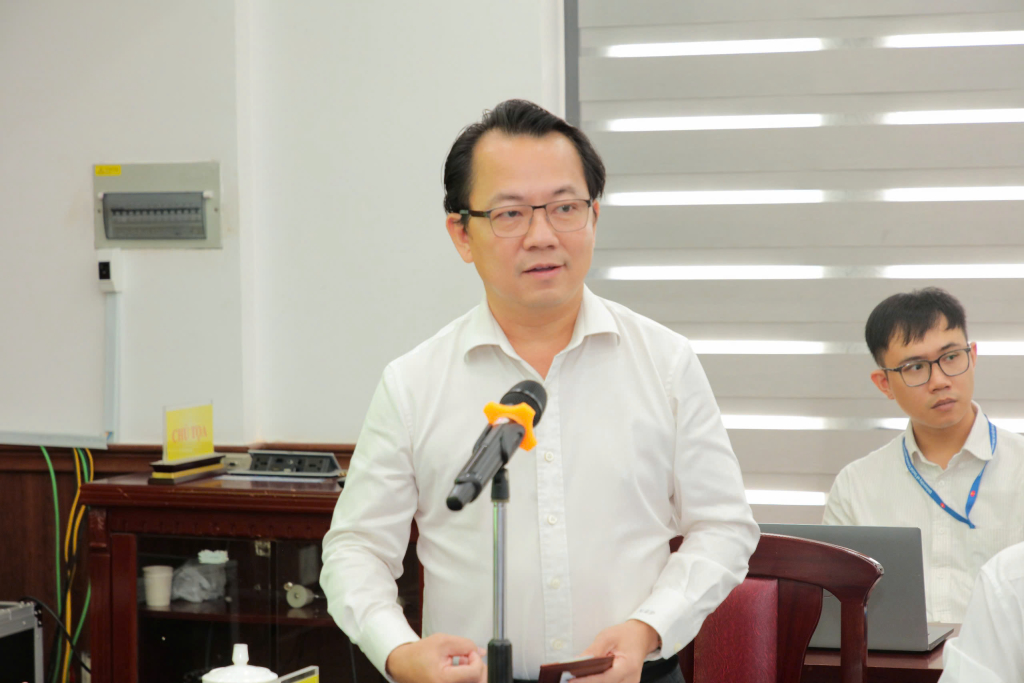
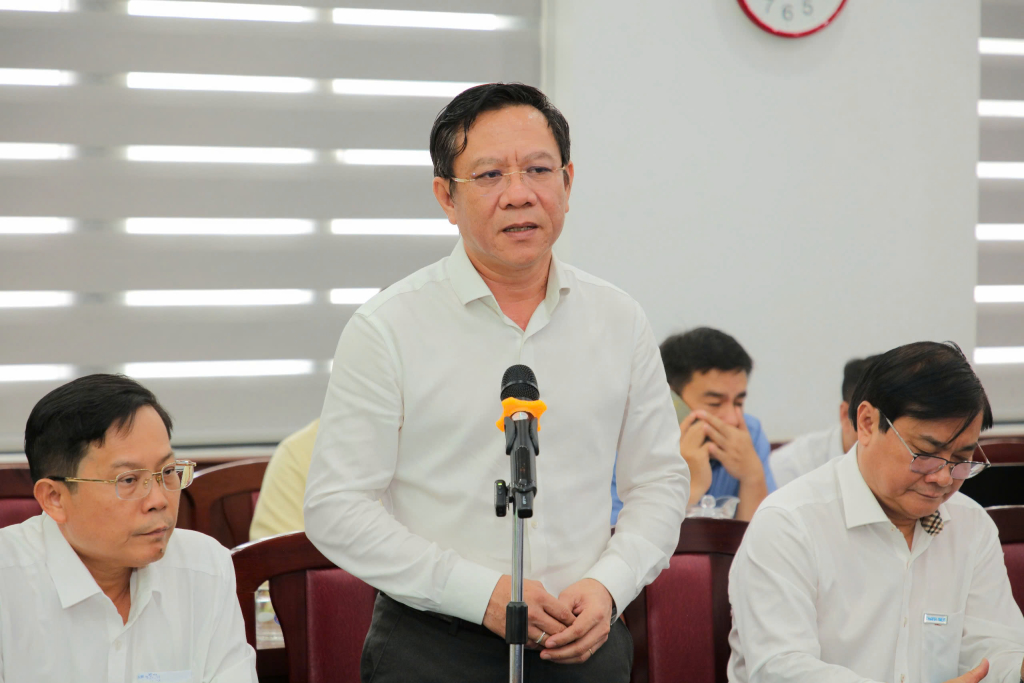
The panel chaired the discussion session at the seminar. - Photo: LY NGUYEN
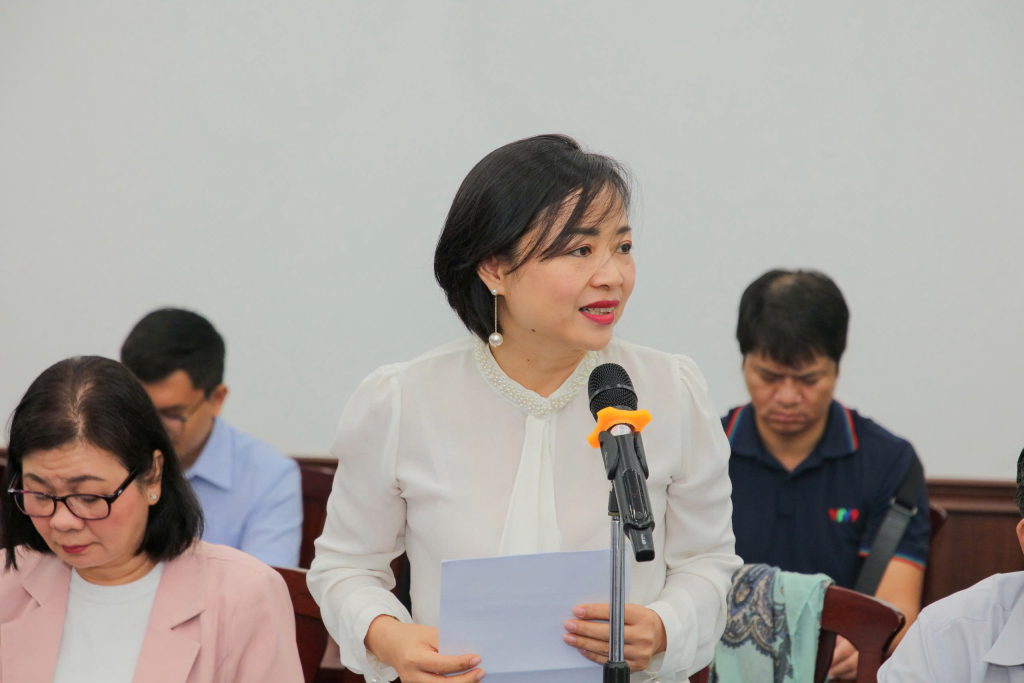
Also at the seminar, Dr. Trieu Thanh Le, Dean of the Faculty of Journalism and Communication, shared survey findings indicating that a majority of journalism and communication students intend to work in the private sector or pursue innovative start-up ventures. This is a noteworthy shift, reflecting not only changes in the labor market but also signaling a new dimension of responsibility for journalism education in the current context.
In response, the Faculty has revised its curriculum to integrate knowledge areas such as policy communication, media project management, and social critical thinking. Students are encouraged to engage in policy forums and to practice communication models that align with the demands of socio-economic development.
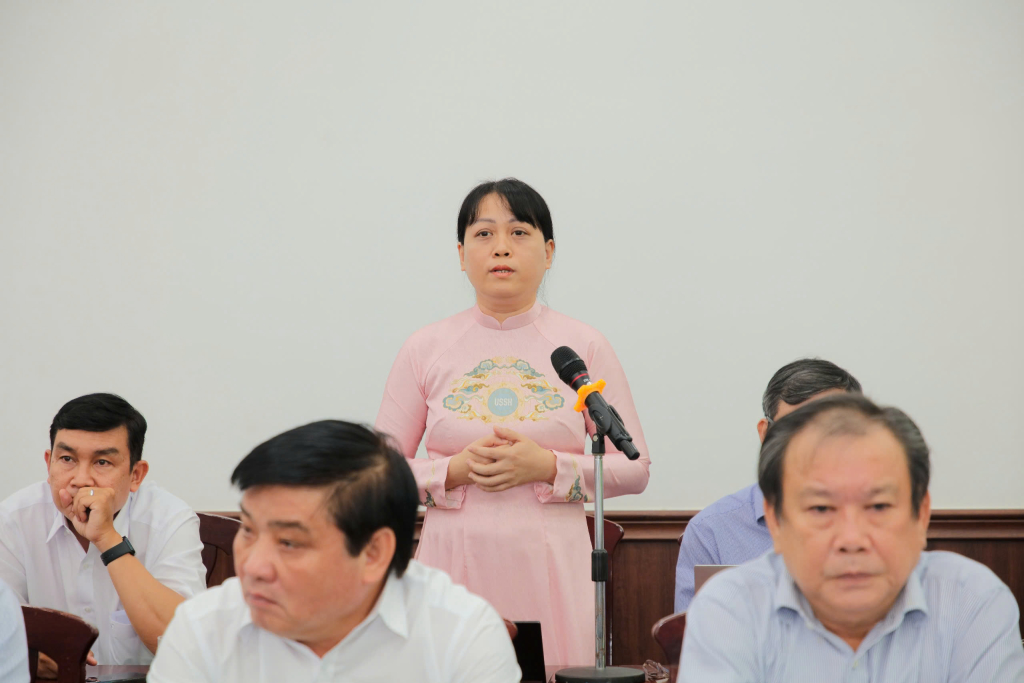
Dr. Trieu Thanh Le, Dean of the Faculty of Journalism and Communication shared her opinion at the seminar - Photo: THU THAO
The press is a companion, an observer, and a driving force for reform.
In his closing remarks, Mr. Huynh Thanh Dat, Member of the Party Central Committee and Deputy Head of the Central Commission for Propaganda and Education, asserted that the seminar marked an important step in effectively and deeply implementing Resolution 68. As the country enters a new phase of development, the press must continue to uphold its pivotal role in communication, oversight, and in helping to realize the strategic vision set forth by the Party: building a socialist-oriented market economy in which the private sector serves as one of the key driving forces of the national economy.
He emphasized that the discussions at the seminar demonstrate a strong consensus on the understanding that the press is not just a tool for communication, but must become an institution that guides development thinking and shapes the policy landscape. Instead of merely describing policies, the press must make them come alive in society through real stories, images, and people. Articles, reports, and television programs should not only convey accurate information but also inspire the public and businesses with a spirit of engagement, responsibility, and a desire for development.
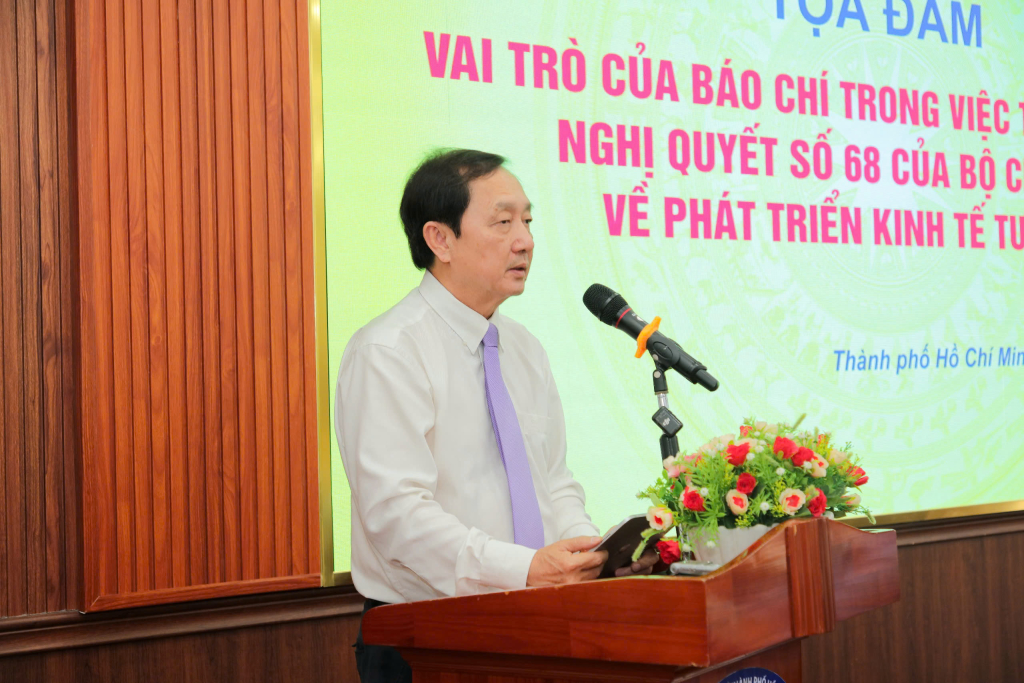
Mr. Huynh Thanh Dat, Member of the Party Central Committee and Deputy Head of the Central Commission for Propaganda and Education affirmed that this is not merely a professional event, but an important step in effectively and substantively bringing Resolution 68-NQ/TW into real life. - Ảnh: THU THẢO
In the process of implementing Resolution 68-NQ/TW, Mr. Huynh Thanh Dat emphasized a higher expectation for the press: it must not only accompany but also provide constructive criticism; not only encourage but also exercise oversight. The development of the private sector must be viewed within a broader context—where the press serves as a bridge between policy and everyday life, between the State and the people, and between theoretical thinking and practical implementation. From this perspective, he noted that government authorities at all levels—especially at the local level—should proactively engage with the press. When there are good models or effective practices, the press should be invited to help amplify and replicate them. Conversely, when the press points out bottlenecks or shortcomings in practice, the government should respond with openness and view such feedback as an opportunity to improve governance and policy implementation.
He also praised the USSH, VNUHCM for organizing a seminar that brought together journalists, academics, policymakers, and students. He hoped the discussions would be compiled into strategic reference materials, contributing to the formulation of a national communication program focused on private-sector development.
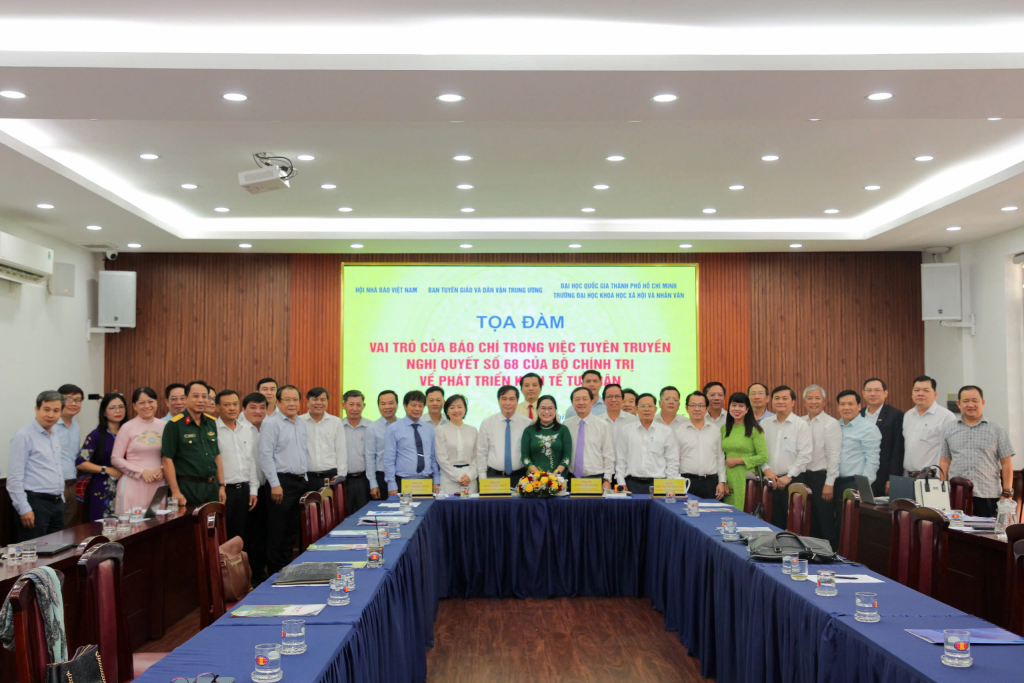
The delegates took a commemorative photo at the seminar - Photo: TUAN VU
The seminar titled “The Role of the Press in Communicating the Politburo’s Resolution No. 68” not only helped clarify the orientation for private sector development in the new period but also reaffirmed the press's role as a companion, a critical voice, and a contributor to policymaking. When the press is able to transform ideology into action, connect policies with real-life practices, highlight successful models, and identify institutional bottlenecks, it becomes a genuine driving force for development. Held in the spirit of the nation's upcoming celebration of the 100th anniversary of the Vietnamese Revolutionary Press (June 21, 1925 – June 21, 2025), the event carries special significance. It serves as a meaningful milestone to reflect on the proud legacy of Vietnamese journalism and to help define new professional standards for journalists in a time of transformation—when the pen is no longer merely a tool for reporting, but a means of guiding society closer to the aspiration of national prosperity.
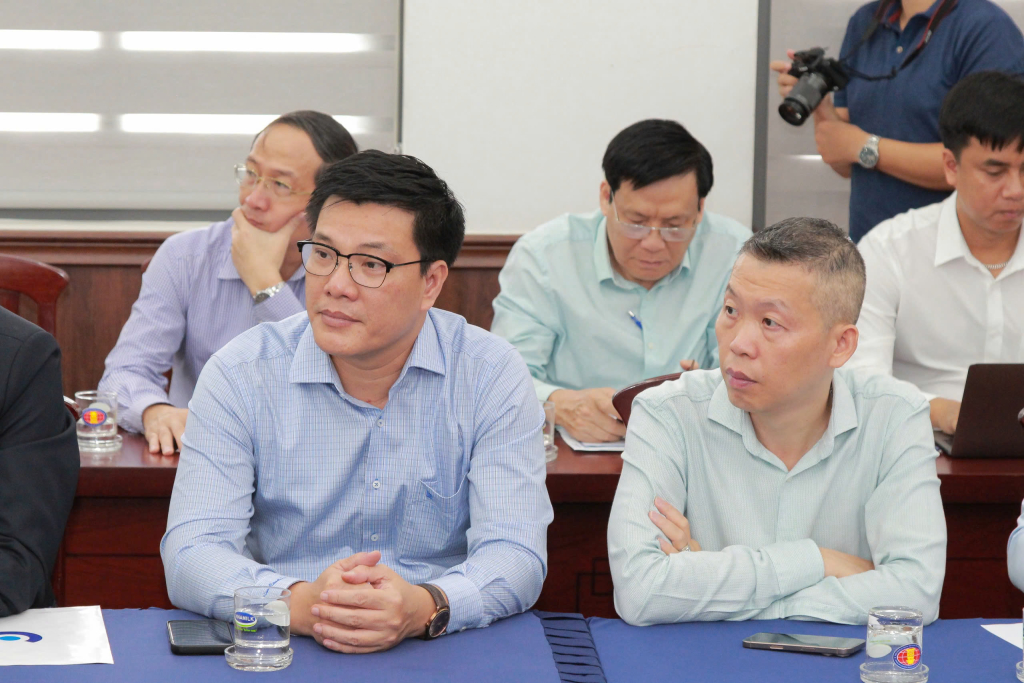
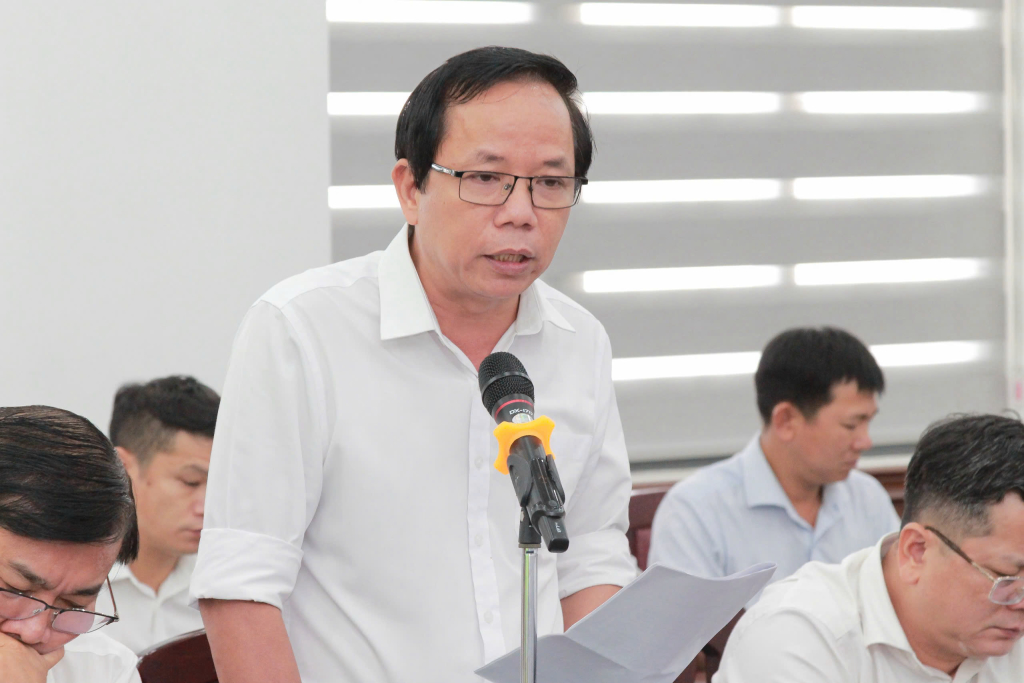
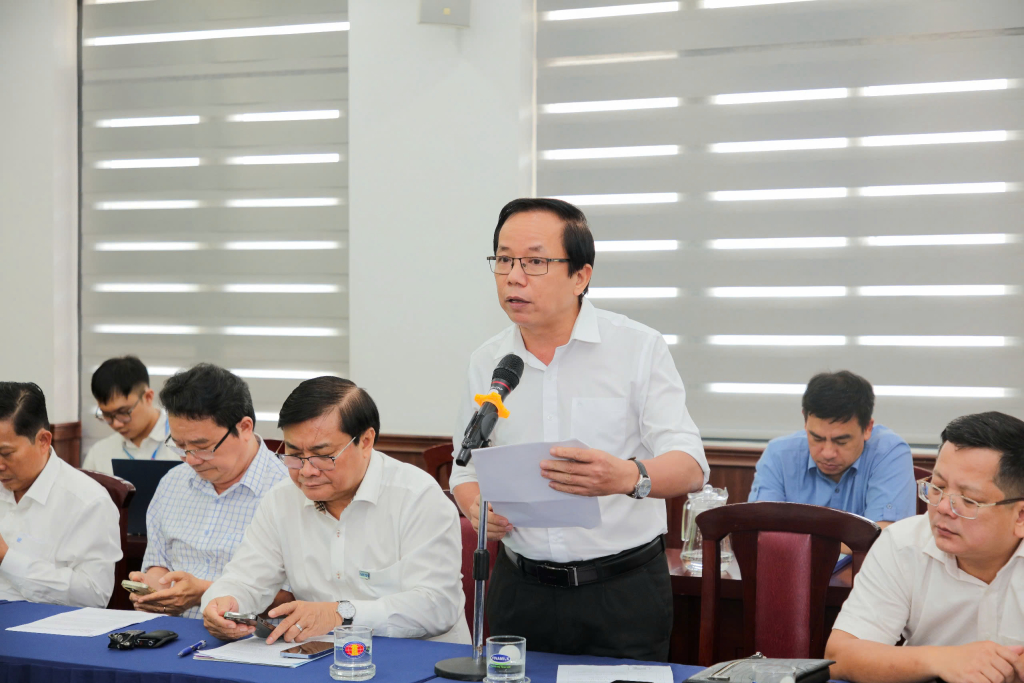
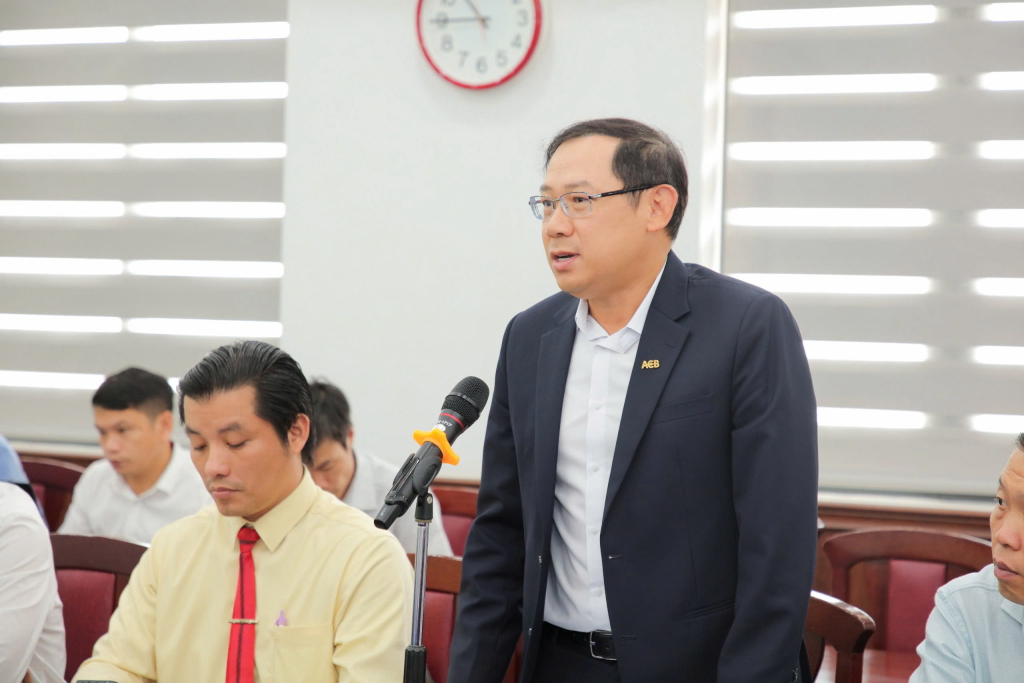
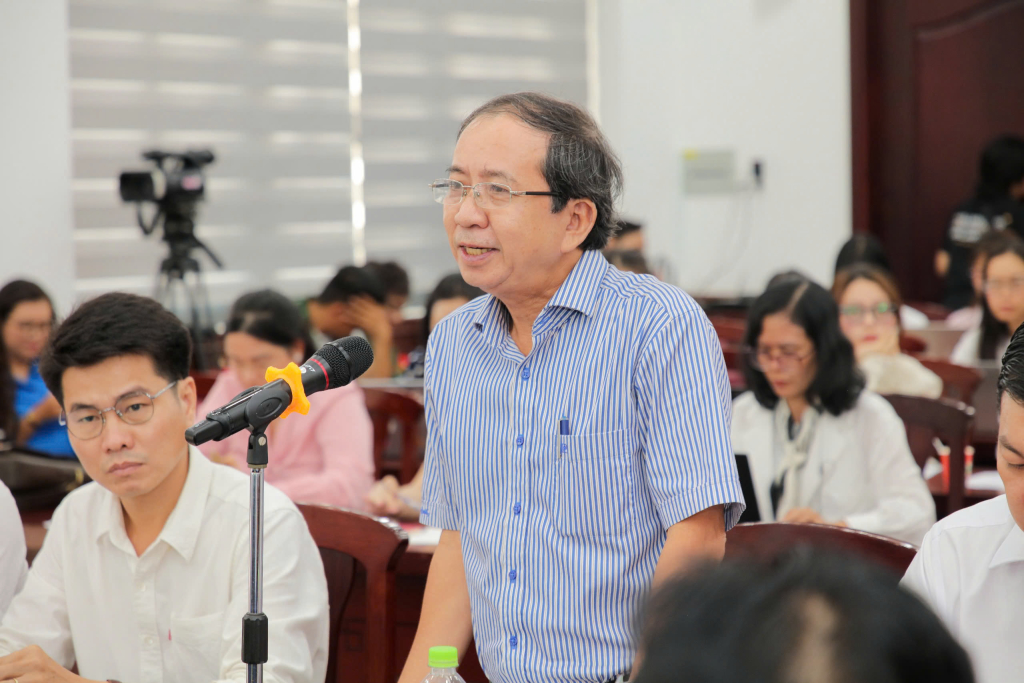
Photos from the Seminar:

| Resolution No. 68-NQ/TW of the Politburo, issued on May 4, 2025, marks a significant milestone in shaping the direction of private sector development in Vietnam. Regarded as an institutional 'breakthrough,' the Resolution signals a bold shift in strategic thinking. For the first time, the private sector is formally recognized as one of the most important driving forces of the national economy—reflecting a clear transition from mere 'acknowledgment' to a commitment to 'protect, encourage, and create favorable conditions for its development.' The Resolution clearly outlines the need to develop the private sector in a sustainable, efficient, and highly competitive manner, in tandem with institutional reform, improved investment and business environments, innovation promotion, and the enhancement of the economy's internal capacities. At the same time, it places strong emphasis on the role of the entrepreneurial community in advancing the country’s industrialization, modernization, and international integration. |
THU THẢO - LÝ NGUYÊN - TUẤN VỦ
Translation by KHÁNH LINH