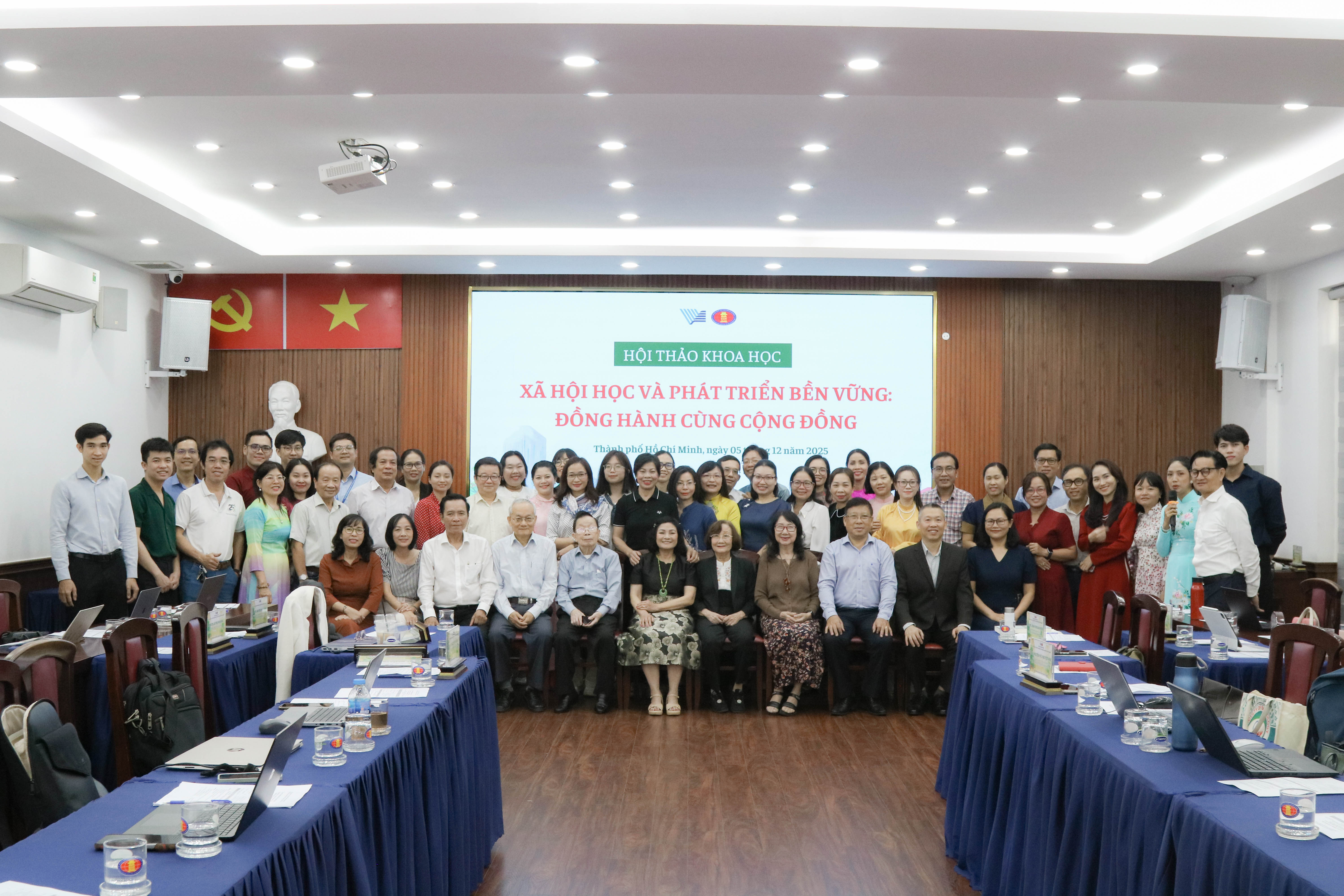
On December 5, the Faculty of Social Work, Anthropology and Sociology at USSH, VNU-HCM hosted the scientific conference "Sociology and Sustainable Development: Working with the Community", marking the 30th anniversary of the Sociology discipline.
The conference brought together leaders from major research institutes, universities, and state management agencies, alongside lecturers, doctoral candidates, graduate students, and undergraduates.
In his opening remarks, Dean Dr. Trần Anh Tiến - Dean of Faculty of Social Work, Anthropology and Sociology highlighted the pioneering role of sociology over the past three decades. "As the country accelerates modernization alongside sustainable development imperatives, sociology becomes ever more essential - not only for objectively and multidimensionally analyzing social issues, but also for proposing community-oriented policy solutions," he noted.
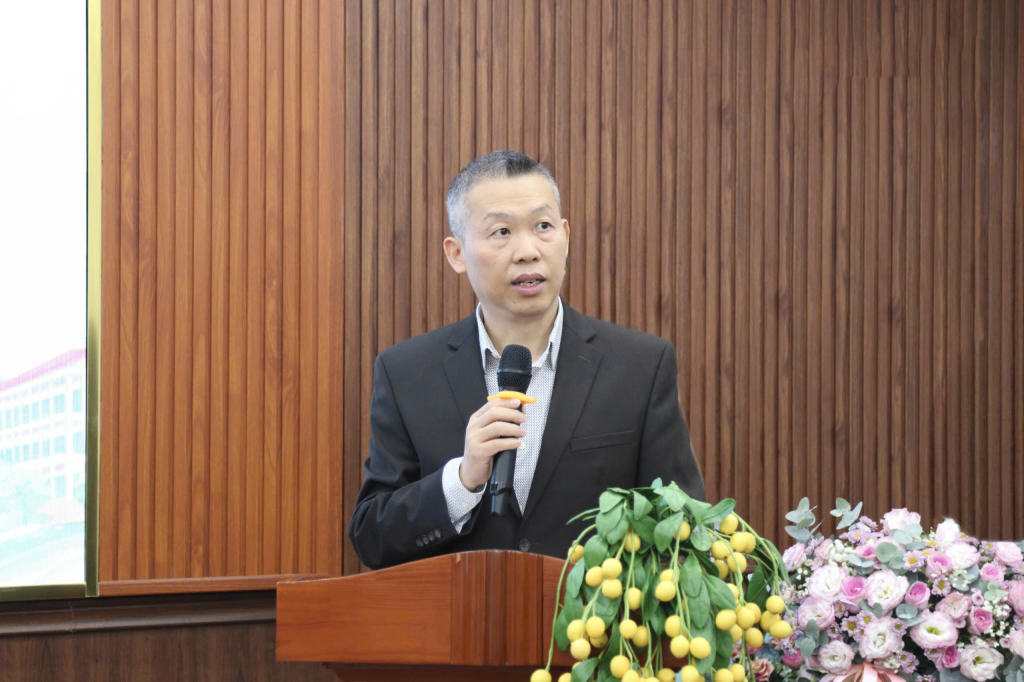
Dr. Trần Anh Tiến emphasized the role of the conference as a forum for scholars to share theoretical and applied research identifying current trends and key themes in sociology - Photo by: MỸ NGÂN
In her keynote address, Vice Dean Dr. Nguyễn Nữ Nguyệt Anh stated: "Sociology is not merely a science of society - it is a knowledge base that guides policy, promotes community participation, and develops sustainable models at both local and national levels." She stressed that sustainable development is first and foremost a social issue, not just an economic or environmental one.
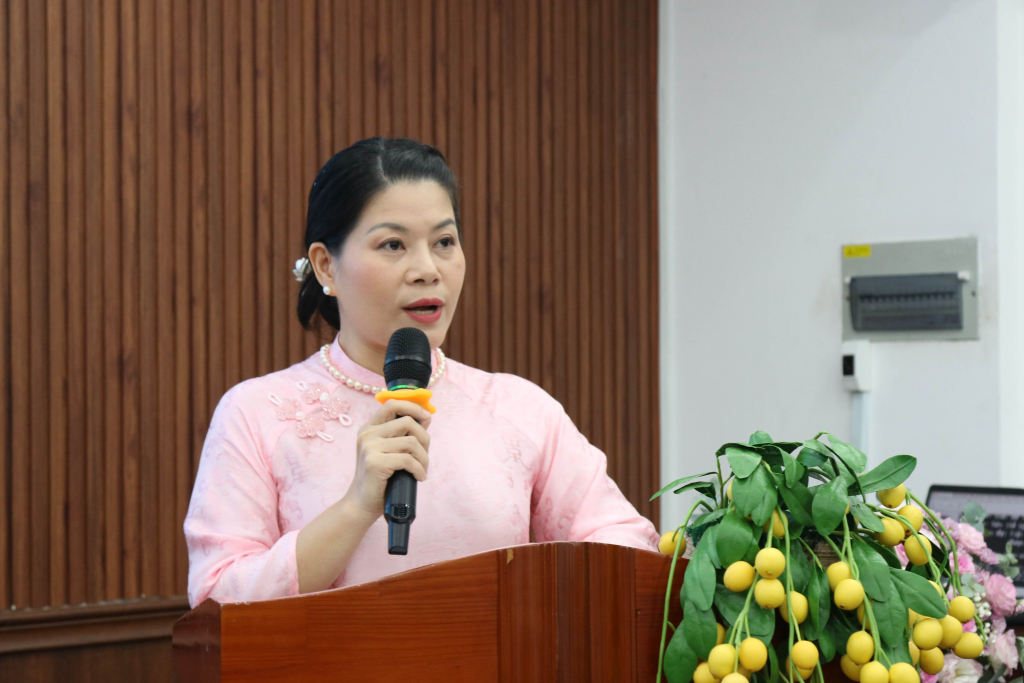
Dr. Nguyễn Nữ Nguyệt Anh emphasized the critical contribution of sociology to sustainable development - Photo by: MỸ NGÂN
The conference featured three main sessions, each with two to three presentations. Papers reviewed the development of Vietnamese sociology, explored contemporary social issues ranging from sustainable development, urbanization, migration, human resources, and community integration to elderly welfare, and examined deep transformations in marriage and family life.
Session 1, "Overview of Sociology and Sustainable Development," reviewed the evolution of sociology in Vietnam over the decades. Papers called for a comprehensive inventory and assessment of achievements to date, noting that current research trends focus on social welfare, social inclusion, and vulnerable groups, while environment and climate change remain less explored topics but are growing consistently. The session also assessed human resource quality monitoring in culture, sport, healthcare, and education in HCMC, and put forward recommendations to improve oversight mechanisms.
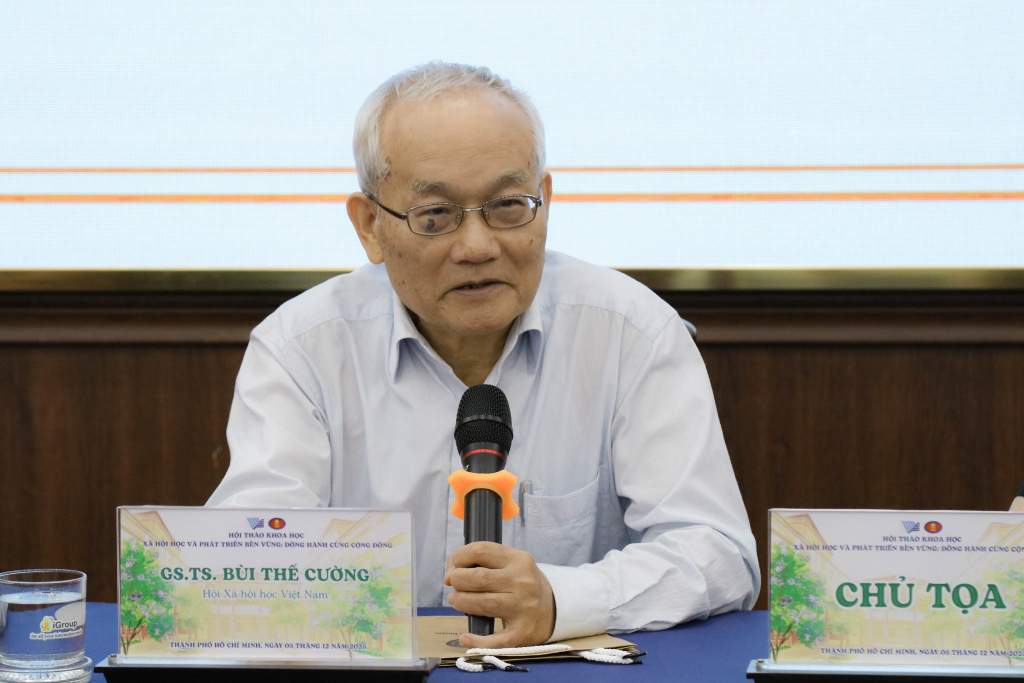
Prof. Dr. Bùi Thế Cường, Head of the Southern Vietnam Sociological Association (VSA), argued that sociology is not the preserve of senior scholars but the responsibility of every researcher - Photo by: TUYẾT TRINH
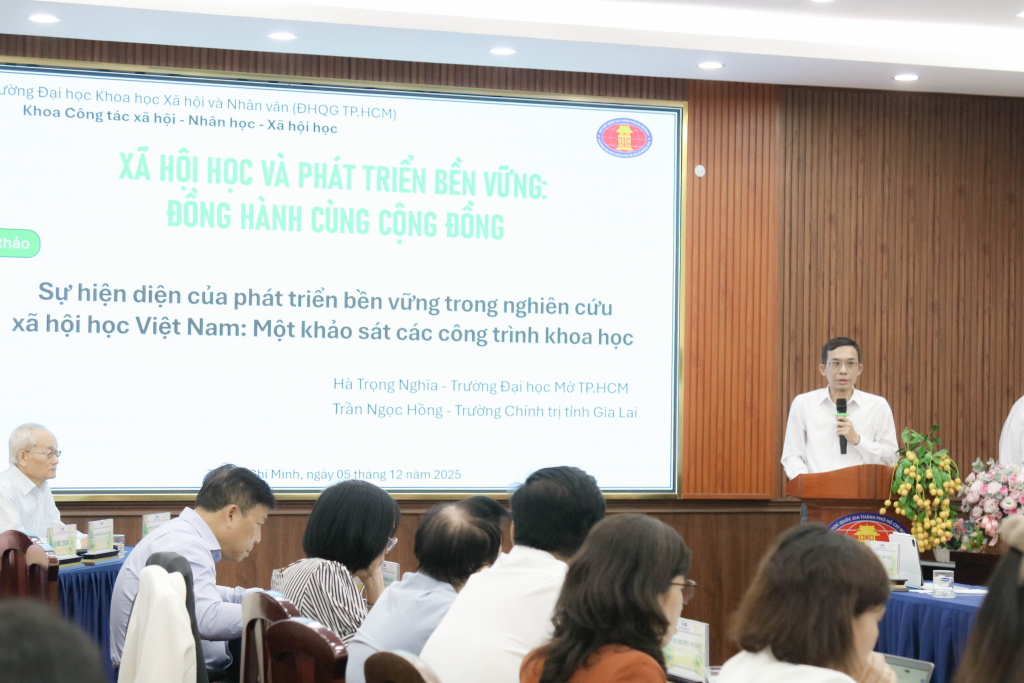
Dr. Hà Trọng Nghĩa, lecturer at HCMC Open University, presented findings from a survey of research papers on sustainable development - Photo by: MỸ NGÂN
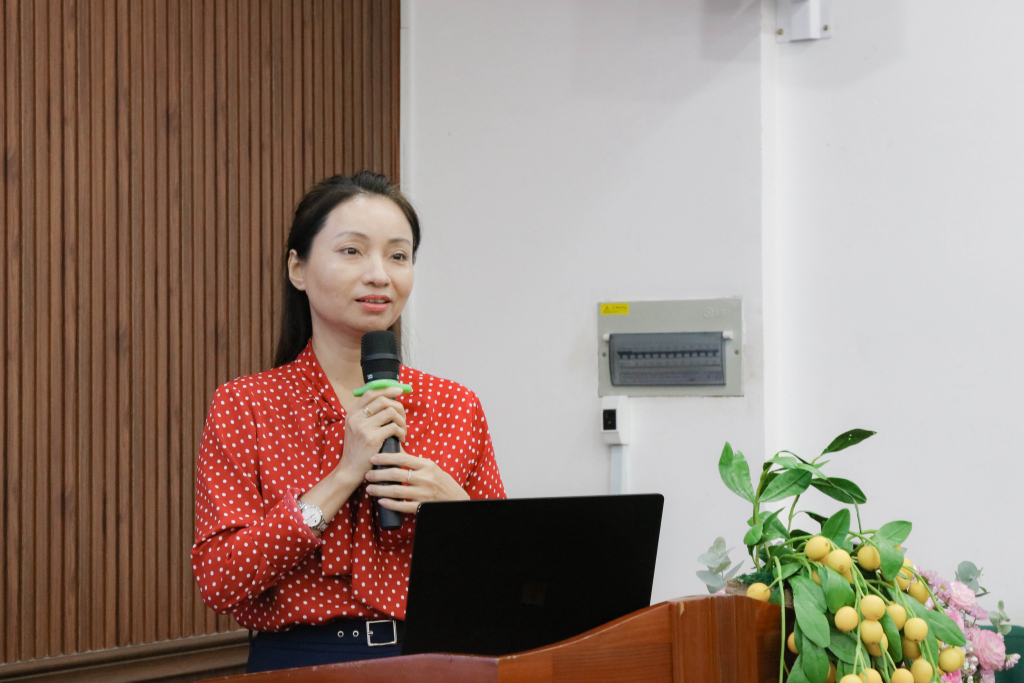
Ms. Nguyễn Thi Thanh, Deputy Head of the HCMC People's Council Affairs Office, proposed four solutions aimed at strengthening institutional effectiveness, building capacity, reforming public investment oversight, and improving socialization monitoring mechanisms - Photo by: MỸ NGÂN
Session 2, "Fields of Sociological Research," covered two main content groups. The first focused on migration, examining integration challenges faced by overseas Vietnamese communities due to linguistic, cultural, and policy barriers, and exploring research directions on the impact of migration contexts and remittances. The second addressed elderly social welfare, analyzing online comments about nursing homes to map shifts in public attitudes toward filial piety.
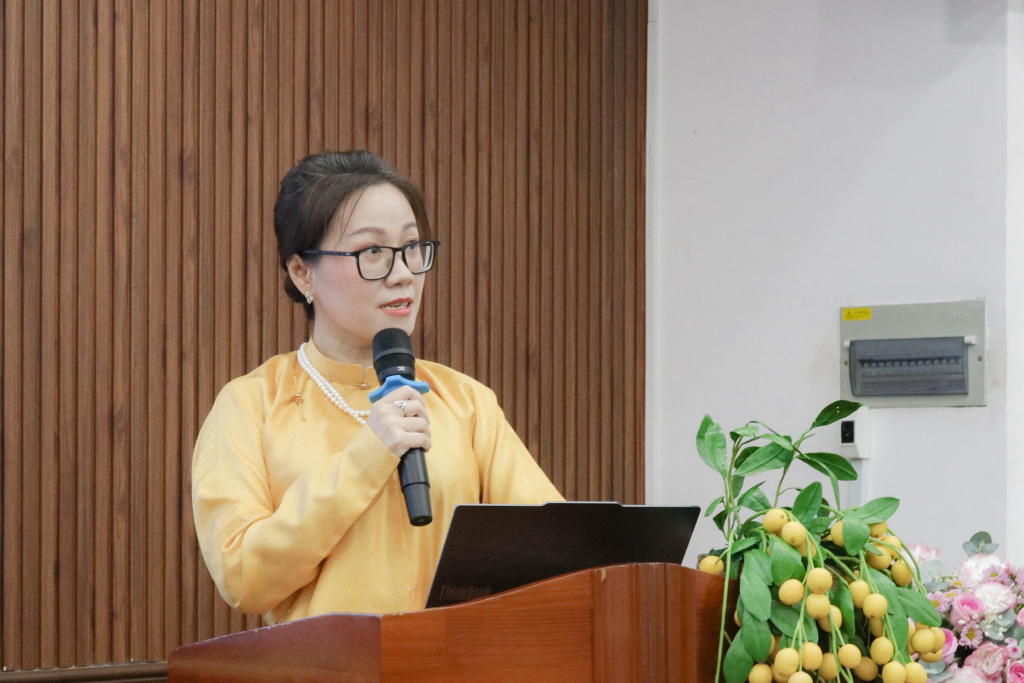
Dr. Nguyễn Xuân Anh, Faculty of Social Work, Anthropology and Sociology, presented the paper "The Impact of Young Labour Migration on the Lives of Elderly Left Behind: A Review" - Photo by: MỸ NGÂN
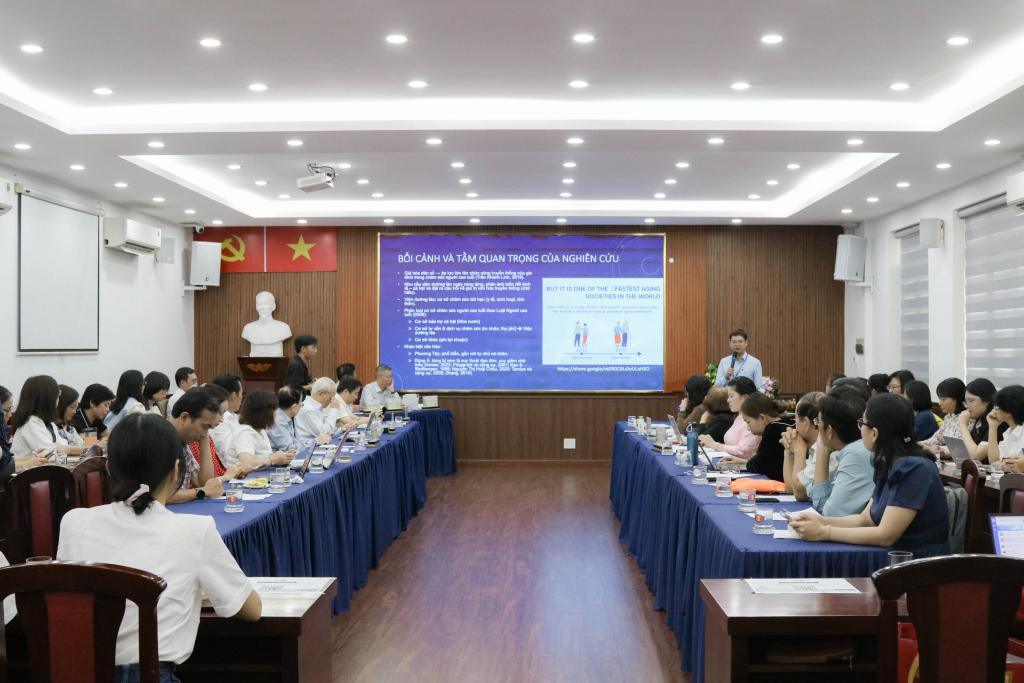
Dr. Cao Thanh Tâm, Faculty of Social Work, Anthropology and Sociology, identified three distinct public perspectives on nursing homes through analysis of online comments - Photo by: MỸ NGÂN
The final session examined marriage and family in the Southeast region through a sociological lens. Research highlighted the interplay between cultural preservation and social adaptation amid industrialization and urbanization, and identified the root causes of conflict and tension in peri-urban families.
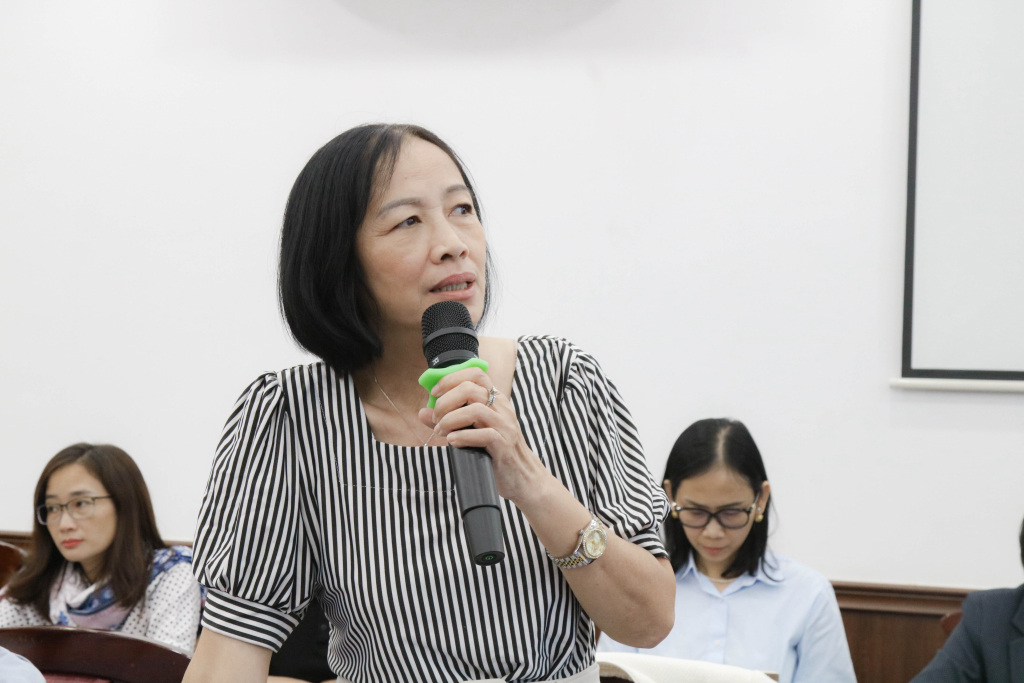
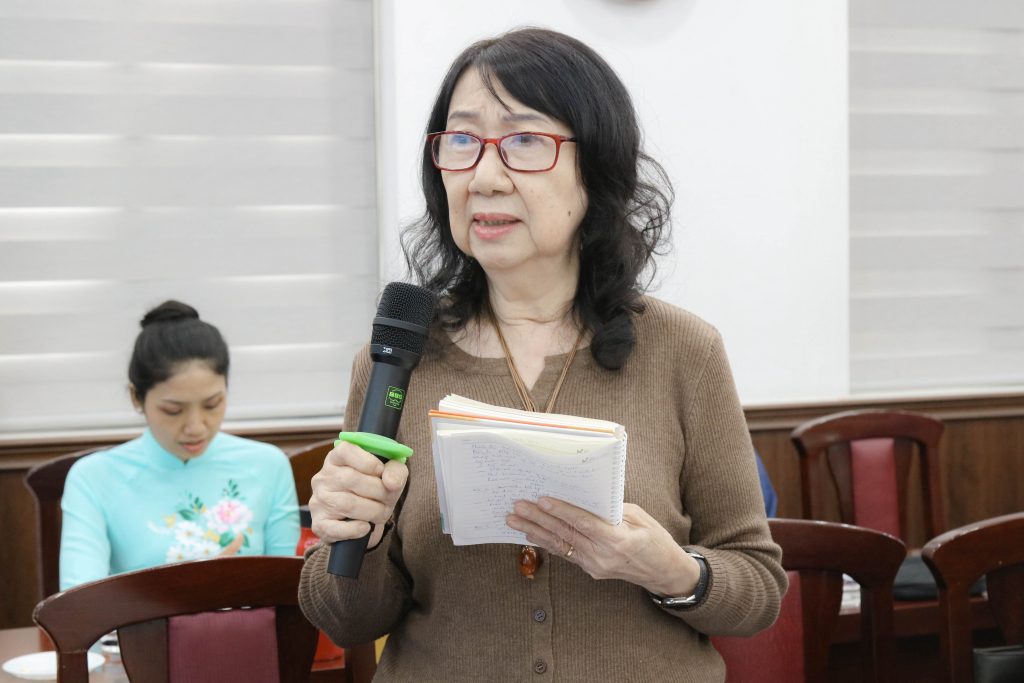
Guests share views during the conference discussion session - Photo by: TUYẾT TRINH
The conference generated rich insights on sociology's role in sustainable development, inequality structures, social capital, and social resilience. It also served as a valuable academic forum, opening new research directions and reaffirming USSH's role in advancing scholarly activity and contributing meaningfully to the nation's mission of sustainable and equitable development.
Source: MỸ NGÂN - TUYẾT TRINH - NGHI CHÂU
Translated by: Như Quỳnh Lý