MỤC LỤC:
On January 30, the University of Social Sciences and Humanities, Viet Nam National University Ho Chi Minh City (USSH, VNU-HCM) opened the international symposium “Empowering the Margins during Conflicts and Environmental Crises,” held under the Cultivating the Humanities and Social Sciences and Supporting Underrepresented Scholars of South and Southeast Asia (CHSS) Initiative. The symposium was co-organized by USSH, VNU-HCM and the Association for Asian Studies (AAS), with funding from the Swedish International Development Cooperation Agency (SIDA).
The symposium brought together scholars, faculty members, and researchers from across South and Southeast Asia and other regions to discuss issues related to conflict, environmental change, social inequality, and the role of the social sciences and humanities in amplifying marginalized voices.
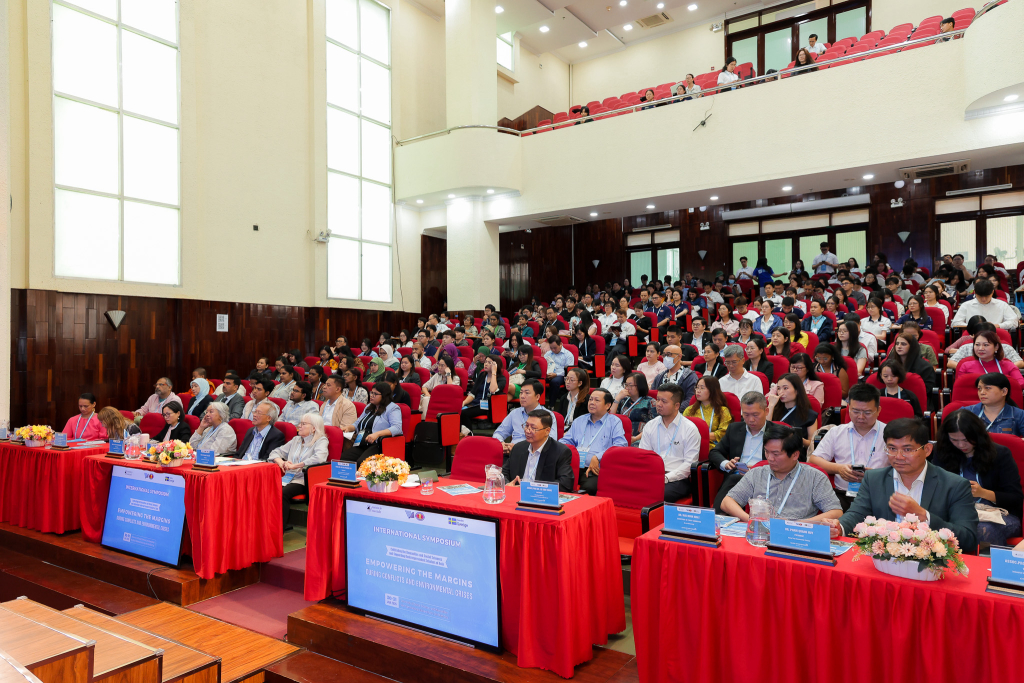
The “Empowering the Margins during Conflicts and Environmental Crises” international symposium - Photo by: LY NGUYEN
Social Sciences and Humanities amid Intersecting Global Challenges
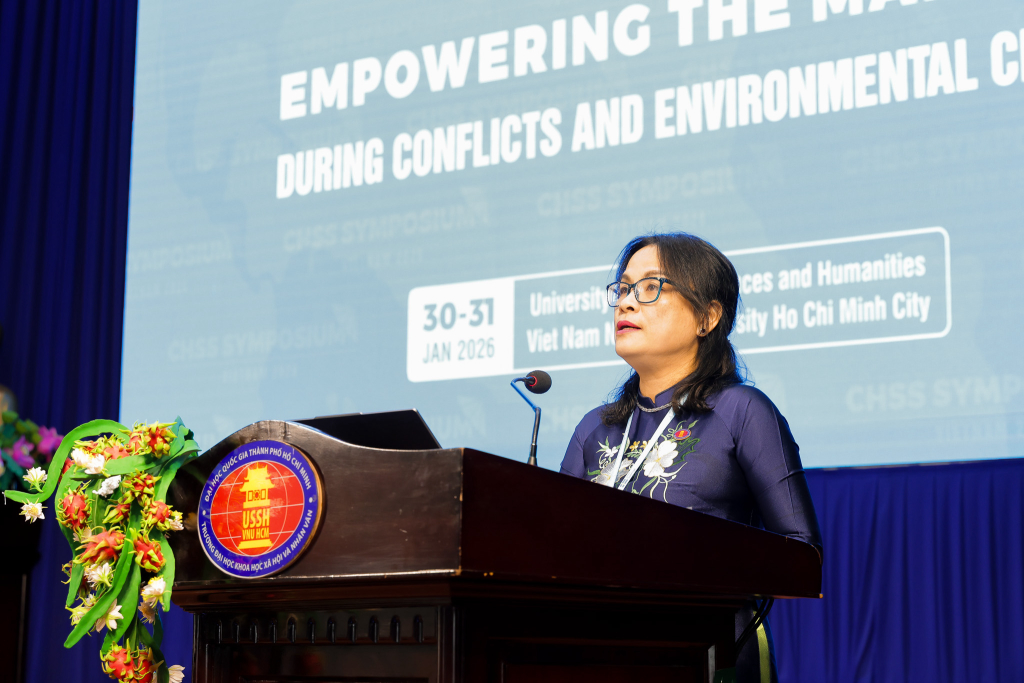
At the opening session, Professor Ngo Thi Phuong Lan, President of USSH, VNU-HCM, said the growing overlap of environmental crises, social conflict, forced migration, and psychological instability calls for deeper engagement from the social sciences and humanities. She noted that the fields must go beyond documenting reality to analyzing these challenges and helping shape support approaches suited to different communities and national contexts. She also stressed the importance of listening to and empowering marginalized groups, including women, ethnic minorities, migrants, and communities directly affected by conflict, natural disasters, and environmental pollution. This, she said, is not only an ethical or human rights concern but also an urgent research priority aligned with the Sustainable Development Goals’ principle: “Leave no one behind.”
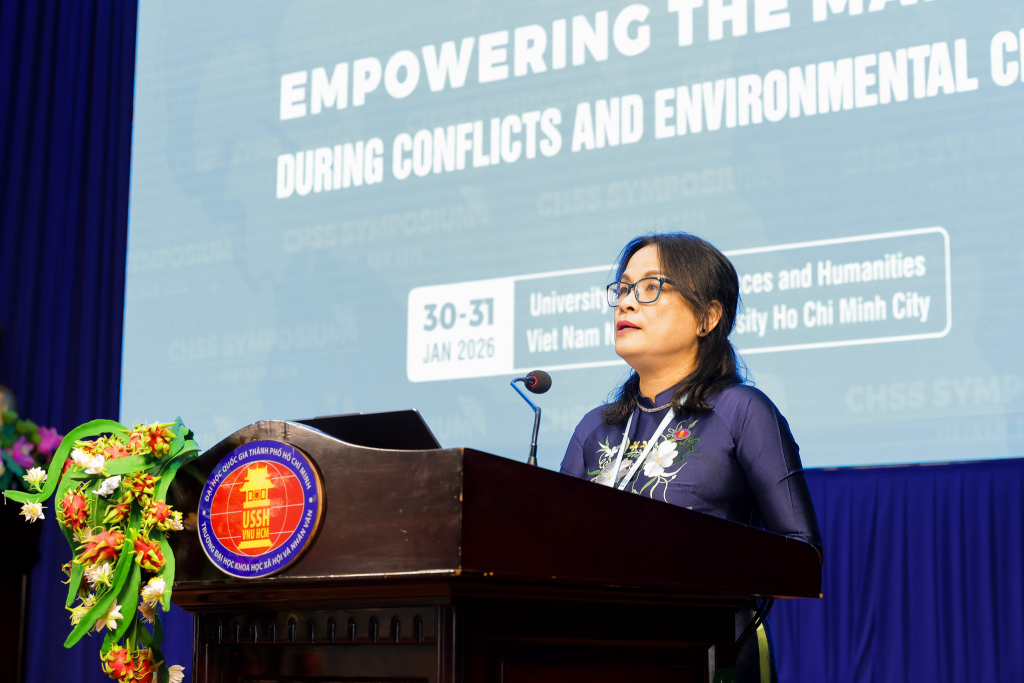
Professor Ngo Thi Phuong Lan, President of USSH, VNU-HCM, delivers her opening remarks at the symposium - Photo by: LY NGUYEN
Speaking at the symposium, Professor Nancy Peluso, President of AAS, noted that the CHSS Initiative has been underway since 2022 through a series of symposiums examining different forms of marginality across Southeast and South Asia. From Addressing Multiple Marginalities of Southeast Asia and Mainstreaming the Margins to Mobilities Beyond Borders, the initiative’s academic activities have expanded dialogue across multiple regions of Asia. She added that a defining focus of CHSS is supporting early-career scholars and underrepresented institutions, particularly those located outside major urban centers where distinct historical, ecological, and social conditions shape both vulnerability and resilience.
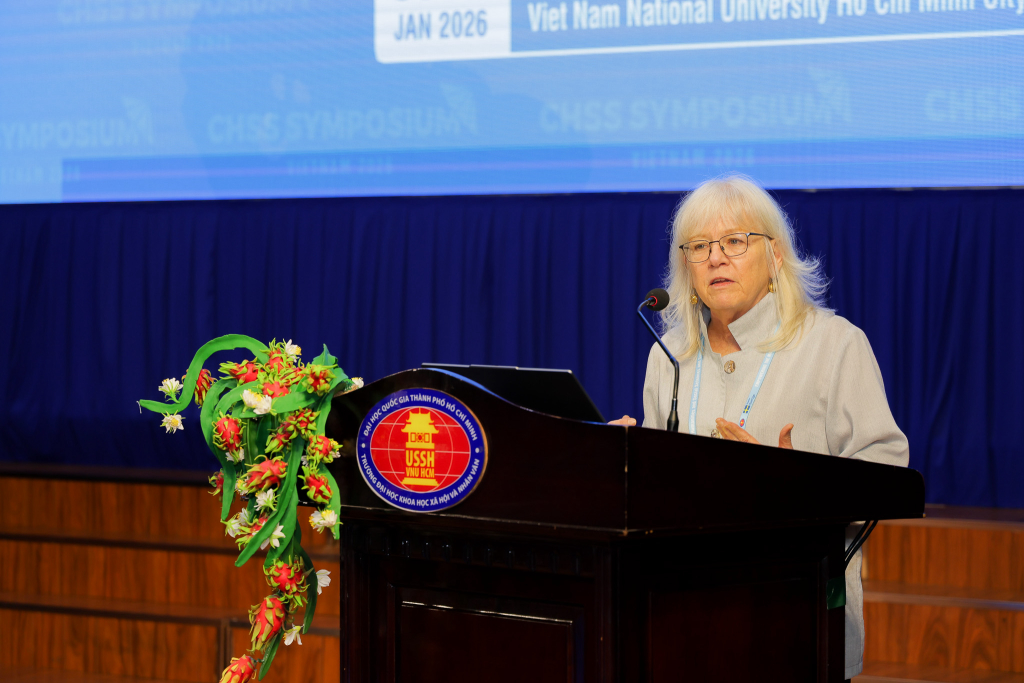
Professor Nancy Peluso, President of AAS, speaks at the symposium - Photo by: LY NGUYEN
Professor Luong Van Hy, Professor Emeritus at the University of Toronto (Canada) and Honorary and Visiting Professor at VNU-HCM, as well as former President of AAS, said he was pleased to attend the association’s first international academic symposium held in Vietnam. He commended USSH, VNU-HCM for hosting the event and noted that AAS, founded in 1941, now has about 7,000 members worldwide, nearly one-third of whom are scholars based in Asia. Since 2022, he added, the association has made deeper engagement with Asian scholars a strategic priority, launching initiatives such as the AAS in Asia conference series and the CHSS Initiative to strengthen research capacity and amplify the scholarly voices of researchers from historically underrepresented communities, enabling them to contribute more effectively to policy discussions affecting their societies.
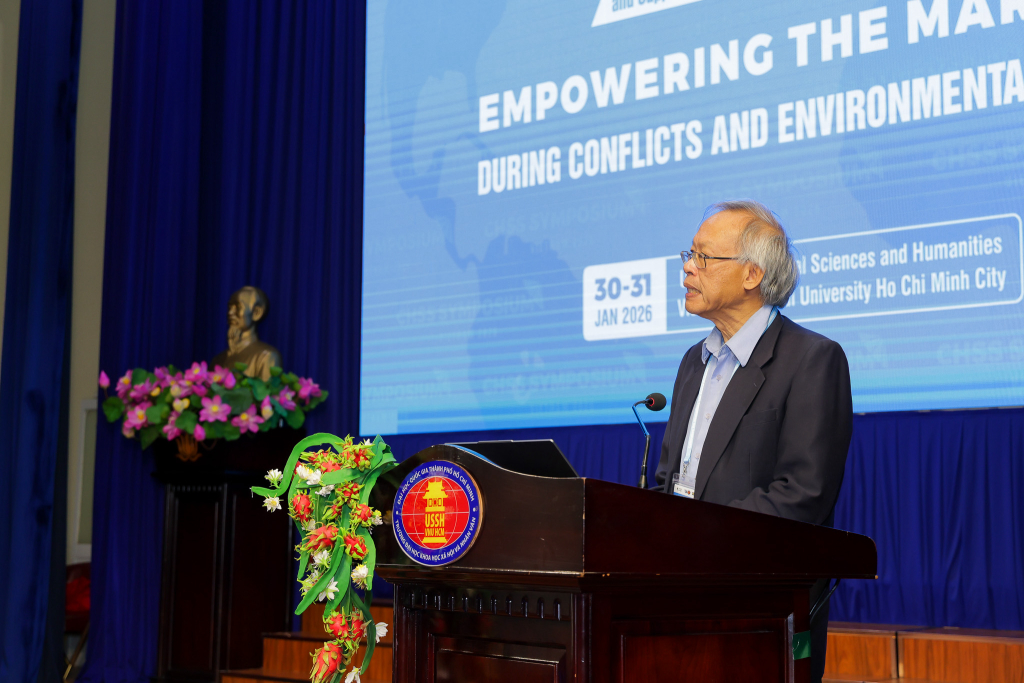
Professor Luong Van Hy commends USSH-VNUHCM for hosting the symposium - Photo by: LY NGUYEN
Day 1: Interdisciplinary Panel Discussions
Building on the themes introduced during the opening session, the symposium's first day featured four panel discussions examining marginality from a range of interdisciplinary perspectives.
The “Identity in the (Re)Making” panel explored how identities evolve in response to history, religion, urban change, and public policy. Presentations drawing on cases from India, Sri Lanka, and Vietnam examined how marginalized communities navigate and redefine identity in everyday life.
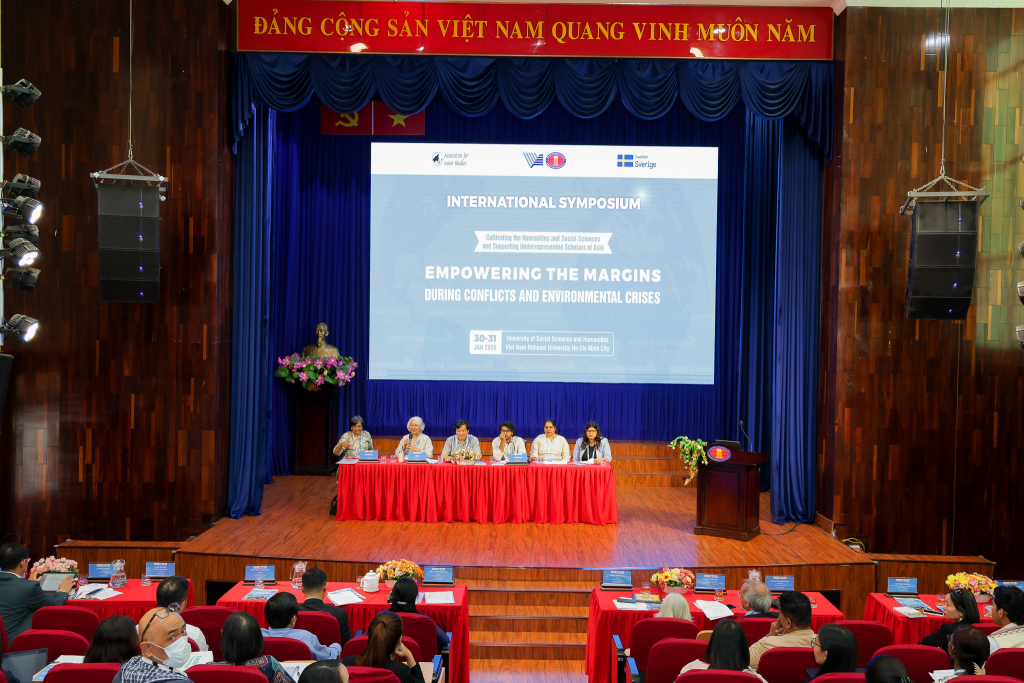
The “Identity in the (Re)Making” panel explores the reshaping of personal and community identities in contemporary society - Photo by: LY NGUYEN
The panel “Sociocultural Pluralism and Wellbeing” turned to questions of political instability, social trauma, community welfare, and indigenous knowledge. Drawing on research from Pakistan, Myanmar, and India, speakers addressed the social protection and mental health challenges faced by marginalized communities.
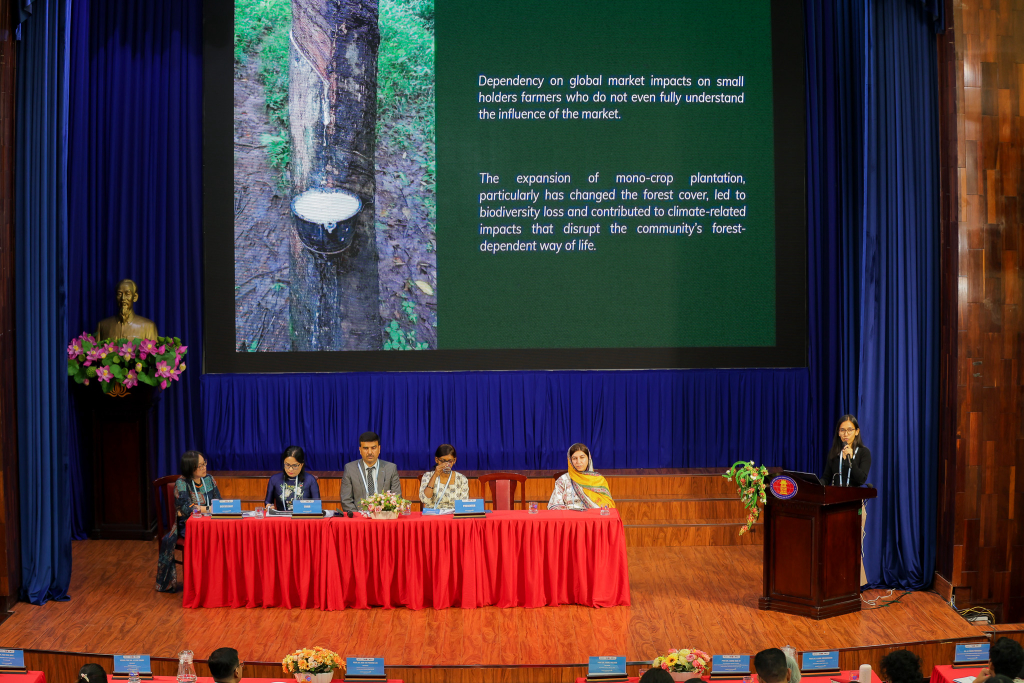
The “Sociocultural Pluralism and Wellbeing” panel focuses on social welfare, community trauma, and indigenous knowledge - Photo by: LY NGUYEN
The afternoon panel “Gendered Ecology” examined how climate change, migration, and development policies shape women’s livelihoods and social roles across different ecological and cultural contexts. Case studies from across the region showed that women are often both among the most affected by environmental change and key actors in adaptation and environmental stewardship.
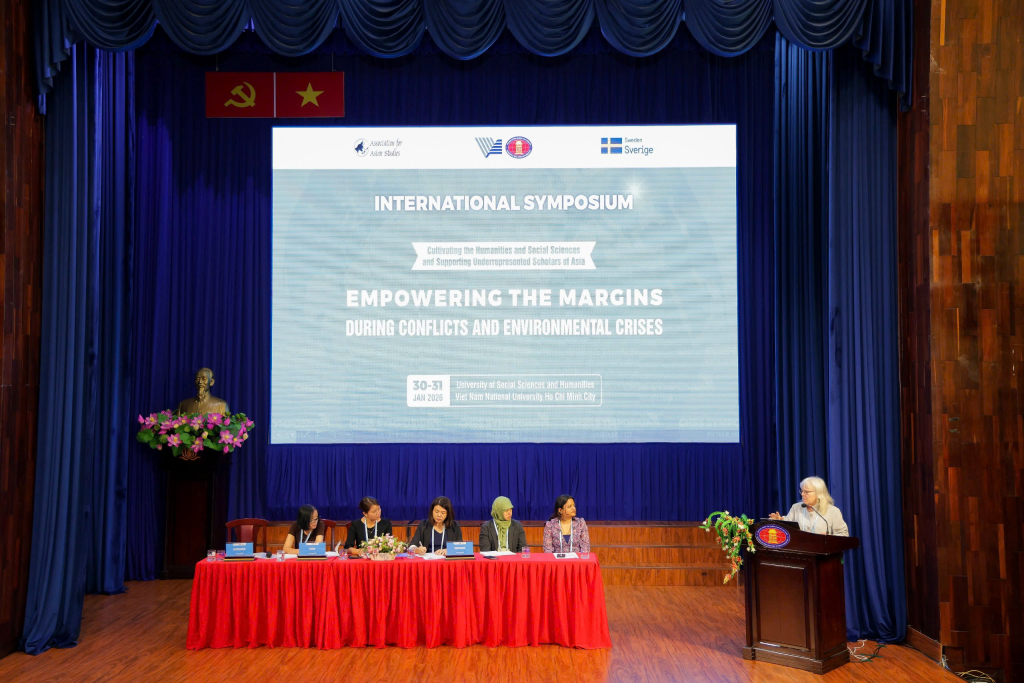
The “Gendered Ecology” panel examines how climate change and migration affect women’s lives and social roles - Photo by: LY NGUYEN
The “Feminist Agency in Development” panel concluded the day, focusing on women’s roles in development across areas such as community governance, education, and climate risk response. Presentations highlighted how women are not only affected by gender inequality but are also driving locally rooted initiatives that strengthen community resilience across the region.
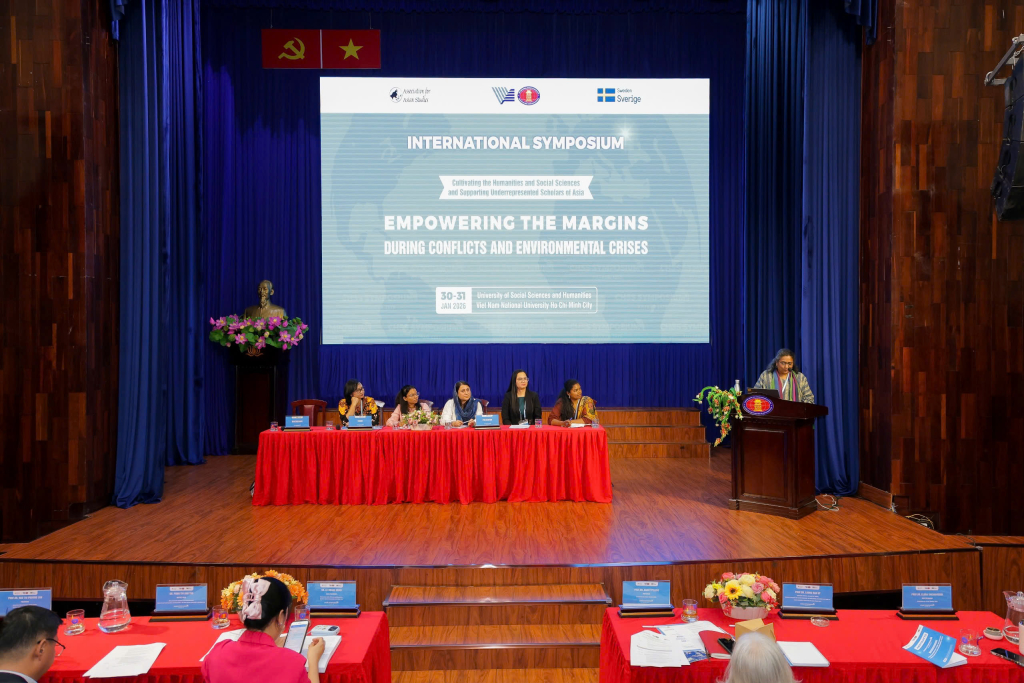
The “Feminist Agency in Development” panel highlights women’s roles and agency in development and climate risk response - Photo by: LY NGUYEN
Across the first day’s panels, discussions highlighted the many ways marginalization appears in contemporary societies. They also pointed to approaches grounded in community engagement, indigenous knowledge, and stronger links between research and policy to support more effective responses to conflict and environmental crises.
The symposium continues on January 31 with panels on environmental justice, community responses to climate change, and migration in conflict settings across South and Southeast Asia, further extending discussions that connect academic research with real-world policy challenges.
Highlights from the symposium:
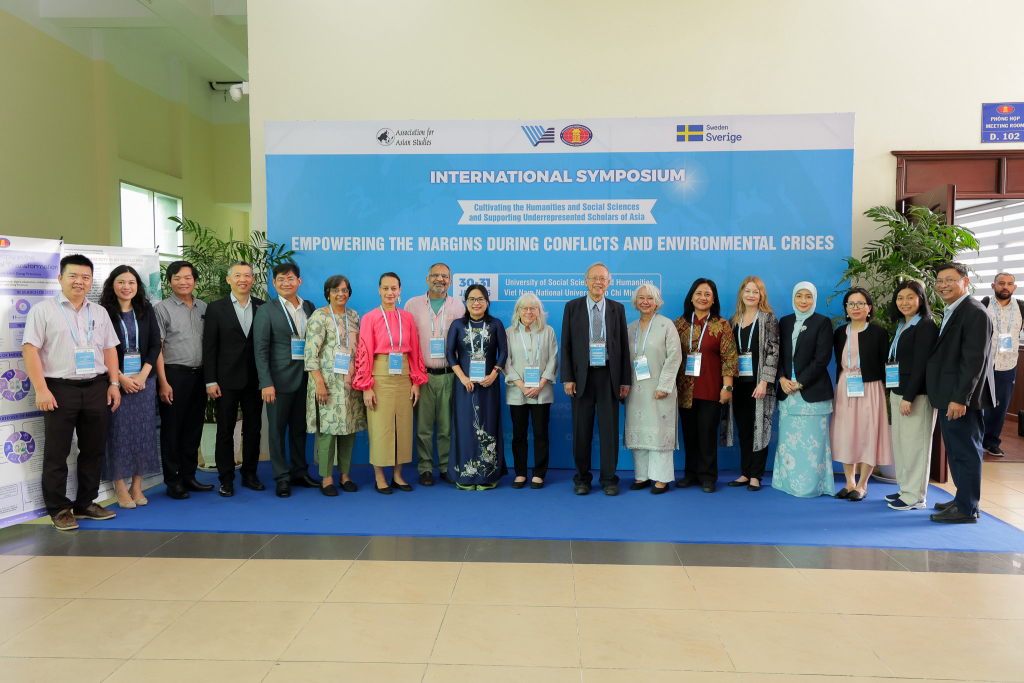
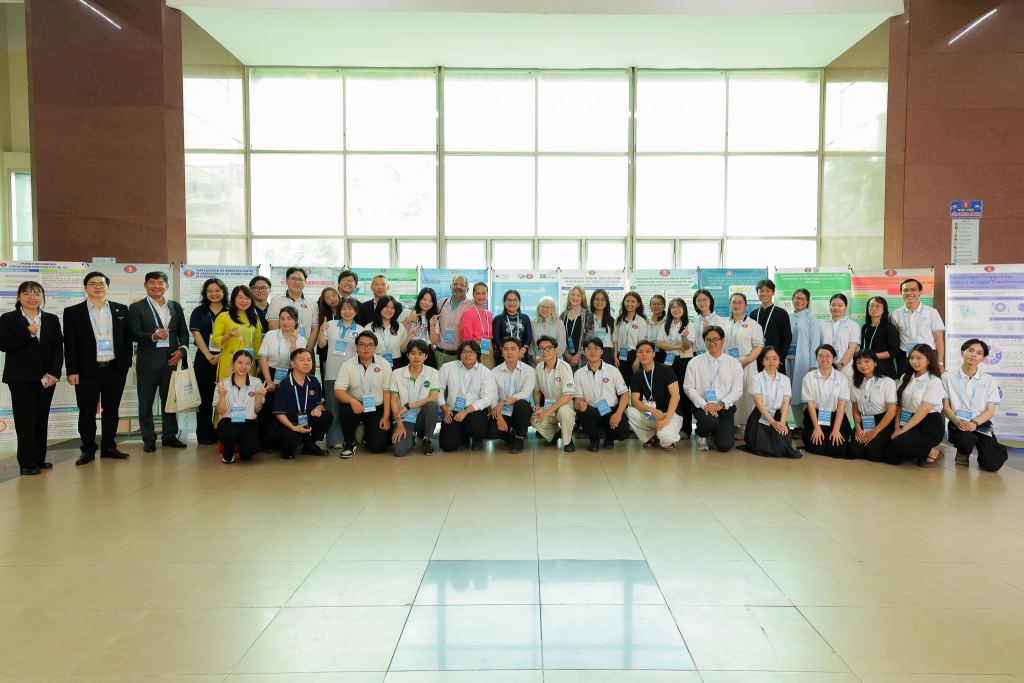
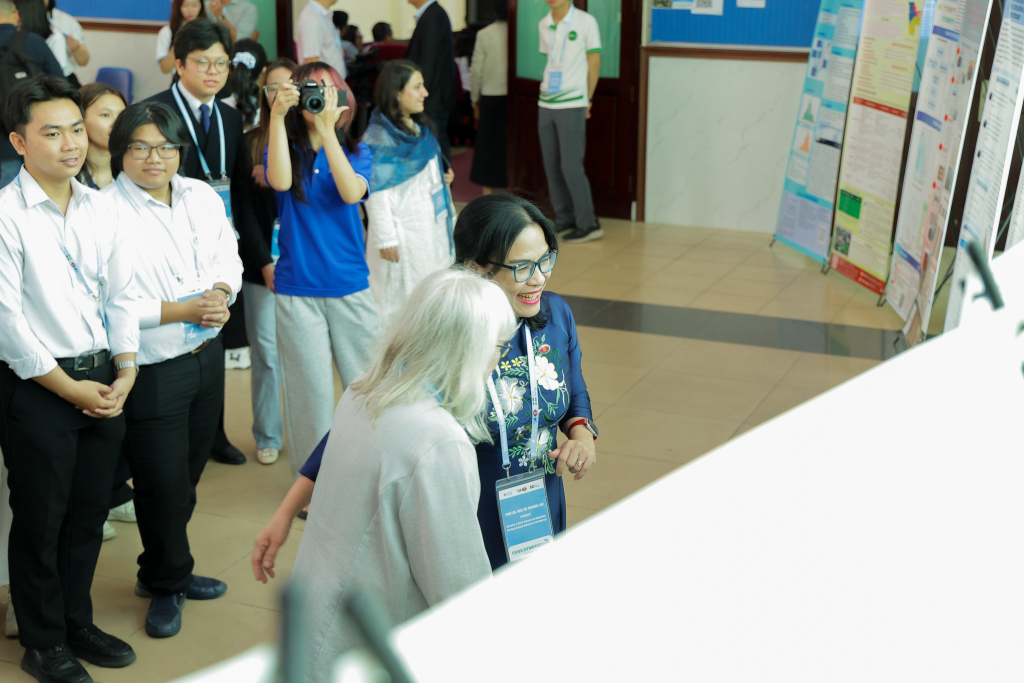
Participants visit an exhibition of student research projects at the University - Photo by: LY NGUYEN
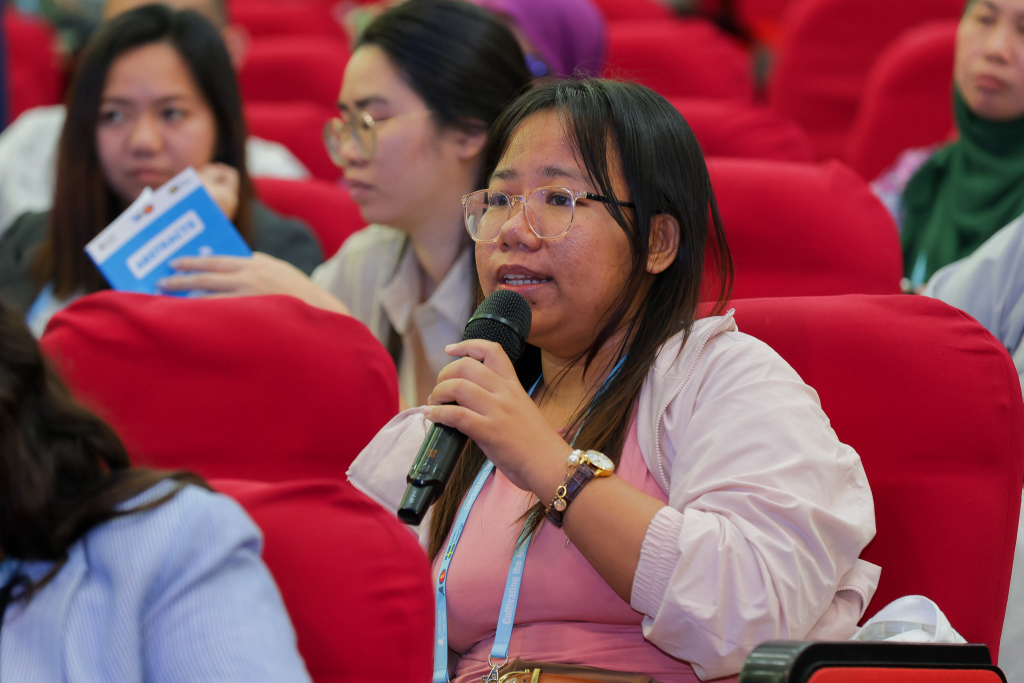
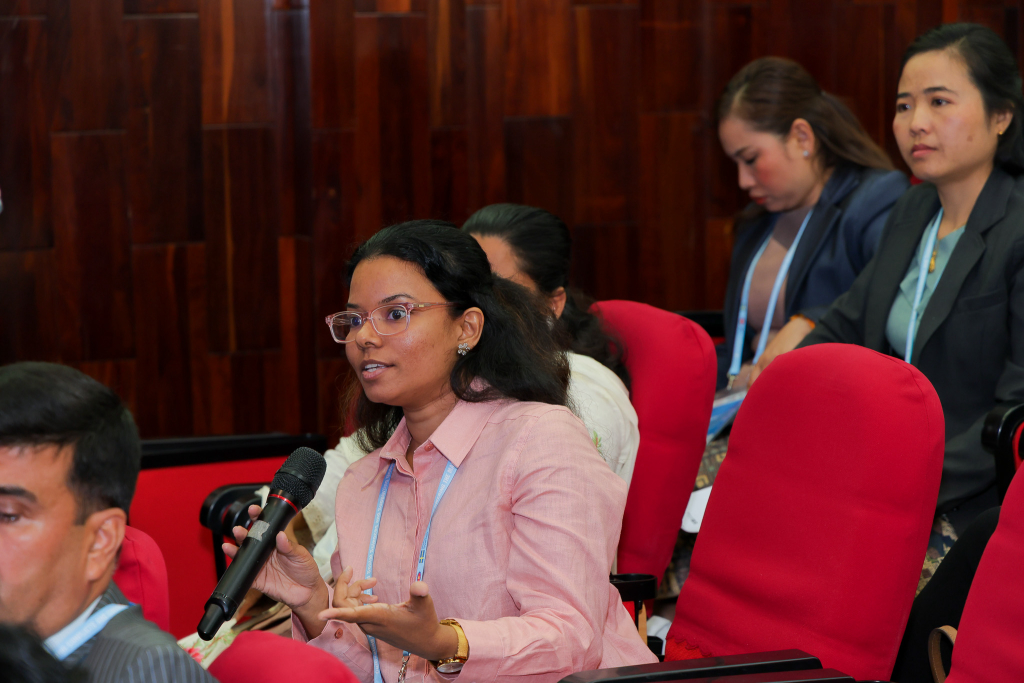
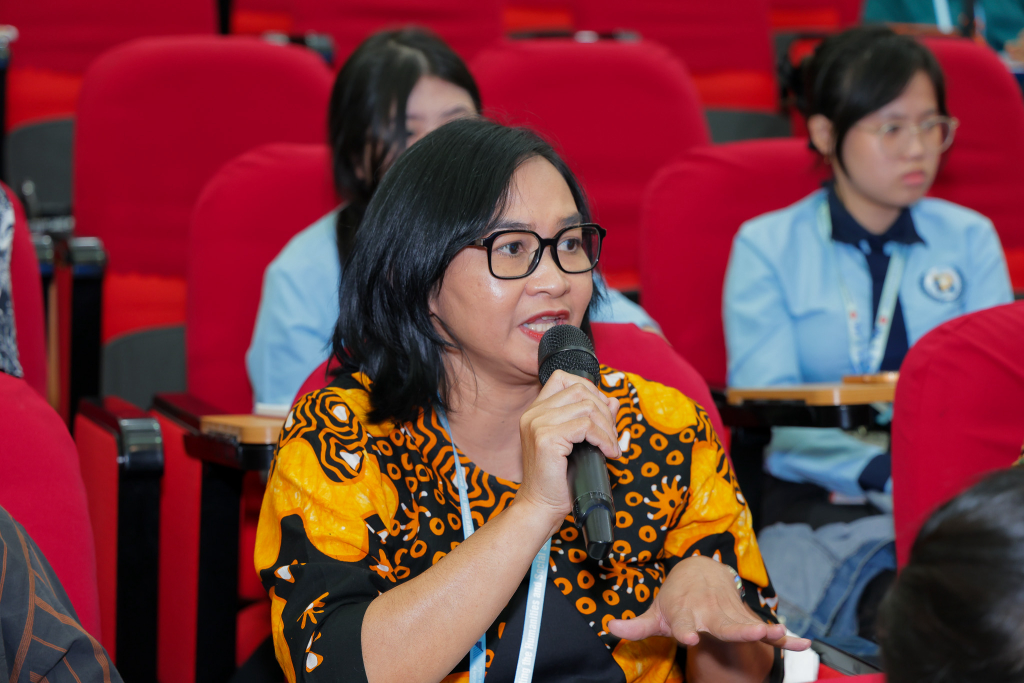
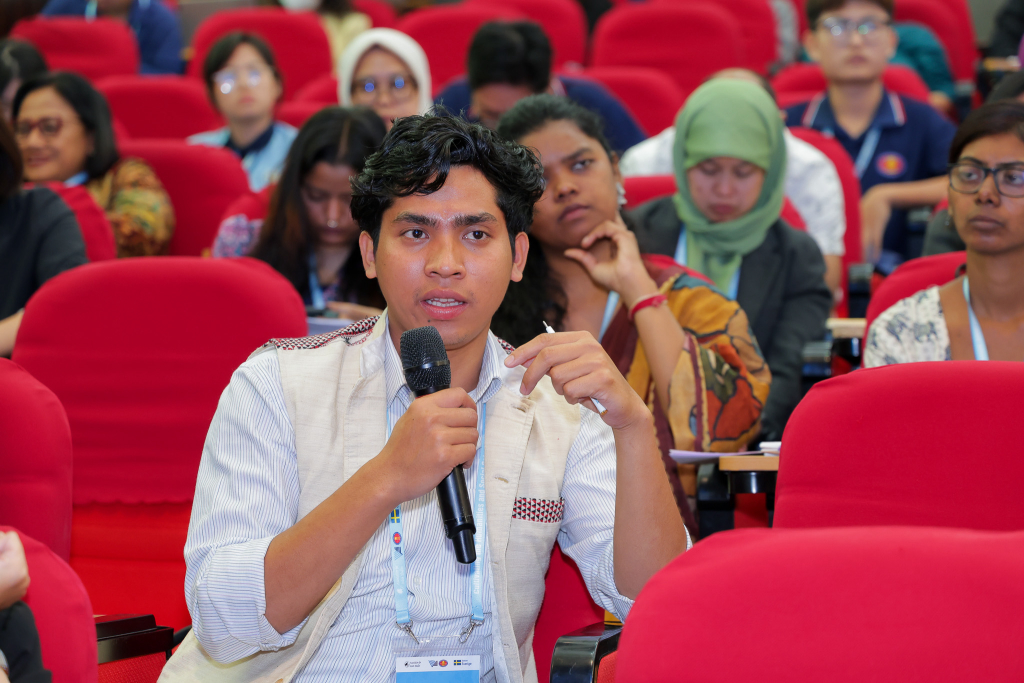
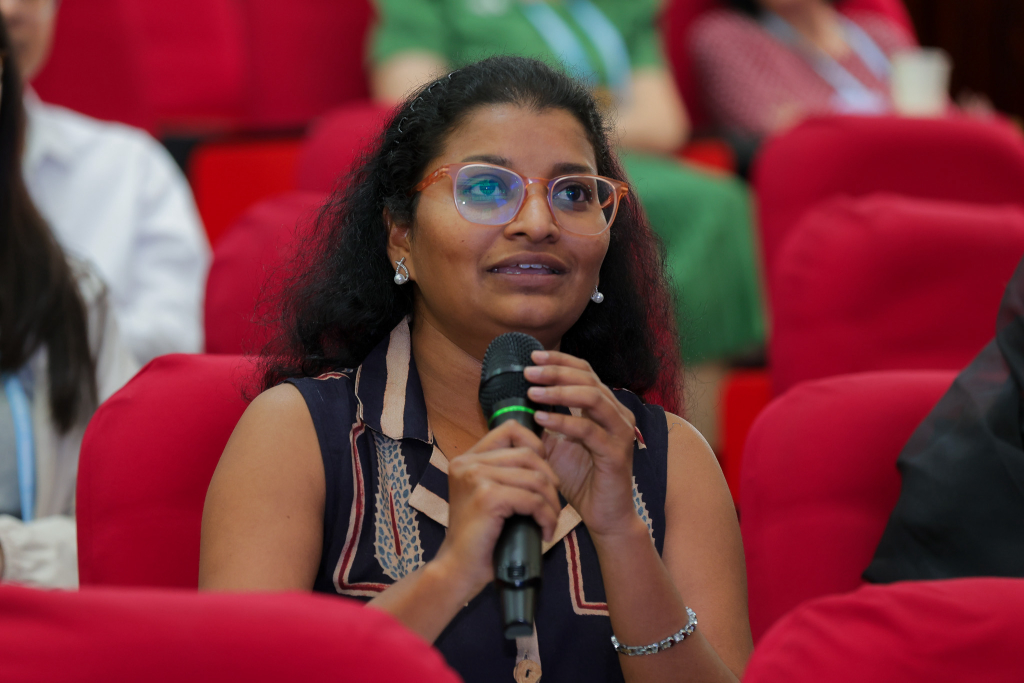
Participants exchange ideas during a panel discussion at the symposium - Photo by: LY NGUYEN
NGUYEN QUYEN
Translated by: My Phung