MỤC LỤC:
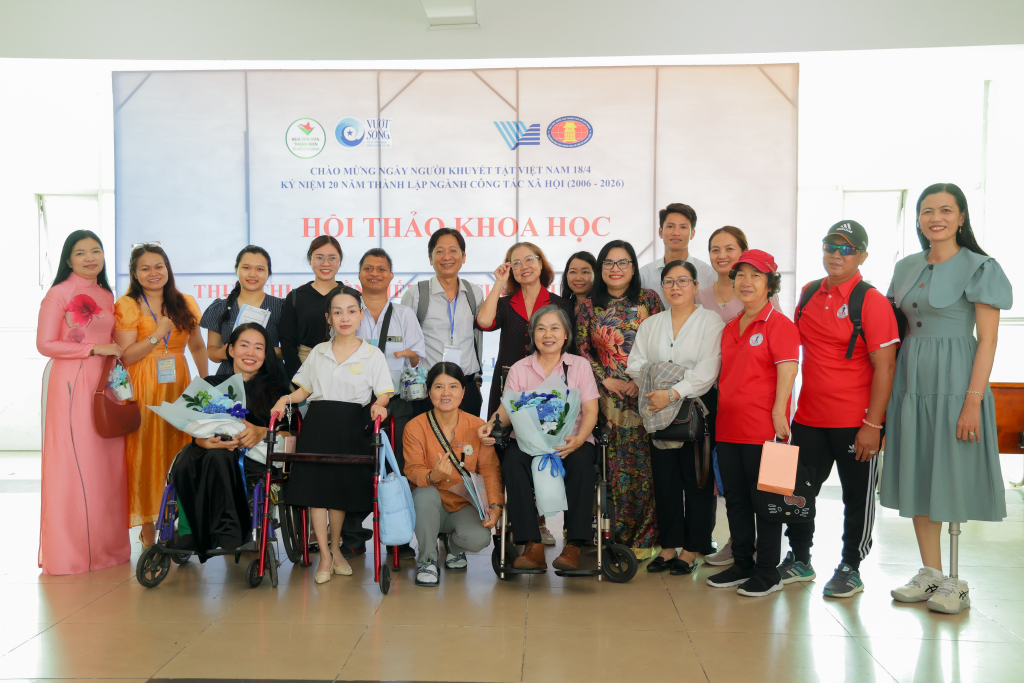
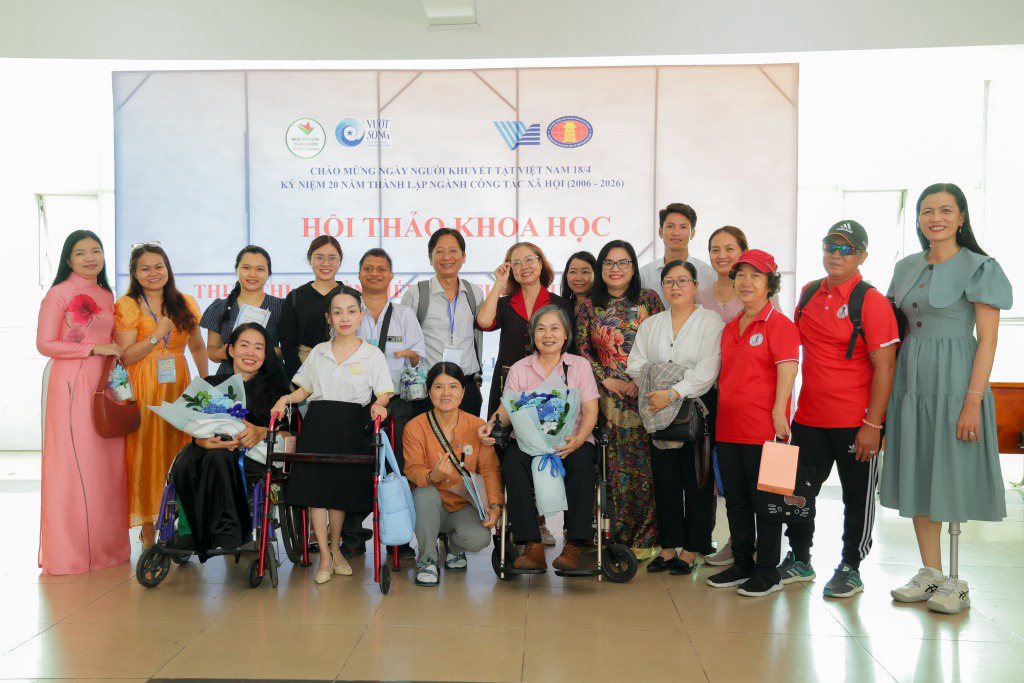
On April 18, the Faculties of Social Work - Anthropology - Sociology at the University of Social Sciences and Humanities, Viet Nam National University Ho Chi Minh City (USSH-VNUHCM), in collaboration with the Vuot Song (tentatively translated as “Overcoming Waves”) Community Project under the Ho Chi Minh City Youth Cultural House, co-hosted a national scientific symposium titled “Enforcing Accessibility Rights for Persons with Disabilities: International Experiences for Vietnam.”
Organized in commemoration of the 28th Vietnam Day of Persons with Disabilities (April 18, 1998 – April 18, 2026) and the 20th anniversary of the Social Work Department (2006 – 2026), the symposium aimed to bridge global insights with local practice, advancing the effective enforcement of accessibility rights and fostering an inclusive and sustainable society.
Distinguished attendees included Mr. Bui Ta Hoang Vu, Member of the City Party Committee, Director of the Ho Chi Minh City Department of Industry and Trade, and Advisory Board Member of the Vuot Song Community Project; Mr. Lam Van Tan, Director of the Vinh Long Province Department of Agriculture and Environment; Specialist Level II Doctor Huynh Van Chin, Deputy Director of the Ho Chi Minh City Department of Health; and Mr. Huynh Tien Dat, Director of the National Legal Aid Center under the Ho Chi Minh City Department of Justice.
Representing the Vuot Song Community Project were Prof. Dr. Nguyen Dong Phong, Advisory Board Member, Chair of the Strategic Council, and former President of the UEH University Assoc. Prof. Dr. Tran Ha Minh Quan, Advisory Board Member and Principal of the UEH.ISB Honours College; and Ms. Nguyen Thi Minh Tam, Head of the Vuot Song Youth Club at the Ho Chi Minh City Youth Cultural House.
From USSH-VNUHCM, the event welcomed Prof. Dr. Ngo Thi Phuong Lan, President; Assoc. Prof. Dr. Huynh Ngoc Thu, Head of the Office of External Relations and Research Management; Dr. Tran Anh Tien, Dean of the Faculty of Social Work - Anthropology - Sociology; Dr. Le Van Cong, Head of the Social Work Department of the Faculty of Social Work - Anthropology - Sociology; and Assoc. Prof. Dr. Le Minh Cong, Senior Lecturer and Director of the Mental Health Research and Support Program at the Institute of Social Sciences and Humanities Research.
The symposium drew a diverse audience of experts, scholars, government and socio-political representatives, and leaders from vocational institutions and businesses, alongside a large turnout of faculty, doctoral, graduate, and undergraduate students, and other interested individuals.
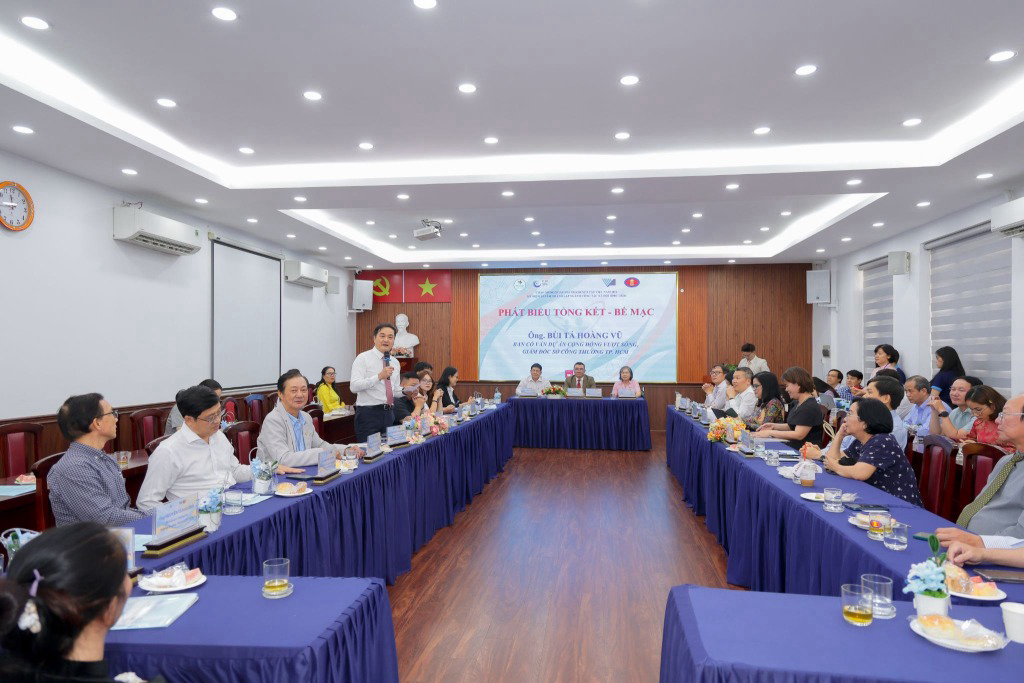
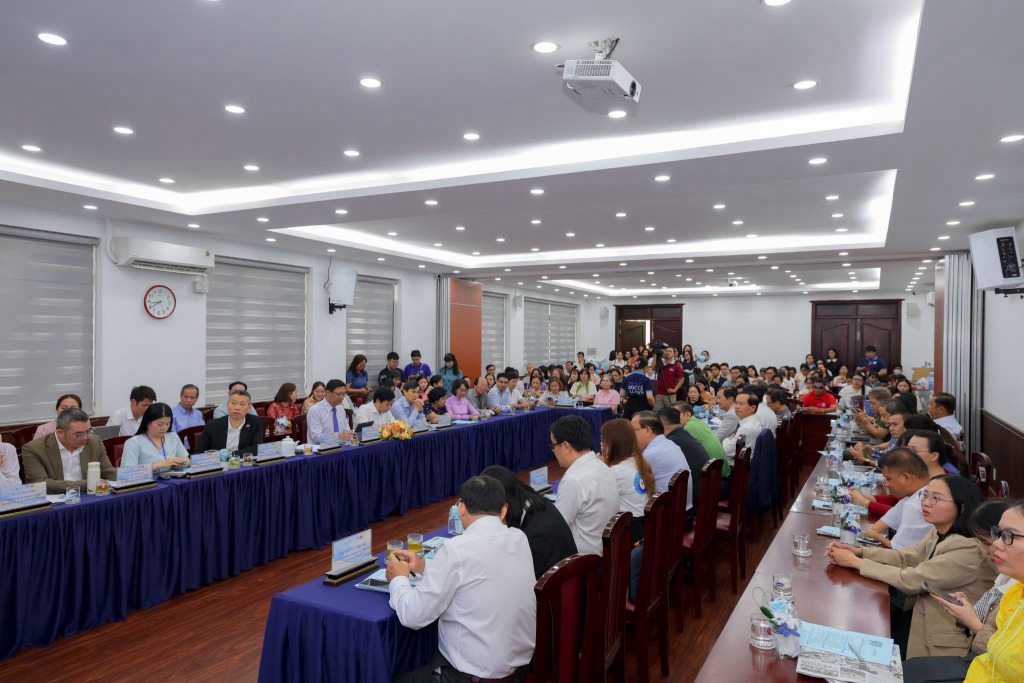
The symposium attracts numerous experts, researchers, and attendees interested in accessibility rights for persons with disabilities - Photo by: LY NGUYEN
In her opening remarks, Professor Ngo Thi Phuong Lan, President, highlighted the Faculty of Social Work, Anthropology, and Sociology's core role in education, research, and community service, which anchors the University’s academic prestige in Southern Vietnam. She emphasized that accessibility for persons with disabilities is a fundamental right transcending physical barriers to encompass information, education, employment, public services, technology, and development opportunities. Without this foundation, meaningfully realizing other rights remains difficult.
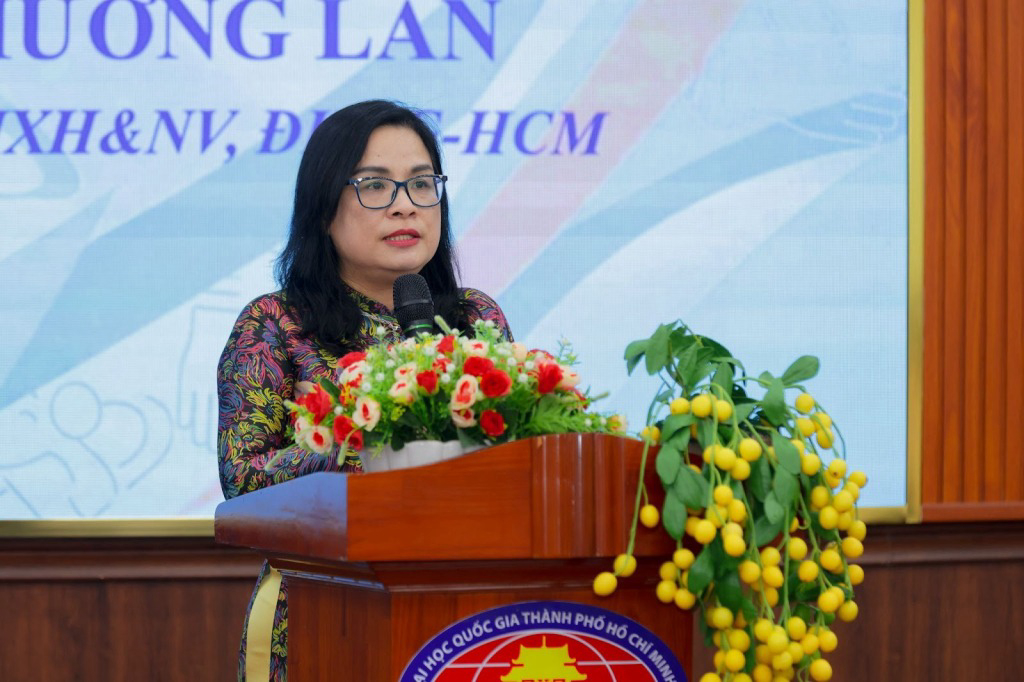
Professor Ngo Thi Phuong Lan stresses accessibility as the foundation for ensuring the rights of persons with disabilities - Photo by: LY NGUYEN
At the symposium, Professor Nguyen Dong Phong, representing the Vuot Song Project Advisory Board, Chair of the Strategic Council, and former President of UEH, affirmed the project’s objectives of reshaping societal perceptions of persons with disabilities to reflect their true value positively, while empowering individuals to progressively grow and improve their quality of life.
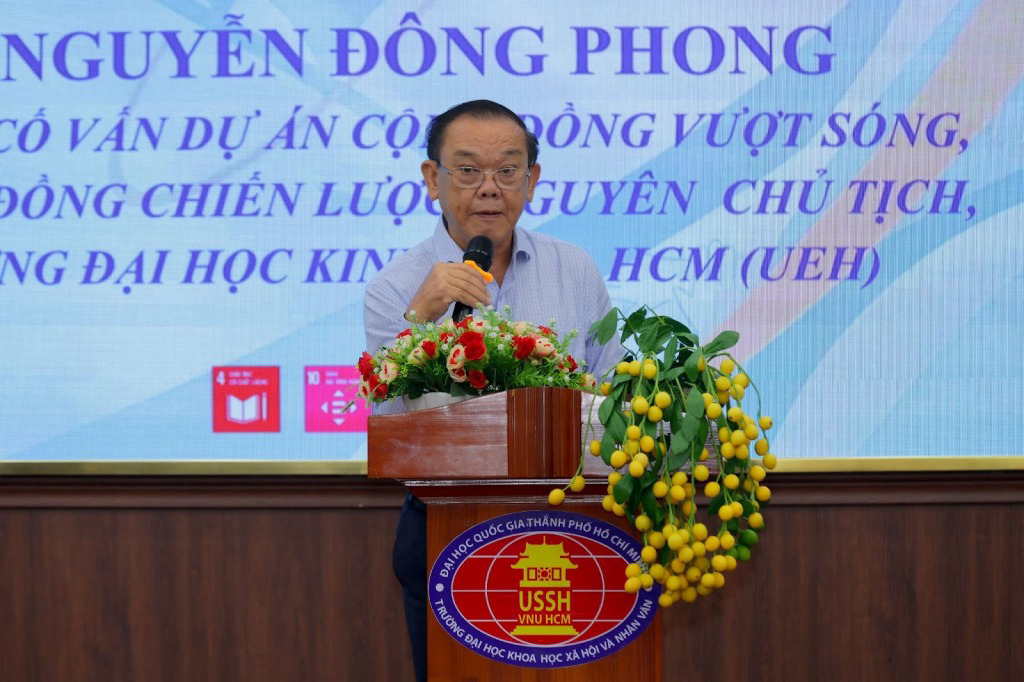
Professor Nguyen Dong Phong emphasizes raising awareness and supporting persons with disabilities - Photo by: LY NGUYEN
Promoting Inclusion and Ensuring Accessibility for Persons with Disabilities
In his keynote report, Dr. Le Van Cong, Head of the Social Work Department, noted that implementing accessibility rights in Vietnam faces significant challenges, as barriers in infrastructure, education, technology, public services, and employment create a substantial gap between policy and practice. To address this, the symposium seeks to bridge such gap, integrating international experience with the Vietnamese context to foster an inclusive society.
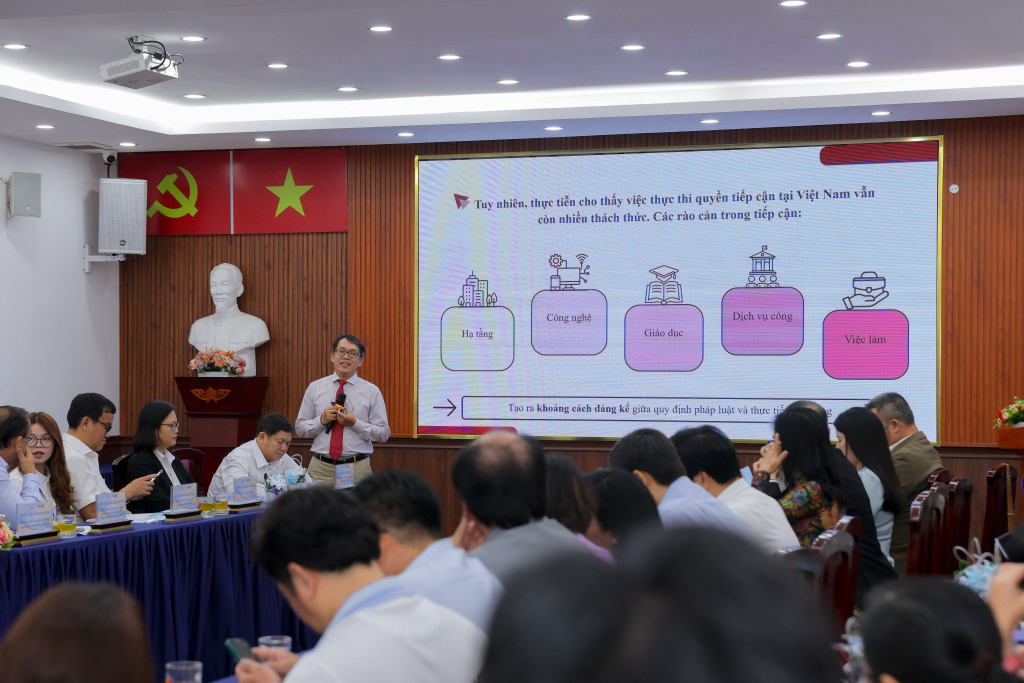
Dr. Le Van Cong delivers the keynote report, highlighting challenges in enforcing accessibility rights - Photo by: LY NGUYEN
Presentations explored the links between policy enforcement, inclusive development, and rights protection, particularly accessibility for persons with disabilities, while emphasizing the role of representative groups and organizations. In her presentation, Ms. Nguyen Thi Lan Anh, MA, from the Asia-Pacific Research Institute affirmed inclusive development as an inevitable trend on the global agenda. While acknowledging Vietnam's progress in policymaking and implementing inclusive health and education models, she highlighted limitations in representative network coverage and the persistent gap between policy and practice.
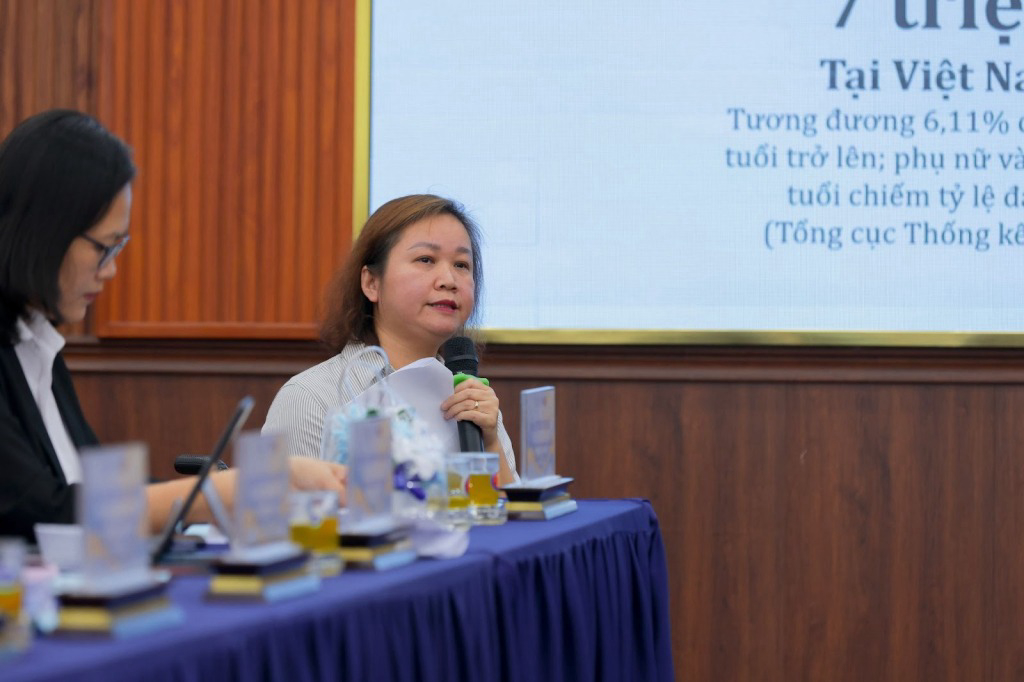
Ms. Nguyen Thi Lan Anh, MA, presents her paper at the symposium - Photo by: LY NGUYEN
Offering a complementary perspective, Dr. Phan Thi Cam Giang from Saigon International University analyzed accessibility through a psychological lens. Emphasizing the role of personal experiences such as feeling respected, safe, and a sense of social belonging, she advocated for integrating psychological factors into rights enforcement.
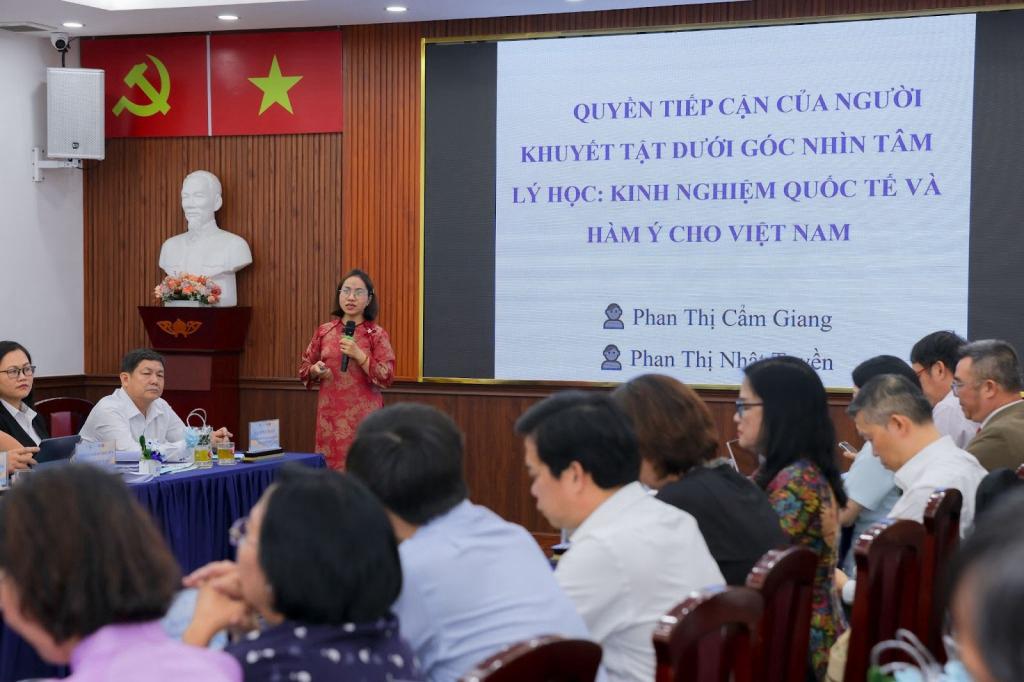
Dr. Phan Thi Cam Giang emphasizes a psychological approach to accessibility at the symposium - Photo by: LY NGUYEN
From a practical perspective, Ms. Le Thi Huong Giang, MA, from RMIT University focused on higher education support systems for students with disabilities through an ecosystem approach, helping to ensure equitable learning opportunities and foster sustainable inclusion.
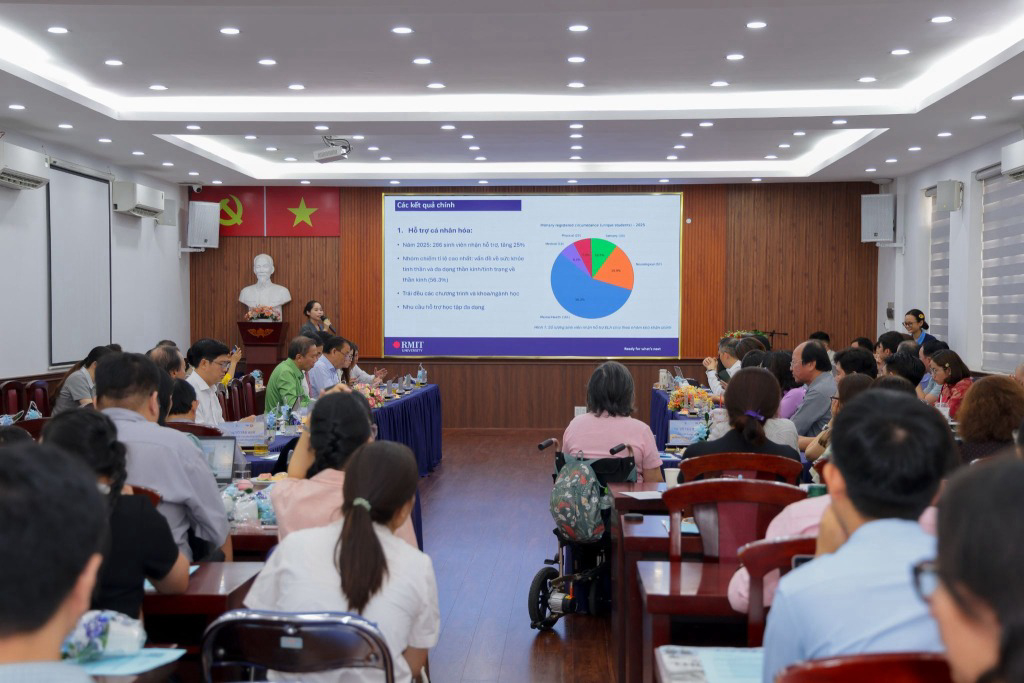
Ms. Le Thi Huong Giang, MA, affirms the role of support systems in ensuring higher education access for students with disabilities - Photo by: LY NGUYEN
Notably, Associate Professor Le Minh Cong from USSH-VNUHCM examined public health and integrated care, highlighting the heavy mental health burden on persons with disabilities amid limited service access. The research highlights that screening, early detection, and psychological support within the community remain fragmented, while the existing system heavily favors disconnected specialized treatment; he proposes a stratified, integrated, and community-based care model to enhance intervention effectiveness and ensure continuity of care.
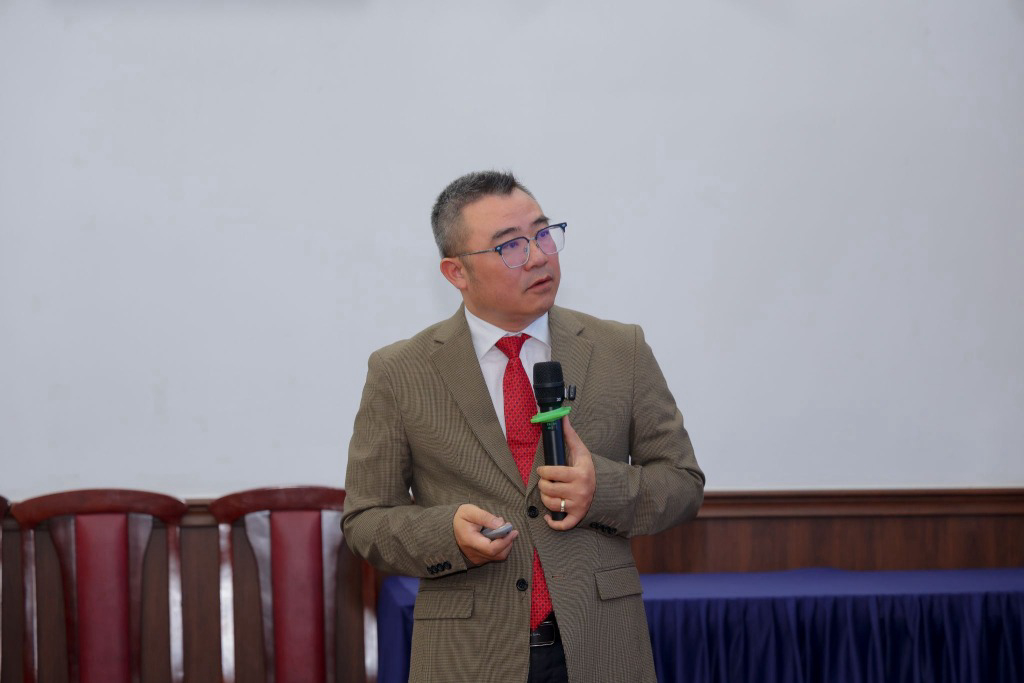
Associate Professor Le Minh Cong highlights limited mental health service access for persons with disabilities and proposes an integrated care model - Photo by: LY NGUYEN
Overall, the presentations underscored several core takeaways: accessibility is the foundation of all rights; the enforcement gap remains a primary challenge; an interdisciplinary and systemic approach is essential; technology presents both opportunities and risks of digital inequality; and social work acts as a vital bridge between policy and beneficiaries.
Interdisciplinary Panel: Strengthening Policies and Solutions to Advance Accessibility for Persons with Disabilities
During the panel, Dr. Huynh Van Chin, Deputy Director of the Ho Chi Minh City Department of Health, highlighted the healthcare sector's mounting responsibility toward persons with disabilities today, urging a more proactive approach and expanded service delivery. To this end, the department is actively partnering with social protection centers to conduct regular health screenings and reach individuals directly, thereby elevating healthcare quality and securing access to medical services.
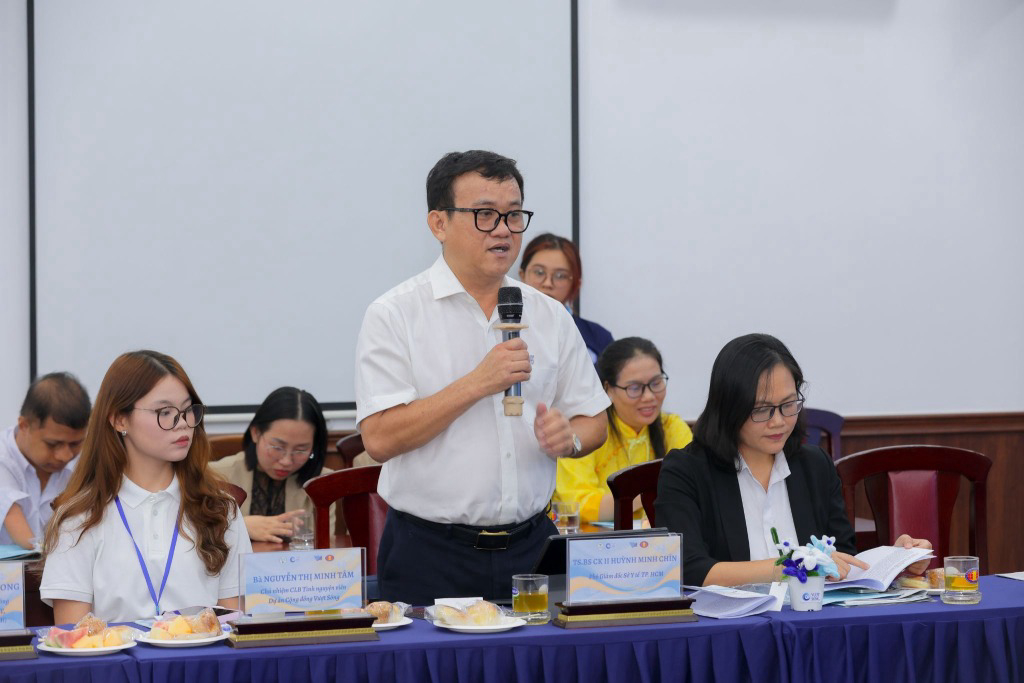
Dr. Huynh Van Chin emphasizes expanding healthcare and medical services for persons with disabilities - Photo by: LY NGUYEN
Drawing on operational experience in education, Ms. Nguyen Thi Than, Principal of Hy Vong (tentatively translated as “Hope”) Binh Thanh Specialized School for the Deaf, emphasized that proactive preparation and family engagement are crucial for successful inclusive learning; conversely, inadequate readiness leaves children vulnerable to isolation and diminished adaptability. Additionally, Ms. Vu Thi Thu Huyen of Maison Chance Social Protection Center noted that limited policy support, particularly for individuals lacking income-generating capacity, coupled with inaccessible infrastructure and public transit, severely restricts educational access.
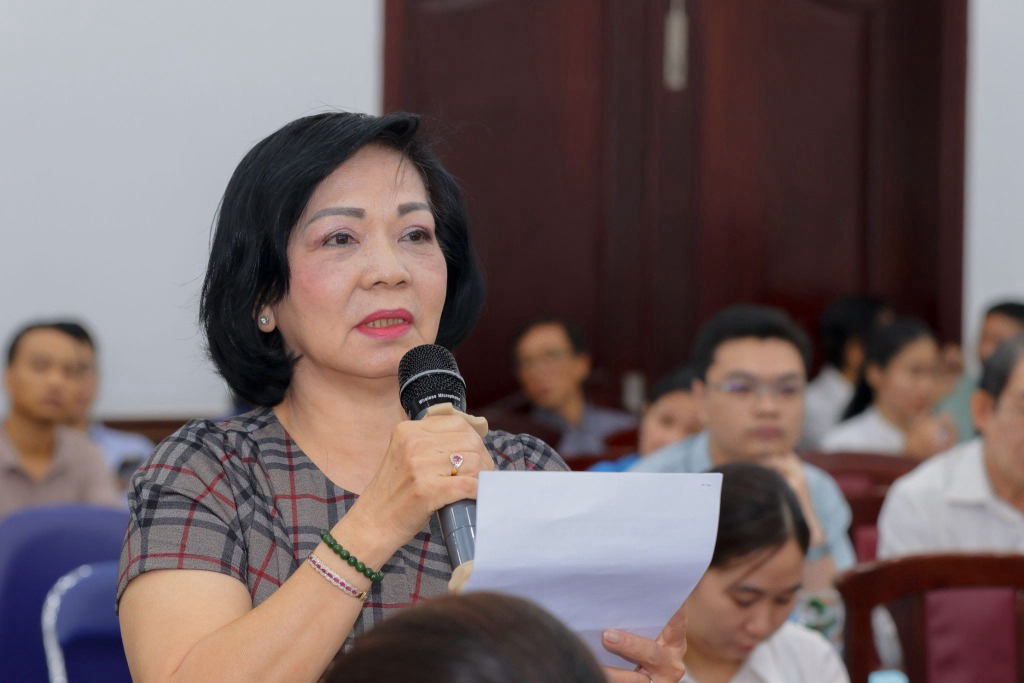
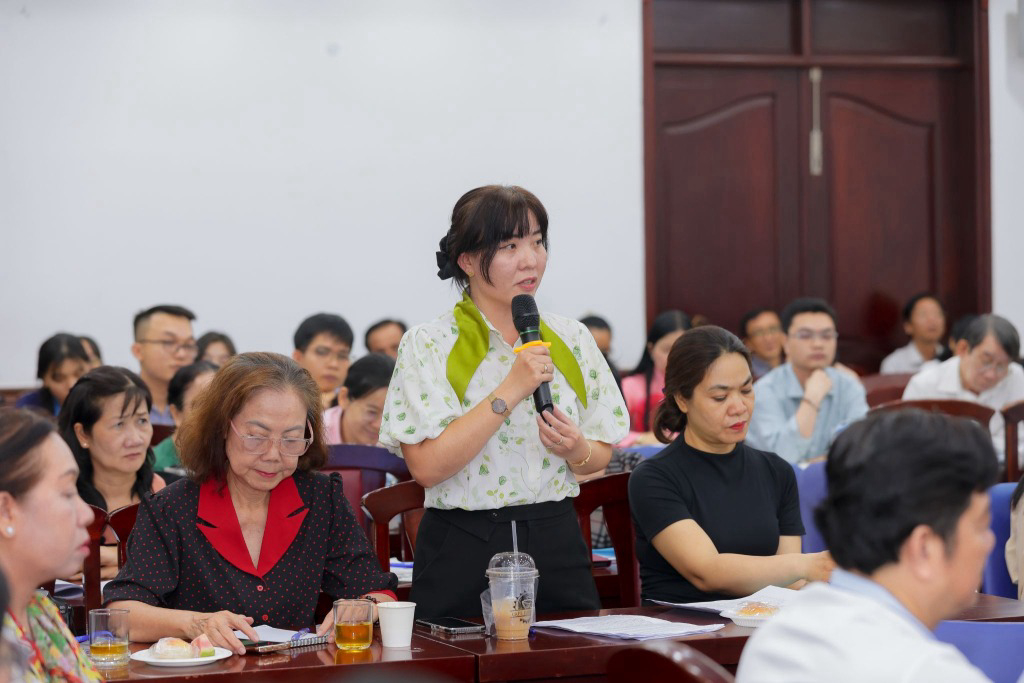
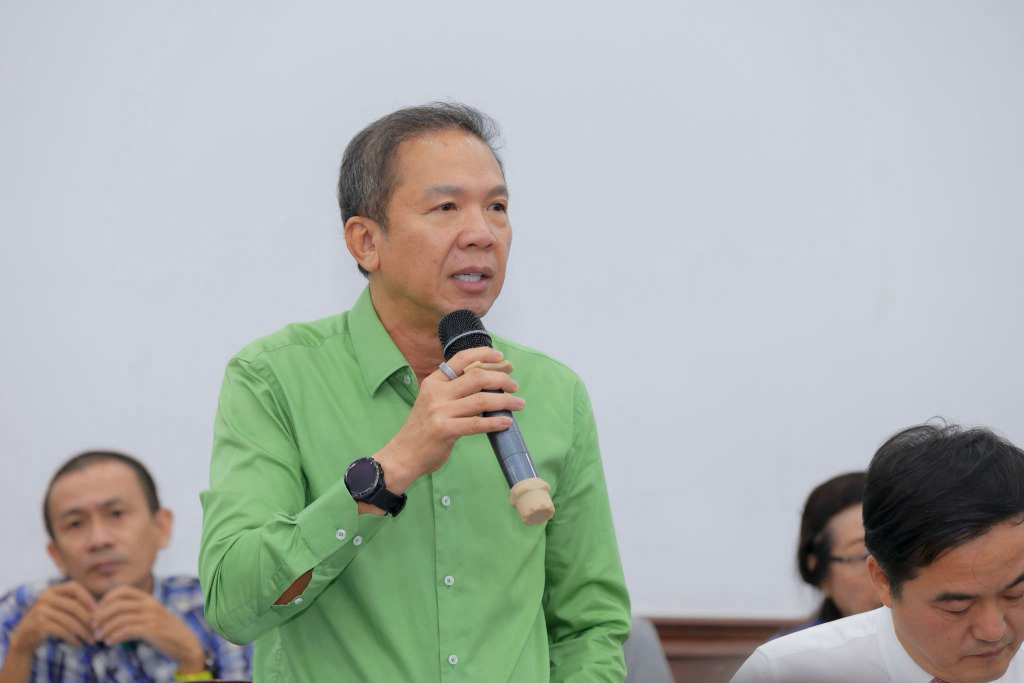
Participants collaborate on solutions to advance accessibility for persons with disabilities - Photo by: LY NGUYEN
From a policy standpoint, Mr. Nguyen Van Tinh, Chairman of the Ho Chi Minh City Association for the Protection of Children’s Rights, underscored the necessity of early intervention and a community-wide shift toward a human-rights-based approach. He identified systemic bottlenecks in disability assessment, certification, and benefit approvals, alongside the hurdles of educational transitions without proactive preparation. To address this, he advocated for higher subsidies and policy reforms to better secure living standards and growth opportunities for persons with disabilities.
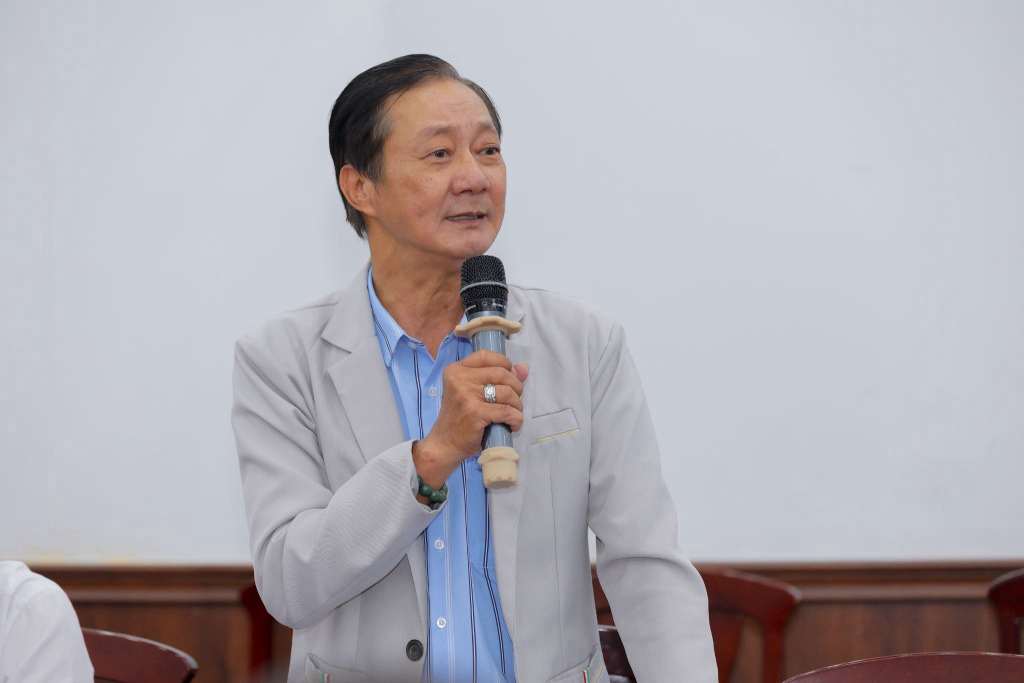
Mr. Nguyen Van Tinh underscores the importance of early intervention and policy reform to support persons with disabilities - Photo by: LY NGUYEN
The symposium discussions illuminated key challenges and outlined actionable approaches, driving policy reform, optimizing service delivery, and fostering cross-sectoral collaboration to secure comprehensive and sustainable accessibility for persons with disabilities.
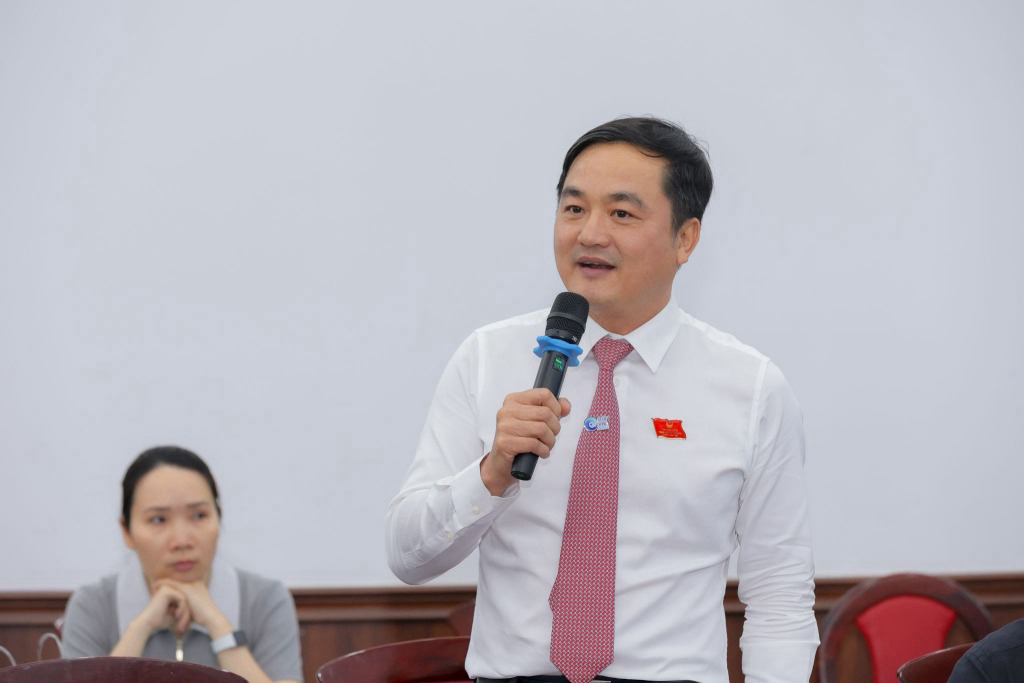
Mr. Bui Ta Hoang Vu delivers his closing remarks, emphasizing comprehensive enforcement frameworks to secure accessibility for persons with disabilities - Photo by: LY NGUYEN
Concluding the symposium, Mr. Bui Ta Hoang Vu, representing the Vuot Song Project Advisory Board, affirmed the event's success, noting its in-depth and highly practical discussions. He emphasized three key takeaways of the symposium: serving as a meaningful forum to mark Vietnam Day of Persons with Disabilities; advancing public awareness and legal frameworks regarding disability rights; and highlighting the need to strengthen support policies, specifically in education, employment, and cultural and recreational activities.
Building on the presentations and discussions, the symposium proposed new approaches to fostering a barrier-free environment and ensuring comprehensive accessibility across healthcare, education, and social life. Accordingly, he recommended intensifying communication efforts to elevate public awareness, while refining policies and enforcement frameworks to better safeguard access for persons with disabilities.
Additional photos:
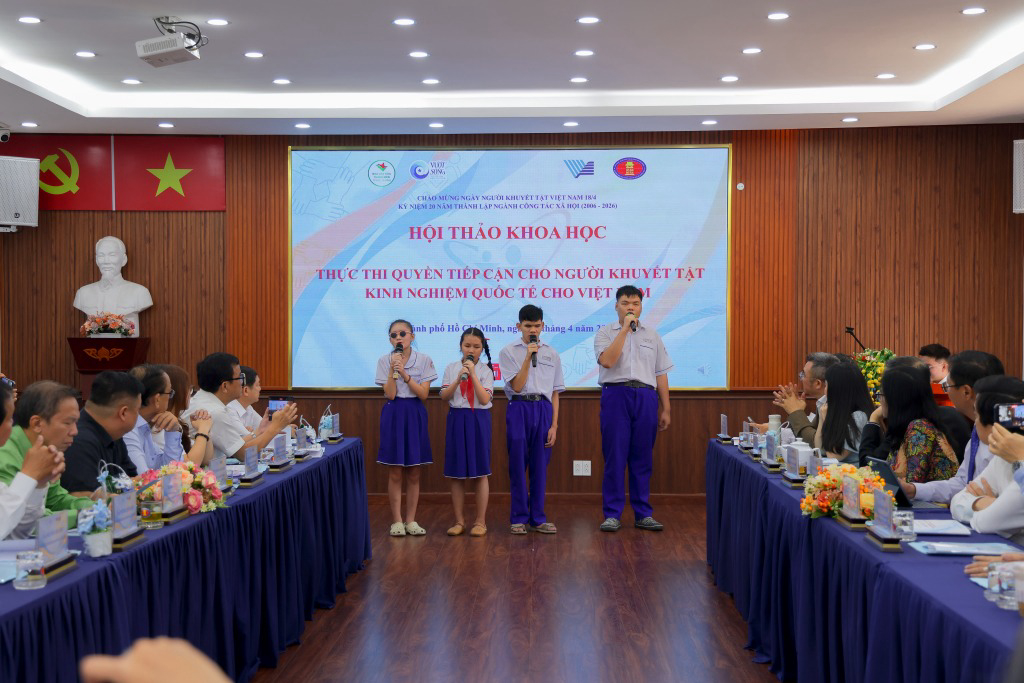
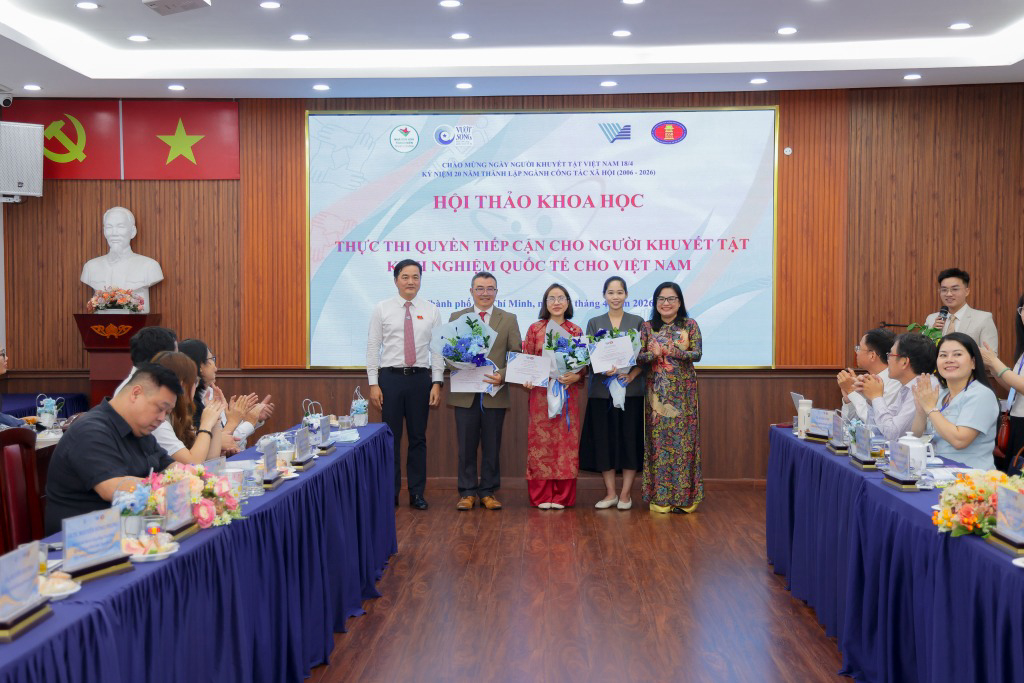
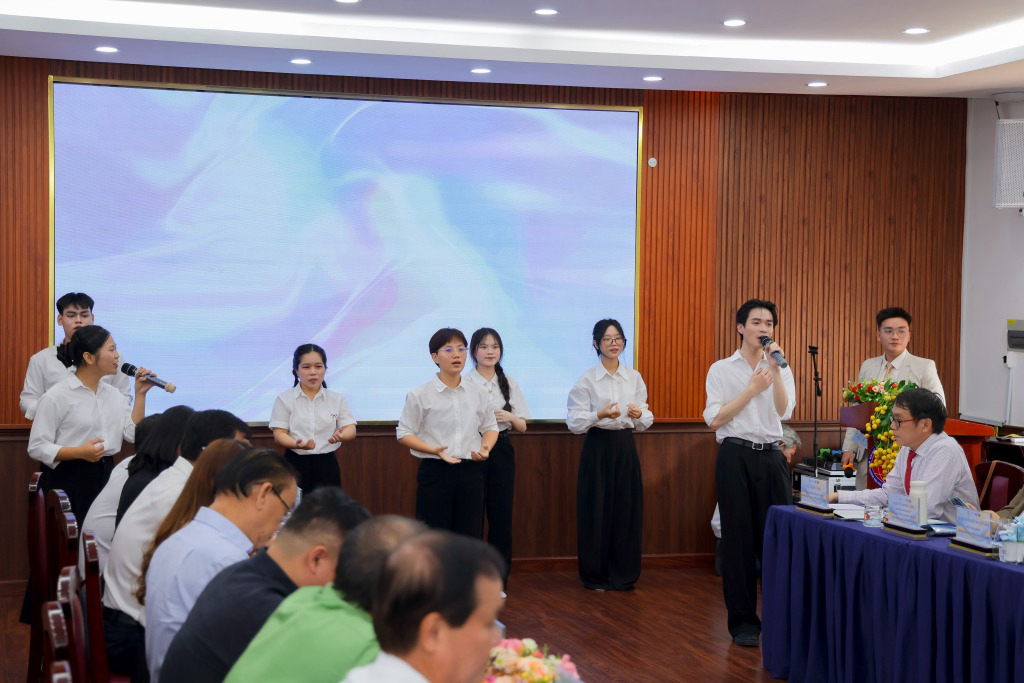
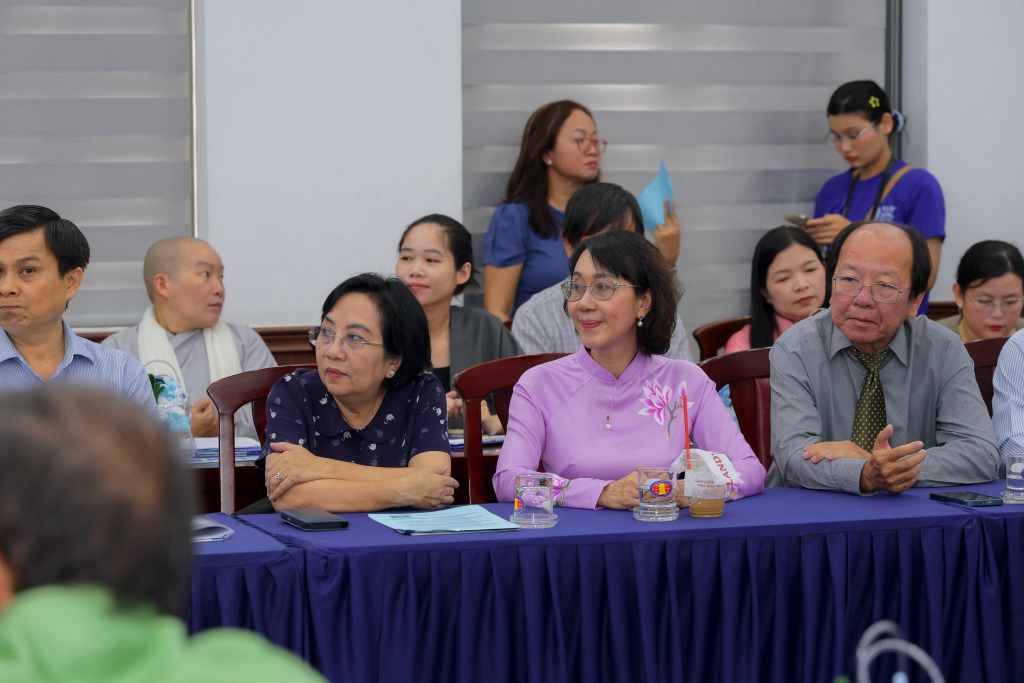
TUAN VU
Translated by: My Phung