24/10/2026
Share:
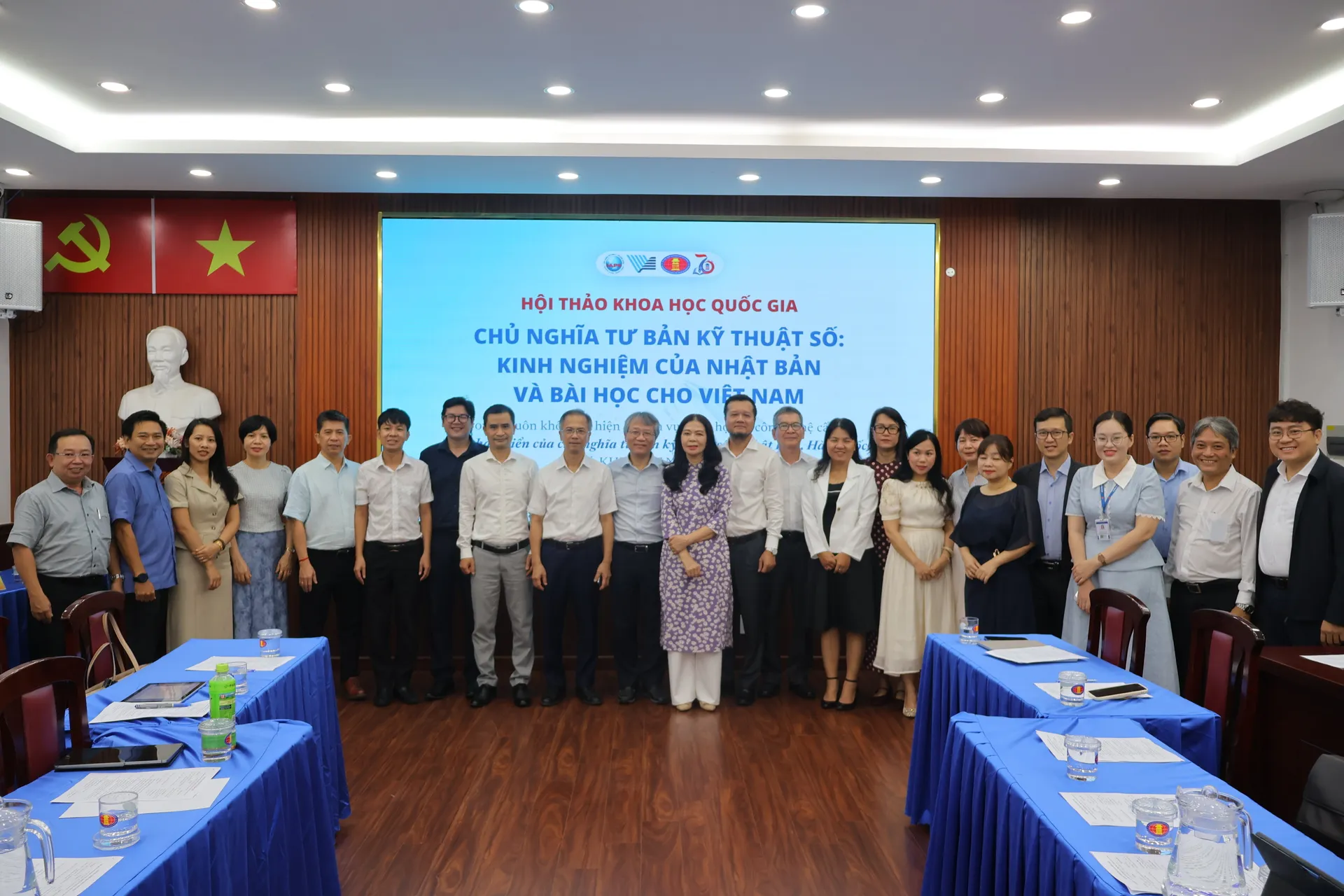
On the morning of October 23, 2026, the Institute for Asia-Pacific Studies, in coordination with the Faculty of International Relations, University of Social Sciences and Humanities, Viet Nam National University Ho Chi Minh City, successfully organized the national scientific conference "Digital Capitalism: Japan's Experience and Lessons for Vietnam". The conference was attended by experts, scientists, and leaders of various units, notably Dr. Dang Xuan Thanh - Former Vice President of the Vietnam Academy of Social Sciences, Prof. Dr. Nguyen Vu Tung - Former President of the Diplomatic Academy of Vietnam, Assoc. Prof. Dr. Pham Hong Thai - Former Director of the Institute for Northeast Asian Studies, Vietnam Academy of Social Sciences, Dr. Tran Hoang Long - Former Deputy Director of the Institute for Asia-Pacific Studies, Assoc. Prof. Dr. Do Thi Thuy - Acting Head of the Editorial and Administrative Department, Department of Science, Information and International Research Journal, Dr. Nguyen Tang Nghi - Dean of the Faculty of International Relations, University of Social Sciences and Humanities, Viet Nam National University Ho Chi Minh City, Assoc. Prof. Dr. Tran Xuan Hiep - The University of Danang - University of Science and Education, Dr. Ngo Huong Lan, Director of the Japan Research Center, Institute for Asia-Pacific Studies, and Dr. Do Thi Anh - Head of the project, along with numerous delegates, lecturers, and students.
Delivering the opening remarks, Dr. Nguyen Tang Nghi affirmed: “The strength of a nation today lies not only in its territory or resources but is also closely linked to its capacity to master science and technology, such as Artificial Intelligence (AI)”. Drawing lessons from Japan's human-centric philosophy, Dr. Nguyen Tang Nghi noted that competition among powers in the field of science and technology is always intertwined with issues of national security and privacy. From there, he affirmed that digital transformation is a breakthrough and strategic task, and the conference serves as an opportunity to distill valuable lessons to address digital transformation challenges while maintaining national identity, offering policy suggestions for national administrators.
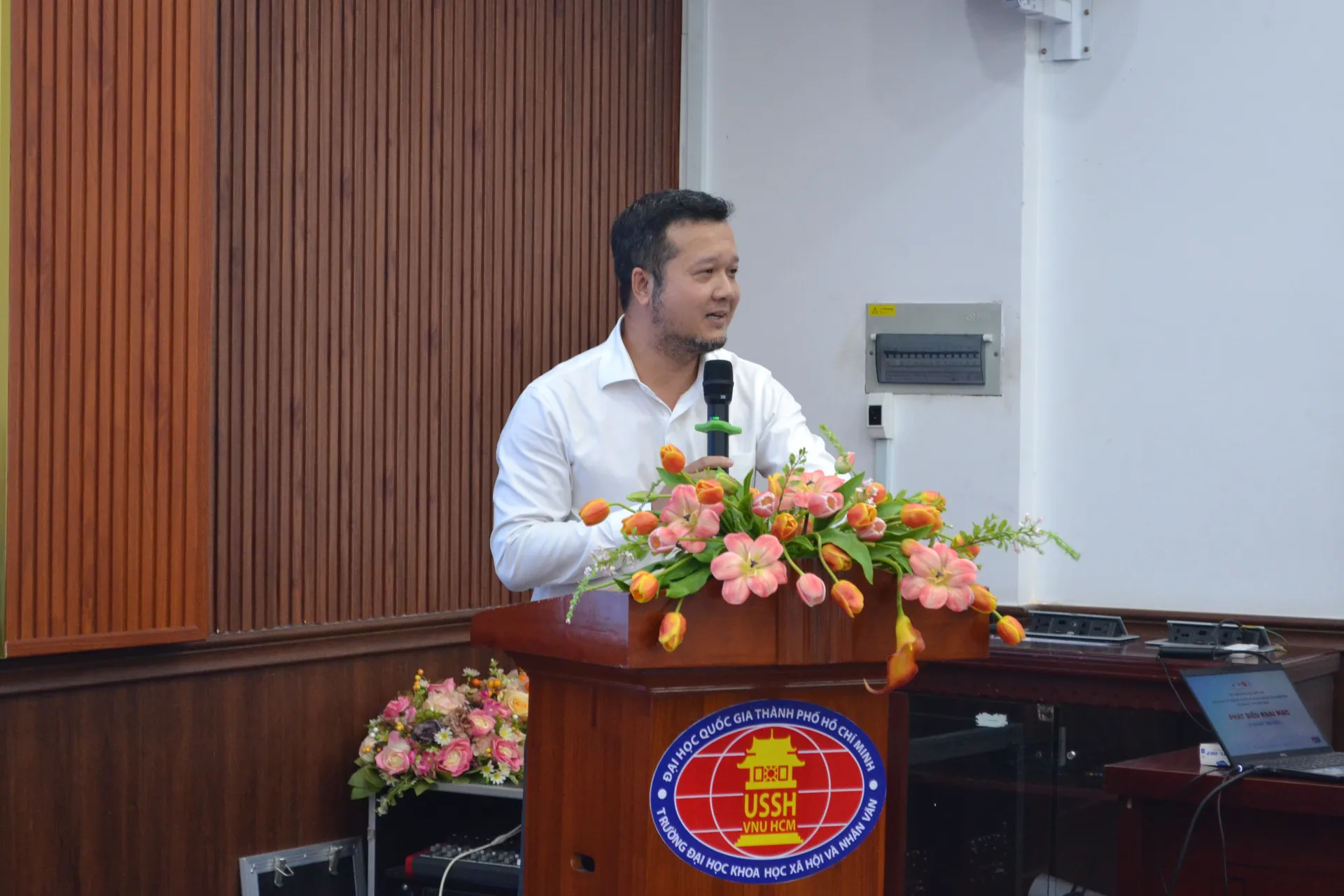
Photo: Dr. Nguyen Tang Nghi - Dean of the Faculty of International Relations
Continuing the program with introductory remarks, Dr. Tran Hoang Long from the Diplomatic Academy of Vietnam expressed his gratitude to the leaders for their coordination in organizing the conference and emphasized that the objective is to exchange experiences suitable to Vietnam's practical context through the presentations. Accordingly, Dr. Tran Hoang Long suggested key research areas, including examining the concept of digital capitalism as a new mode of accumulation to identify who truly controls the platform. Drawing from Japan's experience - a country with a highly developed digitalization background, Dr. Tran Hoang Long proposed analyzing distinct characteristics in business organization and the relationship between the state and businesses. In particular, he emphasized the need to clarify the context, identify the driving forces, and categorize the main development stages to explain the impact of the shift towards digital capitalism. At the same time, research needs to clarify the role of the state in coordinating with businesses and universities, as well as digital security issues surrounding data protection and the maintenance of essential systems.
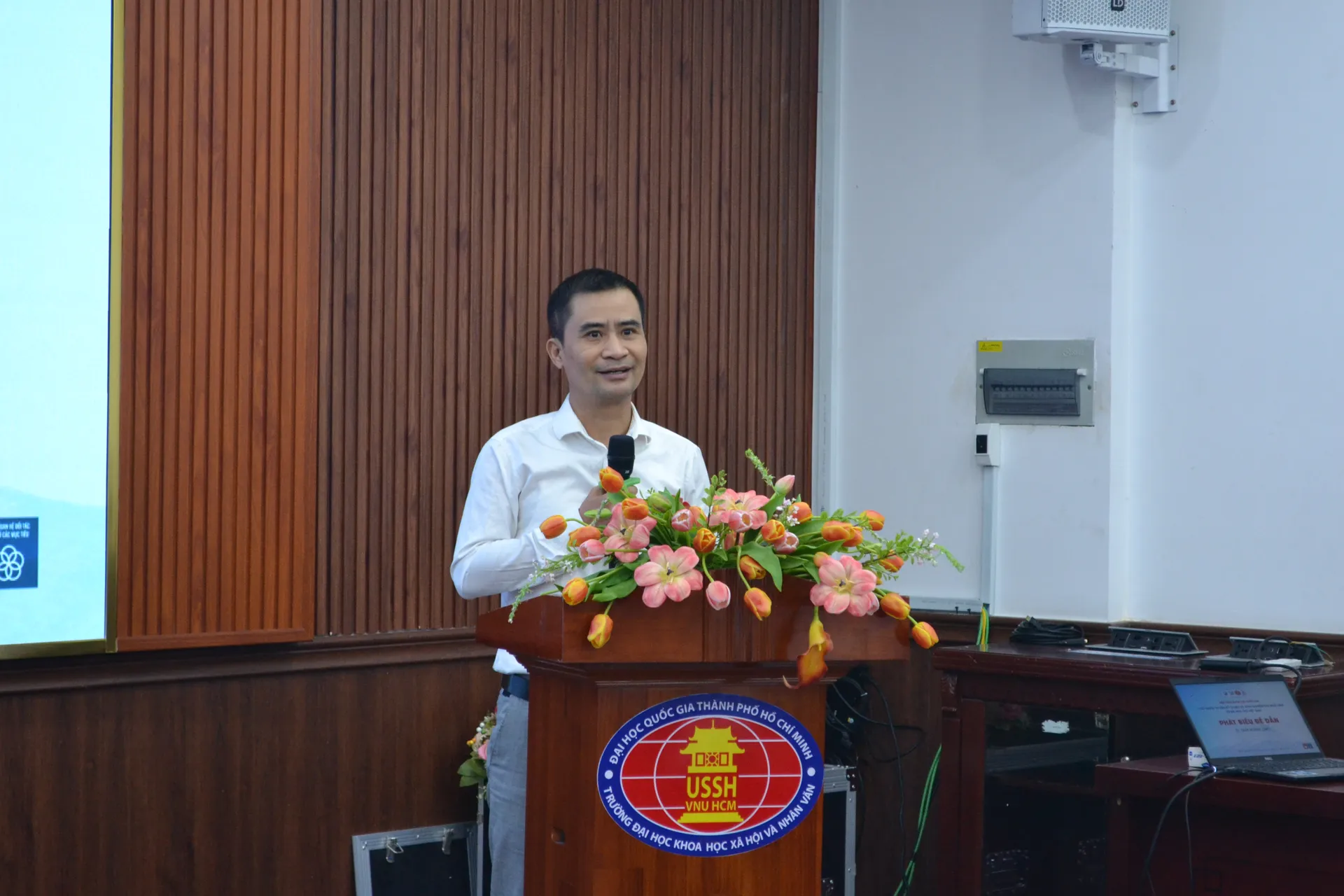
Photo: Dr. Tran Hoang Long - Diplomatic Academy of Vietnam
Opening the first session, Dr. Do Thi Anh from the Institute for Asia-Pacific Studies, Vietnam Academy of Social Sciences, presented the paper "Context of origin and development stages of digital capitalism in Japan from 2000 to present". The report pointed out the drivers of digital transformation in Japan, from stagnant economic growth and labor shortages to challenges from the international environment. This process has gone through five stages, from building technology infrastructure to promoting the development of Artificial Intelligence (AI), with the state playing a leading creative role. According to Dr. Do Thi Anh, the digital transformation process in Japan is still ongoing, while the impacts on productivity and competitiveness are not yet clearly defined.
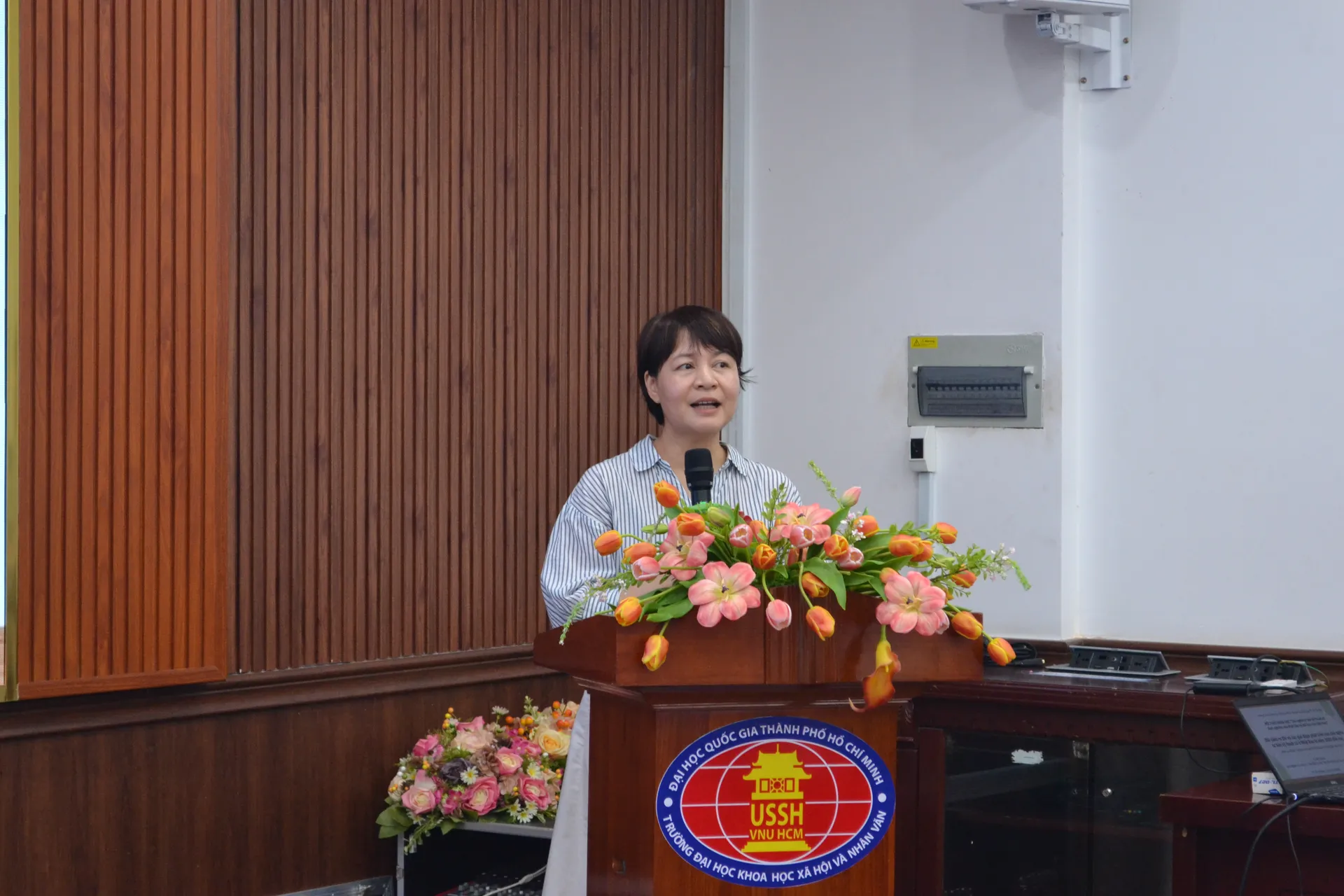
Photo: Dr. Do Thi Anh - Institute for Asia-Pacific Studies, Vietnam Academy of Social Sciences
Continuing the program, Assoc. Prof. Dr. Pham Hong Thai from Van Hien University presented the paper "Digital capitalism model in Japan: From industrial digital transformation to Society 5.0", focusing on explaining how Japan applies technology to both improve competitiveness and address social challenges. Since the "Connected Industries" policy was promoted in 2016, Japan has gradually expanded connections from production activities to the whole society, aiming for the human-centric vision of Society 5.0. According to the report, this model promotes the orienting role of the state, leverages the strengths of the manufacturing industry, and views data as an important production resource. Despite achieving significant progress, Assoc. Prof. Dr. Pham Hong Thai believes that Japan still needs to solve the problem of the digital divide among businesses, limitations in system integration, and difficulties in developing a uniform workforce.
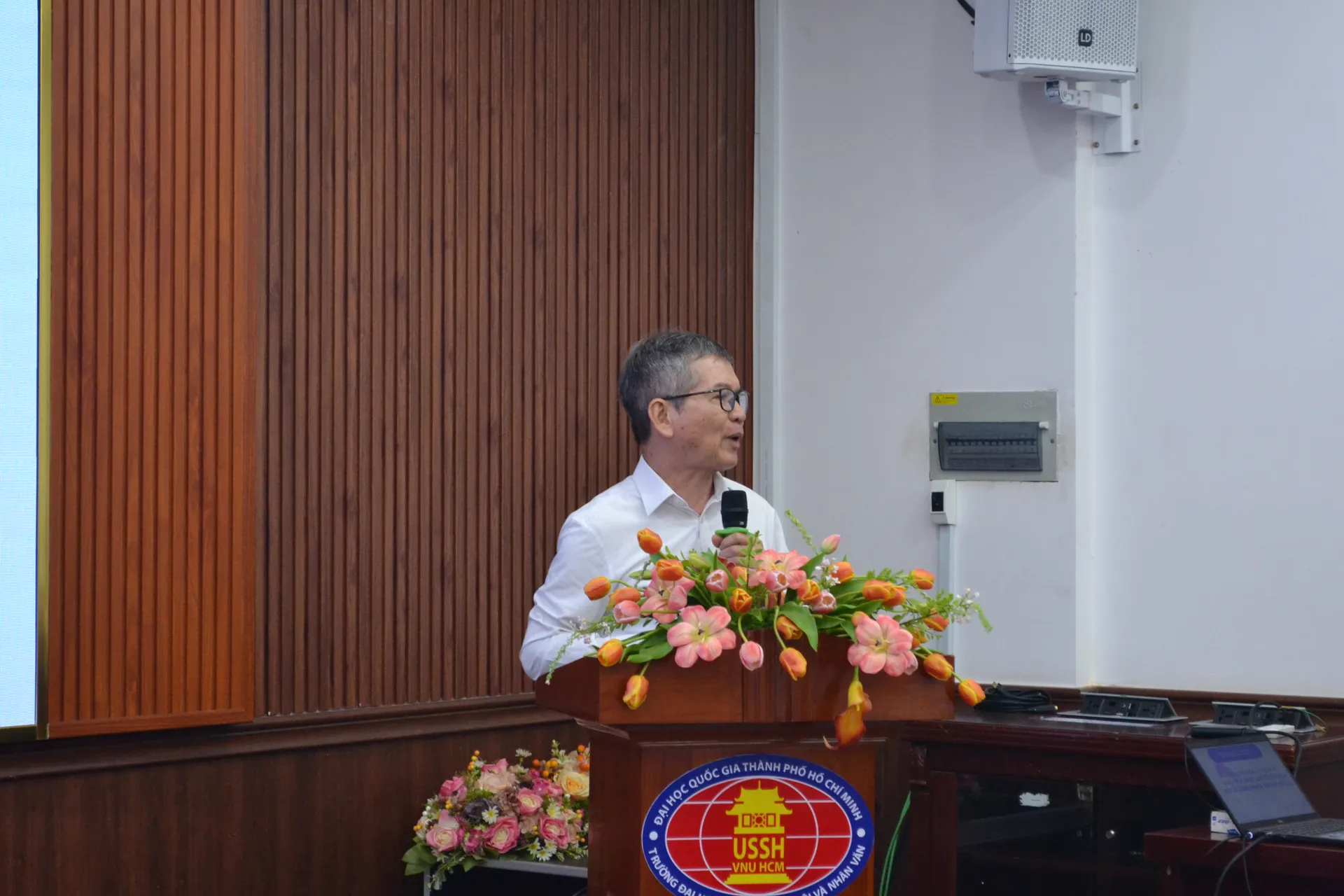
Photo: Assoc. Prof. Dr. Pham Hong Thai - Van Hien University
Approaching the issue from the perspective of state governance, MSc. Huynh Ho Dai Nghia from the University of Social Sciences and Humanities, Viet Nam National University Ho Chi Minh City, clarified the shift in public power exercise through the paper "The developmental state in the digital capitalist era: From industrial coordination to ecosystem creation". Accordingly, digital capitalism does not weaken the state but places a demand for power restructuring, shifting from coordinating individual industries to creating ecosystems through establishing standards, developing digital infrastructure, and guiding the participation of market actors. Drawing from Japan's experience, the paper pointed out challenges from institutional fragmentation and technological dependence in the context of US-China competition, and clarified the role of the state in resource coordination and strategic dependency management. Thereby, MSc. Huynh Ho Dai Nghia suggested for Vietnam a selective technological autonomy approach, linked to enhancing coordination and governance capabilities, because strengthening state capacity does not mean developing every technology independently, but rather clearly identifying areas that need control and resources that need diversification.
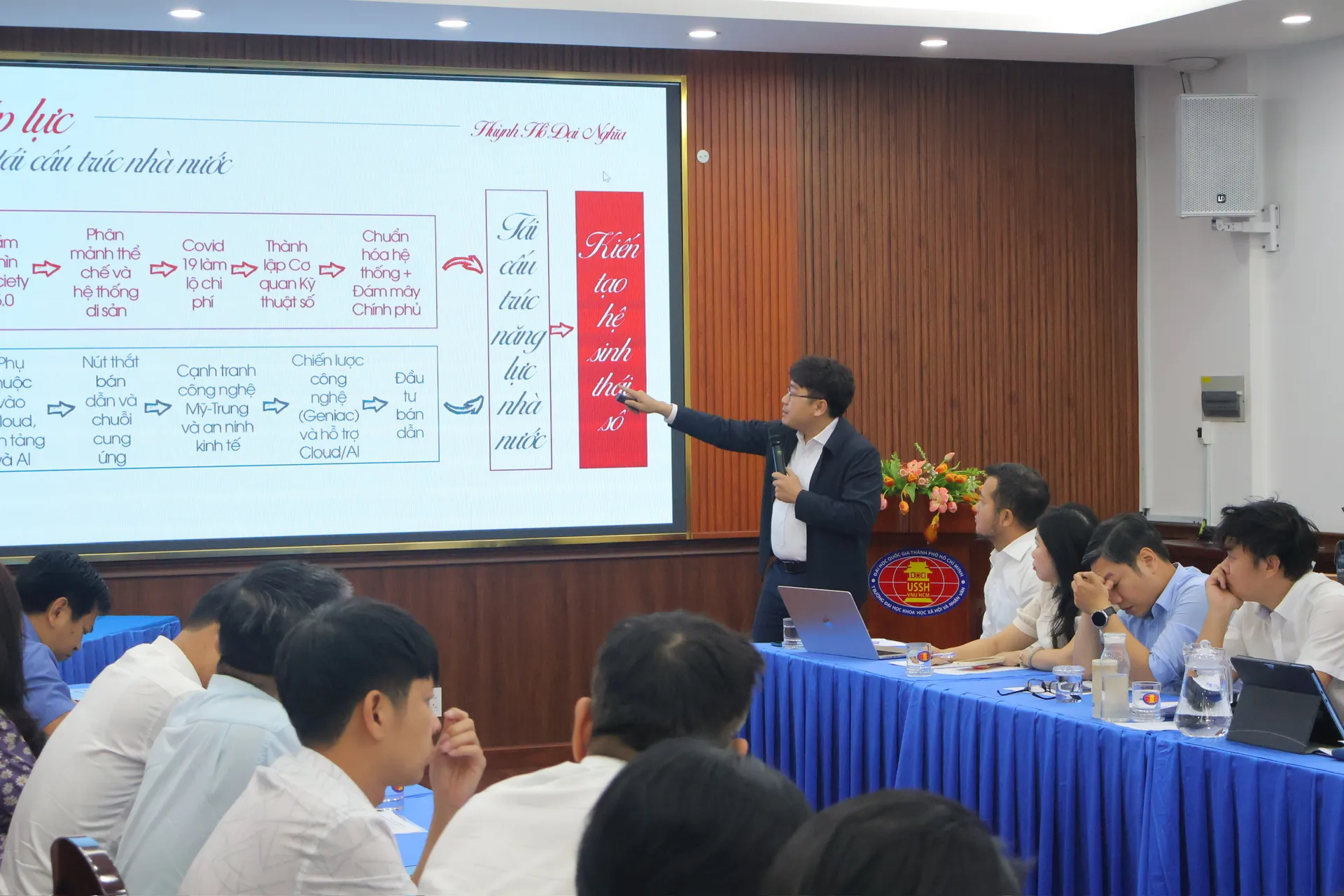
Photo: MSc. Huynh Ho Dai Nghia - Lecturer at the Faculty of International Relations
Looking at economic security, Dr. Nguyen Vu Ky, in the paper "Japan's digital capitalism from the perspective of economic security: From national policy to FOIP vision adjustment and implications for Vietnam", analyzed how Japan links technological development with the goals of ensuring security and strategic autonomy. Accordingly, Japan focuses on protecting digital infrastructure, promoting investment in semiconductors, cloud computing, and artificial intelligence, while adjusting the Free and Open Indo-Pacific (FOIP) vision in the face of technological and geopolitical changes. From this experience, Dr. Nguyen Vu Ky emphasized that Vietnam needs to link digital development with economic security, gradually moving from participating in the value chain to co-creating a technological ecosystem and maintaining strategic autonomy.
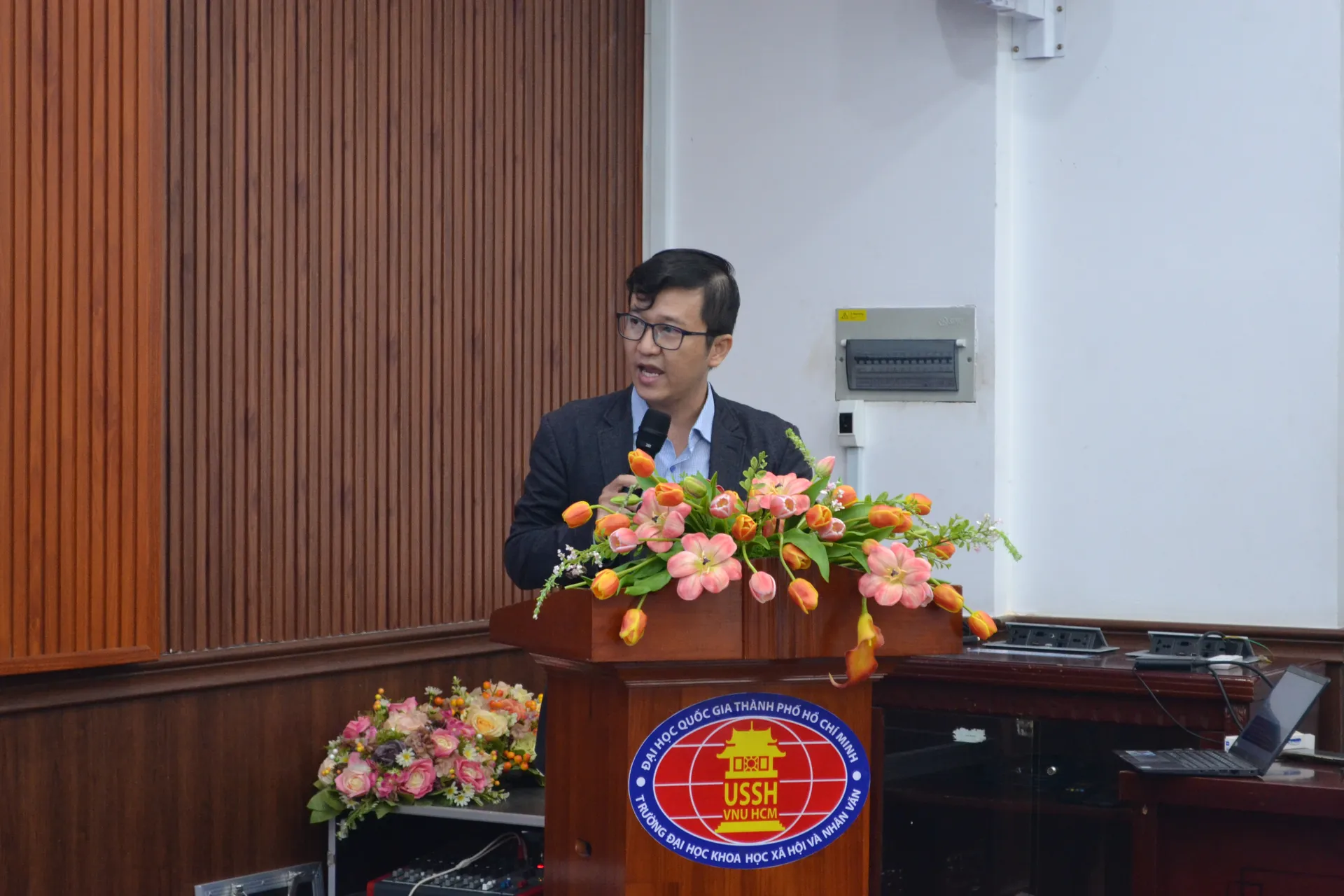
Photo: Dr. Nguyen Vu Ky - Deputy Director of the Faculty of International Relations
The discussion session was vibrant with many multi-dimensional opinions, focusing on clarifying the nature, characteristics, and impact of digital capitalism. Assoc. Prof. Dr. Do Thi Thuy emphasized the necessity of building a clear analytical framework, applying theories of production methods, production relations, and capital accumulation, while objectively evaluating both the achievements and limitations of the Japanese model when applied in Vietnam. Experts such as Assoc. Prof. Dr. Tran Xuan Hiep, Dr. Nguyen Tuan Khanh, and Dr. Nguyen Tang Nghi continued to raise issues about the role of the State, the relationship between the State and businesses, as well as the impact of AI and data on production relations, dependency, and social equity. Specifically, the comments suggested the need to clearly identify who holds the means of production, who benefits from the value created, and how Vietnam can apply international experiences appropriately to practical conditions.
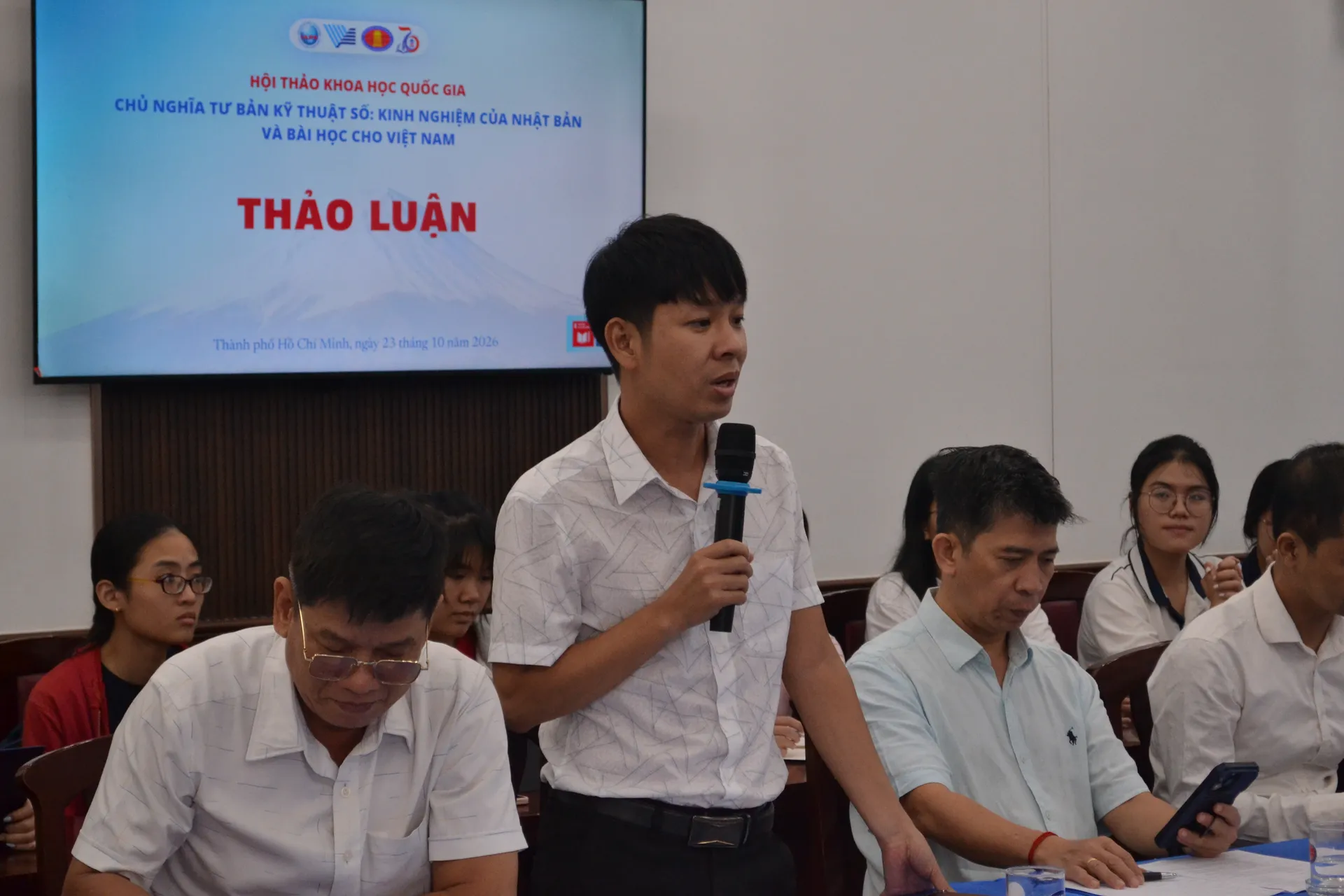
Photo: Assoc. Prof. Dr. Tran Xuan Hiep - The University of Danang - University of Science and Education
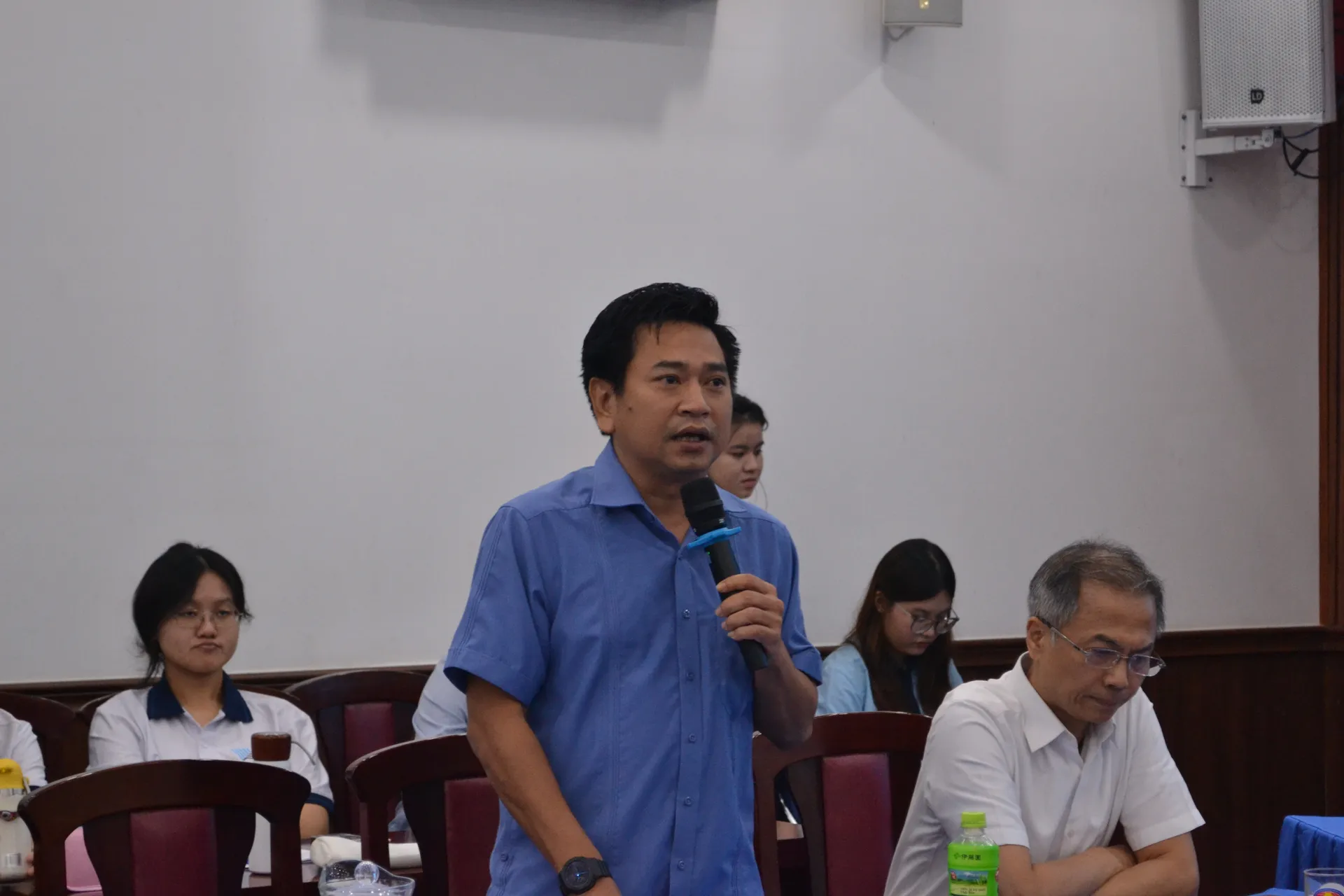
Photo: Dr. Nguyen Tuan Khanh - Lecturer at the Faculty of International Relations
Concluding the conference, Dr. Dang Xuan Thanh from the Vietnam Academy of Social Sciences emphasized the need to view digital capitalism from fundamental changes in productive forces and production relations, especially in the face of the strong development of Artificial Intelligence (AI). From raising core issues about data ownership, the role of large technology corporations, the distribution of surplus value, and the impacts on the working class, Dr. Dang Xuan Thanh raised the question of whether digital capitalism is just a new stage of capitalist development or is ushering in deeper changes in the economic-social formation. "Vietnam should not stand aside from these debates but must actively research and grasp the shifts to guide the digital economic development process" - Dr. Dang Xuan Thanh stated at the conference.
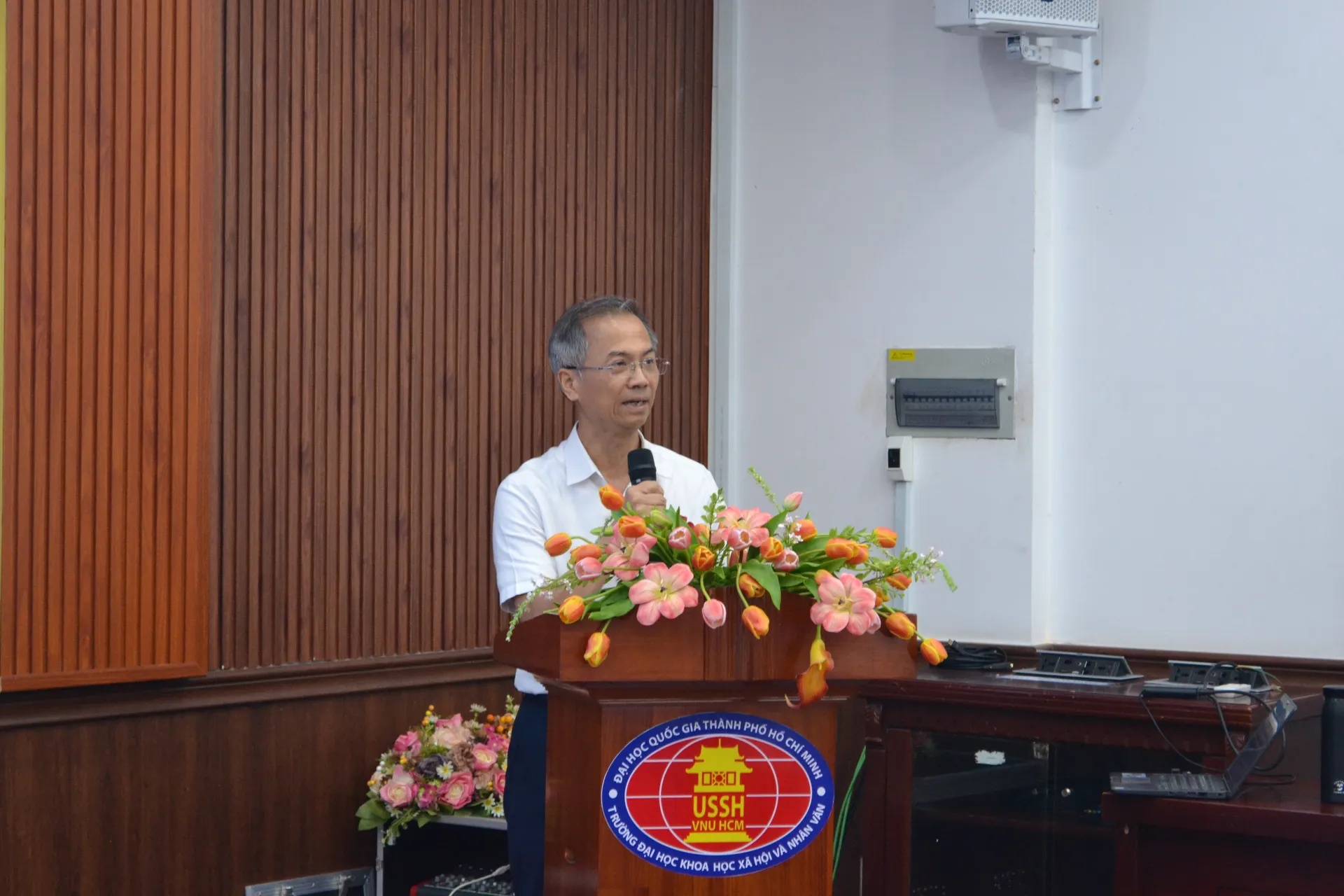
Photo: Dr. Dang Xuan Thanh - Vietnam Academy of Social Sciences
With multi-dimensional presentations and academic exchanges, the national scientific conference "Digital Capitalism: Japan's Experience and Lessons for Vietnam" contributed to clarifying the operating characteristics, the role of the state, and economic and social changes in the digital era. Thereby, the conference not only added a theoretical basis for the study of digital capitalism but also suggested important policy issues, helping Vietnam proactively adapt to technological development, enhance its autonomy, and shape an appropriate development strategy in the context of a transforming global economy.
Full photos here: here
—
📌 For any questions regarding the program, please contact:
▸ Department of International Relations: qhqt@hcmussh.edu.vn
📌 Update the latest information about the program at:
▸ Fanpage of the Department of International Relations: https://www.facebook.com/NganhQHQT/
Share:
Translated by: Vũ Hà Linh Phương
Updated at: 24/10/2026