The Research Center for Marine Studies and Climate Change Participate in the 2024 Coral Summer Camp at Cu Lao Cham Marine Protected Area, Hoi An (Quang Nam)
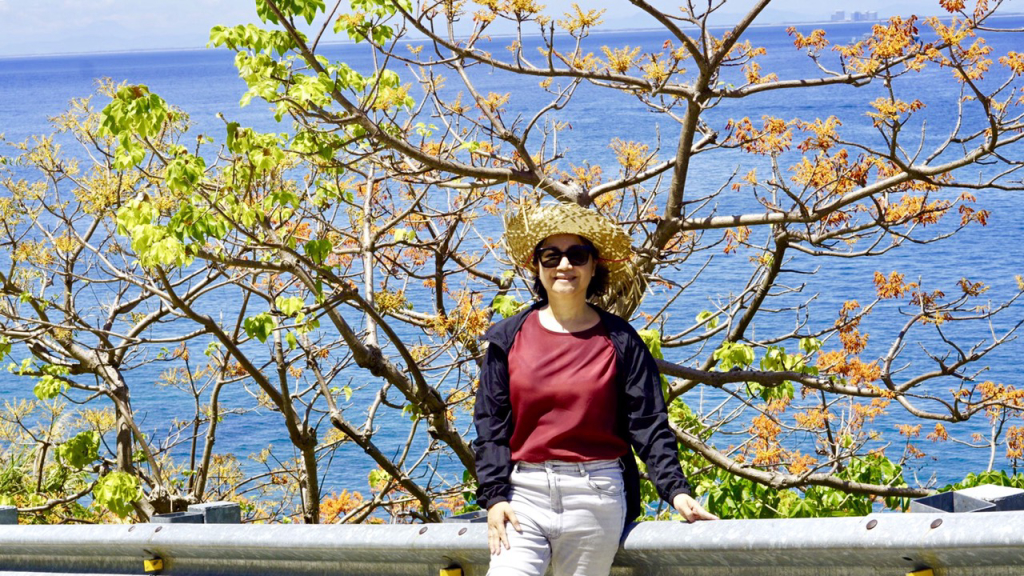
Dr. Pham Thi Bich Ngoc, Director of the Research Center for Marine Studies and Climate Change, shares her memorable experience at the 2024 Coral Summer Camp
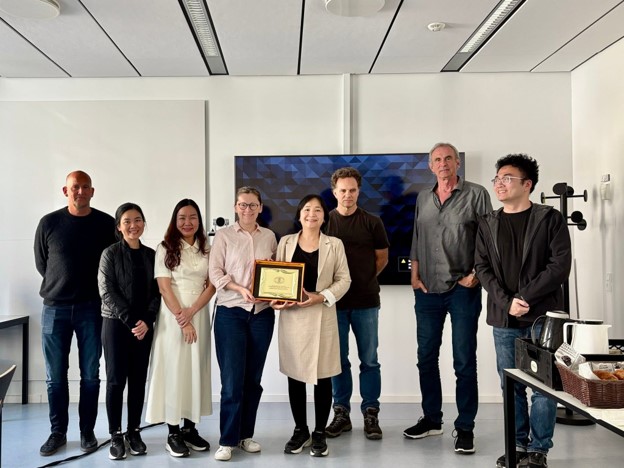
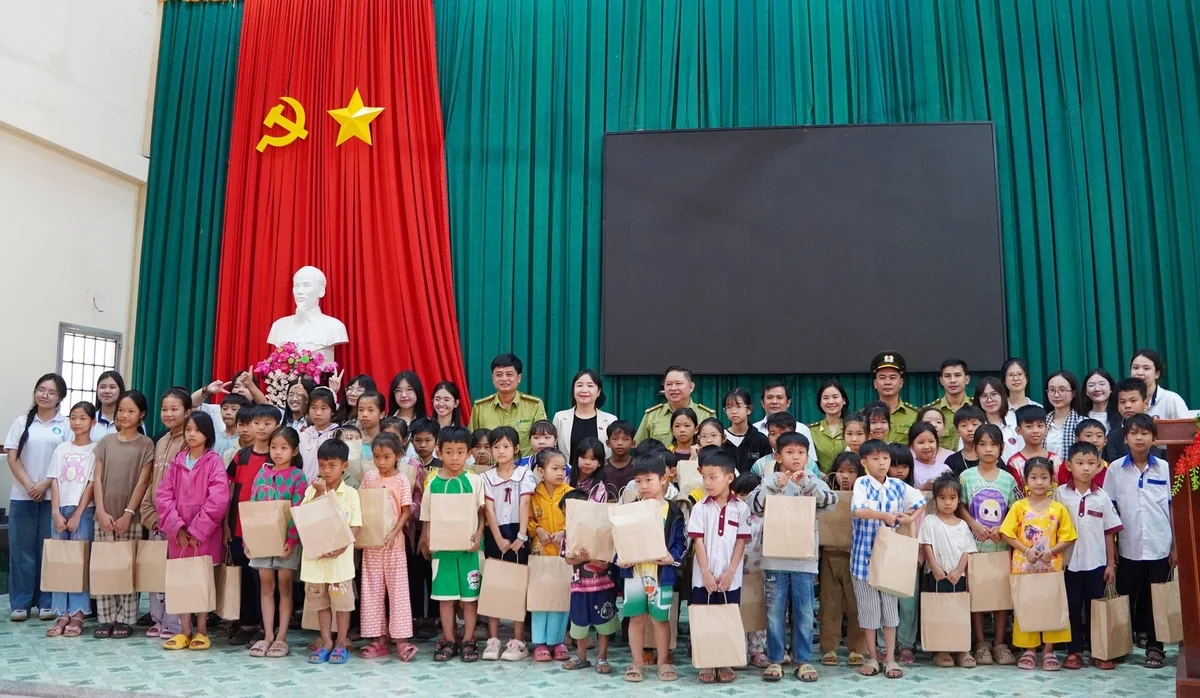
I am truly happy to have had the opportunity to join the Cu Lao Cham Marine Protected Area Management Board and the Hoi An Biosphere Reserve in the recent 2024 Coral Summer Camp. I would like to express my sincere gratitude to Mr. Thao, the staff of Cu Lao Cham MPA, and the entire organizing committee for their dedication in creating such a meaningful and fulfilling program.
The camp not only provided practical coral restoration experience for the marine ecosystem but also helped participants gain a deeper understanding of the culture, ecology, and the intimate connection between the forest and the sea, from mountain peaks to coral reefs, between nature and the unique cultural features in the cuisine, herbal remedies, and songs of the islanders. With a comprehensive and systematic approach, the organizers created a field trip that helped us better understand Cu Lao Cham and the heritage conservation efforts there. I believe this summer camp model has the potential to develop even more strongly in the future.
Memorable highlights of the program:
- A proud presentation by a 7th grader: At the Management Board's exhibition hall, we listened to a presentation about the Spiny Rock Crab and marine conservation efforts. What was special was that a 7th-grade student volunteered to give the presentation instead of the adults. Nothing is more touching than witnessing the future generation proudly introduce their homeland's ecosystem and the community's conservation efforts.
- The ancient Champa well and lessons about water: We visited and learned about the ancient well on the island, a unique Champa architectural work with an antibacterial ironwood system. This well never runs dry and, according to stories, can even cure seasickness and "prevent loneliness." We also heard about the importance of water for the islanders and the role of the forest in preserving water resources.
- Forest leaf tea - The essence of indigenous knowledge: We had the opportunity to listen to stories from a family with generations of experience in harvesting forest leaves. Cu Lao Cham forest leaf tea is a unique feature of the local culture, brewed from 40 different types of plants gathered from the island's forests. The tea is not only a familiar thirst quencher but also a valuable medicine that promotes health.
- "Banh it la gai" and culinary culture: We experienced the process of making Hoi An's "banh it" with a family that has been making it for three generations. Through this, we gained a deeper understanding of the connection between the ecosystem and the culinary culture of the people, especially the role of the Ramie plant - a familiar species on the island.
- Canh Dong Chua and the importance of groundwater: At Canh Dong Chua, we learned about the importance of protecting spaces to replenish groundwater with rainwater. This is a key location for providing water to the island.
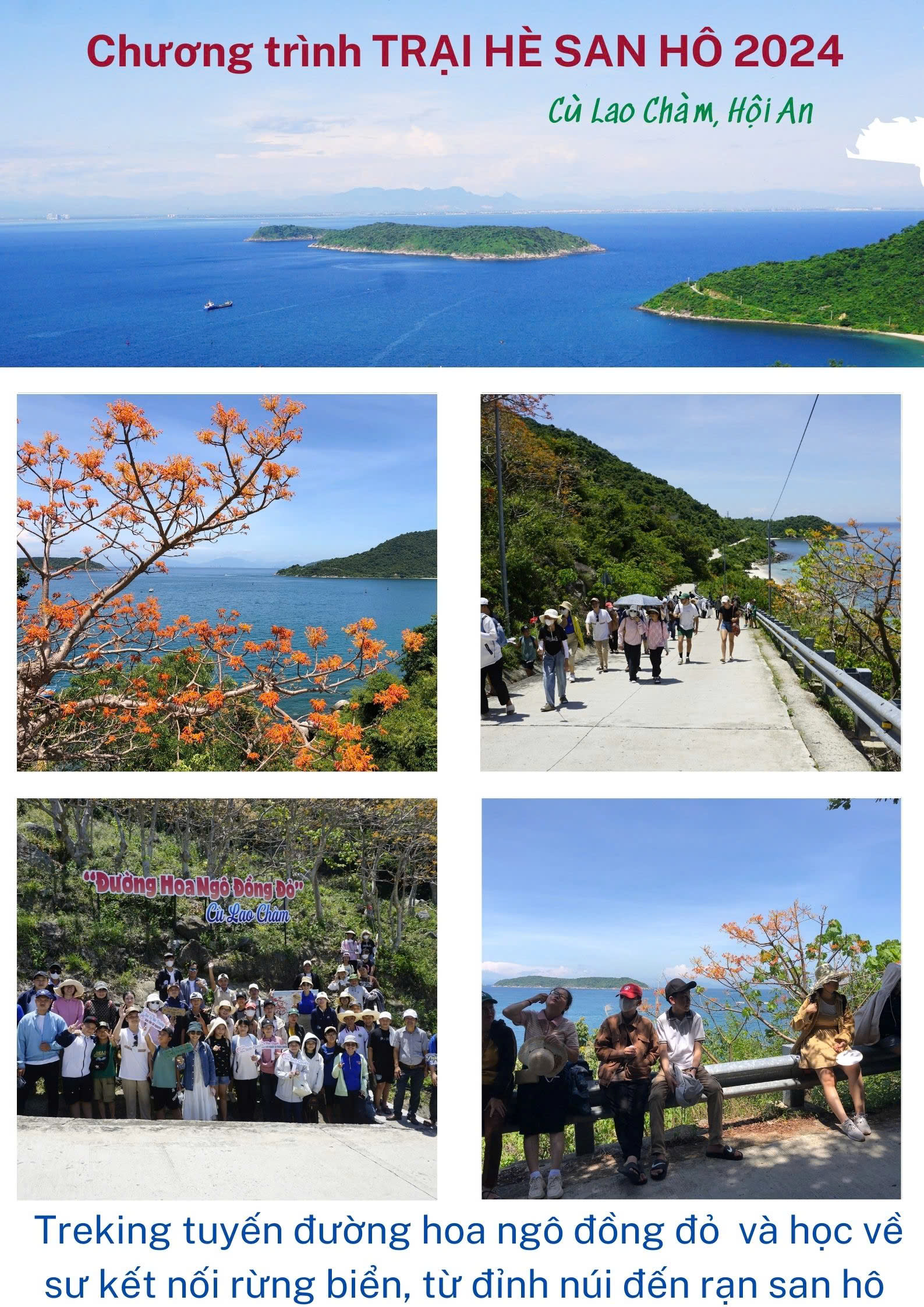
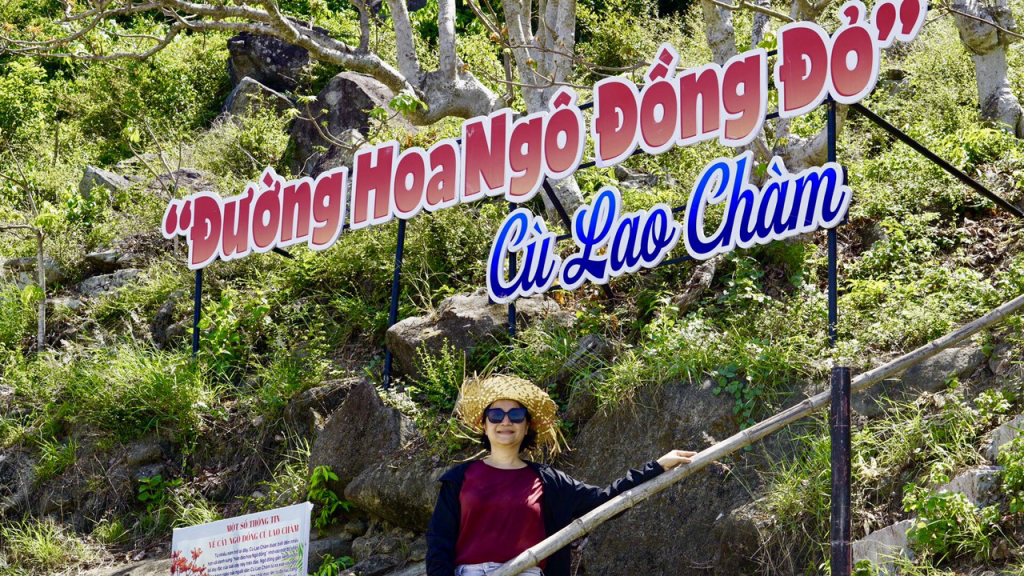
- Journey to explore the red cotton tree forest: We had an exciting journey discovering the forest ecosystem along the red cotton tree flower route. The vibrant beauty of these trees in full bloom, along with the panoramic view of the sea and forests of Cu Lao Cham, left a deep impression.
- Seafood and self-sufficiency: A meal with fresh seafood and wild vegetables was an opportunity for us to discuss the abundance of the island and the self-sufficiency of the people in the past.
- Coral planting - Action for the future: The main activity of the program was learning about coral, learning how to transplant and plant coral in the sea. The enthusiasm of the young people participating in this activity is a testament to the program's success.
- Resource recovery model and towards a green Hoi An: We visited the resource recovery facility and learned about projects that recycle waste into useful products. The particularly impressive thing was that the landfill on the island was very clean and had little odor, thanks to effective waste reduction, recycling, and sorting programs.
- Cu Lao Cham night and "bai choi" singing: We had a joyful evening of cultural exchange with the locals, enjoying "bai choi" - an intangible cultural heritage of Hoi An.
Journey exploring the forest ecosystem along the vibrant red cotton tree flower route. Source: Pham Thi Bich Ngoc
The 2024 Coral Summer Camp was an unforgettable experience that fostered a deeper appreciation for the nature, culture, and people of Cu Lao Cham among myself and the young participants. This meaningful program contributes to raising awareness about marine conservation and sustainable development. I hope the program will continue to be organized and expanded in the future.
News and photos: the Research Center for Marine Studies and Climate Change Office.