As part of the international research project "Climate Change Mitigation in Agroforest Landscapes through Sustainable Sourcing Policies" (CAFSUS), Dr. Pham Thi Bich Ngoc (Co-Principal Investigator of the project and Director of the Marine and Climate Change Research Program) and two PhD candidates from the program joined an internal project workshop at the University of Copenhagen, Denmark.
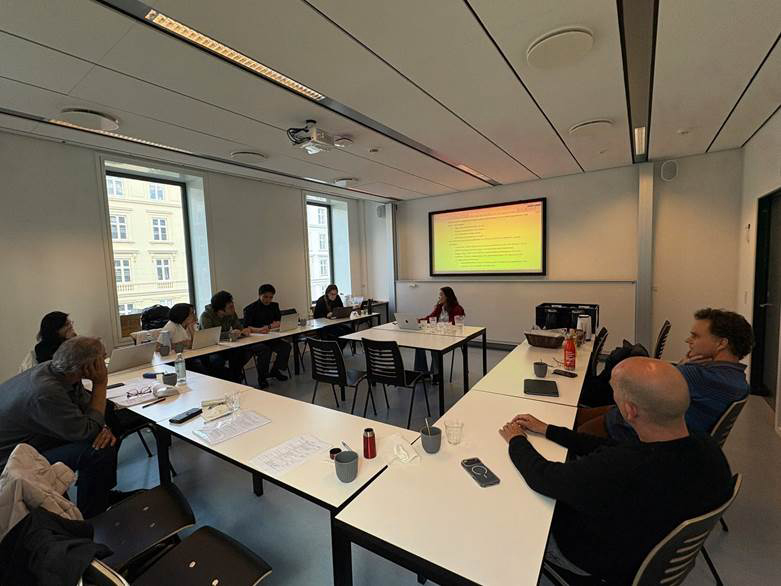
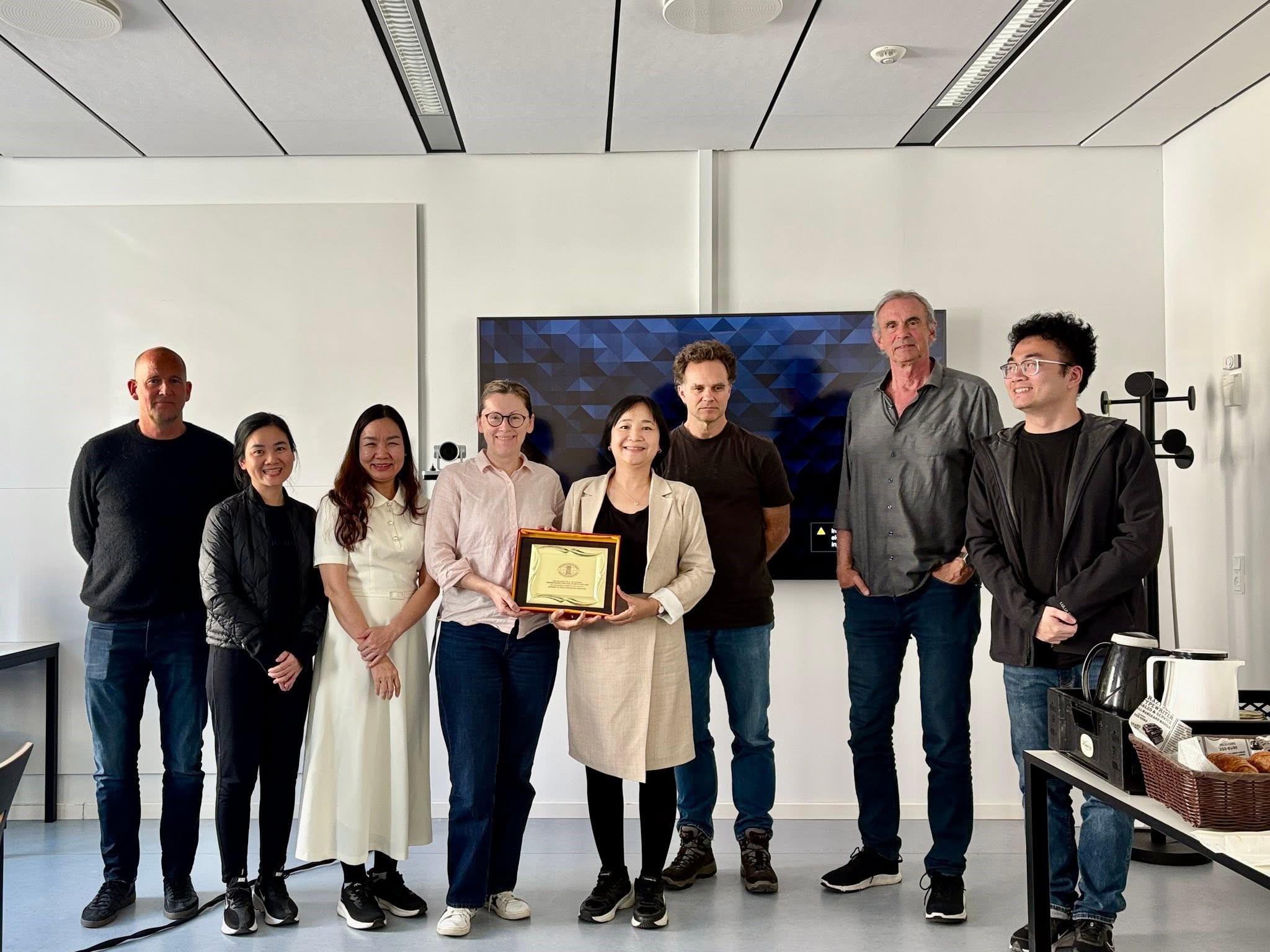
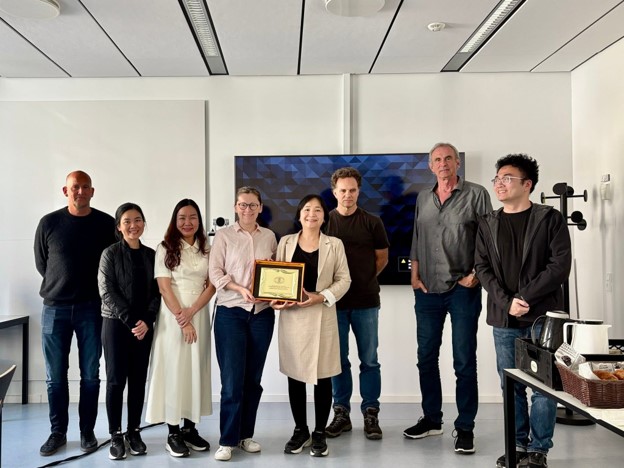
In the first week of May 2026, the CAFSUS project held an internal workshop at the University of Copenhagen, Denmark, to review two years of project implementation and align on the research plan for the next two years. The workshop was attended by Dr. Pham Thi Bich Ngoc (Co-Principal Investigator), PhD candidate Tran Thi Huong Thi Thuy Huong, and PhD candidate Do Quan Huy, members of Work Packages 3 and 4 from the University of Social Sciences and Humanities, Vietnam National University Ho Chi Minh City (USSH, VNU-HCM).
Participating in the workshop were professors from the University of Copenhagen, Denmark: Prof. Neda Trifkovic (Principal Investigator of the project, WP2), Prof. Niels Fold (WP3), and Prof. Rasmus Fensholt (WP1), as well as Prof. Jeffrey Neilson from the University of Sydney, Australia. In addition, members from Work Packages 1 and 2, representing the National Economics University (NEU) in Hanoi, included Prof. Tran Thi Bich, along with PhD candidates Pham Thi Nga and Nguyen Quoc Hung.
The CAFSUS project examines how Vietnam's coffee sector is adapting to the European Union's Deforestation Regulation (EUDR). Within this project, USSH leads Work Packages 3 and 4. Work Package 3 focuses on the adaptation of Vietnam's coffee value chain within the global value chain in response to the new EUDR requirements, while Work Package 4 investigates how Vietnam's environmental governance is adapting to this new regulatory landscape.
The workshop provided an opportunity for project members not only to share, exchange feedback, and review research findings across the different work packages, but also to align on plans for joint international publications and the project's upcoming activities.
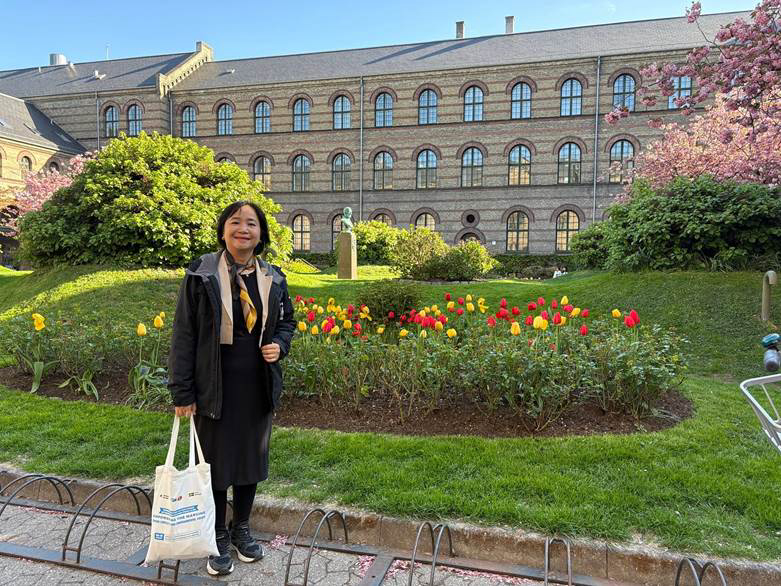
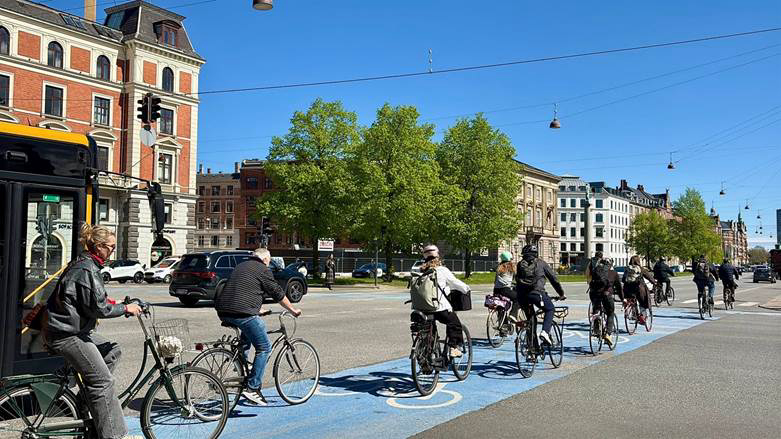
The city of Copenhagen left a strong impression on the research team, with its abundance of parks and cultural landmarks. What stood out most, however, was the sheer volume of bicycles on the road. Cycling accounts for roughly half of all transportation in the city and benefits from dedicated bike lanes. For distances of up to 15 km, Danes will typically choose to cycle whenever weather permits. This experience offered the team valuable insight into Denmark's approach to national energy policy, long-term vision, and environmentally friendly ways of life.
Conducting this research activity directly at the University of Copenhagen, USSH (VNU-HCM), and NEU also provided a valuable opportunity to deepen mutual understanding of culture, daily life, and people across institutions, further strengthening the collaborative relationship among the partner universities in the project, and laying the groundwork for expanded research cooperation among leading universities in the region and around the world.
The Office of the Marine and Climate Change Research Program