CAFSUS project - Participated in the Workshop “Promoting Public–Private Cooperation: The EUDR and Sustainable Transition”
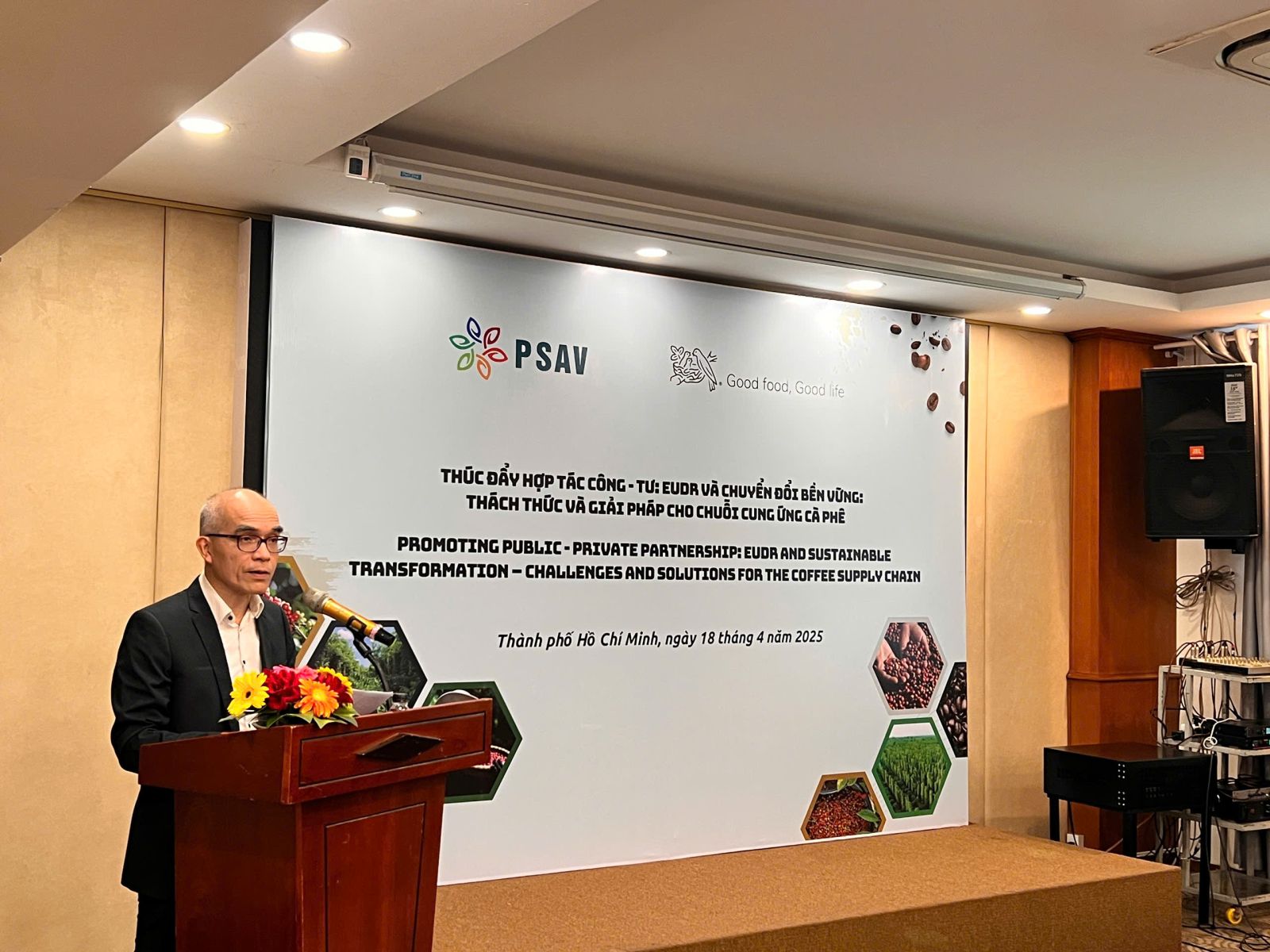
On April 18, 2025, representatives from Research Center for Marine Studies and Climate Change, University of Social Sciences and Humanities, Vietnam National University Ho Chi Minh City (USSH, VNU-HCM), participated in the training workshop entitled “Promoting Public–Private Cooperation: The EUDR and Sustainable Transition” jointly organized by GIZ, IDH, and their partners, concluded successfully with the participation of representatives from the Ministry of Agriculture and Rural Development (MARD), domestic enterprises, international organizations, and the CAFSUS project group. The event aimed to support Vietnam’s preparedness for the implementation of the European Union Deforestation Regulation (EUDR), with a particular focus on the coffee sector—one of Vietnam’s key export commodities. Under the EUDR, any product exported to the EU market must demonstrably not be linked to deforestation and must be traceable to a legal cultivation area, verified through GPS coordinates, polygon maps, and legal documentation on land use rights.
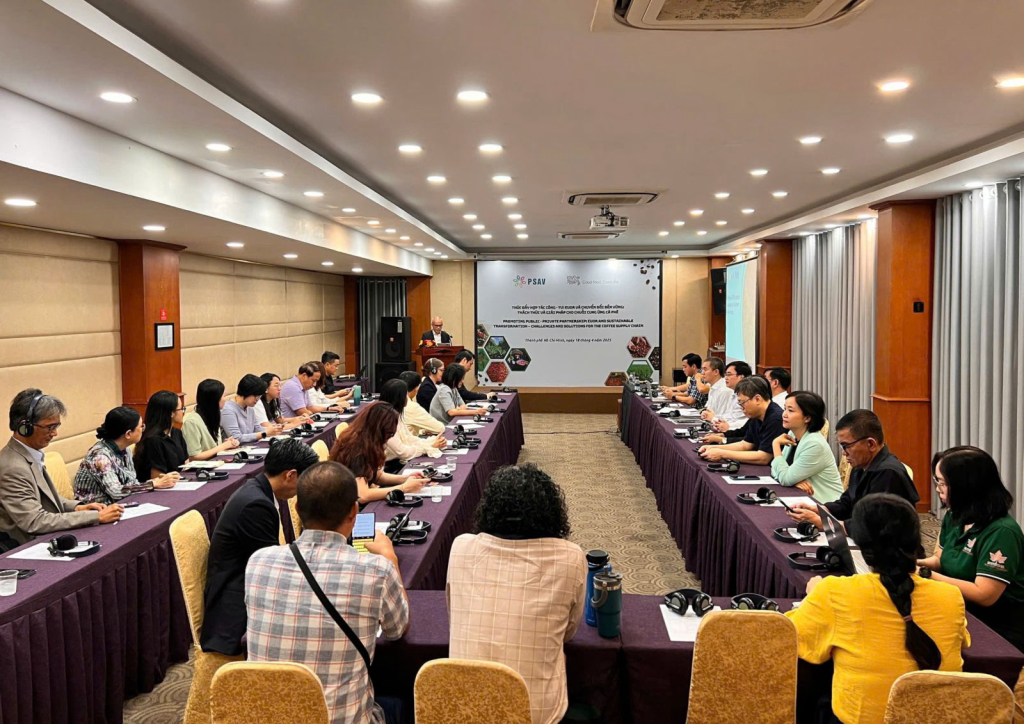
Overview of the Workshop “Promoting Public–Private Cooperation: The EUDR and Sustainable Transition”
The workshop served as a platform for open dialogue among government agencies, businesses, and civil society organizations. Representatives from the Department of Forestry and the Forest Protection Department emphasized that the majority of Vietnamese enterprises are small and medium-sized, lacking the technical and financial resources to independently meet the stringent requirements of the EUDR. Furthermore, the national data systems on forests, land, and cultivation areas are still under development and face issues of fragmentation and poor inter-agency integration, making the traceability process highly challenging. In addition, cadastral data remains incomplete in certain localities, with many farmers lacking land use certificates or owning small, scattered plots with undefined boundaries—thus complicating the task of legally verifying and geo-referencing the required traceability information.
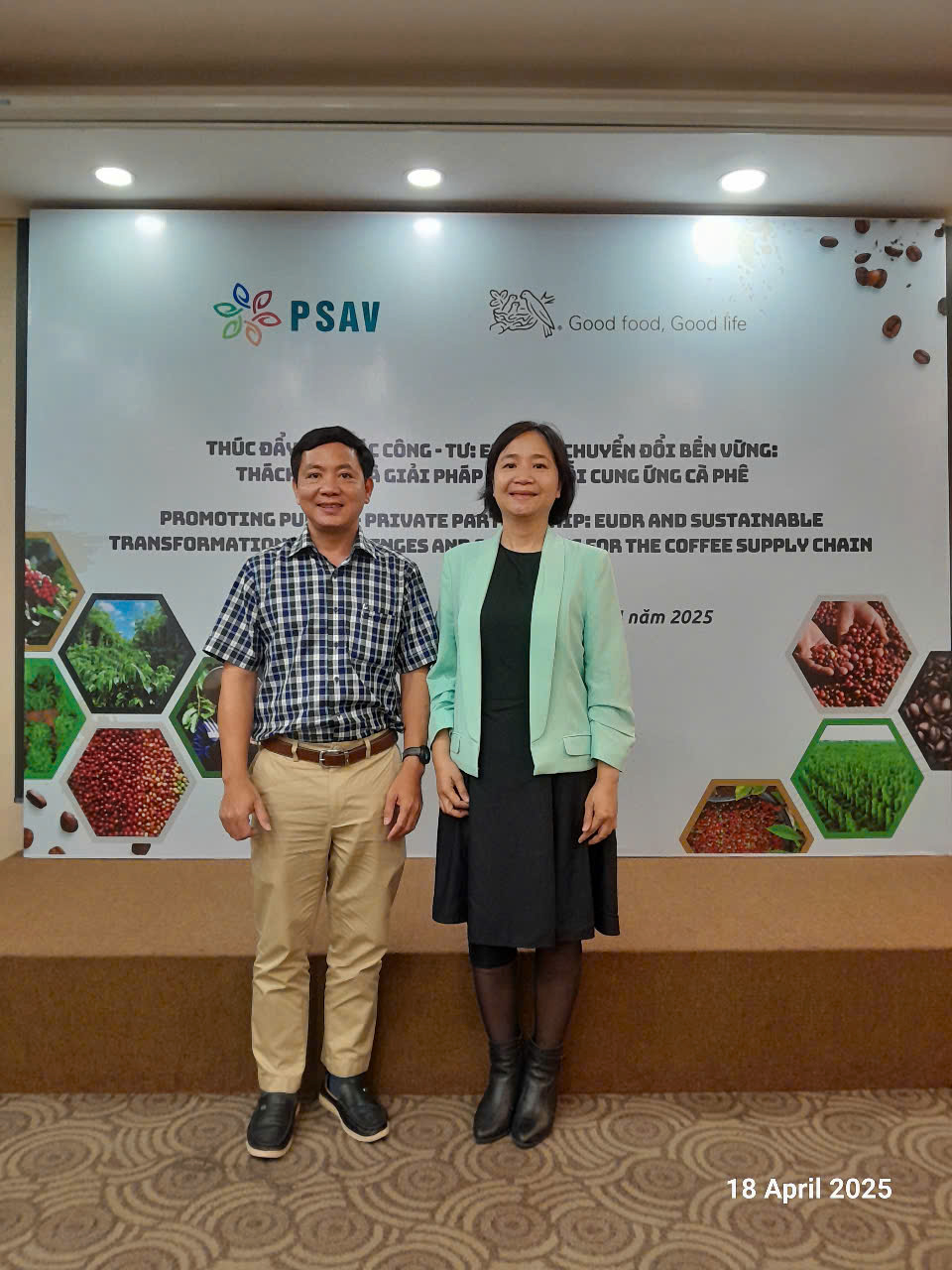
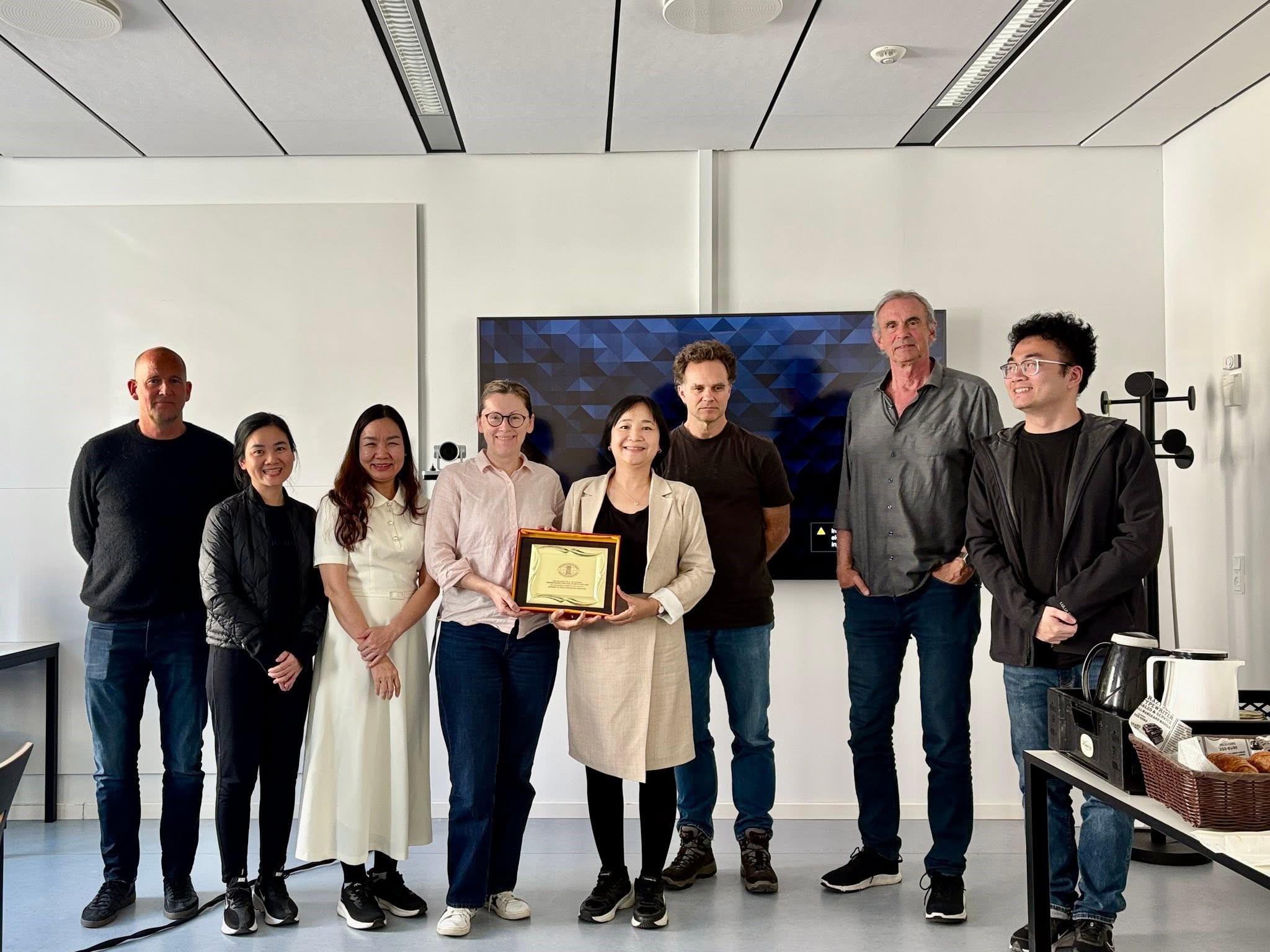
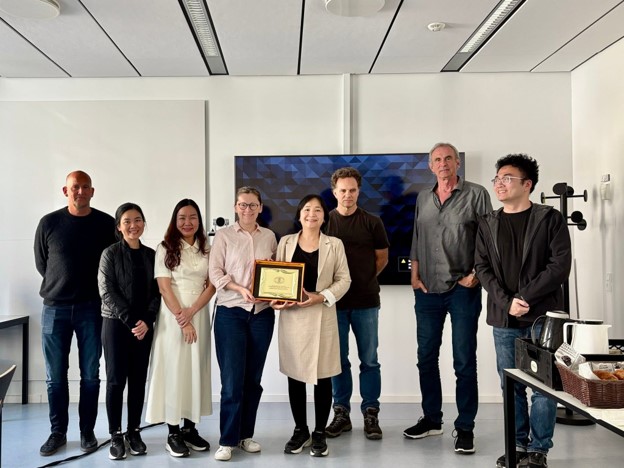
Dr. Pham Thi Bich Ngoc Attended the Workshop
An IDH representative reported on a pilot initiative to develop a cultivation area database in 40 communes across Đắk Nông and Lâm Đồng provinces. This system integrates digital maps containing information on current forest status, deforestation risk, and cultivation dynamics. However, the implementation process has encountered both technical and institutional challenges. Exporting companies often lack access to official cadastral data, while cooperatives and local aggregators generally lack the capacity to independently collect and standardize cultivation data. The absence of a formal data-sharing mechanism allows a single farmer to provide information to multiple stakeholders, resulting in duplicate GPS entries, overlapping datasets, and inefficient resource use throughout the supply chain.
JDE Group—one of the world’s largest coffee roasters—shared their practical experience in preparing for EUDR compliance. According to a company representative, JDE collaborated with IDH, local governments, and a global non-governmental organization to collect and verify cultivation area data. Through this multi-stakeholder effort, 161 high-risk cultivation sites associated with deforestation were identified and excluded from the supply chain. This case demonstrates that, with transparent data, traceability and risk control are entirely feasible. However, the representative also warned that unless Vietnam expedites the development of a robust data system and appropriate verification procedures, there is a significant risk of being classified by the EU as a “high-risk country.” This classification would subject Vietnamese enterprises to more complex inspections, increased costs, and potential loss of competitiveness in the European market.
A key topic of discussion during the workshop was the establishment of a unified national database platform capable of integrating information from enterprises, social organizations, and state management agencies. Technology firms such as Ecotech2a and Tavina are currently developing applications that support data collection from farmers, synchronize GPS and polygon coordinates, and enable plot-level traceability. However, these companies acknowledged that the effectiveness of such technological solutions hinges on strong consensus and collaboration among all stakeholders. In many localities, commune-level authorities still lack clear understanding of their responsibilities under the EUDR framework. Some officials have not received adequate training, and farmers remain largely uninformed about the regulation and wary of sharing personal data. Even local aggregators—key intermediaries in the supply chain—often perceive EUDR compliance as the sole responsibility of exporters and are reluctant to proactively engage.
In light of these challenges, experts at the workshop proposed several concrete recommendations. First, Vietnam must rapidly complete a comprehensive national database on forests, land, and cultivation areas, with clearly designated management responsibilities, regular updates, and transparent access rights for relevant stakeholders. Second, the Ministry of Agriculture and Rural Development and its technical departments should issue detailed guidance to help enterprises and local authorities assess risks, ensure traceability, and compile compliant documentation. Third, communication, training, and capacity-building efforts should be intensified at the commune and village levels, where direct interaction with farmers takes place, in order to enhance awareness and implementation capacity. Fourth, a clearly defined public–private cooperation mechanism should be established, wherein businesses contribute data and financial resources, the government provides legal backing and centralized coordination, and international organizations offer technical support and independent oversight.
Participants reached consensus that, while the EUDR poses significant challenges, it also presents a critical opportunity for Vietnam’s coffee sector to undergo a comprehensive transformation in governance, information transparency, and value enhancement. Compliance with EUDR not only meets EU market demands but also aligns with global consumption trends that increasingly prioritize sustainability, social responsibility, and environmental protection. If Vietnam succeeds in building a transparent, consistent, and easily accessible data system, it will possess a strategic advantage in asserting the international standing of Vietnamese coffee in the post-EUDR era.
Source: Do Quang Huy