
Fostering Forest Conservation through Sustainable Ecotourism Development
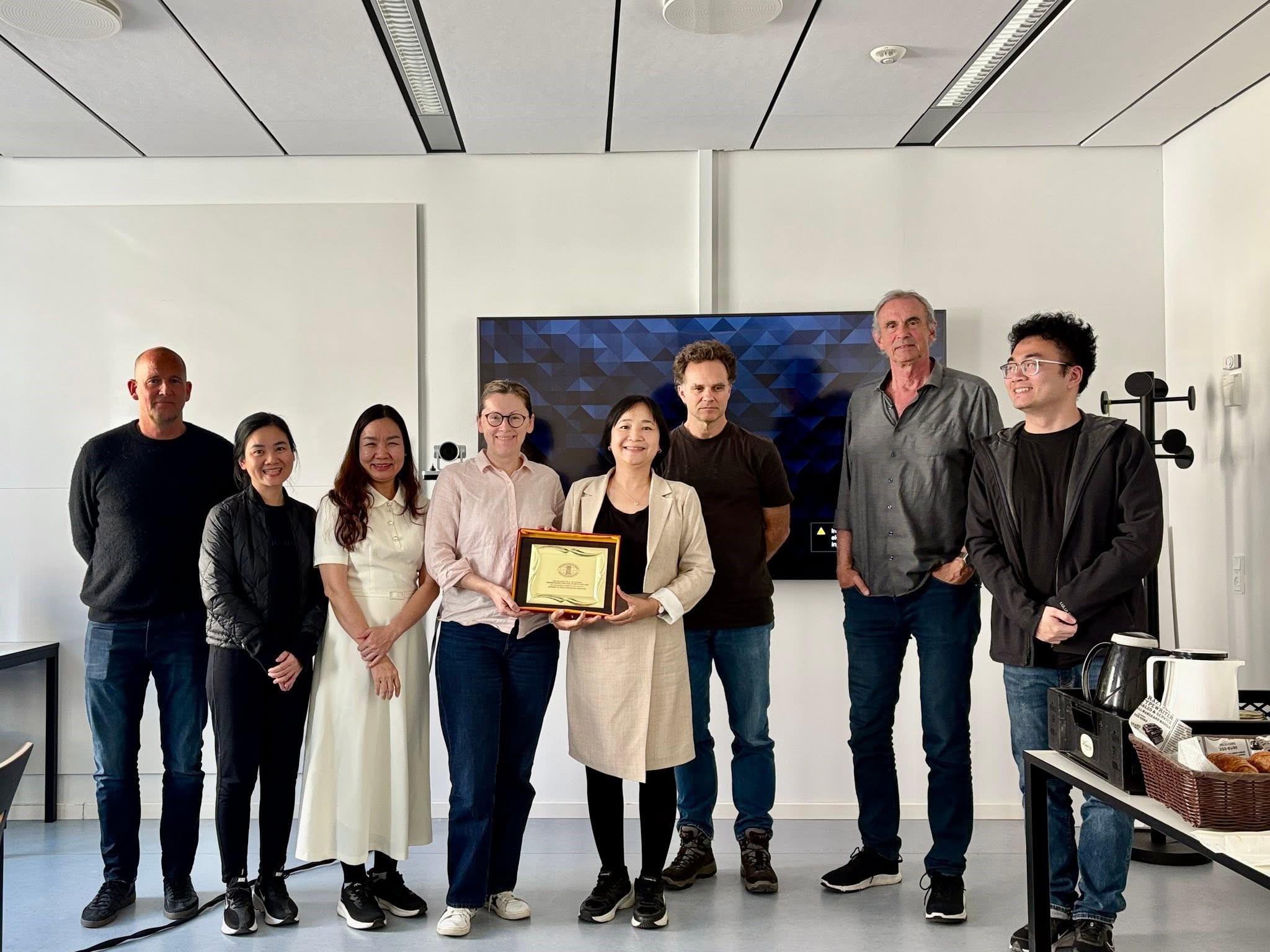
The Program on Marine and Island Research and Climate Change under the Institute for Social Sciences and Humanities Research, University of Social Sciences and Humanities (USSH), conducted a field visiting at the Dong Nai Nature and Culture Reserve to explore and promote forest conservation initiatives linked with sustainable ecotourism development.
The delegation included the Program Director, PhD candidates from USSH, and international partners currently collaborating with the Program, along with the leader of Dong Nai Nature and Culture Reserve. This activity was implemented as part of the VNU100 – Service Learning 2025 initiative titled “International Communication Support for Forest Protection and Ecotourism Development.”
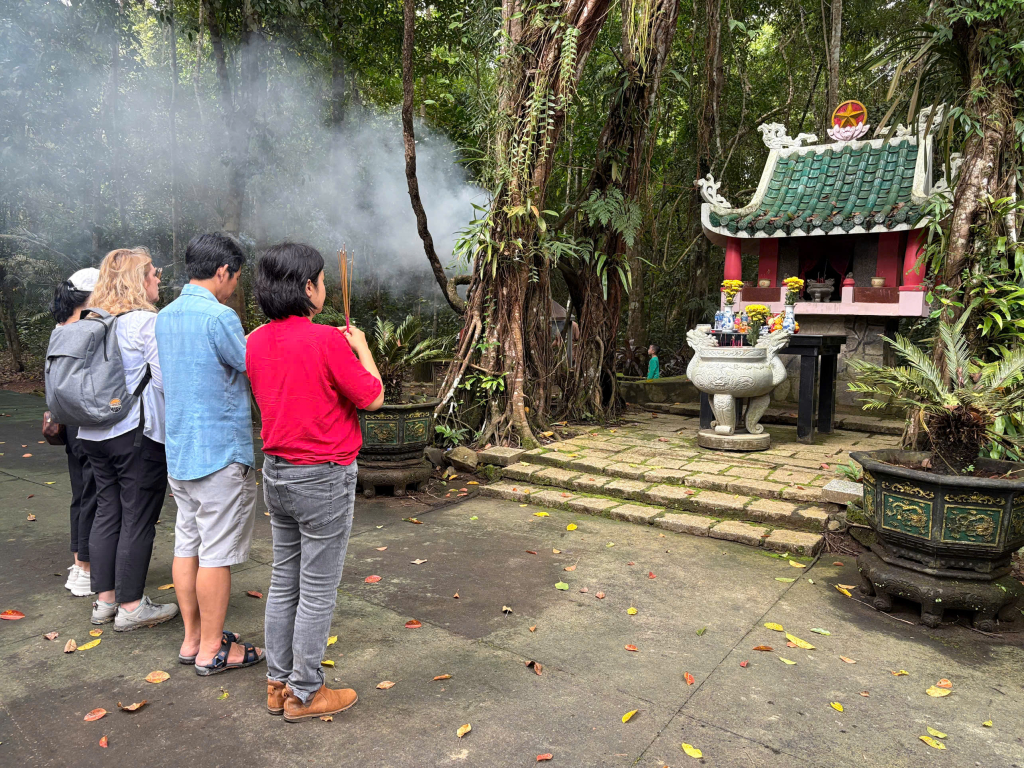
Figure 1. The team in the Dong Nai Nature and Culture Reserve.
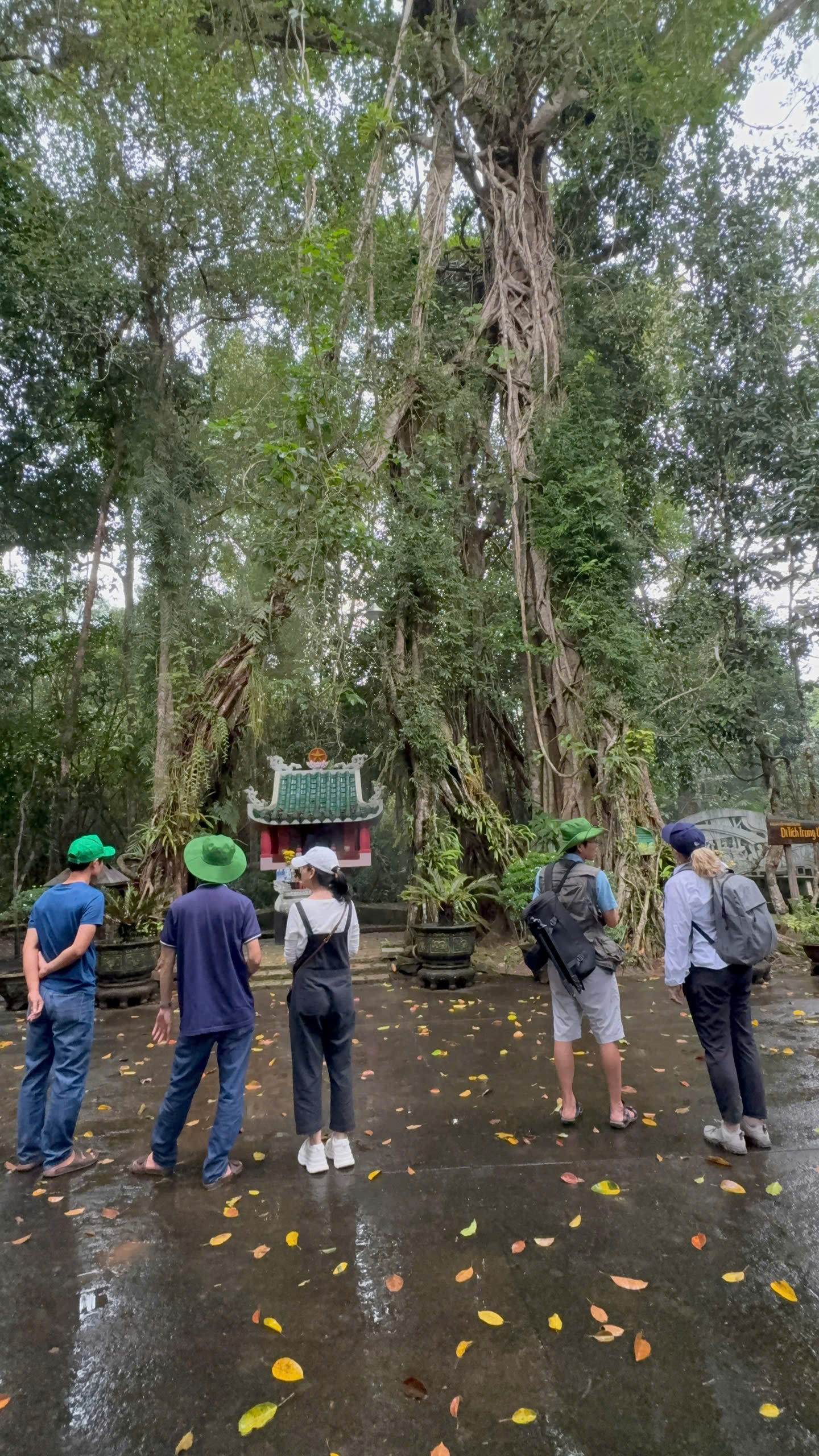
Developing ecotourism in forested and buffer zones requires strong collaboration among local authorities, scientists, local communities, businesses, and visitors. The Dong Nai Nature and Culture Reserve, forming the core of the Dong Nai UNESCO World Biosphere Reserve (recognized in 2011), stands as one of Vietnam’s leading examples of biodiversity conservation, home to over 600 plant species and nearly 1,900 animal species, including the country’s only herd of wild elephants living entirely within national borders.
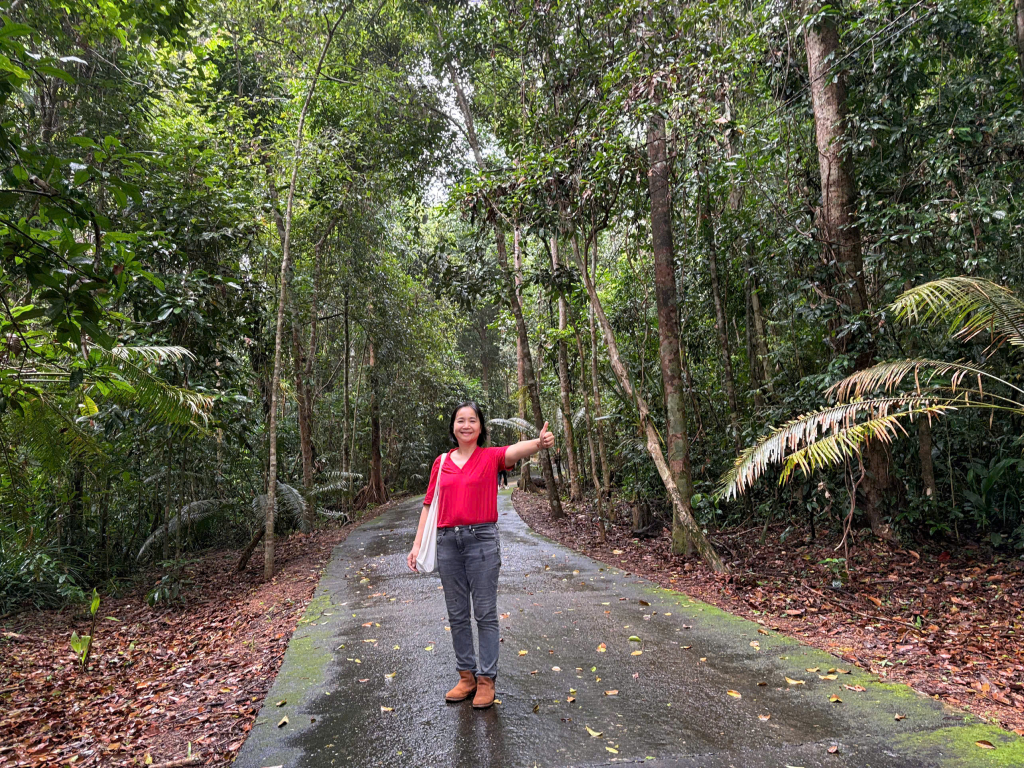
Figure 2. In the forest
Beyond its rich natural resources, the reserve preserves the distinctive cultural identity of the Choro ethnic community and important historical and revolutionary sites, such as the Southern Central Command Base and the Ma Da Martyrs Cemetery. These cultural and historical assets provide valuable resources for developing ecotourism routes that reflect the region’s heritage and identity.
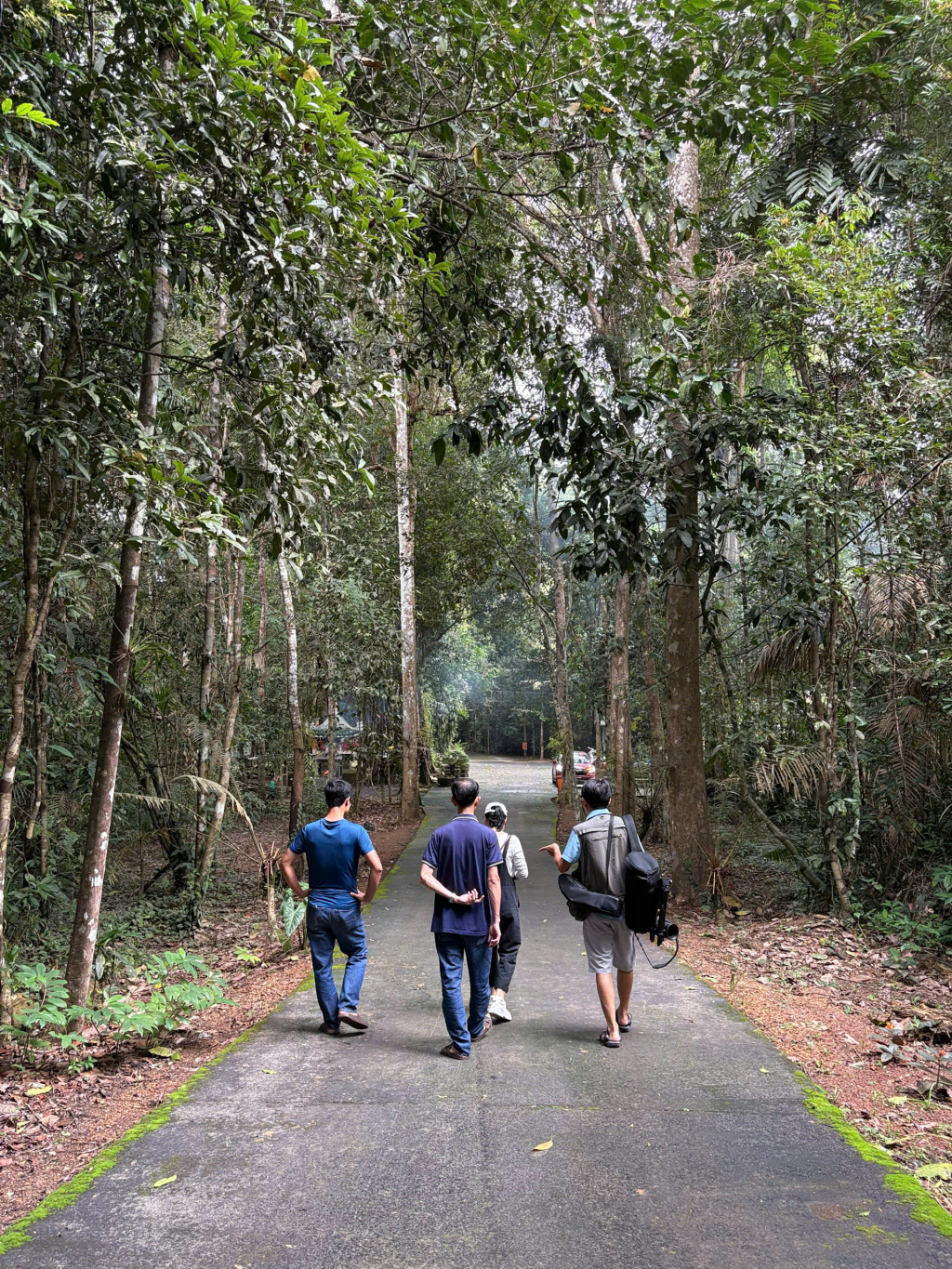
Figure 3. Fieldtrip in in the Dong Nai Nature and Culture Reserve
The program aims to enhance research cooperation, foster multi-stakeholder partnerships, and promote international collaboration in education, forest conservation, and ecotourism. At the same time, it contributes to community awareness, strengthens forest conservation efforts, and advances sustainable ecotourism development as an effective response to climate change.
Source: Program Office