International students choose Vietnamese lecture halls: Morning studying Vietnamese, afternoon teaching Korean
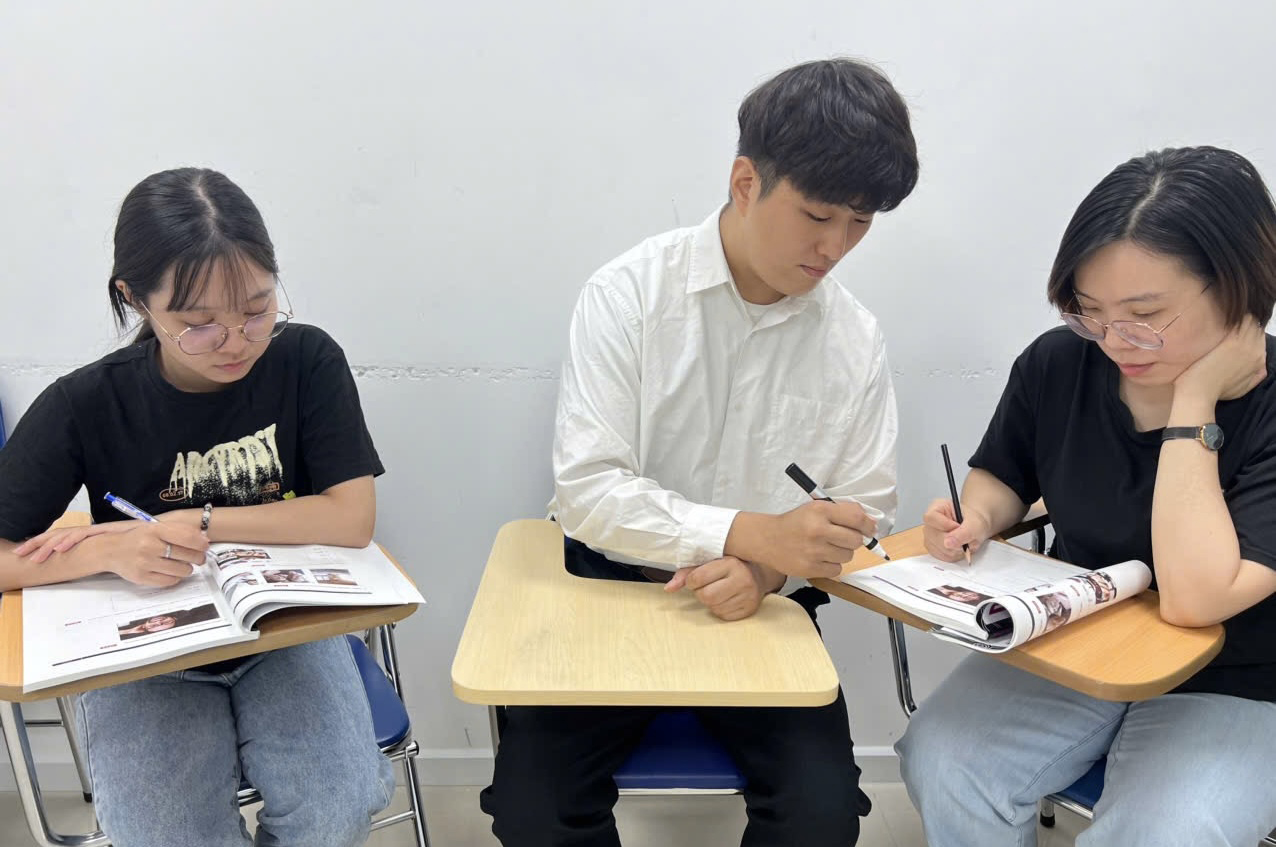
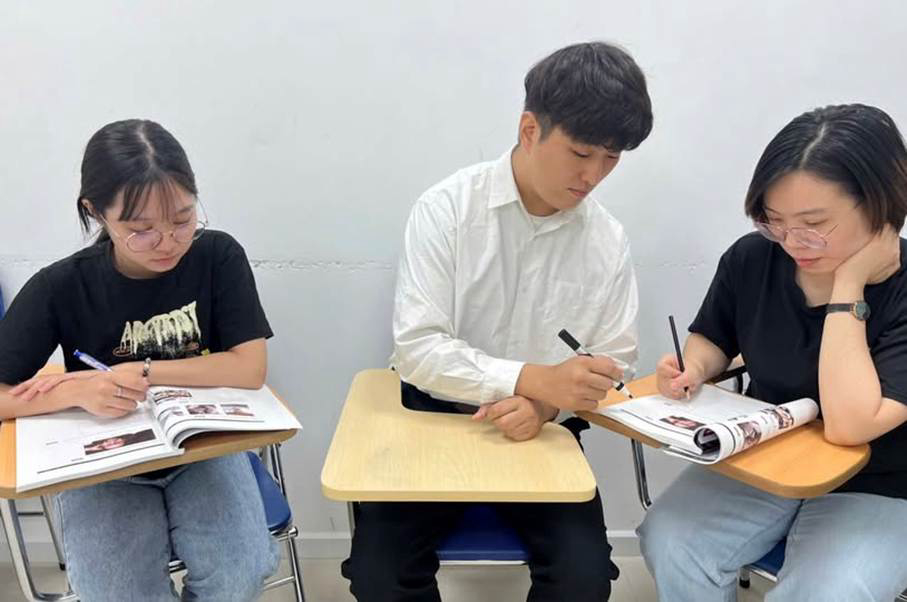
On a Sunday afternoon as usual, Ahn Ki Beom (23 years old, from South Korea), currently majoring in Vietnamese Studies at the University of Social Sciences and Humanities, Viet Nam National University Ho Chi Minh City, begins his Korean language teaching session for Vietnamese students at a center. His slow, clear, and articulate voice resonates steadily.
Arriving in Vietnam in 2024, Ki Beom chose to major in Vietnamese Studies because he saw the potential for cooperation between the two countries. He shared that an interesting point about learning Vietnamese is that there are many Sino-Vietnamese words, so those familiar with Sino-Korean characters can guess the meaning just by looking at them.
Vietnamese grammar is also quite simple, without morphological changes like English or Korean, relying mainly on adding words, making it easy to apply. However, the most difficult part is speaking naturally because colloquial speech differs from textbooks, along with the tone system; the wrong tone changes the meaning (ma - má - mà - mả…).
Some subjects are challenging for him, but in return, he tries to communicate in Vietnamese every day and has improved very quickly. Studying Vietnamese Studies helps him gain a deep understanding of the language and culture, and understand how Vietnamese people think, live, and behave.
To cover his living expenses, Ki Beom tutors Korean; the class is organized in a parallel model where a Vietnamese teacher is in charge of grammar, and he focuses on practicing communication.
He prioritizes getting students to listen and speak through interactive games rather than dry lectures. "The more vocabulary you have, the easier it is to listen and speak, and this teaching method helps students remember words quickly, making learning more comfortable and engaging," Ki Beom said. With an income of about 200,000 VND/hour, teaching about three classes per week, tutoring helps him support his family in covering tuition fees.
Throughout his teaching journey, Ki Beom always remembers a "miraculous connection" in Da Nang. After accidentally sharing his travel plans in an online class, he was unexpectedly invited to dinner by a student he had never met as soon as he arrived.
That sincere hospitality became a beautiful memory for him about the Vietnamese people. For Ki Beom, the affection of his students is the "sweet fruit" and his greatest motivation to strive in his tutoring work.
By combining study and work, he frequently uses Vietnamese in teaching and daily life, allowing Ki Beom to maintain a GPA of 8.75/10, while many students he tutors have achieved good results in Korean proficiency exams.
(Source: https://tuoitre.vn/sinh-vien-quoc-te-chon-giang-duong...)