Exchange program between China Youth University of Political Studies and the University of Social Sciences and Humanities, Viet Nam National University Ho Chi Minh City: expanding connections and enhancing exchanges between students of the two countries
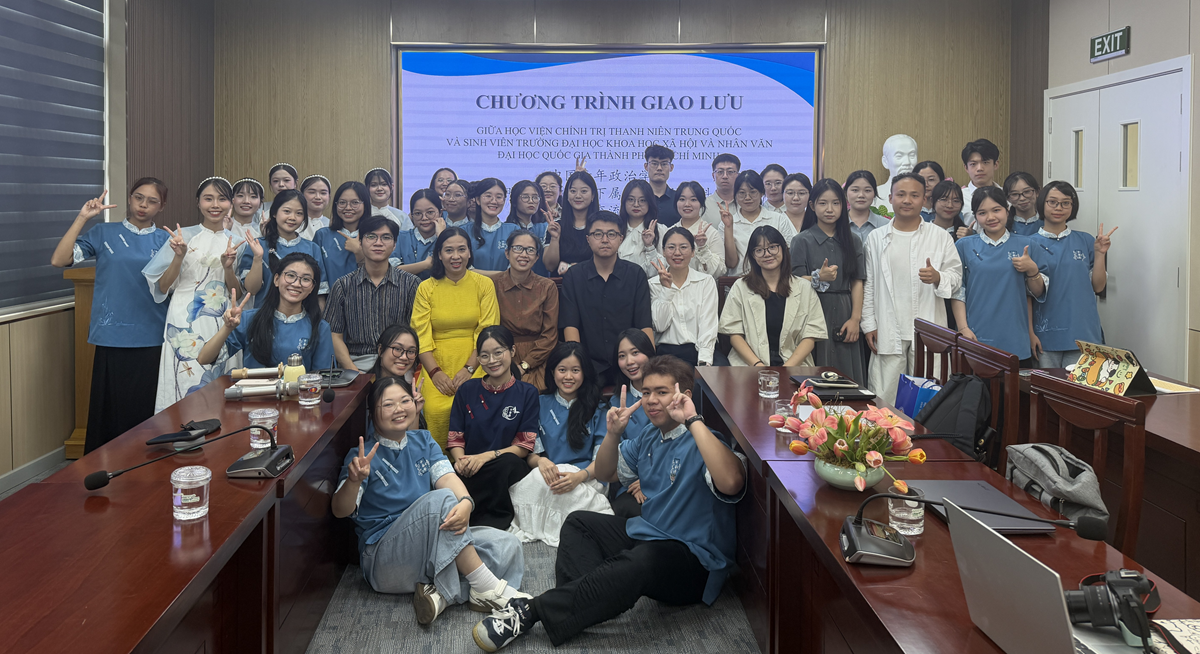
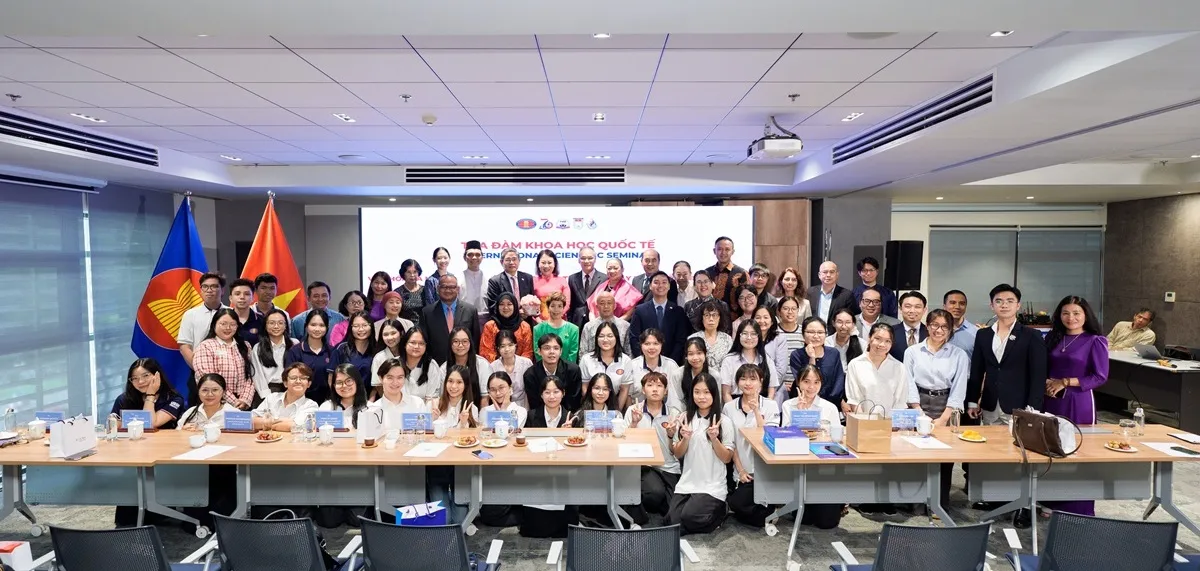
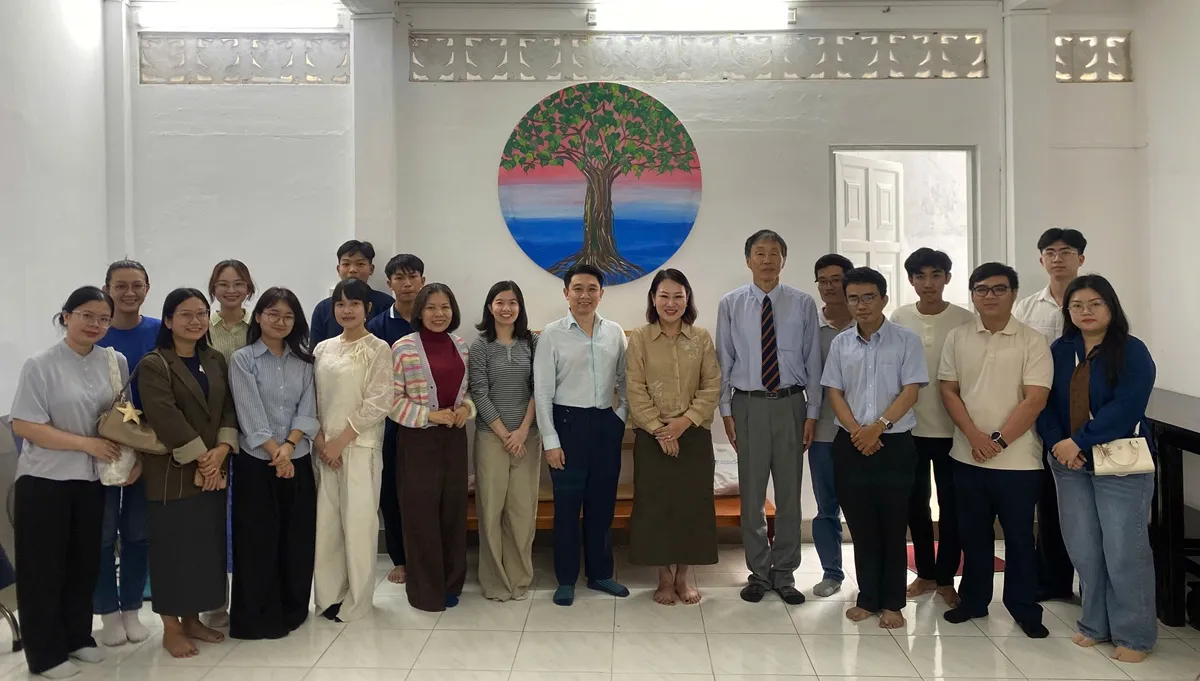
On the afternoon of August 24, 2026, the Chinese Studies Section, Faculty of Oriental Studies, University of Social Sciences and Humanities, Viet Nam National University Ho Chi Minh City was assigned to organize an exchange program with the China Youth University of Political Studies in an intimate and academic atmosphere. The program was an opportunity for lecturers and students from both sides to meet and share perspectives on education, culture, and the lives of young people, thereby contributing to enhancing understanding and connection between Vietnamese and Chinese youth.
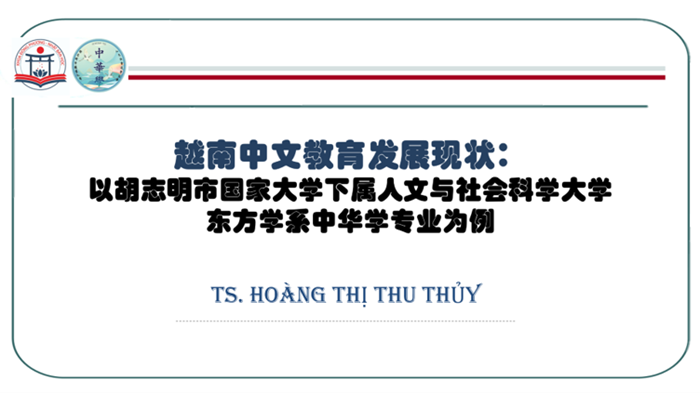
Opening the exchange, Head of the Chinese Studies Section, Faculty of Oriental Studies - Dr. Hoang Thi Thu Thuy presented a topic on “Current status of Chinese language education development in Vietnam - using data from the Chinese Studies section, Faculty of Oriental Studies, University of Social Sciences and Humanities, Viet Nam National University Ho Chi Minh City as a case study”. The presentation helped Chinese students gain more perspectives on Chinese language training and Chinese studies in Vietnam in general, while also introducing prominent features in the training and development process of the section in particular.
Within the framework of the activities, students from the China Youth University of Political Studies brought many presentations with rich content, focusing on diverse aspects of digital cultural dissemination and the lives of contemporary Chinese youth.
The topics shared ranged from “中国文化‘新三样’扬帆出海” (Chinese culture's “three new products” go global), revolving around the spread of online literature, web dramas, and online games, to “从线上种草到线下参与” (From online interest to offline participation) exploring how young people approach and participate in disseminating traditional culture through digital platforms and practical activities.
In addition, the students introduced other aspects of Chinese youth cultural life, such as the development of “er ci yuan” and interest-based communities, the form of “da zi social networking” in contemporary life, as well as how the younger generation uses new media to refresh and continue the values of traditional festivals.
Through the above topics, students from both sides had more opportunities to learn about new manifestations of Chinese culture, how young people approach and spread cultural values in modern life, as well as forms of connection and cultural activities that young people are interested in.
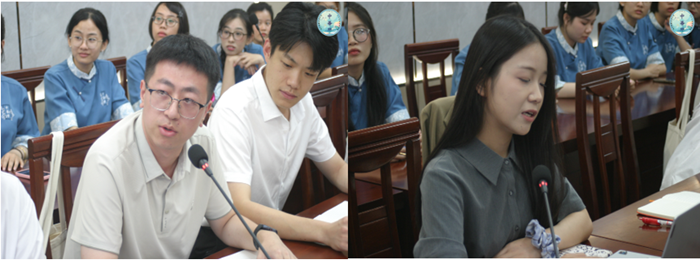
A highlight of the exchange was the Q&A session between lecturers and students from the Faculty of Oriental Studies and the student delegation from the China Youth University of Political Studies. From the content shared, students from both sides asked questions, exchanged, and discussed issues related to history, culture, and academics, creating an open and friendly atmosphere between students from both sides.
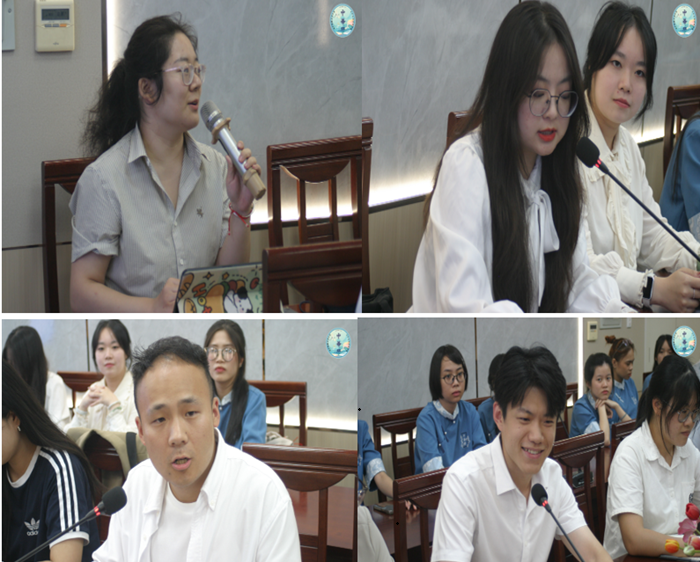
Through the program, students from both sides not only had more opportunities to access new knowledge and perspectives but also directly met, interacted, and learned about each other. The exchange activities on education, culture, and contemporary life contribute to broadening understanding of the society and people of each country, while also creating close connections between the young generations of Vietnam and China.
Some other photos at the exchange:
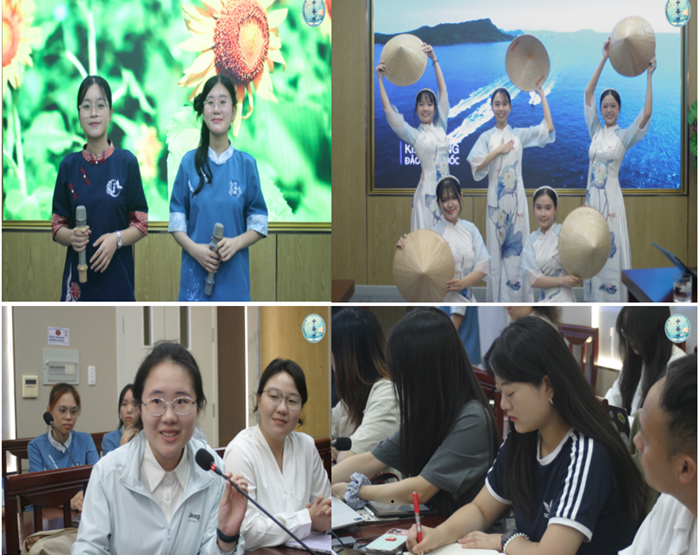
Chinese Studies Section