CULTURE AND PEOPLE-TO-PEOPLE DIPLOMACY – BRIDGES CONNECTING THE ASEAN COMMUNITY TOWARDS THE 2045 VISION
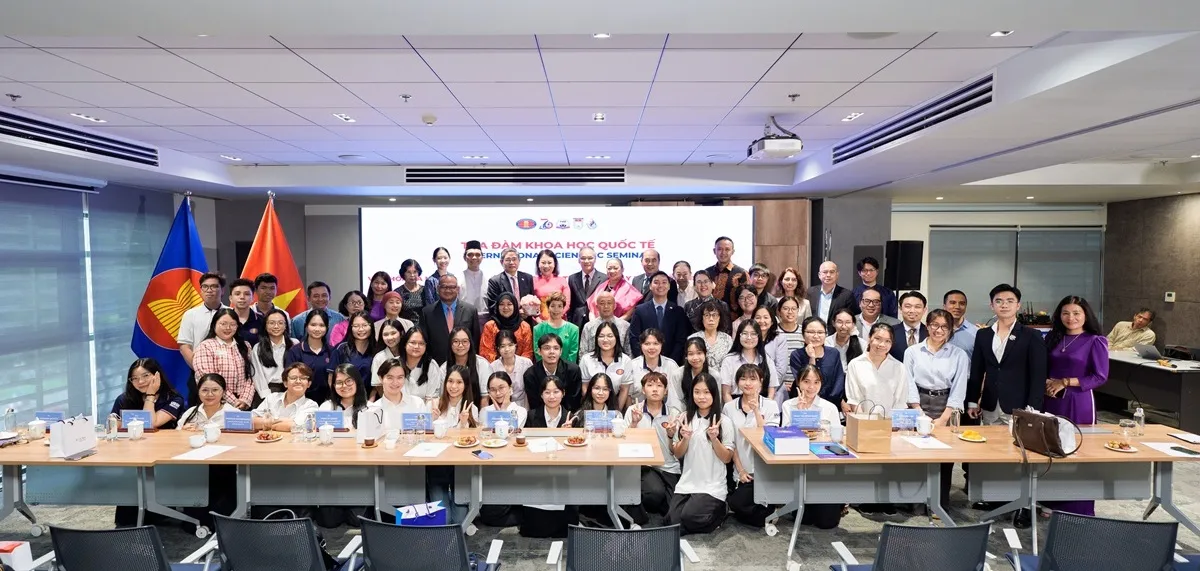
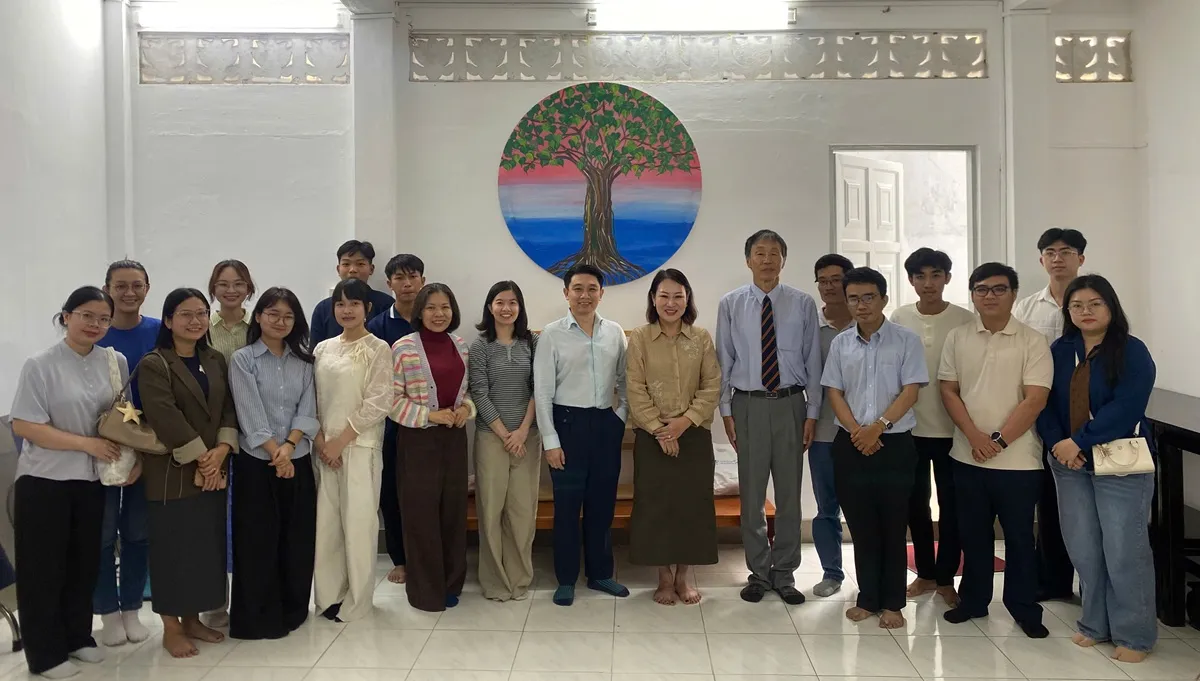
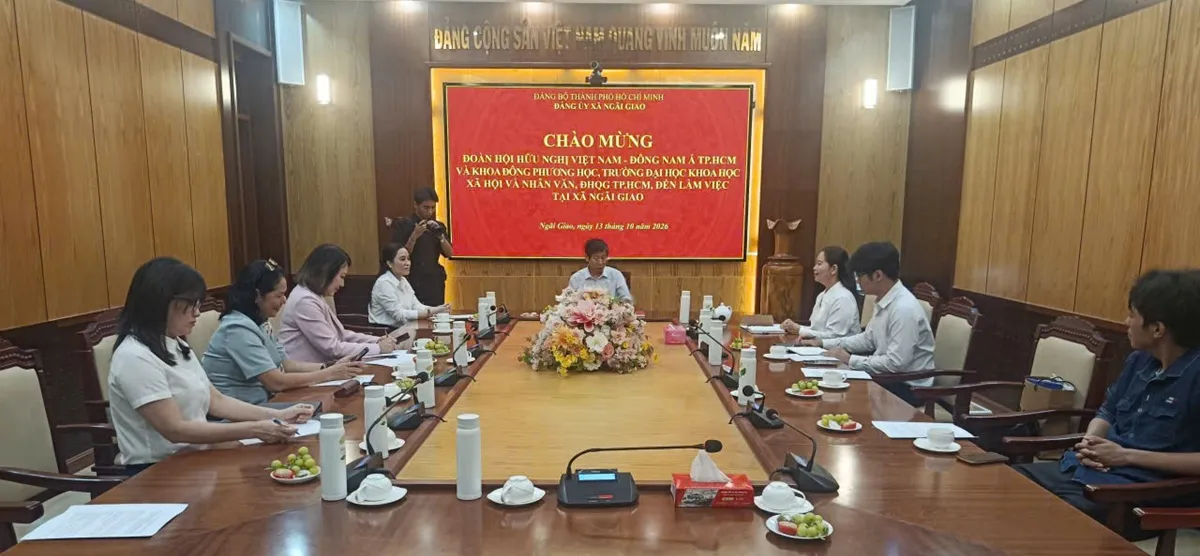
On October 23, 2026, in Ho Chi Minh City, the Ho Chi Minh City Union of Friendship Organizations (HUFO), the Ho Chi Minh City Viet Nam – Southeast Asia Friendship Association (VAFA), and the Faculty of Oriental Studies, University of Social Sciences and Humanities, Viet Nam National University Ho Chi Minh City, co-organized a seminar on culture, people-to-people diplomacy, and the process of building the ASEAN Community towards the 2045 Vision. The program gathered diplomats, experts, researchers, representatives of friendship organizations, lecturers, trainees, and students, creating a forum to exchange views on the role of culture and people-to-people diplomacy in building a cohesive, inclusive, and sustainable ASEAN Community.
The seminar was organized in the context of ASEAN entering a new phase of development, implementing the ASEAN Community Vision 2045, aiming to build a resilient, dynamic, creative, sustainable, and people-centered community. Notably, in Viet Nam, the Prime Minister issued Decision No. 155/QD-TTg dated January 20, 2026, approving the Action Program to implement the ASEAN Socio-Cultural Community Strategic Plan in Viet Nam for the 2026–2035 period.
The decision emphasizes the need to raise awareness and promote ASEAN identity, boost cultural and educational exchanges, strengthen connectivity among the people of member states, and uphold the proactive and creative role of organizations and communities in the regional integration process. This serves as an important policy foundation, affirming the practical significance and timeliness of the seminar, while highlighting the connection between research, training, international cooperation, and people-to-people diplomacy with the long-term development orientations of Viet Nam within the ASEAN Community.
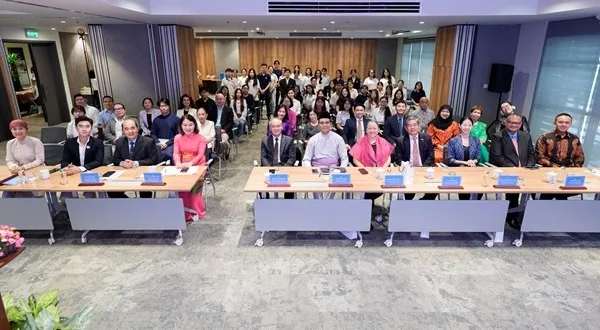
In his opening remarks, Mr. Ho Xuan Lam – Permanent Vice President of the Ho Chi Minh City Union of Friendship Organizations, emphasized the role of people-to-people diplomacy in strengthening solidarity, friendship, and understanding between the people of Viet Nam and the people of ASEAN countries. As the region moves toward long-term development goals, cultural exchange activities, community connectivity, and knowledge sharing become increasingly significant, contributing to consolidating the social foundation for cooperative relations between member states.
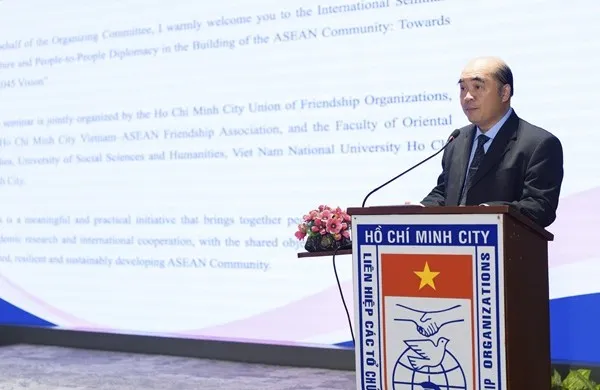
Delivering welcoming remarks at the program, Dr. Phan Thanh Dinh – Vice President of the University of Social Sciences and Humanities, Viet Nam National University Ho Chi Minh City, highly appreciated the significance of strengthening the connection between the university, diplomatic agencies, friendship organizations, and the community. The seminar contributed to expanding the space for knowledge exchange, promoting intercultural understanding, and creating opportunities for lecturers, trainees, and students to access experiences and perspectives from the reality of ASEAN cooperation.
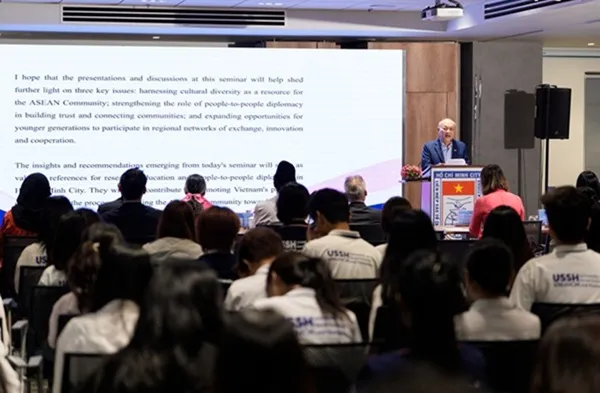
With the orientation of linking training and scientific research with serving the community, the University of Social Sciences and Humanities continues to promote the strengths of social sciences and humanities in researching culture, people, and regional development issues. In particular, the Faculty of Oriental Studies plays an active role in academic networking, cultural exchange, and expanding cooperative relations with ASEAN partners.
Starting the professional content, Assoc. Prof. Dr. Phan Thi Hong Xuan – Dean of the Faculty of Oriental Studies, University of Social Sciences and Humanities, VNUHCM; President of the Ho Chi Minh City Viet Nam – Southeast Asia Friendship Association, presented a paper titled “Culture and people-to-people diplomacy: Connecting the community, cultivating ASEAN identity”.
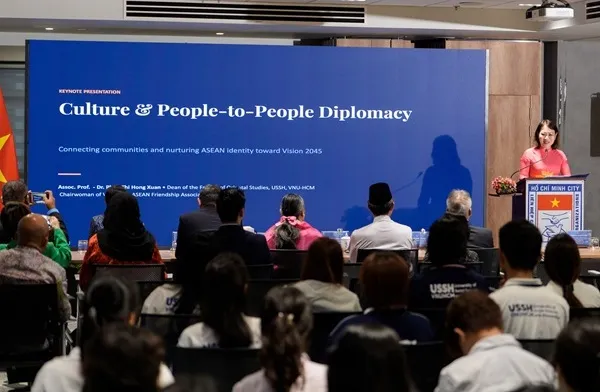
From an anthropological and regional studies perspective, the paper affirmed that culture is not only an expression of national identity but also an important resource in building trust, promoting understanding, and strengthening the bond between communities. ASEAN is a space diverse in language, religion, belief, history, and customs, but that very diversity, when viewed with a spirit of respect and dialogue, can become the foundation for a regional identity that is both unified and diverse.
Through practical experiences in cultural exchange and people-to-people diplomacy, Assoc. Prof. Dr. Phan Thi Hong Xuan emphasized that sustainable connections do not necessarily start from large-scale programs but can form from encounters, meals, traditional costumes, arts, games, and the appreciation for each other’s cultural heritage.
One of the vivid examples shared was the “Tom Breakfast” program that took place on October 21, 2026, where ASEAN diplomatic representatives experienced Malaysian breakfast culture. From the familiar Vietnamese banh mi to Malaysian roti canai with curry, or the image of the Consul General of Malaysia personally introducing the art of making teh tarik, intimate culinary experiences have become a means to connect culture and strengthen friendship.
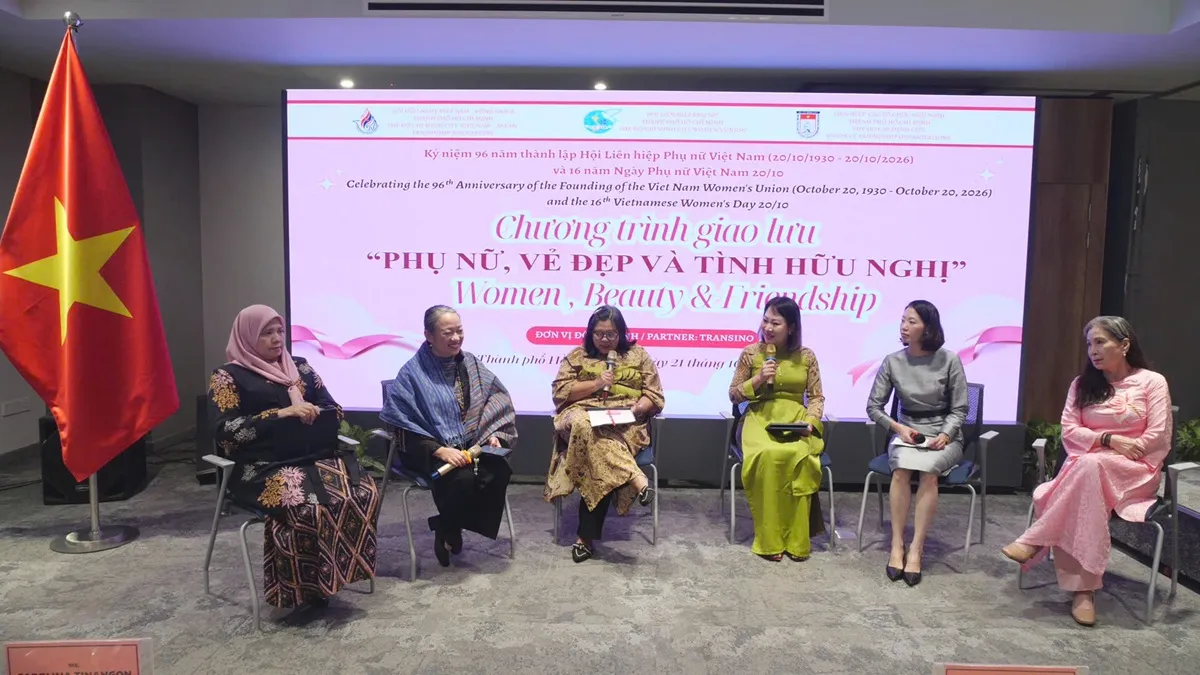
Notably, Assoc. Prof. Dr. Phan Thi Hong Xuan’s choice of the Kebaya costume at the program also demonstrated respect for the Baba Nyonya cultural heritage of Malaysia. Similarly, during an exchange activity on Vietnamese Women’s Day, Assoc. Prof. Dr. Phan Thi Hong Xuan and Ms. Carolina Tinangon – Consul General of Indonesia in Ho Chi Minh City – both wore Vietnamese ao dai made from Indonesian batik fabric, creating an image rich in meaning regarding the intersection and celebration of each other’s culture.
From these examples, the paper affirmed that culture is present not only in heritage, festivals, or artistic activities but also expressed through daily choices, behaviors, and experiences. When communities know how to appreciate each other’s cultural values, differences are no longer a gap but an opportunity for dialogue and connection.
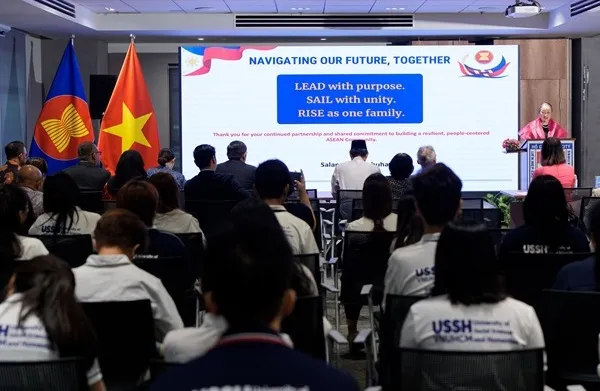
Continuing the program, Ms. Querobine Deapera Laccay – Consul General of the Philippines in Ho Chi Minh City, presented a paper on the Philippines and its role as ASEAN Chair in 2026. The paper provided a perspective from a member state on cooperation priorities, shared responsibilities, and development prospects of the ASEAN Community in the new period; contributing to clarifying the role of coordination among countries in maintaining solidarity, promoting cooperation, and strengthening ASEAN’s position.
From a following perspective, Mr. Firdauz Othman – Consul General of Malaysia in Ho Chi Minh City, presented a paper on the ASEAN Community Vision 2045, with development orientations aiming for a resilient, dynamic, sustainable, and people-centered community. Drawing on Malaysia’s experience in the ASEAN cooperation process, the paper emphasized the requirement to strengthen regional connectivity, promote inclusive development, enhance adaptability to new challenges, and ensure that the people participate in and enjoy the fruits of integration.
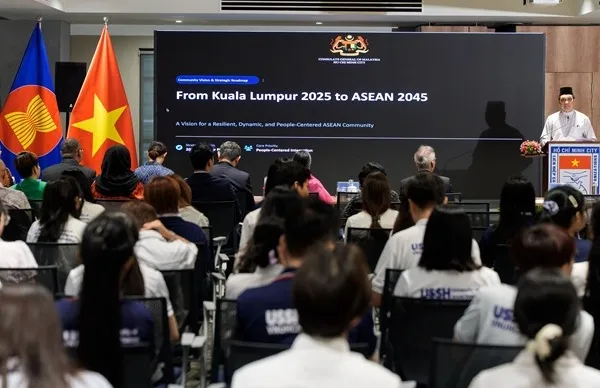
The perspectives from the Philippines and Malaysia contributed to connecting strategic orientations at the regional level with practical issues in social life, while highlighting the role of diplomatic representative agencies in promoting understanding and cooperation between member states.
A notable highlight of the seminar was the presentation by Mr. Danny Vo (Vo Thanh Dang) – Member of the Ho Chi Minh City Viet Nam Fatherland Front Committee, Vice President of the Association for Liaison with Overseas Vietnamese in Ho Chi Minh City, on the topic of the role of overseas Vietnamese as people-to-people bridges connecting Viet Nam with the ASEAN Community.
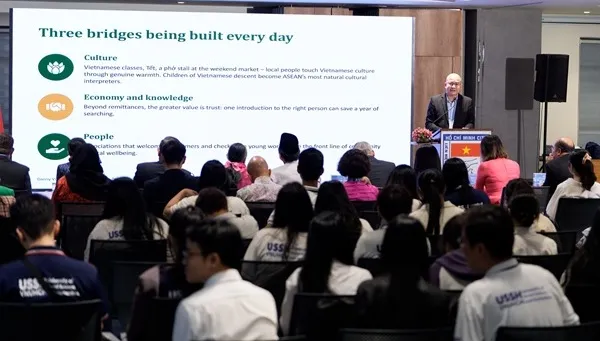
The paper highlighted the role of the overseas Vietnamese community as actors connecting culture, knowledge, economy, and social relations between Viet Nam and countries in the region. With the ability to adapt in multicultural environments, the diaspora not only contributes to promoting the image of the country and people of Viet Nam but can also promote cooperation initiatives, share experiences, and build cross-border connection networks. Each individual and each overseas Vietnamese community can become a bridge of friendship, contributing to strengthening understanding and cohesion among peoples within ASEAN.
Closing the series of presentations, Mr. Dao Hieu Dong – Co-founder of Co Thuy Tinh Chau, presented content on Co Thuy Tinh Chau, from Vietnamese cultural innovation to the ASEAN people-to-people exchange space. Through an interactive cultural creative product, the paper suggested a new approach in combining intellectual games, education, experience, and cultural exchange. Co Thuy Tinh Chau is not only an entertainment activity but also a means to encourage thinking, dialogue, and connection among participants from different cultures.
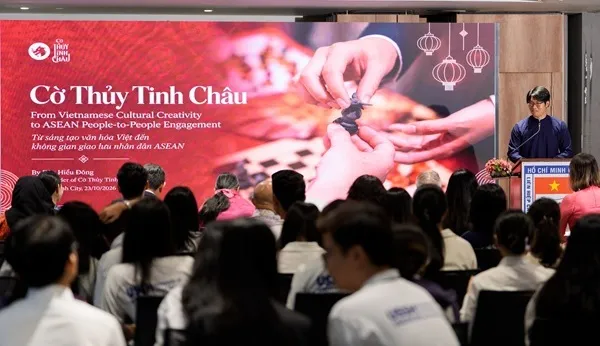
This initiative shows that people-to-people diplomacy can be implemented through many intimate, creative forms suitable for the younger generation, thereby contributing to bringing Vietnamese cultural values into the shared exchange space of the region.
With five presentations approached from different angles, the seminar created a consistent thread of content: from the role of culture and people-to-people diplomacy in building ASEAN identity, to the development orientations of member states, the contribution of the overseas Vietnamese community, and cultural exchange initiatives stemming from real life.
The meeting point among the presentations was the realization that the ASEAN Community is not only built through formal cooperation mechanisms but also nurtured by relationships between people and people, from respect for differences, trust, a spirit of sharing, and shared responsibility for the future of the region.
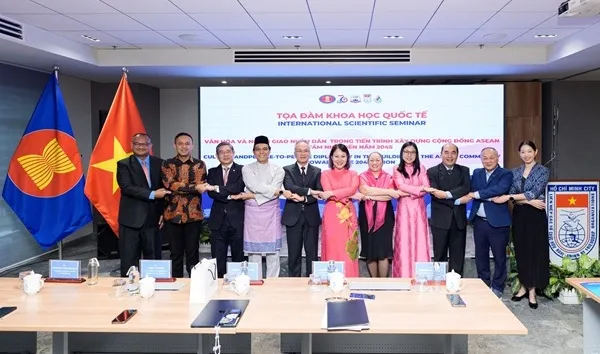
Particularly, in the context of implementing Decision No. 155/QD-TTg of the Prime Minister, the seminar contributed to concretizing guidelines on raising awareness and ASEAN identity, upholding the role of the community, enhancing cultural exchange, and promoting the participation of people in the process of building the ASEAN Community. Thereby, people-to-people diplomacy is seen not only as a method to strengthen friendship but also as an important social resource, supplementing cooperation between states.
For the Faculty of Oriental Studies, the seminar has practical meaning in connecting academic knowledge with diplomatic practice, creating opportunities for lecturers, trainees, and students to approach contemporary issues of ASEAN through direct exchanges with diplomats, experts, and participants in community connection activities. This is also a direction of implementation consistent with the training orientation of linking theory with practice, developing intercultural competence, and enhancing the social responsibility of learners.
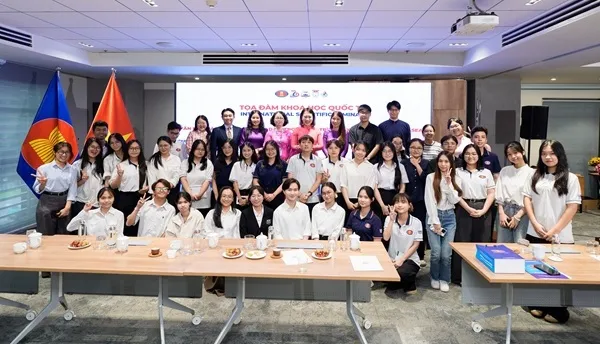
The success of the seminar is the result of coordination, accompaniment, and active support from many agencies, units, and individuals. The Organizing Committee respectfully thanks for the attention and favorable conditions provided by the Board of Rectors of the University of Social Sciences and Humanities, Viet Nam National University Ho Chi Minh City; the Ho Chi Minh City Union of Friendship Organizations; the Ho Chi Minh City Viet Nam – Southeast Asia Friendship Association; and the participation and sharing of diplomatic representative agencies, speakers, experts, researchers, and distinguished delegates.
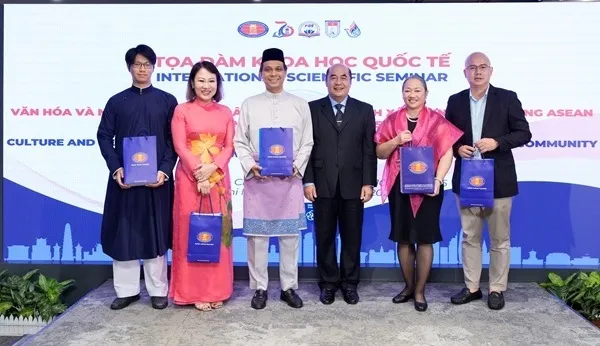
The Organizing Committee would like to express special thanks to the companionship of Due Tam Tra Cultural Space (LDT Joint Stock Company), contributing to spreading the values of Vietnamese tea culture; PuAura Scented Candles; DIEP TRUONG PHAT PRODUCTION TRADING PROCESSING CO., LTD; and anchay.TV for their interest and support for the program, demonstrating the spirit of social responsibility and the connection between businesses and cultural, academic, and friendship activities.
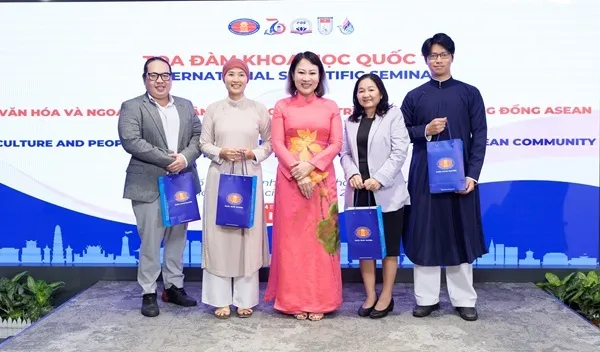
The Organizing Committee also respectfully thanks PhD candidate Vo Lap Phuc – Typical Citizen of Ho Chi Minh City in 2024, for undertaking the role of Master of Ceremonies (MC), contributing to connecting the presentations and creating a formal, intimate, and exchange-rich atmosphere for the seminar.
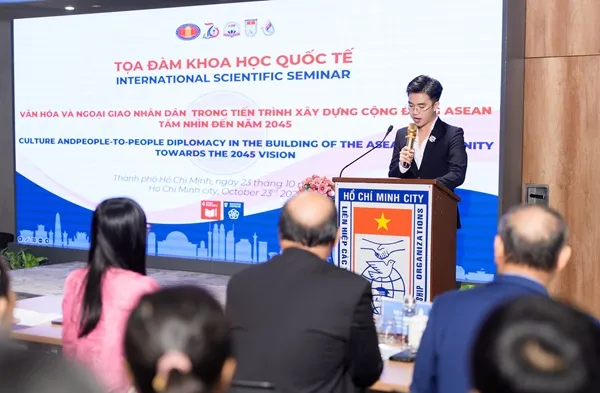
The companionship of businesses, organizations, and individuals not only contributed to the success of the program but also demonstrated the community's spirit of joining hands in promoting cultural exchange, connecting knowledge, and cultivating friendship between the people of Viet Nam and the people of ASEAN countries. The Organizing Committee also gratefully acknowledges the enthusiastic contribution of the team of lecturers, staff, trainees, students, and volunteers in the preparation, organization, and communication for the program.
The seminar concluded but continues to open up opportunities for cooperation, connection, and the development of new initiatives among educational institutions, friendship organizations, diplomatic agencies, and the community. From academic exchanges to cultural experiences and practical initiatives, the program contributes to affirming the role of culture and people-to-people diplomacy as sustainable bridges connecting nations, peoples, and generations in the region.
Towards the ASEAN Community Vision 2045, a cohesive and sustainable ASEAN needs to be built not only by general strategies and commitments, but also by the proactive, responsible, and creative participation of each citizen. It is from those bridges of culture, knowledge, and friendship that the “unity in diversity” spirit of ASEAN continues to be nurtured and spread in community life.
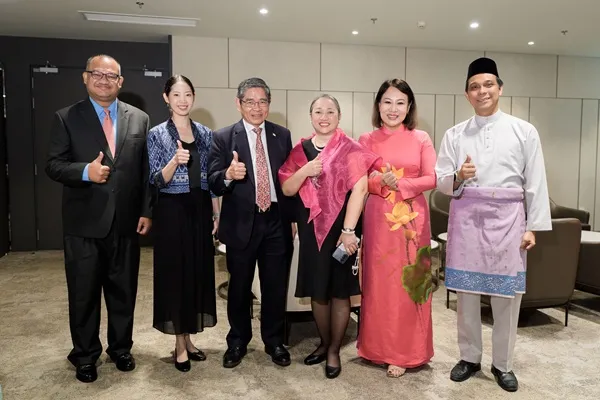
Assoc. Prof. Dr. Phan Thi Hong Xuan
Related posts