LECTURERS AND GRADUATE STUDENTS OF THE FACULTY OF ORIENTAL STUDIES ENGAGE IN ACADEMIC AND CULTURAL EXCHANGE AND COOPERATION NETWORKING IN MALAYSIA
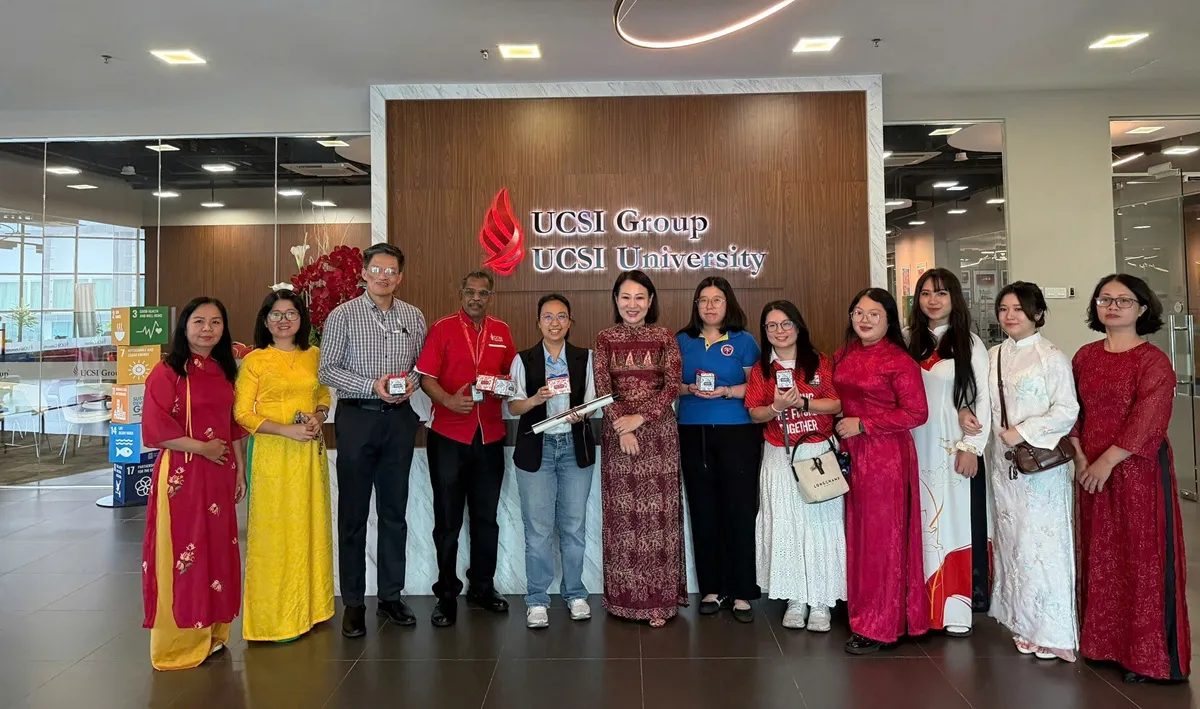
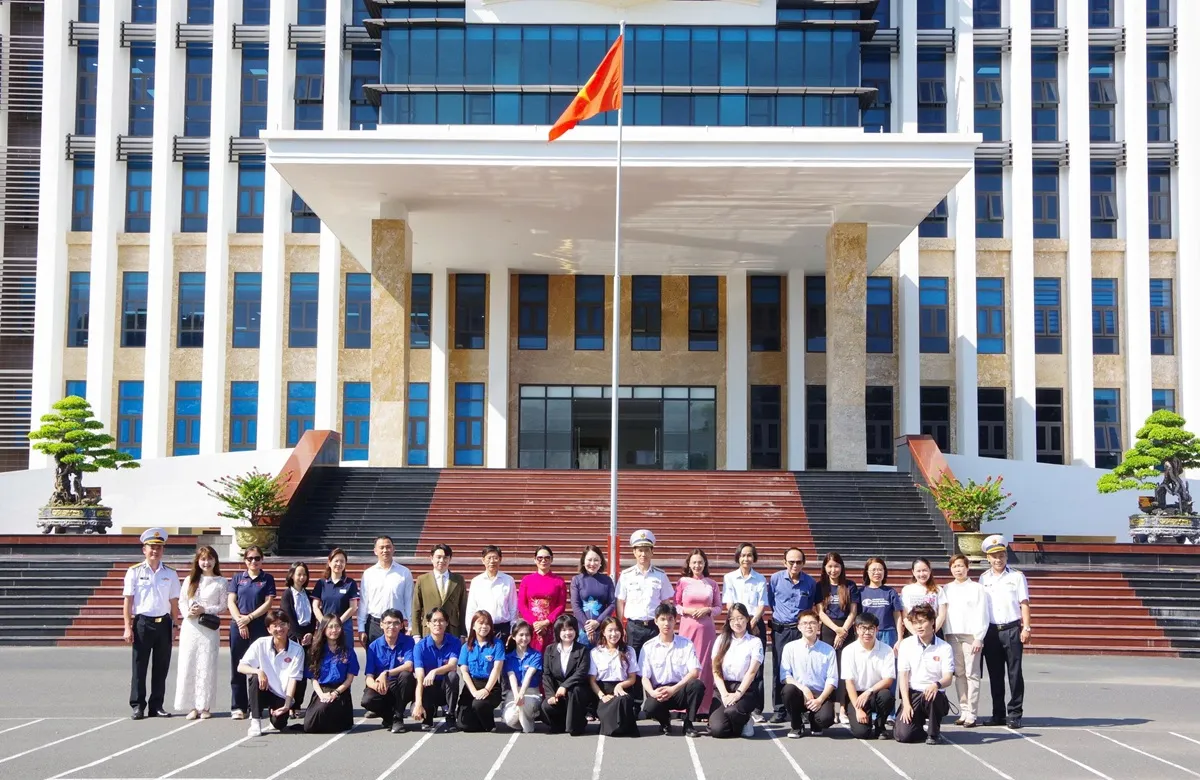
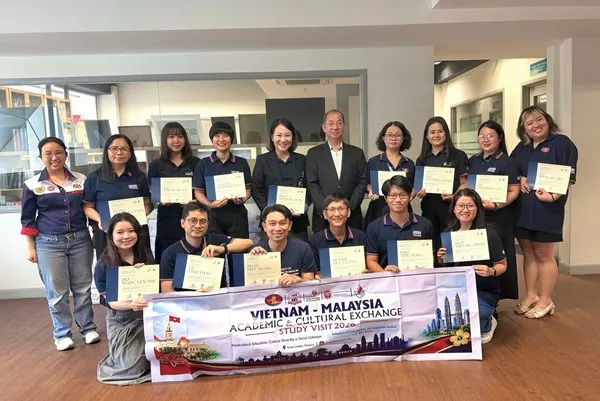
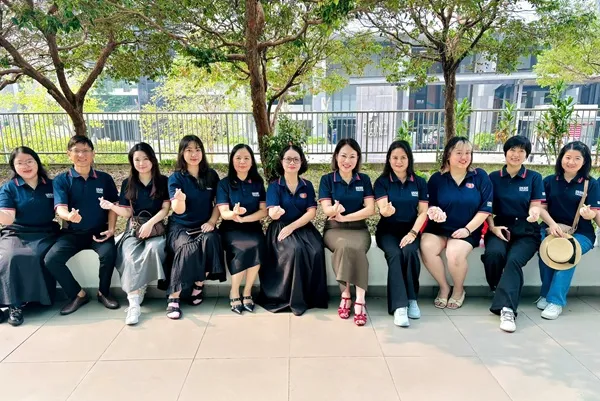
From September 17 to 20, 2026, at the invitation of Education Malaysia Ho Chi Minh City and the Han Culture Centre Malaysia, a delegation of lecturers and graduate students from the Faculty of Oriental Studies, University of Social Sciences and Humanities, Viet Nam National University Ho Chi Minh City, led by Assoc. Prof. Dr. Phan Thi Hong Xuan – Dean of the Faculty of Oriental Studies, and accompanied by the Viet Nam – Southeast Asia Friendship Association in Ho Chi Minh City, conducted an internship, academic-cultural exchange, and cooperation networking program in Kuala Lumpur, Malaysia.
With the theme “Asian culture and society: Identity, values, and harmony,” the program linked postgraduate training with practical experience in Malaysia – a multi-ethnic, multi-religious, and multicultural society. It also created opportunities for lecturers and graduate students to observe, exchange, and compare theoretical issues with social realities, as well as to expand the cooperation network between the Faculty of Oriental Studies and educational institutions, academic, cultural, and social organizations in Malaysia.
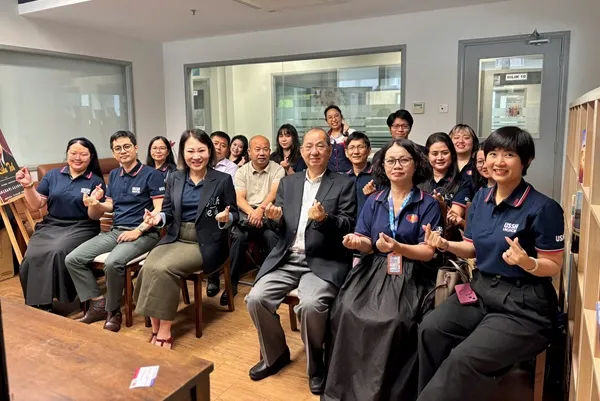
Ethnic solidarity in the multicultural society of Malaysia
On the morning of September 18, the delegation attended a thematic session by Dato’ Goh Hin San – Chairman of the Han Culture Centre Malaysia on ethnic solidarity in the multicultural society of Malaysia.
Drawing from the reality of Malaysia, Dato’ Goh Hin San shared about the process of ethnic communities living together, preserving their identities, and building social cohesion. He introduced the Chinese community in Malaysia, their role and contributions to the socio-economic, educational, and cultural development of the country; meanwhile, he emphasized the significance of dialogue, respecting differences, and promoting common values in strengthening solidarity among communities.
The session provided graduate students with additional practical cases to approach issues of ethnic relations, multiculturalism, identity, integration, and social harmony, directly linked to their learning and research on Asian societies.
Through the sharing and exchanges at the program, issues previously approached from a theoretical perspective were placed in a specific social context, providing students with a basis for observing and comparing how a multi-ethnic society maintains the identity of each community while simultaneously building common values.
On this occasion, Dato’ Goh Hin San presented Assoc. Prof. Dr. Phan Thi Hong Xuan and the Faculty of Oriental Studies with two new books published by him as an academic gift and reference resource for lecturers and students in their teaching and research activities.
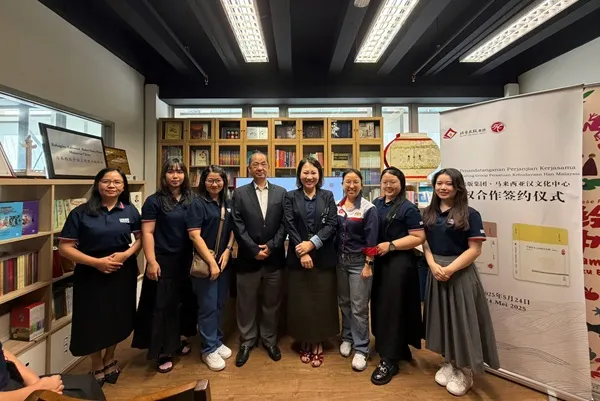
Academic connection and signing of the Memorandum of Understanding (MOU)
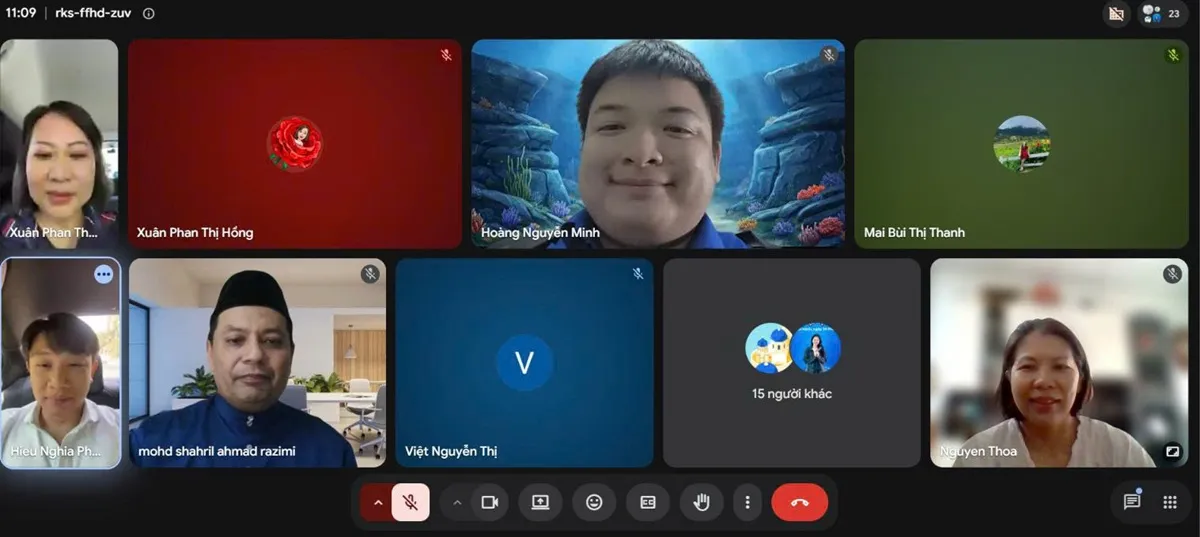
Also on the morning of September 18, the delegation signed a Memorandum of Understanding (MOU) with Horizon, with the participation of Prof. Dr. Nayan Kanwal – Editor-in-Chief of Horizon Journals.
The signing opens up avenues for cooperation in research, organizing international seminars and forums, connecting scholars, and promoting international scientific publications, aiming to concretize the MOU with cooperation programs in the near future.
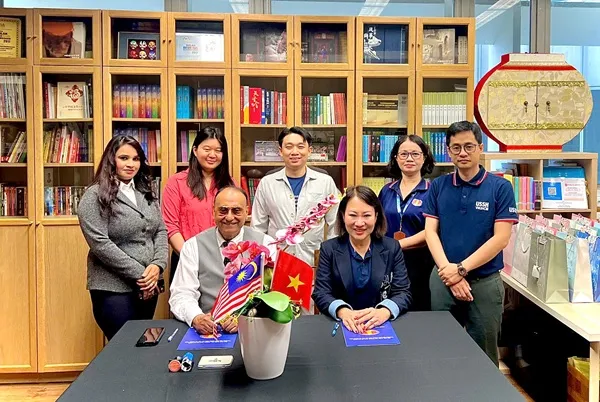
This activity contributes to expanding the international academic network of the Faculty of Oriental Studies while creating more opportunities for lecturers and graduate students to access research activities, academic exchanges, seminars, and scientific publications in an international environment.
From an internship program, the meetings and exchanges in Malaysia have thus gradually formed concrete connections, aiming for long-term cooperative activities between the two sides' units and scholars.
Spreading Vietnamese culture to Malaysian students and parents
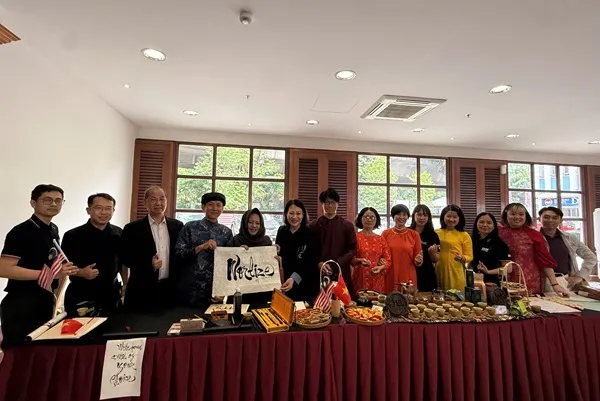
At noon on September 18, the delegation participated in a cultural exchange program with students and parents from primary and secondary schools in Malaysia.
The program was designed to be experiential, helping Malaysian students and parents directly access the unique features of Vietnamese culture in an intimate, lively, and highly interactive space.
A highlight was the activity of introducing and enjoying Vietnamese tea, with the participation of Ms. Nguyen Thi Minh Hien – Chairwoman of the Tea Culture Branch of Ho Chi Minh City, Director of Due Tam Tra Cultural Space.
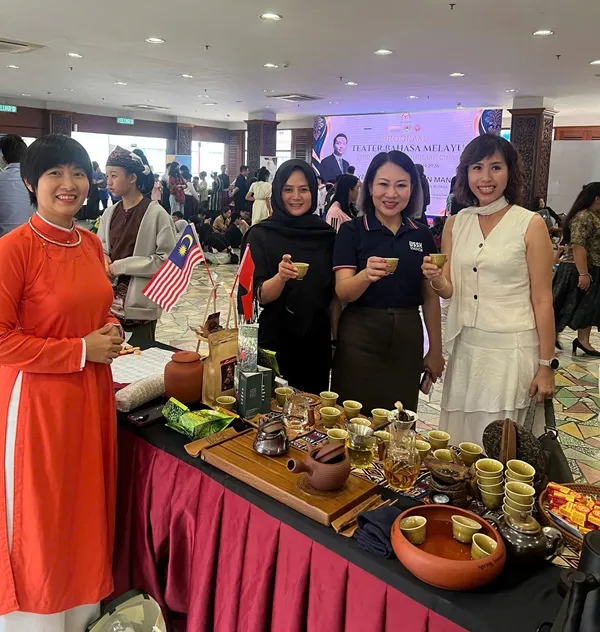
Through tea appreciation, Malaysian students and parents learned more about Vietnamese tea culture, how to enjoy tea, and the spiritual values associated with the lives of Vietnamese people. The tea space simultaneously became a method of intimate exchange, creating a connection between participants through direct cultural experience.
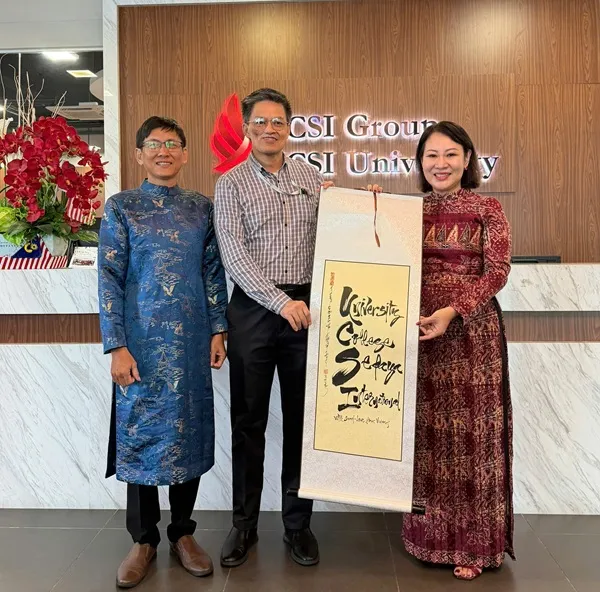
In addition, the calligraphy activity featured Mr. Huynh Duc Cuong – Calligrapher Lac Thanh, a member of the Tea Culture Branch of Ho Chi Minh City.
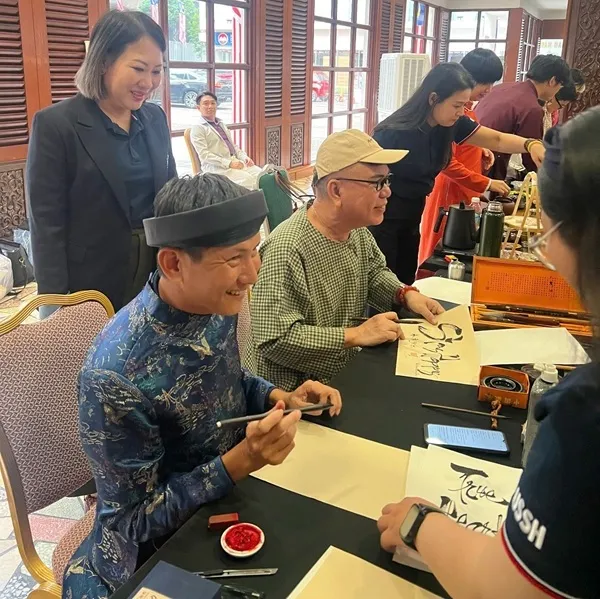
Through each stroke, Malaysian students and parents were introduced to the beauty of calligraphy and the cultural messages conveyed in each work. The activity helped participants approach a traditional cultural feature in an intuitive and vivid way.
The introduction to "Co Thuy Tinh Chau" (Glass Pearl Chess) featured Mr. Dao Hieu Dong – co-founder of Co Thuy Tinh Chau.
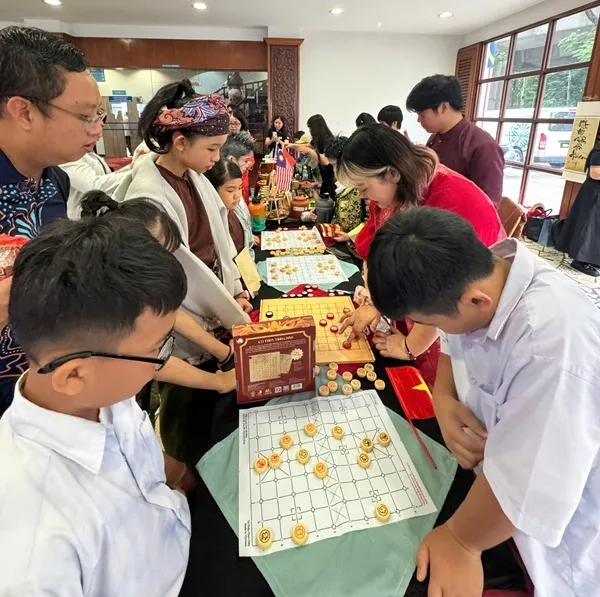
Besides Vietnamese tea and calligraphy, Co Thuy Tinh Chau was introduced as an interactive cultural game product, helping Malaysian students discover more about the country, people, and culture of Vietnam through a play-and-learn approach.
The combination of Vietnamese tea – calligraphy – Co Thuy Tinh Chau and interactive activities created an exchange space rich in experience.
Through this, lecturers and students of the Faculty of Oriental Studies not only learned about the cultural-social reality of Malaysia but also directly participated in introducing and spreading Vietnamese culture to the local community, contributing to enhancing people-to-people exchange and mutual understanding between Vietnam and Malaysia.
Visiting and discussing at UCSI and learning about the international education model
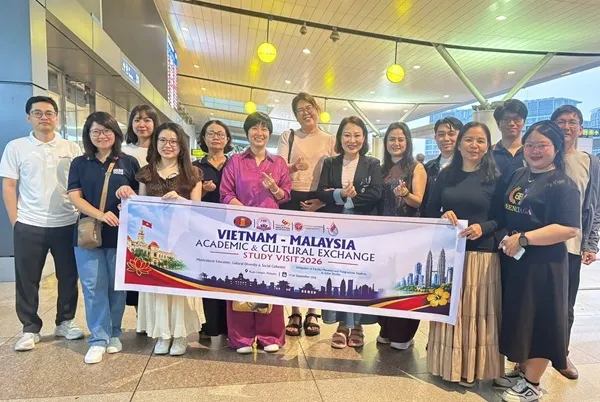
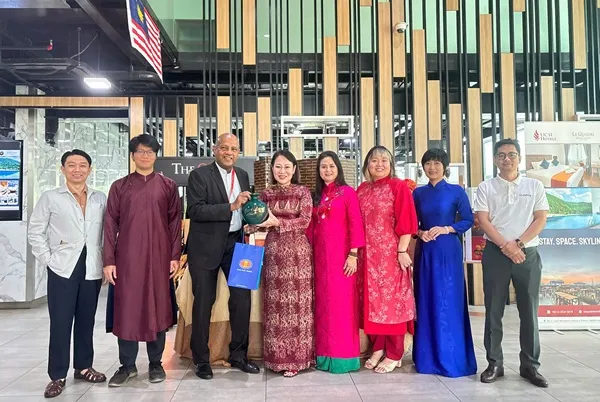
On the morning of September 19, the delegation visited UCSI to learn about the training facilities, hotel-service systems, and the model connecting education, services, tourism, and professional practice.
The visit helped lecturers and students have more opportunities to access the reality of an educational model in Malaysia, from training facilities to connecting study programs with the practical environment and service sectors.
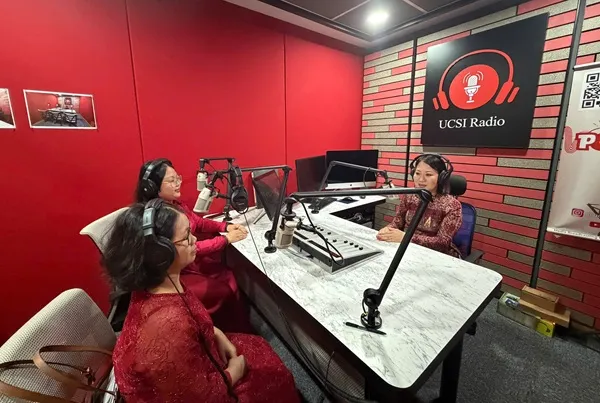
The delegation also had a discussion with UCSI representatives to exchange ideas about training models, the internationalization of education, and the potential to develop future cooperation programs.
Welcoming and working with the delegation were Mr. Roland Chan – Director of the Global Engagement Office, UCSI University, and Mr. Stephen Cornelius – Senior Manager of the Global Engagement Office, UCSI University, along with representatives from the unit.
At the meeting, the two sides discussed the potential for developing cooperative activities in training, research, academic exchange, connecting lecturers – students, and international programs, thereby opening further opportunities to develop connections between the Faculty of Oriental Studies and educational partners in Malaysia.
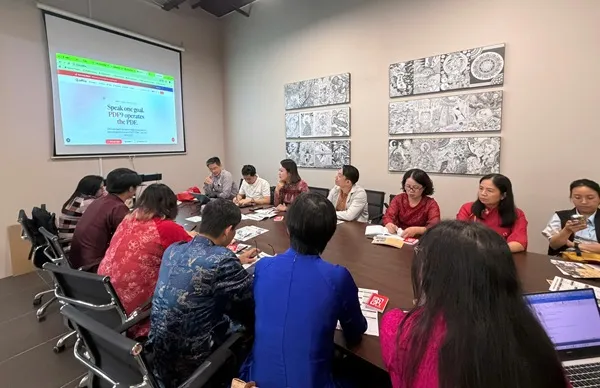
Introducing PDF9 AI to the Global Engagement Office of UCSI University
During the discussion and working session on the morning of September 19 with the Global Engagement Office of UCSI University, Mr. Le Vinh Thao introduced the PDF9.AI program – an innovative artificial intelligence application from Vietnam, supporting the exploitation, processing, and working with documents for learning, teaching, and research purposes.
The presentation was carried out as part of the exchange with UCSI representatives on educational technology, internationalization, and the potential for developing future cooperation programs. Thereby, PDF9.AI was introduced as a tool that can support lecturers, students, and graduate students in the process of working with documents, while also suggesting the possibility of applying AI in training and research.
In particular, PDF9.AI gifted graduate students in Asian Studies of the Faculty of Oriental Studies free access for 2 months. This is an opportunity for students to directly test Vietnam's AI tool in the process of reading, exploiting documents, and researching, contributing to strengthening the ability to apply technology in postgraduate training.
This content helped the internship trip expand from academic and cultural exchange to discussions on technology and innovation, while creating further grounds for the Faculty of Oriental Studies and partners at UCSI to study cooperation directions related to AI applications, digital transformation, and support for academic activities.
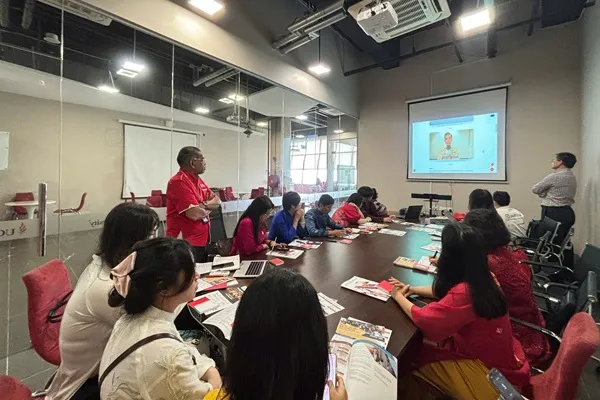
Connecting with the Malaysian Vegetarian Society towards academic cooperation in Vietnam
On the afternoon of September 19, the delegation met and exchanged with representatives of the Malaysian Vegetarian Society (MVS), including Dr. P. Vythilingam – Executive Committee Member of the Malaysian Vegetarian Society, former president of the Malaysian Vegetarian Society, and Mr. Raj Kumar Seth – Executive Vice President of the Asian Pacific Vegetarian Union (APVU).
Also participating and connecting the program was Mr. Le Vinh Thao – An Chay TV.
The parties discussed vegetarian food culture, lifestyle, environment, sustainable development, and community connection, while also discussing the potential to develop these topics into exchange and academic cooperation activities between Vietnam and Malaysia.
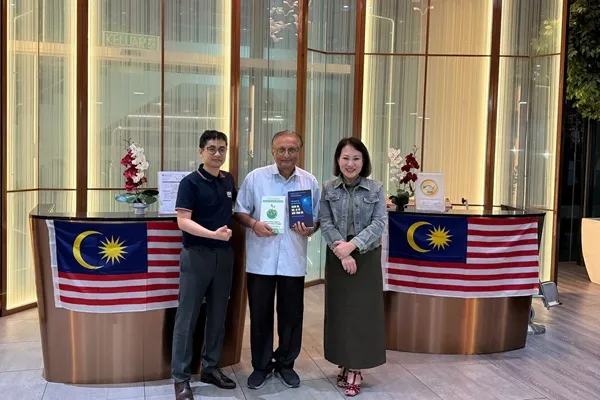
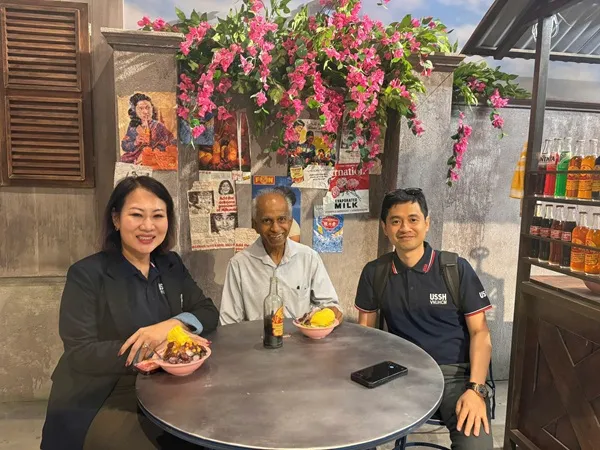
From a socio-cultural perspective, vegetarian food was not only discussed as a food choice but also approached in relation to culture, environment, public health, lifestyle, and sustainable development, thereby opening further interdisciplinary directions for research and exchange.
The meeting also created conditions for lecturers, students, and representatives of social organizations from both countries to share experiences in community activities, thereby strengthening the connection between academic initiatives and practical activities in society.
Notably, the two sides discussed the possibility of cooperation within the framework of an international conference scheduled to be held in November 2026 at the University of Social Sciences and Humanities, Viet Nam National University Ho Chi Minh City.
This is one of the specific connecting results of the trip, opening up opportunities to increase the participation of Malaysian experts and organizations in academic and community activities in Vietnam.
Through this, the connections formed in Malaysia not only stopped within the framework of the internship trip but were also oriented to be continued by specific activities in Vietnam.
From the classroom to the multicultural reality of Asia
The series of activities in Malaysia created a multi-dimensional field learning space for lecturers and graduate students of the Faculty of Oriental Studies: from learning about ethnic solidarity in the multicultural society of Malaysia, signing academic cooperation and publication agreements; exchanging with students, parents, and introducing Vietnamese culture; learning about the training model at UCSI; accessing AI applications for research; to connecting with Malaysian social organizations.
For graduate students, the trip was an opportunity to take knowledge and theories about identity, ethnic relations, multiculturalism, cultural exchange, and social harmony out of the classroom to observe, exchange, and compare with reality.
Malaysia, with its multi-ethnic, multi-religious, and multicultural characteristics, became a suitable field space for students to directly access topics that are important content in research on Asian societies.
In parallel with the process of learning from Malaysia's reality, the delegation also proactively introduced Vietnamese cultural values through tea, calligraphy, cultural games, as well as shared initiatives on technology and community connection.
This two-way interaction helped the program not only have an internship nature but also become a cultural and people-to-people exchange activity, where knowledge, experience, and cultural values were shared between participants from the two countries.
Expanding the academic, cultural, and community cooperation network between Vietnam and Malaysia
Through the program from September 17 to 20, 2026, activities in Malaysia contributed to expanding the network of partners of the Faculty of Oriental Studies, University of Social Sciences and Humanities, Viet Nam National University Ho Chi Minh City, directing the connections formed during the trip towards specific activities such as joint research and publication, international conferences, academic exchange, technology application in training, and Vietnamese-Malaysian cultural-community exchange programs.
From the topic on multicultural society; the MOU signing activity; Vietnamese tea, calligraphy, and cultural game exchange; visiting and discussing at UCSI; experiencing research support AI tools; to meetings with representatives of the Malaysian Vegetarian Society and organizations in the region, the program created many layers of connection between academia – culture – education – technology – community.
This is also an opportunity for the connections formed during the trip to gradually transform into practical cooperation programs, including the orientation to connect Malaysian experts and organizations to participate in the international conference scheduled to be held at the University of Social Sciences and Humanities, Viet Nam National University Ho Chi Minh City in November 2026.
The internship trip was therefore not only a journey of learning from practice but also a journey of connecting knowledge – culture – technology – community, contributing to enhancing understanding, people-to-people exchange, and cultivating the friendly relationship between Vietnam and Malaysia in the common space of ASEAN.
Bài viết liên quan